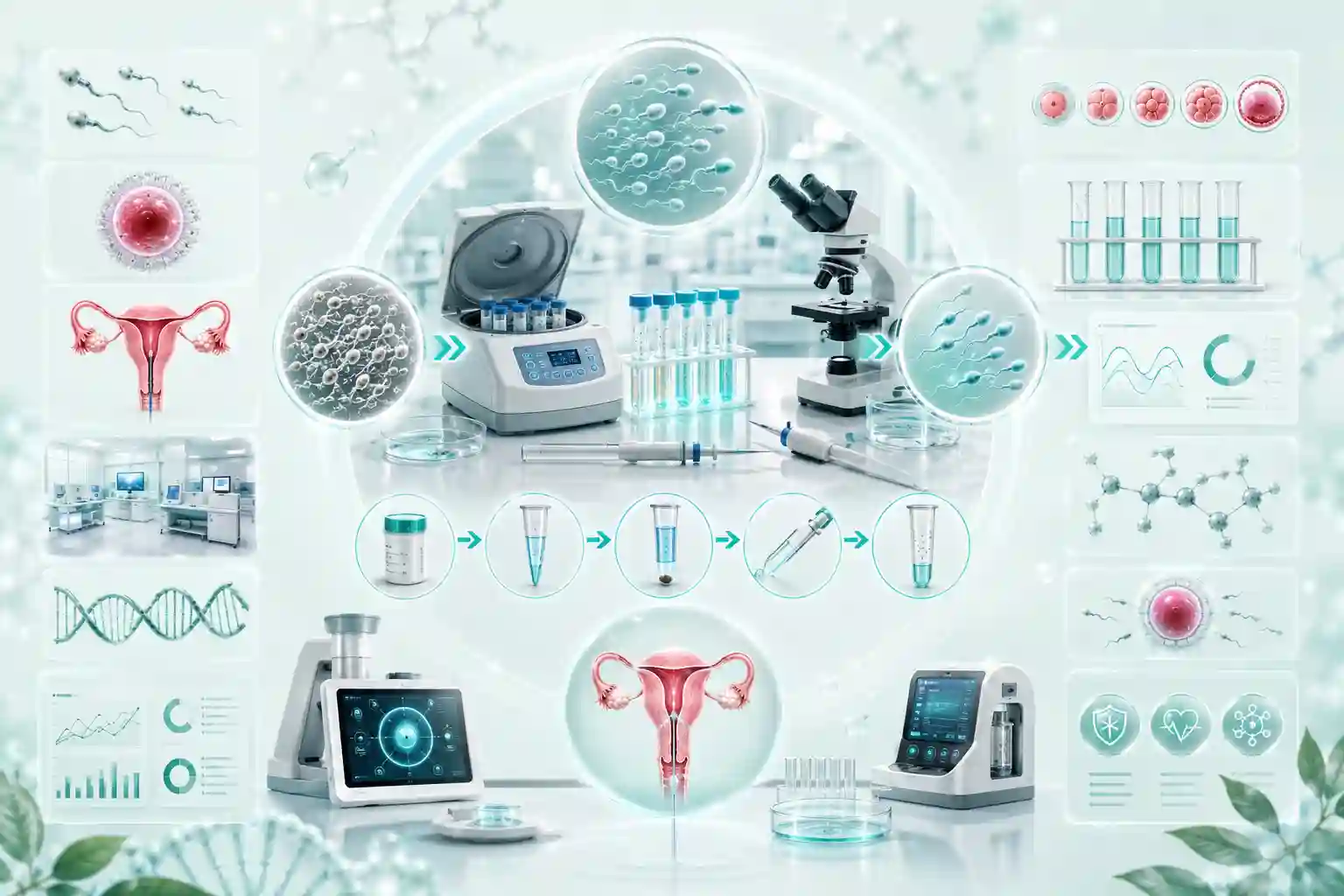
Sperm washing is one of the most important steps in the intrauterine insemination (IUI) process. Before sperm is placed into the uterus, it undergoes laboratory preparation to separate the healthiest and most motile sperm from semen. This process, known as sperm washing for IUI, helps improve the quality of the sample used during insemination.
Many patients are unfamiliar with what happens to the semen sample after it is collected. Understanding sperm washing for IUI can help you feel more confident about your treatment and appreciate why this laboratory procedure plays a key role in assisted reproduction.
What Is Sperm Washing for IUI?
Sperm washing for IUI is a laboratory technique used to separate healthy, actively moving sperm from seminal fluid, dead sperm, debris, white blood cells, and other unwanted components.
The result is a concentrated sample of high-quality sperm that is suitable for placement directly into the uterus during the IUI procedure.
Without sperm washing, semen should not be introduced directly into the uterus because seminal fluid can cause severe uterine cramping and other complications.
Why Is Sperm Washing for IUI Important?
Sperm washing improves the quality of the sperm sample before insemination.
Its main purposes include:
- Concentrating healthy, motile sperm
- Removing dead or poorly moving sperm
- Eliminating seminal plasma
- Reducing cellular debris
- Preparing sperm for safe intrauterine placement
This laboratory preparation helps optimize the insemination process.
How Does Sperm Washing for IUI Work?
The sperm washing procedure is performed by trained embryologists or laboratory professionals.
Step 1: Semen Collection
A semen sample is collected, usually at the fertility clinic or according to the clinic’s instructions.
Step 2: Laboratory Evaluation
The laboratory evaluates the sample for:
- Sperm count
- Motility (movement)
- Morphology (shape)
- Volume
- Overall quality
Step 3: Sperm Washing
Using specialized laboratory techniques, the sperm is processed to separate the healthiest sperm cells from the rest of the semen.
Common methods include:
- Density gradient centrifugation
- Swim-up technique
- Combination laboratory methods
The technique used depends on the quality of the semen sample.
Step 4: Preparation of the Final Sample
The healthiest sperm are suspended in a sterile culture medium suitable for intrauterine insemination.
Step 5: IUI Procedure
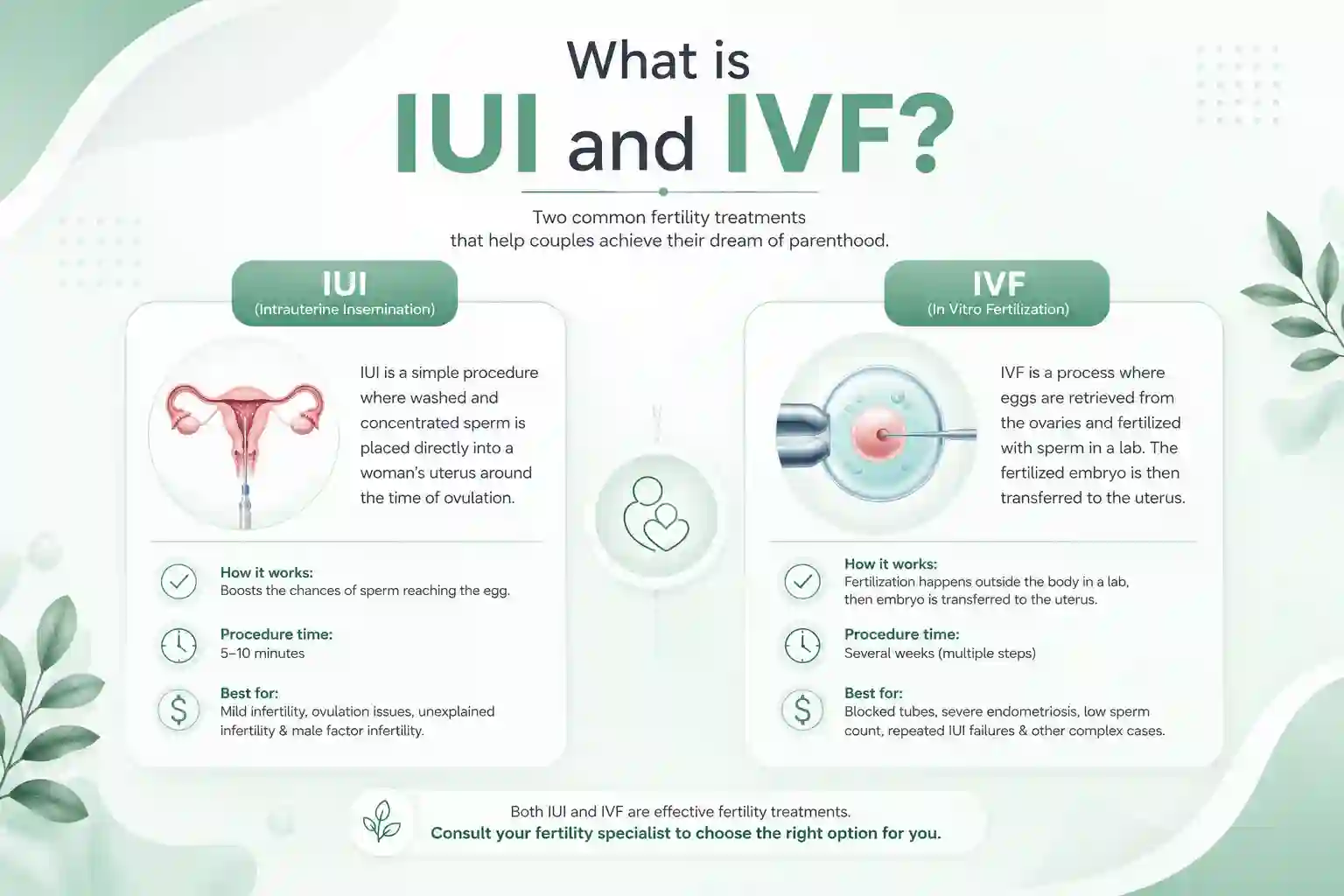
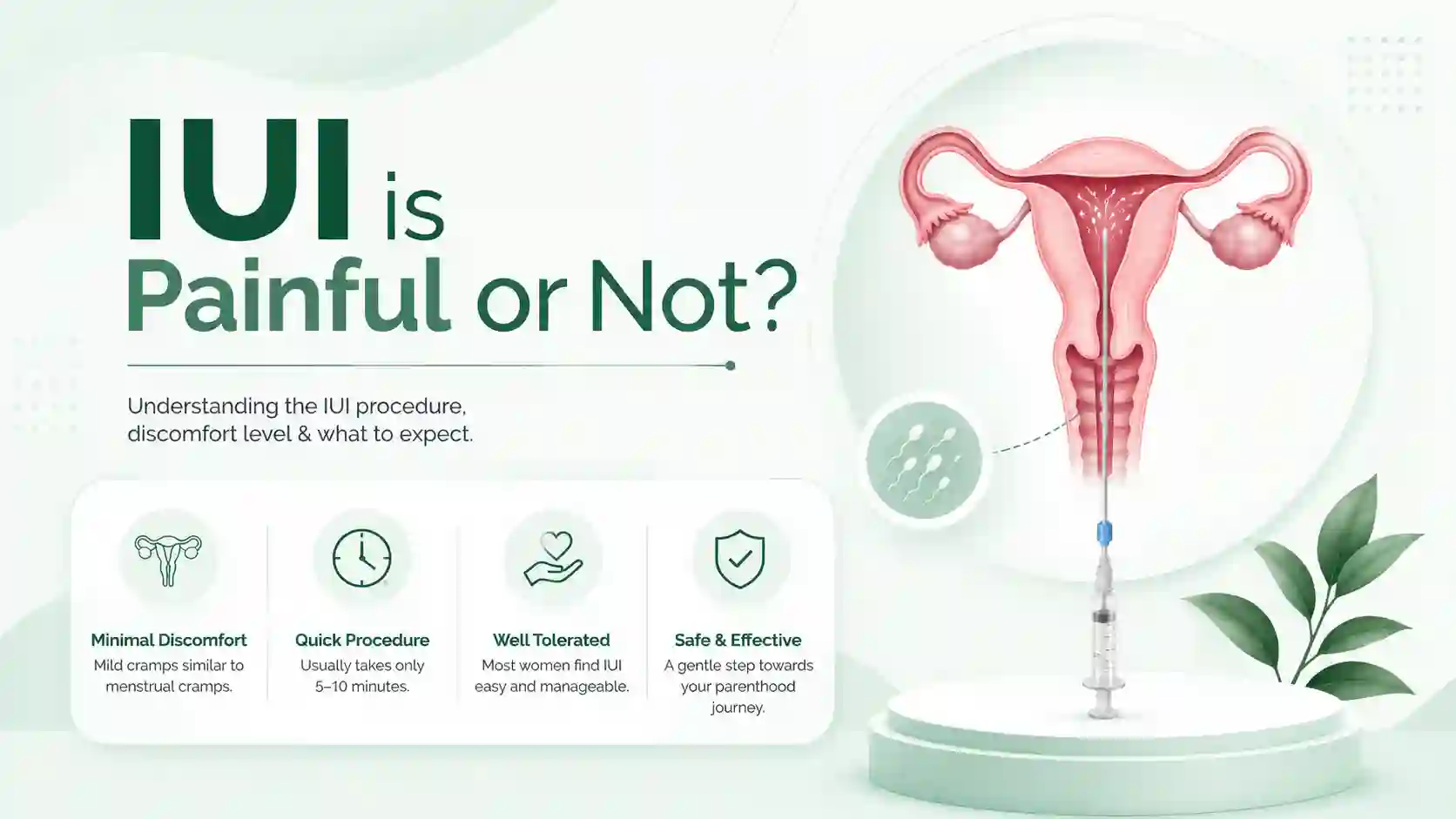
The prepared sperm sample is placed directly into the uterus using a thin, flexible catheter.
Benefits of Sperm Washing for IUI
Sperm washing offers several important advantages.
Benefits include:
- Concentrates healthy, motile sperm
- Removes seminal fluid
- Reduces unwanted cells and debris
- Helps prepare sperm for safe uterine placement
- Improves the quality of the insemination sample
- Supports the overall IUI process
Although sperm washing improves the sample quality, it does not guarantee pregnancy.
Risks, Side Effects, or Limitations
Sperm washing is considered a safe laboratory procedure.
However, there are some limitations.
These include:
- It cannot correct severe male infertility.
- It cannot improve genetic quality of sperm.
- Some sperm are naturally lost during processing.
- Pregnancy still depends on egg quality, ovulation timing, age, and other fertility factors.
Your fertility specialist will explain whether IUI is appropriate based on your fertility evaluation.
Cost, Timeline, and Success
Cost
The cost of sperm washing is often included in the overall IUI treatment package, although some clinics charge separately.
Costs vary depending on:
- Fertility clinic
- Laboratory facilities
- Country or city
- Treatment package
Ask your clinic for a detailed breakdown of all charges before beginning treatment.
Timeline
Sperm washing is typically completed within 30–90 minutes, depending on the laboratory method and semen quality.
The prepared sample is then used immediately for the IUI procedure.
Does Sperm Washing Increase Success?
Sperm washing improves the quality of the sperm sample used for insemination.
However, pregnancy success also depends on factors such as:
- Female age
- Egg quality
- Ovulation timing
- Fallopian tube health
- Sperm quality before washing
- Underlying fertility diagnosis
Factors Affecting Results
Several factors influence the effectiveness of sperm washing and the overall success of IUI.
Initial Sperm Quality
Samples with higher sperm count and better motility generally produce better washed samples.
Female Age
Egg quality remains one of the most important factors affecting pregnancy.
Ovulation Timing
The insemination must be carefully timed with ovulation.
Laboratory Expertise
Experienced embryologists and high-quality laboratory procedures contribute to proper sperm preparation.
Overall Fertility Health
Both male and female reproductive health affect treatment outcomes.
Emotional & Patient Perspective
Providing a semen sample and undergoing fertility treatment can feel stressful for many couples.
Understanding the laboratory process often helps reduce anxiety.
Remember that sperm washing is a routine part of IUI performed by trained laboratory professionals using standardized procedures designed to prepare the safest and highest-quality sample possible.
If you have questions about the process, don’t hesitate to ask your fertility team for more information.
Tips Before Sperm Washing for IUI
Before your appointment:
- Follow your clinic’s instructions for semen collection.
- Ask about the recommended period of abstinence before providing a sample.
- Stay well hydrated.
- Avoid smoking and excessive alcohol.
- Inform your fertility specialist about any medications or recent illnesses.
- Arrive on time for your scheduled appointment.
Following these recommendations helps ensure the laboratory can prepare the best possible sample.
When to See a Fertility Specialist
Consult a fertility specialist if:
- You have been trying to conceive without success.
- A semen analysis shows abnormal results.
- You have questions about male fertility.
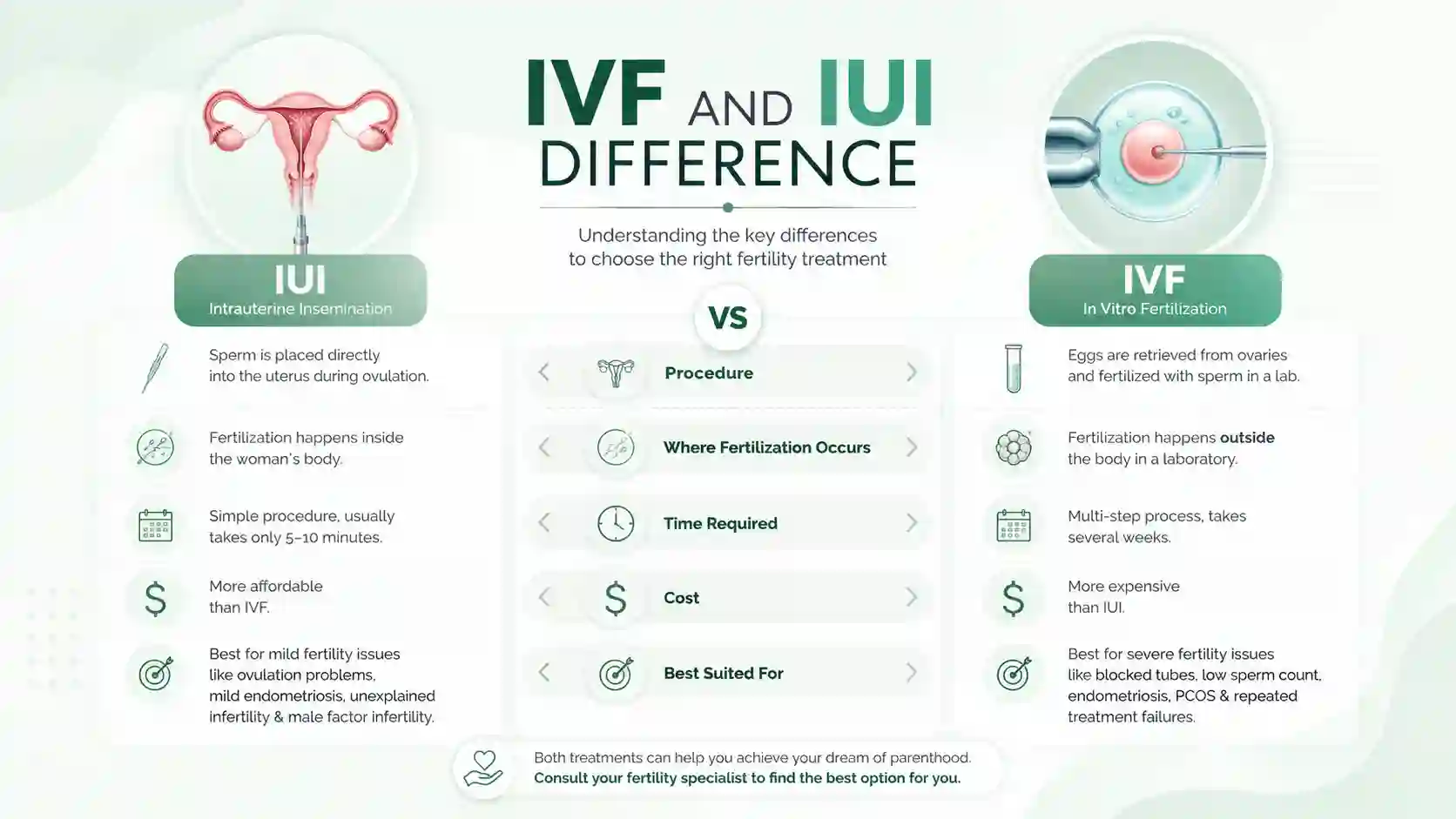
- You are considering IUI or IVF.
- You would like a complete fertility evaluation.
Early assessment can help determine the most appropriate fertility treatment.
Sperm washing for IUI is an essential laboratory step that prepares a semen sample for safe and effective intrauterine insemination. By separating healthy, motile sperm from seminal fluid and other unwanted components, sperm washing helps create a concentrated sample suitable for placement directly into the uterus. Although it cannot overcome every cause of infertility or guarantee pregnancy, it plays a vital role in optimizing the IUI process. Discussing your individual fertility evaluation with a specialist can help you understand how sperm washing fits into your personalized treatment plan.
FAQs About Sperm Washing for IUI
1. What is sperm washing for IUI?
Sperm washing is a laboratory process that separates healthy, motile sperm from seminal fluid and other unwanted components before intrauterine insemination.
2. Why is sperm washing necessary before IUI?
Seminal fluid should not be placed directly into the uterus. Sperm washing prepares a safe, concentrated sperm sample for insemination.
3. How long does sperm washing take?
The laboratory process usually takes about 30 to 90 minutes, depending on the quality of the sample and the preparation method.
4. Does sperm washing increase the chances of pregnancy?
Sperm washing improves the quality of the sample used for IUI, but pregnancy also depends on factors such as age, egg quality, ovulation timing, and overall fertility.
5. Is sperm washing painful?
No. Sperm washing is performed entirely in the laboratory on the semen sample and does not involve any procedure for the patient.
6. Is sperm washing included in the cost of IUI?
Many fertility clinics include sperm washing as part of the IUI package, while others charge separately. Ask your clinic for a detailed cost estimate.
7. Can sperm washing treat severe male infertility?
No. Sperm washing improves sample preparation but cannot correct severe sperm production or genetic problems. Your fertility specialist will recommend the most appropriate treatment based on your fertility evaluation.