If your first intrauterine insemination (IUI) cycle didn’t result in pregnancy, you’re not alone. Many couples wonder whether a second attempt offers better chances of success. Understanding the 2nd IUI success rate can help you set realistic expectations and decide on the next steps in your fertility journey.
The encouraging news is that pregnancy can occur during the second IUI cycle, even if the first attempt was unsuccessful. Fertility specialists often recommend multiple IUI cycles because pregnancy rates can accumulate over time. Your age, fertility diagnosis, sperm quality, and overall reproductive health all influence the 2nd IUI success rate.
What Is the 2nd IUI Success Rate?
The 2nd IUI success rate refers to the likelihood of achieving pregnancy during the second cycle of intrauterine insemination.
Although success varies from person to person, studies suggest that the chance of pregnancy per IUI cycle generally ranges from 10% to 20% for carefully selected patients. Because some pregnancies occur during later cycles, the cumulative chance of pregnancy increases after a second IUI, especially in younger women and those with favorable fertility factors.
Your fertility specialist can provide a more personalized estimate based on your medical history.
Why Is the Second IUI Sometimes More Successful?
Several reasons may explain why pregnancy occurs during a second cycle.
These include:
- Better timing of ovulation
- Adjustments to fertility medications
- Improved monitoring of follicle development
- Optimization of sperm preparation
- Natural variation between menstrual cycles
Sometimes, pregnancy simply requires more than one treatment attempt.
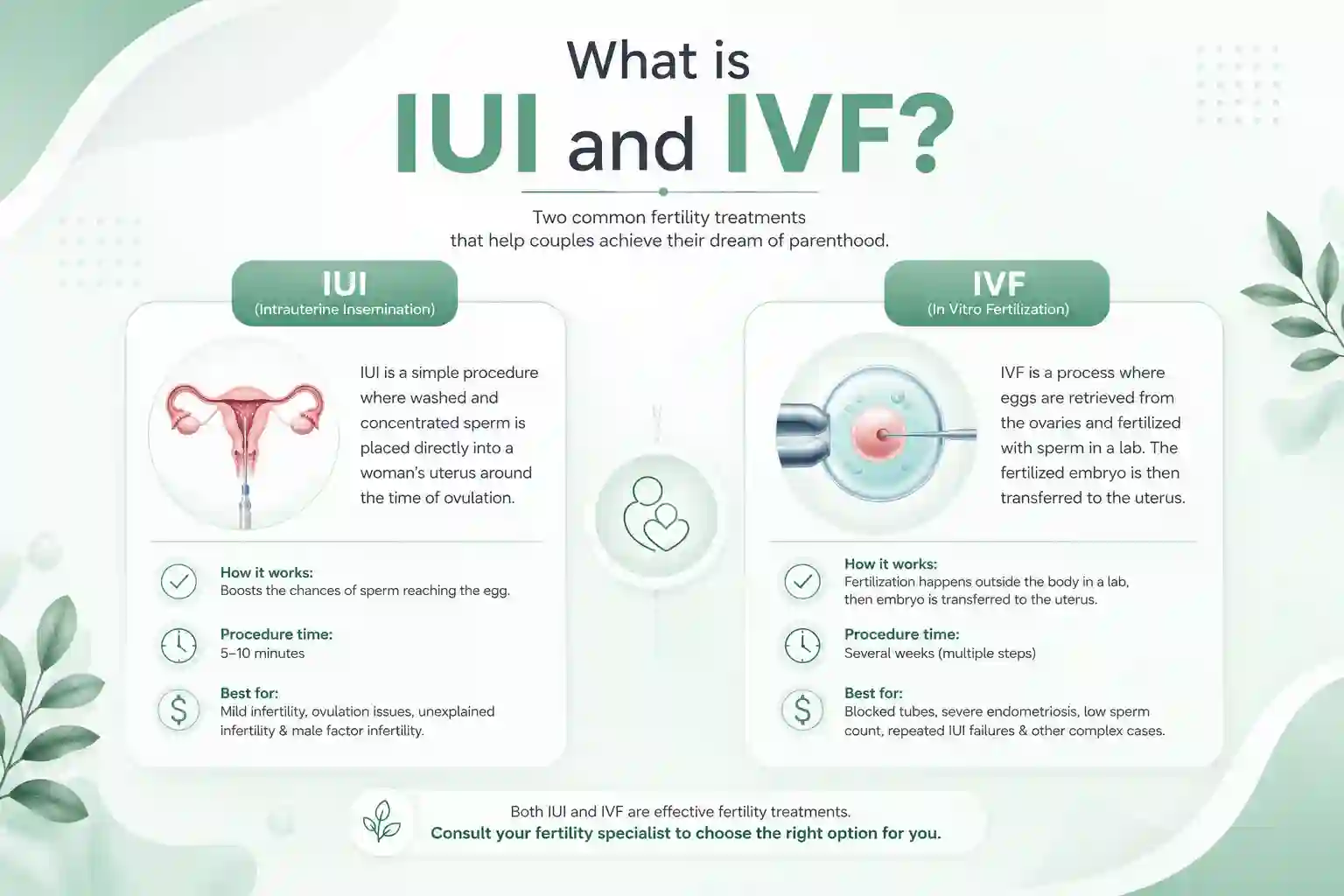
How Does IUI Work?
Step 1: Fertility Assessment
Your fertility specialist reviews your medical history and fertility test results to ensure IUI remains an appropriate treatment.
Step 2: Ovulation Monitoring
Ovulation is monitored naturally or with fertility medications and ultrasound scans.
Step 3: Sperm Washing
The semen sample is processed in the laboratory to concentrate healthy, motile sperm.
Step 4: Insemination
The prepared sperm is placed directly into the uterus using a thin catheter during the fertile window.
Step 5: Pregnancy Testing
A pregnancy test is usually recommended about 14 days after IUI.
What Factors Affect the 2nd IUI Success Rate?
Several important factors influence the likelihood of pregnancy.
Female Age
Age is one of the strongest predictors of IUI success.
Generally:
- Women under 35 tend to have higher pregnancy rates.
- Success gradually declines after age 35.
- Egg quality decreases more significantly after age 40.
Cause of Infertility
The underlying fertility diagnosis plays a major role.
IUI is often more successful in cases of:
- Unexplained infertility
- Mild male factor infertility
- Ovulation disorders
- Cervical factor infertility
Success may be lower in severe male infertility, advanced endometriosis, or blocked fallopian tubes.
Sperm Quality
Healthy sperm count, motility, and morphology improve the likelihood of fertilization.
Ovulation Timing
Proper timing between ovulation and insemination is critical for success.
Number of Mature Follicles
In medicated cycles, developing an appropriate number of mature follicles may improve pregnancy chances while balancing the risk of multiple pregnancy.
Benefits of Trying a Second IUI Cycle
A second IUI cycle may offer several advantages.
Benefits include:
- Increased cumulative pregnancy chances
- Opportunity to optimize medication protocols
- Better understanding of your response to treatment
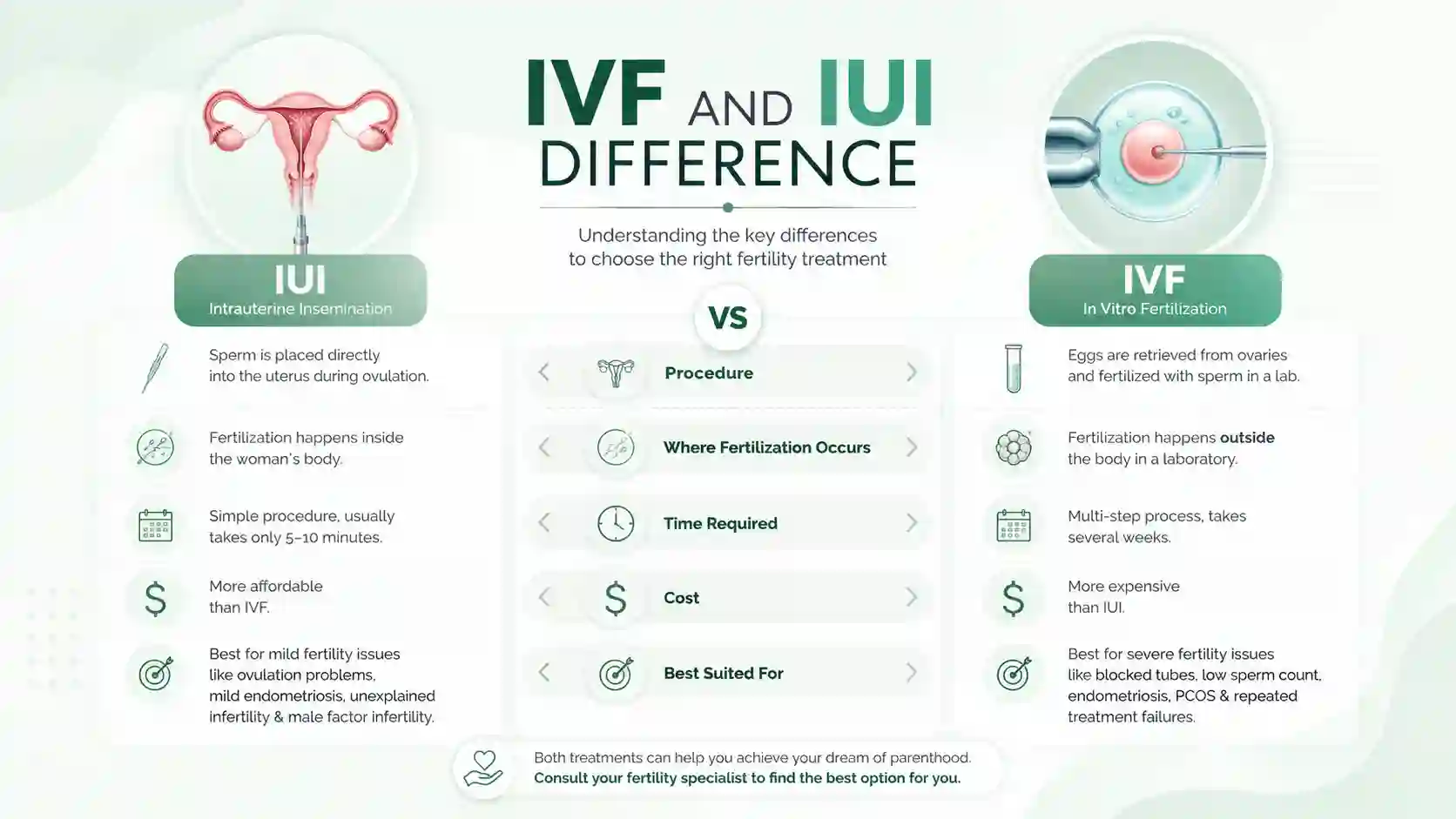
- Less invasive than IVF
- Lower treatment cost compared with IVF
Many fertility specialists recommend more than one IUI cycle before considering other treatments, depending on the patient’s age and fertility diagnosis.
Risks, Side Effects, or Limitations
The risks of a second IUI are similar to those of the first cycle.
Possible side effects include:
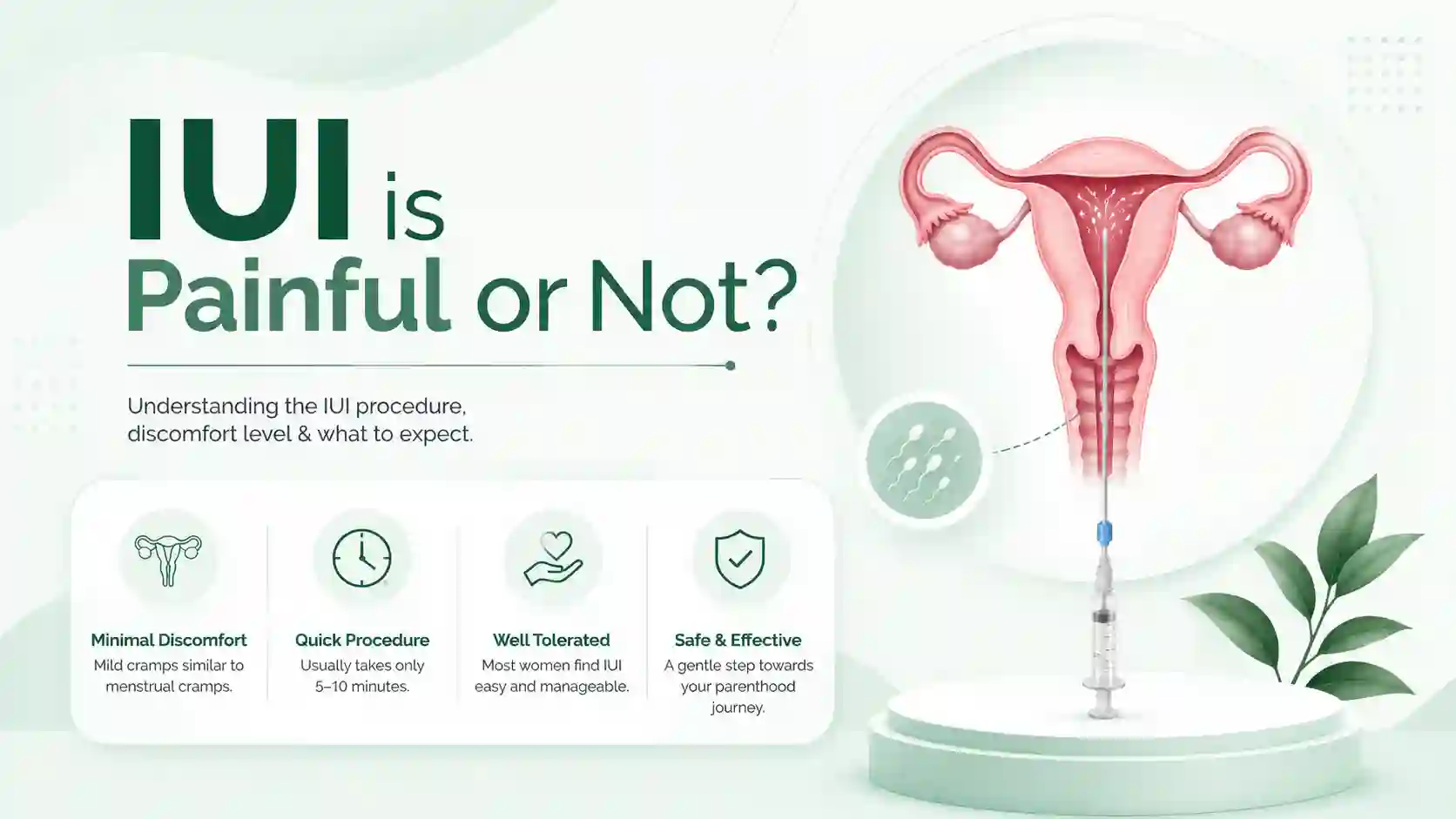
- Mild cramping
- Light spotting
- Temporary bloating
- Breast tenderness from fertility medications
Potential limitations include:
- No guarantee of pregnancy
- Lower success with increasing maternal age
- Reduced effectiveness in certain fertility conditions
Your fertility specialist will discuss whether continuing IUI or moving to IVF is appropriate if pregnancy does not occur.
Emotional & Patient Perspective
Experiencing a negative pregnancy test after the first IUI can be emotionally difficult.
Many patients feel:
- Disappointed
- Frustrated
- Hopeful about another opportunity
- Anxious before the second cycle
It’s important to remember that one unsuccessful IUI does not predict the outcome of the second cycle. Many pregnancies occur after the second or third attempt.
Talking openly with your fertility team and seeking emotional support from loved ones can make the journey more manageable.
Tips to Improve Your Chances During a Second IUI
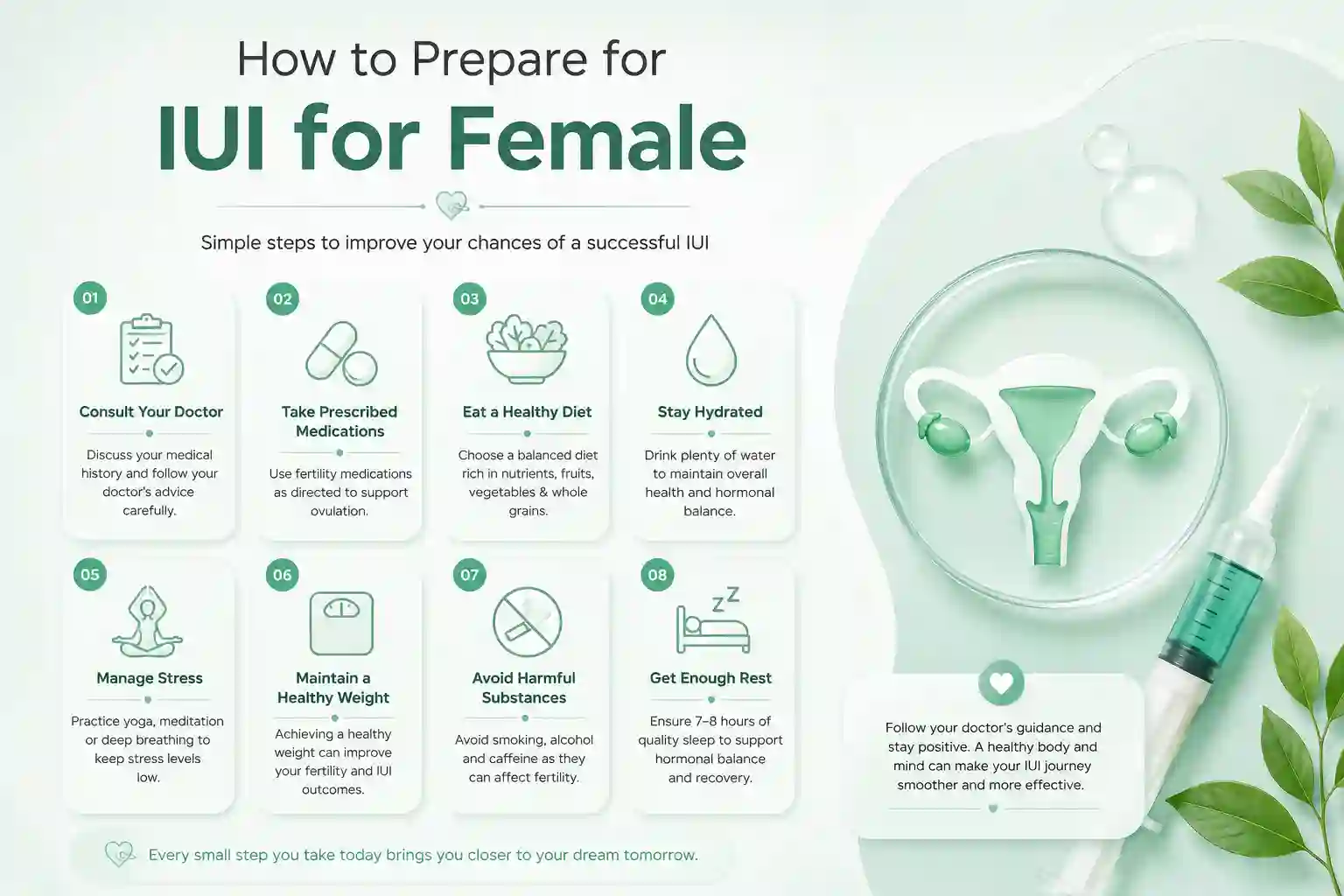
Although no method can guarantee pregnancy, these healthy habits may support fertility:
- Follow your medication schedule exactly.
- Attend all monitoring appointments.
- Maintain a healthy weight.
- Eat a balanced diet rich in fruits, vegetables, whole grains, and lean protein.
- Avoid smoking and recreational drugs.
- Limit alcohol and excessive caffeine.
- Get regular sleep and moderate physical activity.
- Manage stress through relaxation techniques or counseling if needed.
Your fertility specialist may also adjust your treatment plan based on your first cycle’s response.
When to See a Fertility Specialist
Arrange a follow-up appointment if:
- Your first IUI cycle was unsuccessful.
- You want to discuss the expected 2nd IUI success rate.
- You have questions about medication changes.
- You are considering additional IUI cycles or IVF.
- You experience unusual symptoms after treatment.
A personalized review can help determine the most appropriate next step.
The 2nd IUI success rate can be encouraging for many patients, especially when treatment is carefully tailored to their individual fertility needs. While pregnancy rates per cycle vary, the overall likelihood of conception increases with multiple well-timed IUI attempts in suitable candidates. Factors such as age, egg quality, sperm quality, ovulation timing, and the underlying cause of infertility all influence the outcome. Working closely with your fertility specialist and maintaining healthy lifestyle habits can help you make informed decisions as you continue your fertility journey.
FAQs About 2nd IUI Success Rate
1. Is the second IUI more successful than the first?
It can be. Some patients conceive during their second cycle because treatment timing or medication protocols are optimized, while others may simply benefit from another opportunity.
2. What is the average 2nd IUI success rate?
Pregnancy rates per IUI cycle are generally around 10% to 20% for appropriately selected patients, although individual results vary.
3. Should I try a second IUI after one failed cycle?
For many patients, yes. Fertility specialists often recommend multiple IUI cycles before considering IVF, depending on age and the underlying fertility diagnosis.
4. Does age affect the 2nd IUI success rate?
Yes. Younger women generally have higher success rates because egg quality and ovarian reserve are typically better.
5. Can medication changes improve success during a second IUI?
Yes. Your fertility specialist may adjust medications, monitoring, or timing based on how you responded during the first cycle.
6. How many IUI cycles are usually recommended?
Many fertility specialists recommend three to four IUI cycles for suitable candidates before discussing alternative treatments such as IVF, although recommendations vary by individual circumstances.
7. When should IVF be considered instead of another IUI?
IVF may be recommended if several IUI cycles have been unsuccessful or if there are factors such as blocked fallopian tubes, severe male factor infertility, diminished ovarian reserve, or advanced maternal age.