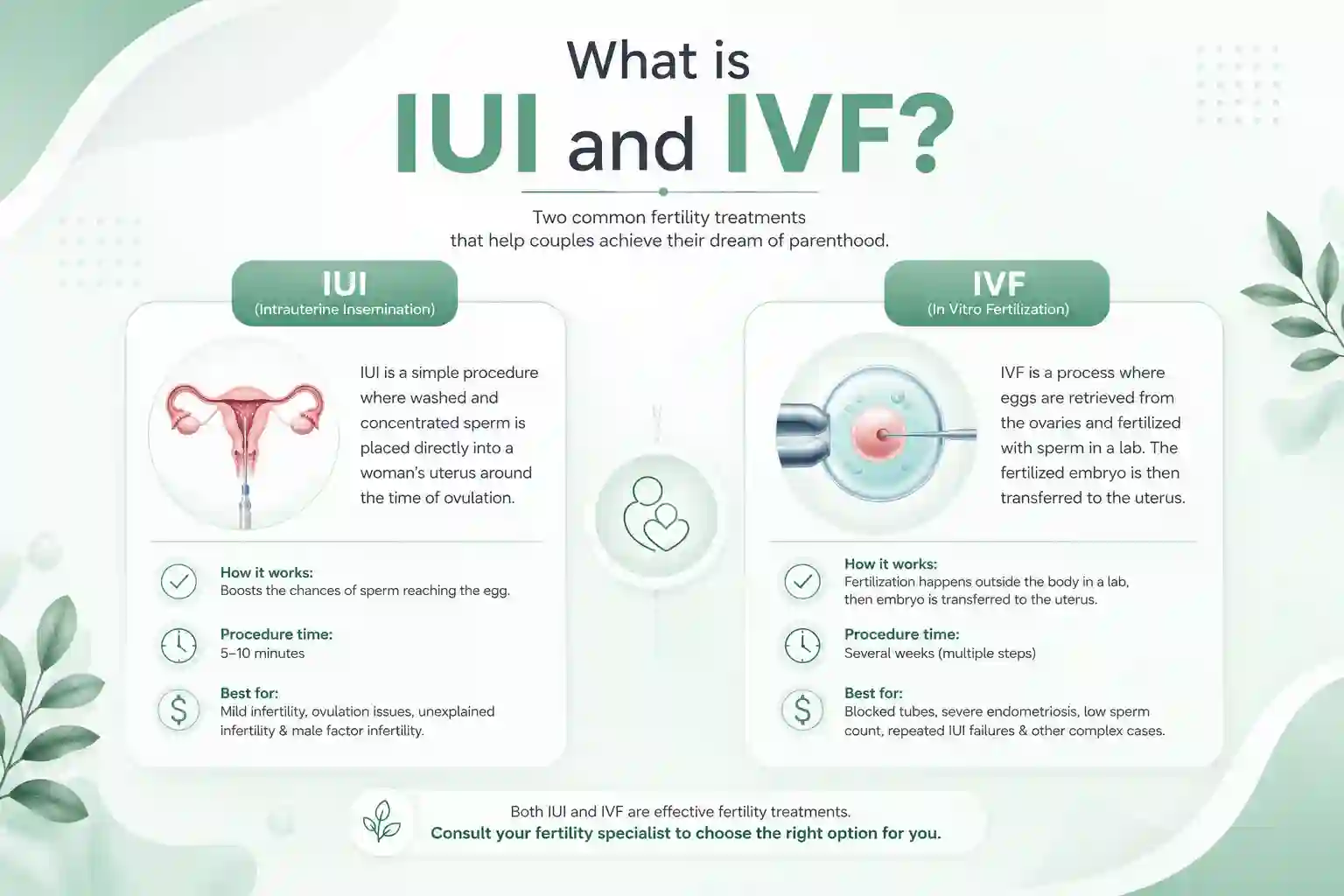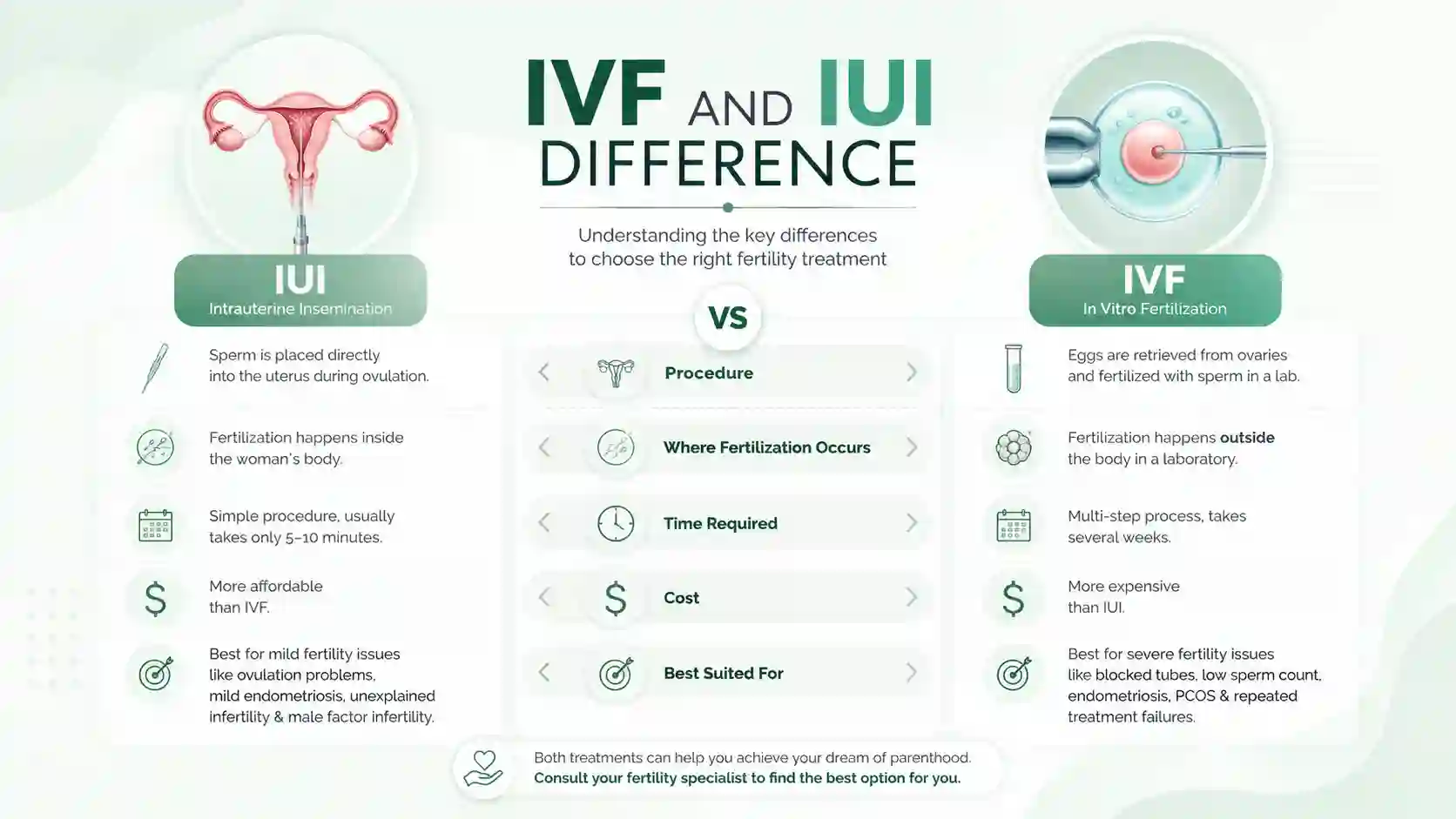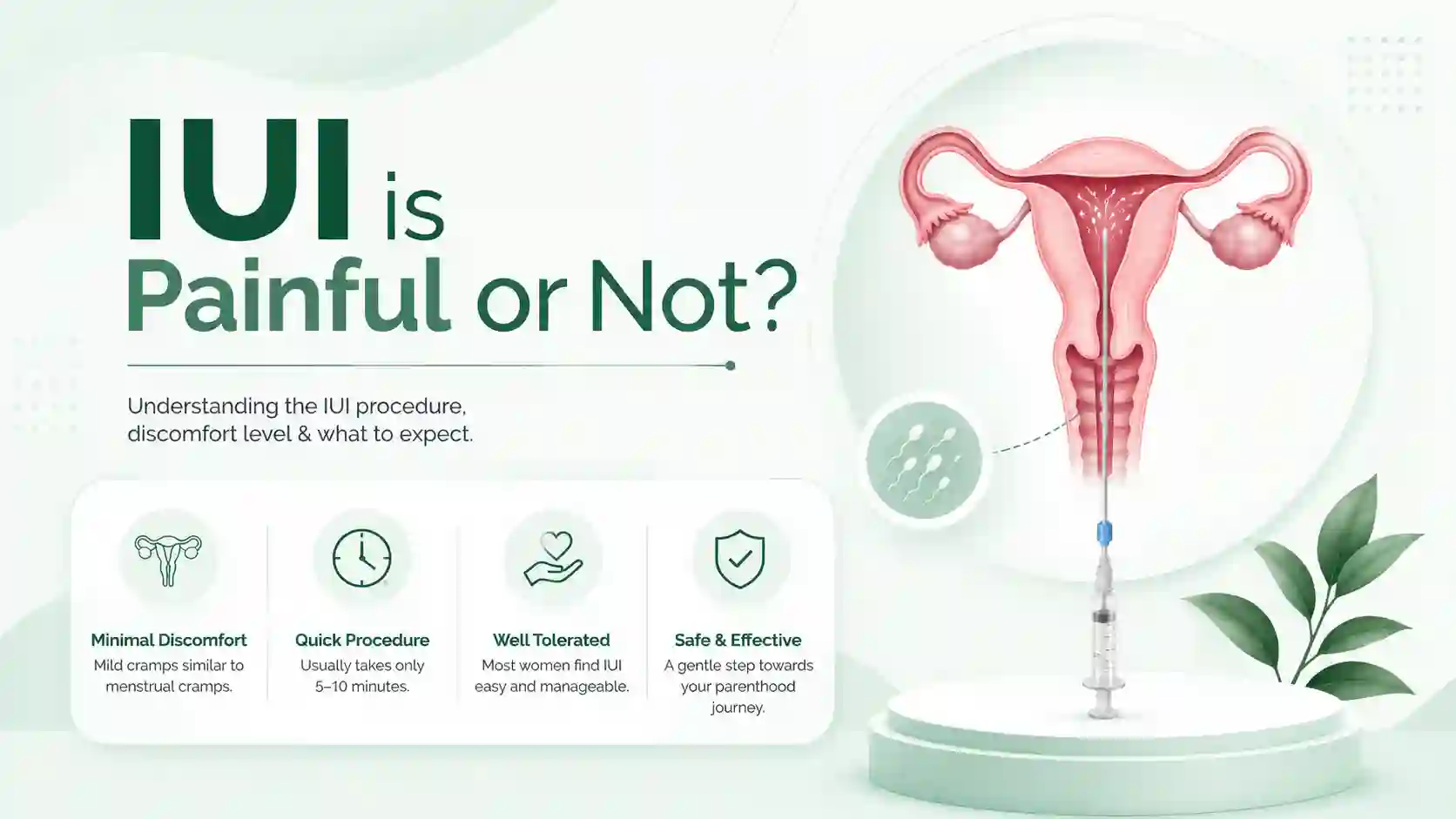
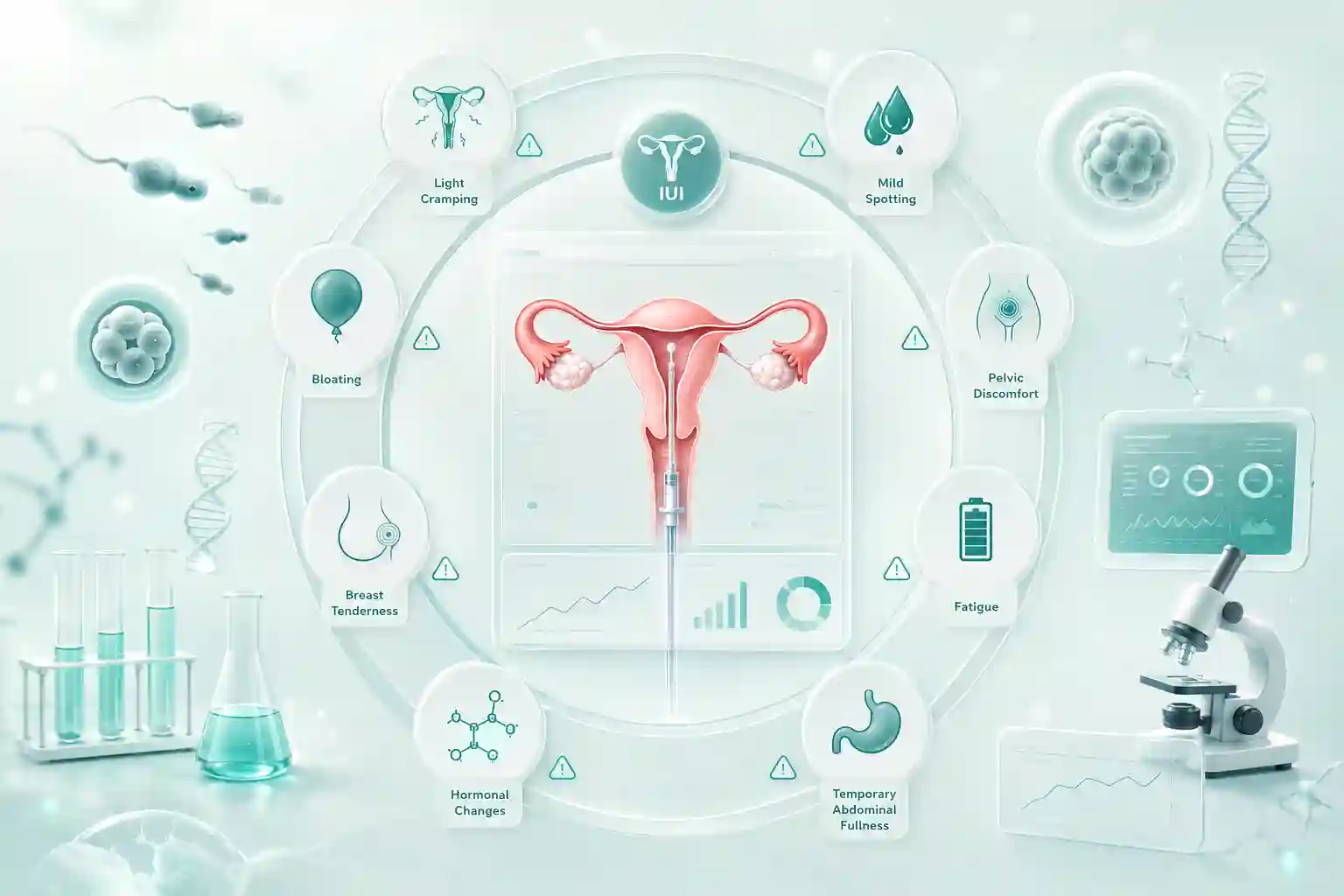
Intrauterine insemination (IUI) is a widely used fertility treatment that helps improve the chances of pregnancy by placing specially prepared sperm directly into the uterus during ovulation. It is considered a safe, minimally invasive procedure, and most people experience little or no discomfort. However, understanding IUI side effects can help you feel more prepared and confident throughout your treatment.
The majority of IUI side effects are mild, temporary, and resolve without treatment. Some symptoms are caused by the procedure itself, while others are related to fertility medications used during the treatment cycle. This guide explains the common side effects, potential risks, recovery tips, and when you should contact your fertility specialist.
What Are IUI Side Effects?
IUI side effects are physical or hormonal changes that may occur after the insemination procedure or as a result of fertility medications.
They may include:
- Mild cramping
- Light spotting
- Bloating
- Breast tenderness
- Fatigue
- Mild pelvic discomfort
- Mood changes
Most symptoms improve within a few hours to a few days.
Why Is It Important to Understand IUI Side Effects?
Knowing what to expect after IUI can help you:
- Reduce unnecessary anxiety.
- Understand what is considered normal.
- Recognize warning signs that need medical attention.
- Follow your treatment plan with confidence.
- Prepare for the two-week wait before pregnancy testing.
Most patients recover quickly and resume normal daily activities on the same day.
How Does IUI Work?
Step 1: Ovulation Monitoring
Your fertility specialist tracks ovulation naturally or with fertility medications.
Step 2: Sperm Preparation
The semen sample undergoes sperm washing to separate healthy, motile sperm.
Step 3: Insemination
A thin catheter is used to place the prepared sperm directly into the uterus.
Step 4: Recovery
After a brief rest, most patients can return home and continue normal daily activities.
Step 5: Pregnancy Test
A pregnancy test is usually recommended about 14 days after IUI.
Common IUI Side Effects
Mild Cramping
Mild lower abdominal cramping is one of the most common side effects after IUI.
It usually:
- Begins shortly after the procedure
- Feels similar to mild menstrual cramps
- Resolves within a few hours or a day
Light Spotting
A small amount of spotting may occur because the catheter passes through the cervix.
This is usually mild and temporary.
Bloating
Progesterone supplements and fertility medications may cause bloating during the two-week wait.
Breast Tenderness
Hormonal medications can make the breasts feel swollen or tender.
Fatigue
Some patients feel more tired than usual due to hormonal changes or fertility medications.
Mild Pelvic Discomfort
Temporary pelvic pressure or discomfort is common and generally resolves quickly.
Mood Changes
Hormonal fluctuations during fertility treatment may contribute to mood swings or increased emotional sensitivity.
Side Effects of Fertility Medications
If fertility medications are part of your IUI cycle, you may also experience:
- Headache
- Hot flashes
- Nausea
- Mood changes
- Breast tenderness
- Ovarian tenderness
- Mild abdominal bloating
Not everyone experiences these symptoms, and they are usually temporary.
Rare Risks of IUI
Although IUI is considered very safe, rare complications can occur.
Infection
Infection following IUI is uncommon.
Possible symptoms include:
- Fever
- Severe pelvic pain
- Foul-smelling vaginal discharge
Multiple Pregnancy
When fertility medications stimulate the release of more than one egg, the chance of twins or higher-order multiple pregnancies increases.
Ovarian Hyperstimulation Syndrome (OHSS)
Patients using ovarian stimulation medications have a small risk of developing OHSS.
Symptoms may include:
- Significant abdominal swelling
- Severe abdominal pain
- Rapid weight gain
- Persistent nausea or vomiting
- Shortness of breath
Seek prompt medical care if these symptoms occur.
Benefits of Understanding IUI Side Effects
Learning about IUI side effects can help you:
- Recover with greater confidence.
- Reduce unnecessary worry.
- Distinguish normal symptoms from warning signs.
- Follow your fertility specialist’s recommendations.
- Feel better prepared during the two-week wait.
Factors Affecting IUI Side Effects
Several factors influence how you may feel after IUI.
Fertility Medications
Patients receiving ovarian stimulation medications often experience more noticeable symptoms than those undergoing natural-cycle IUI.
Hormonal Response
Each person’s hormonal response is unique.
Number of Mature Follicles
Developing multiple follicles may increase bloating or pelvic discomfort.
Individual Health
Your medical history and overall health may affect recovery after treatment.
Emotional & Patient Perspective
The days following IUI can be emotionally challenging.
Many patients experience:
- Hope
- Anxiety
- Excitement
- Frequent symptom checking
- Fear of treatment failure
It’s important to remember that IUI side effects often resemble early pregnancy symptoms. Mild cramping, bloating, fatigue, or breast tenderness can occur because of fertility medications and do not necessarily indicate pregnancy.
Similarly, having no symptoms does not mean the treatment has failed.
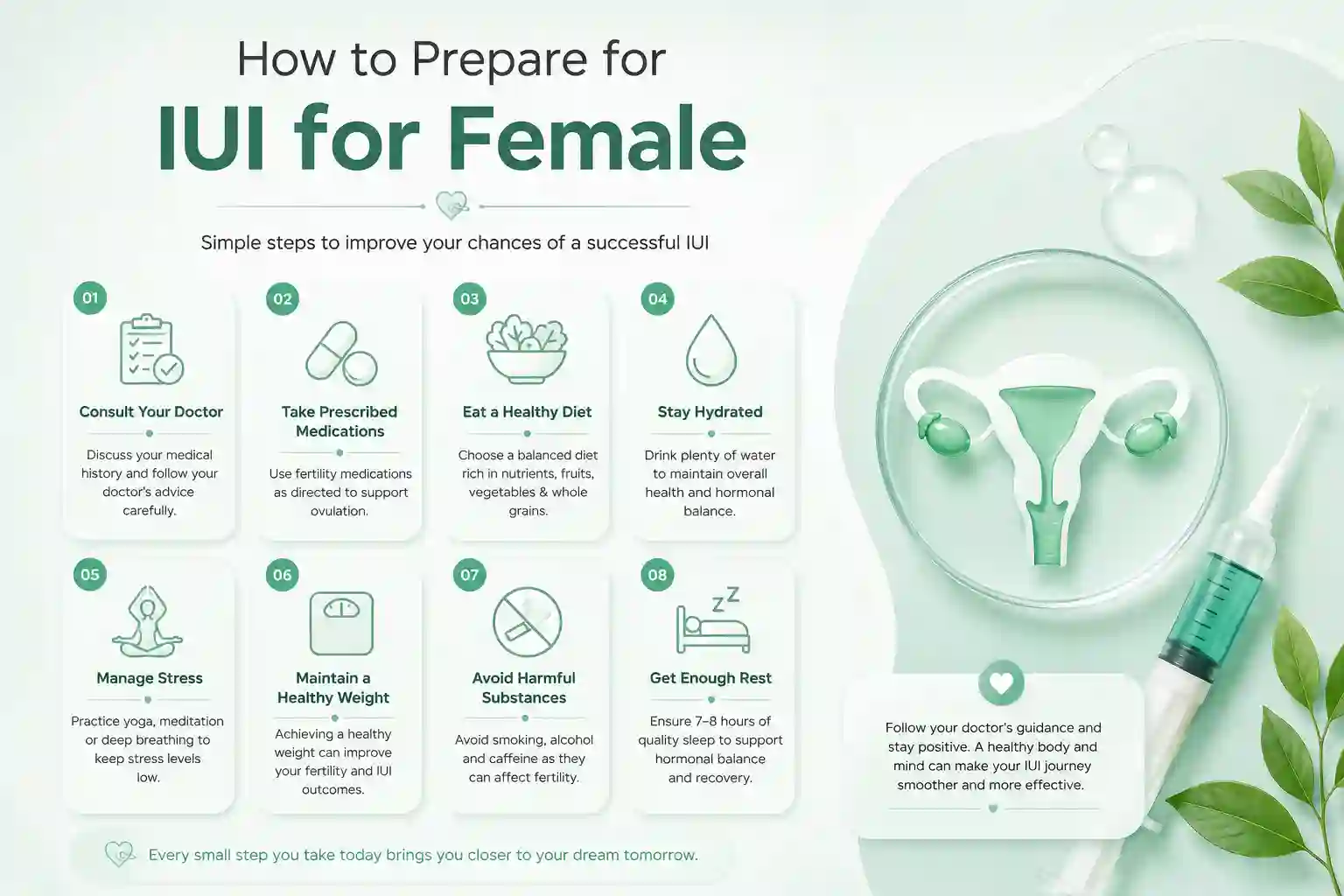
Tips for Recovery After IUI
To support your recovery:
- Take prescribed medications exactly as directed.
- Stay well hydrated.
- Eat nutritious, balanced meals.
- Get 7–9 hours of sleep each night.
- Continue light daily activities.
- Avoid smoking and alcohol.
- Avoid taking an early pregnancy test unless advised by your fertility specialist.
- Contact your fertility clinic if concerning symptoms develop.
When to See a Fertility Specialist
Contact your fertility specialist immediately if you experience:
- Severe abdominal or pelvic pain
- Heavy vaginal bleeding
- Fever
- Persistent vomiting
- Difficulty breathing
- Significant abdominal swelling
- Foul-smelling vaginal discharge
These symptoms are uncommon after IUI and require prompt medical evaluation.
Most IUI side effects are mild, temporary, and resolve without treatment. Common symptoms include mild cramping, light spotting, bloating, breast tenderness, fatigue, and temporary pelvic discomfort. Fertility medications may also cause hormonal side effects that resemble early pregnancy symptoms. Serious complications are uncommon, but it’s important to seek medical attention if you develop severe pain, heavy bleeding, fever, or significant abdominal swelling. Following your fertility specialist’s instructions and maintaining healthy lifestyle habits can help you recover comfortably while waiting for your pregnancy test.
FAQs About IUI Side Effects
1. What are the most common IUI side effects?
The most common IUI side effects include mild cramping, light spotting, bloating, breast tenderness, fatigue, and temporary pelvic discomfort.
2. How long do IUI side effects last?
Most side effects improve within a few hours to a few days, although medication-related symptoms may continue during the two-week wait.
3. Is cramping normal after IUI?
Yes. Mild cramping is one of the most common side effects after IUI and usually resolves on its own.
4. Can fertility medications cause side effects?
Yes. Fertility medications may cause bloating, breast tenderness, headache, nausea, hot flashes, mood changes, and ovarian tenderness.
5. Is spotting after IUI normal?
Yes. Light spotting may occur after the catheter passes through the cervix and is usually temporary.
6. Are serious complications after IUI common?
No. Serious complications such as infection or ovarian hyperstimulation syndrome (OHSS) are uncommon but require prompt medical evaluation.
7. When should I contact my fertility clinic after IUI?
Seek medical attention if you develop severe abdominal pain, heavy vaginal bleeding, fever, persistent vomiting, significant abdominal swelling, difficulty breathing, or foul-smelling vaginal discharge.