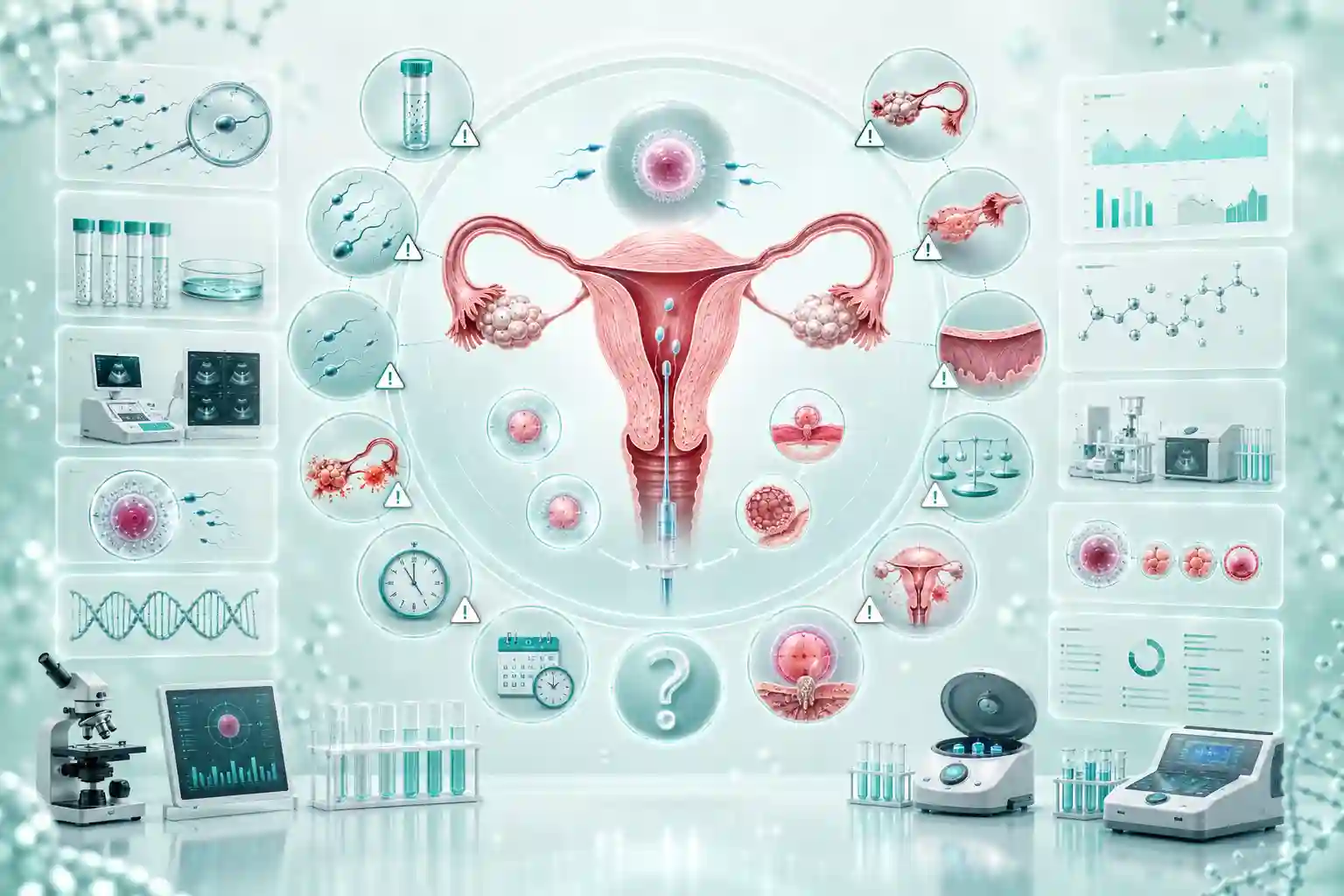
Intrauterine insemination (IUI) is one of the most commonly performed fertility treatments and is generally considered safe, minimally invasive, and well tolerated. Although most people experience little or no discomfort, it’s normal to have questions about IUI treatment side effects before beginning treatment.
Most side effects are mild and temporary, lasting only a few hours or days after the procedure. In some cases, fertility medications used during the treatment cycle may cause additional symptoms. Understanding IUI treatment side effects can help you know what is considered normal, when symptoms are expected, and when you should contact your fertility specialist.
What Are the Side Effects of IUI Treatment?
IUI treatment side effects may result from:
- The insemination procedure
- Fertility medications
- Ovulation trigger injections
- Hormonal changes
- Early pregnancy, if conception occurs
Most patients recover quickly and return to their usual daily activities shortly after the procedure.
Why Is It Important to Know About IUI Treatment Side Effects?
Knowing what to expect can help you:
- Feel more prepared before treatment.
- Reduce unnecessary anxiety.
- Recognize normal recovery symptoms.
- Identify warning signs that require medical attention.
- Follow your fertility specialist’s instructions with confidence.
Understanding normal side effects can also prevent unnecessary concern during the two-week wait.
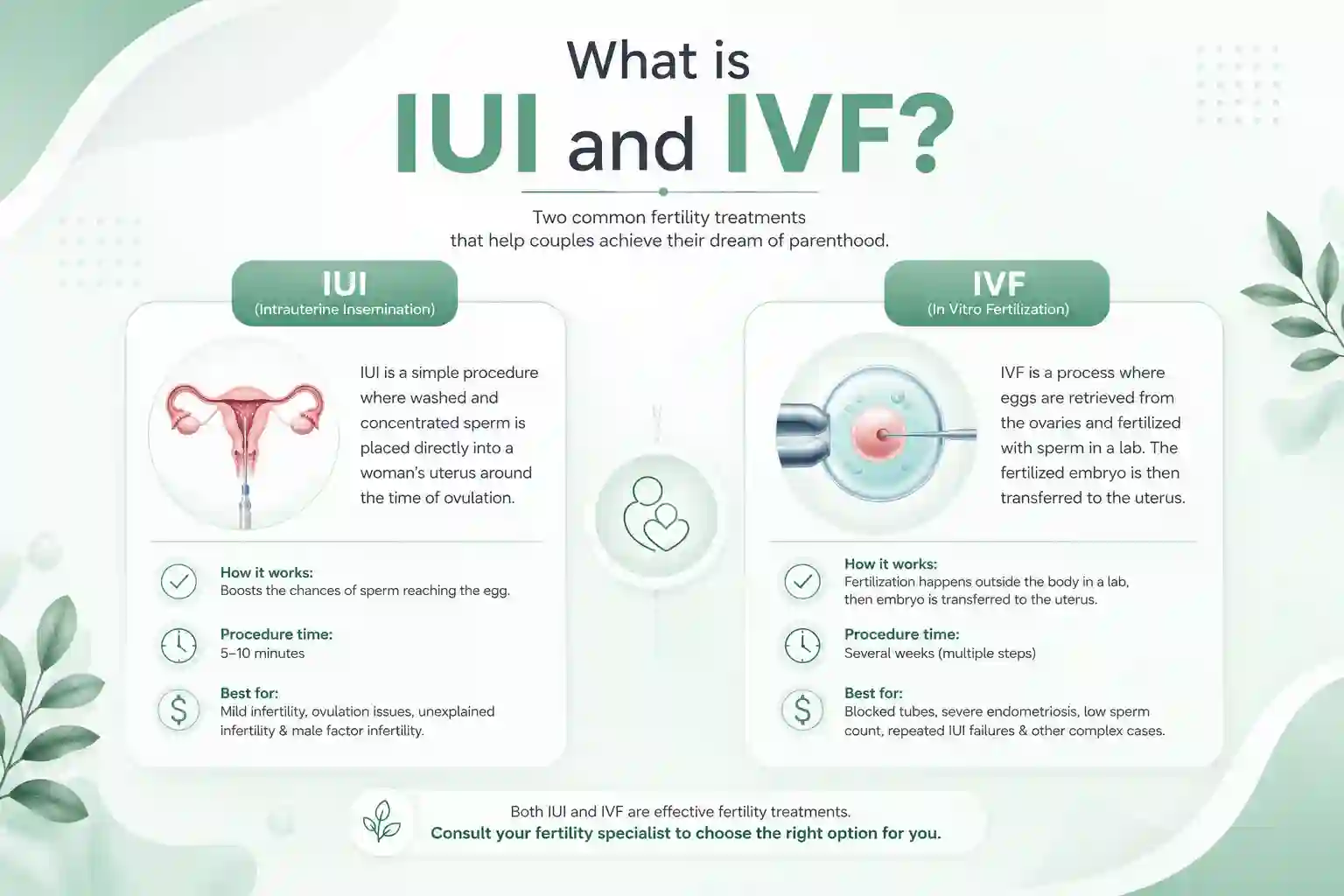
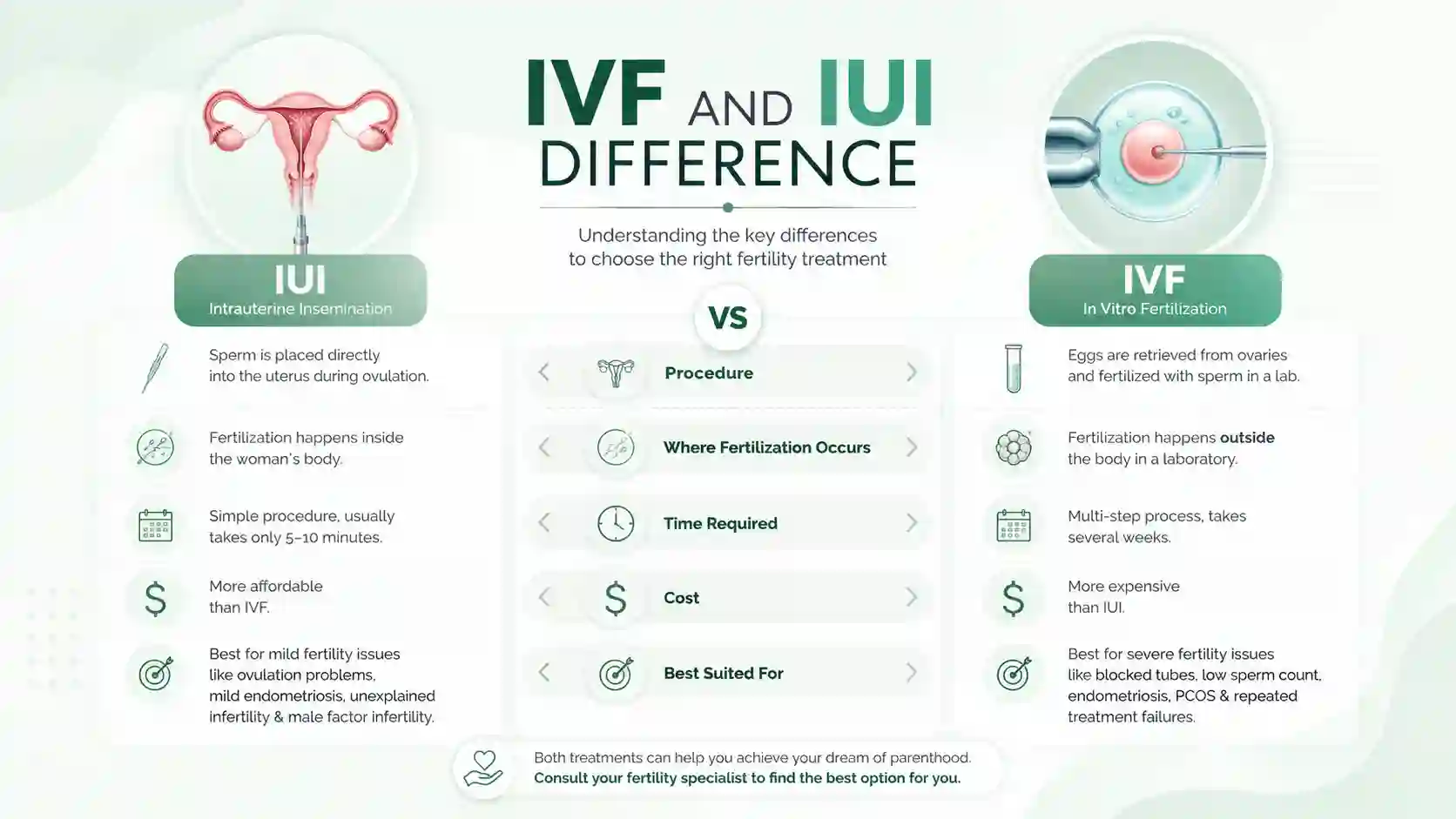
How Does IUI Treatment Work?
Step 1: Ovulation Monitoring
Your fertility specialist tracks ovulation naturally or with fertility medications.
Step 2: Sperm Preparation
A semen sample is processed through sperm washing to concentrate healthy, motile sperm.
Step 3: Insemination
A thin, flexible catheter is used to place the prepared sperm directly into the uterus.
Step 4: Recovery
Most patients rest briefly before returning home and resuming normal activities.
Step 5: Pregnancy Test
A pregnancy test is usually performed about 14 days after IUI.
Common IUI Treatment Side Effects
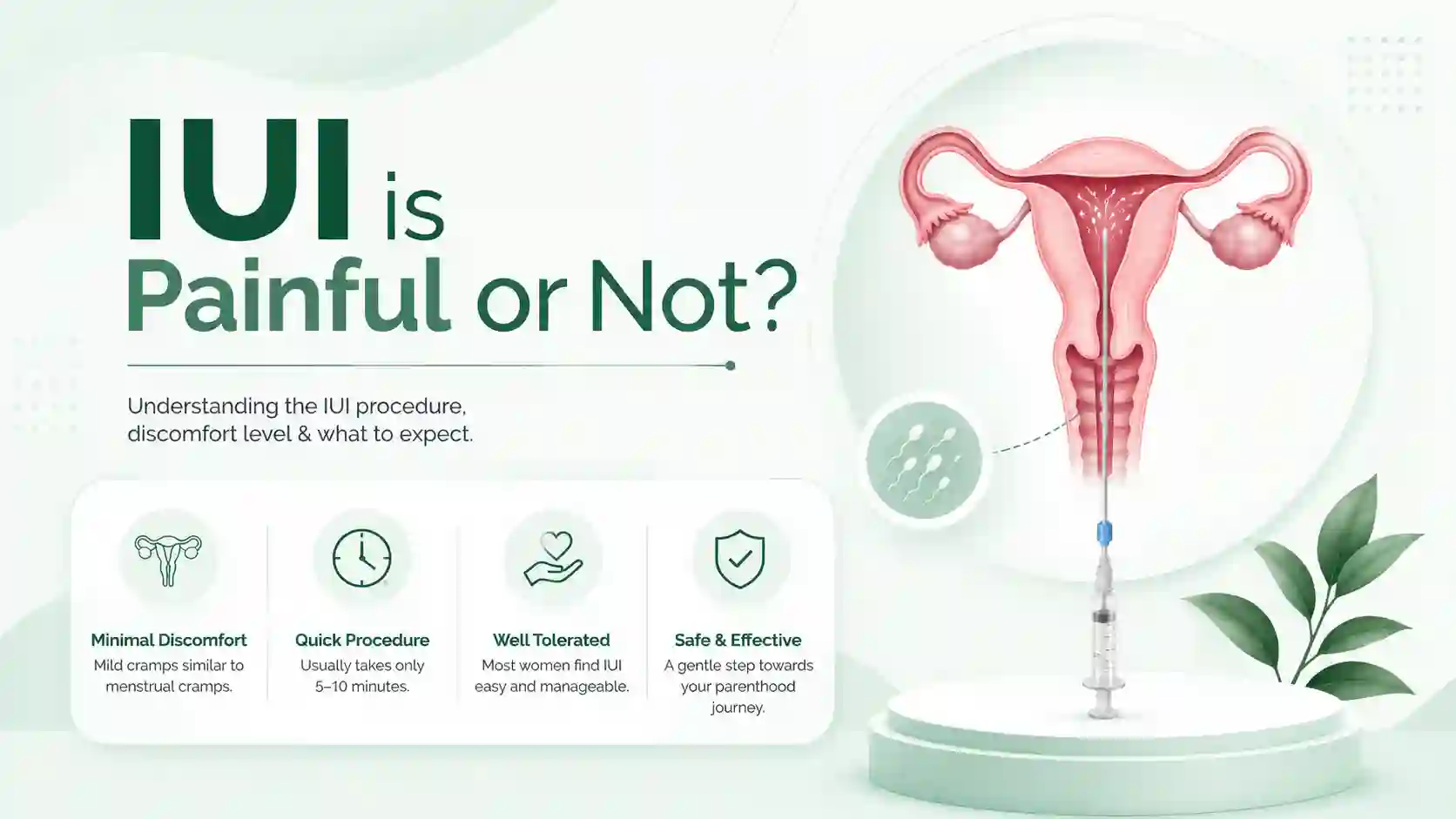
Mild Cramping
Mild lower abdominal cramping is one of the most common side effects after IUI.
It usually:
- Occurs immediately after the procedure
- Is mild in intensity
- Improves within a few hours or a day
Light Spotting
A small amount of spotting may occur because the catheter passes through the cervix.
This usually resolves quickly and is not typically a cause for concern.
Bloating
Some patients experience bloating, particularly if fertility medications are used.
Breast Tenderness
Hormonal medications, especially progesterone supplements, may cause sore or tender breasts.
Fatigue
Feeling tired after IUI is common and may be related to hormonal changes or fertility medications.
Mild Pelvic Discomfort
Some women notice temporary pelvic pressure or discomfort that improves within a short time.
Mood Changes
Hormonal fluctuations during fertility treatment may contribute to mood swings or emotional sensitivity.
Side Effects of Fertility Medications
If your IUI cycle includes fertility medications, additional side effects may include:
- Headache
- Hot flashes
- Nausea
- Mood changes
- Bloating
- Ovarian tenderness
- Breast tenderness
Not everyone experiences these symptoms.
Rare Risks of IUI Treatment
Although uncommon, IUI treatment carries some risks.
Infection
A uterine infection after IUI is rare but possible.
Symptoms may include:
- Fever
- Severe pelvic pain
- Foul-smelling vaginal discharge
Multiple Pregnancy
If fertility medications stimulate more than one egg, the chance of twins or higher-order multiple pregnancy increases.
Ovarian Hyperstimulation Syndrome (OHSS)
OHSS is an uncommon complication associated with ovarian stimulation medications.
Symptoms may include:
- Significant abdominal swelling
- Severe abdominal pain
- Rapid weight gain
- Shortness of breath
- Persistent nausea or vomiting
Immediate medical evaluation is important if these symptoms occur.
Benefits of Understanding IUI Treatment Side Effects
Knowing what is normal after IUI can help you:
- Recover with confidence.
- Reduce unnecessary worry.
- Follow your treatment plan correctly.
- Recognize symptoms that require medical care.
- Prepare for the two-week wait.
Factors Affecting IUI Side Effects
Several factors influence the type and severity of symptoms.
Fertility Medications
Stimulated cycles often produce more noticeable symptoms than natural cycles.
Individual Hormonal Response
Each person’s body responds differently to hormonal changes.
Number of Developing Follicles
Patients with multiple mature follicles may experience more pelvic fullness or bloating.
Overall Health
General health and medical history can influence recovery after IUI.
Emotional & Patient Perspective
It’s common to analyze every symptom after IUI, hoping it signals pregnancy.
Many patients experience:
- Excitement
- Anxiety
- Frequent symptom checking
- Emotional ups and downs during the two-week wait
Remember that IUI treatment side effects and early pregnancy symptoms often overlap. Mild cramping, bloating, fatigue, or breast tenderness can result from fertility medications rather than pregnancy.
Try to avoid interpreting every symptom as a sign of success or failure.
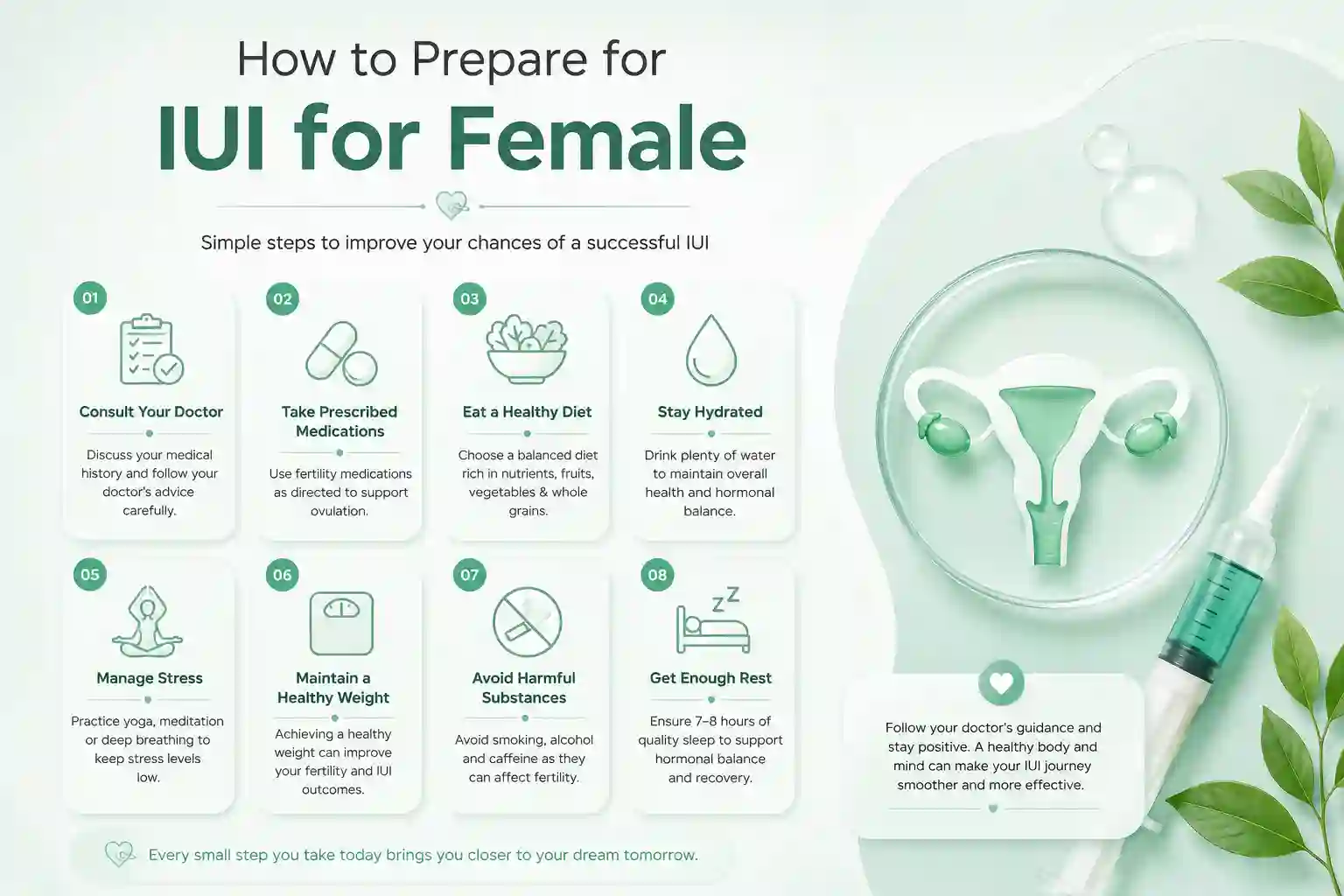
Tips for Recovery After IUI
After your procedure:
- Take medications exactly as prescribed.
- Stay hydrated.
- Eat balanced, nutritious meals.
- Get enough sleep.
- Continue light daily activities.
- Avoid smoking and alcohol.
- Wait until the recommended pregnancy testing day.
- Contact your fertility clinic if concerning symptoms develop.
Most patients can return to work and normal activities the same day.
When to See a Fertility Specialist
Contact your fertility specialist immediately if you experience:
- Severe abdominal or pelvic pain
- Heavy vaginal bleeding
- Fever
- Persistent vomiting
- Difficulty breathing
- Significant abdominal swelling
- Foul-smelling vaginal discharge
These symptoms require prompt medical evaluation.
Most IUI treatment side effects are mild, temporary, and resolve without treatment. Common symptoms include light cramping, mild spotting, bloating, breast tenderness, fatigue, and temporary pelvic discomfort. When fertility medications are used, additional hormonal side effects may occur. Serious complications are uncommon but should be evaluated promptly if severe symptoms develop. Understanding what to expect after IUI can help reduce anxiety, support recovery, and allow you to focus on following your fertility specialist’s guidance throughout the two-week wait.
FAQs About IUI Treatment Side Effects
1. What are the most common IUI treatment side effects?
The most common side effects include mild cramping, light spotting, bloating, breast tenderness, fatigue, and temporary pelvic discomfort.
2. How long do IUI side effects last?
Most side effects improve within a few hours to a few days after the procedure, although medication-related symptoms may continue during the two-week wait.
3. Is cramping normal after IUI?
Yes. Mild cramping is common after IUI and usually resolves without treatment.
4. Can fertility medications cause side effects?
Yes. Fertility medications may cause bloating, breast tenderness, headache, mood changes, hot flashes, nausea, and ovarian tenderness.
5. Is spotting after IUI normal?
Yes. Light spotting can occur after the catheter passes through the cervix and is usually temporary.
6. Are serious complications after IUI common?
No. Serious complications such as infection or ovarian hyperstimulation syndrome are uncommon, but they require prompt medical attention if they occur.
7. When should I contact my fertility clinic after IUI?
Seek medical advice if you develop severe abdominal pain, heavy bleeding, fever, persistent vomiting, significant abdominal swelling, difficulty breathing, or foul-smelling vaginal discharge.