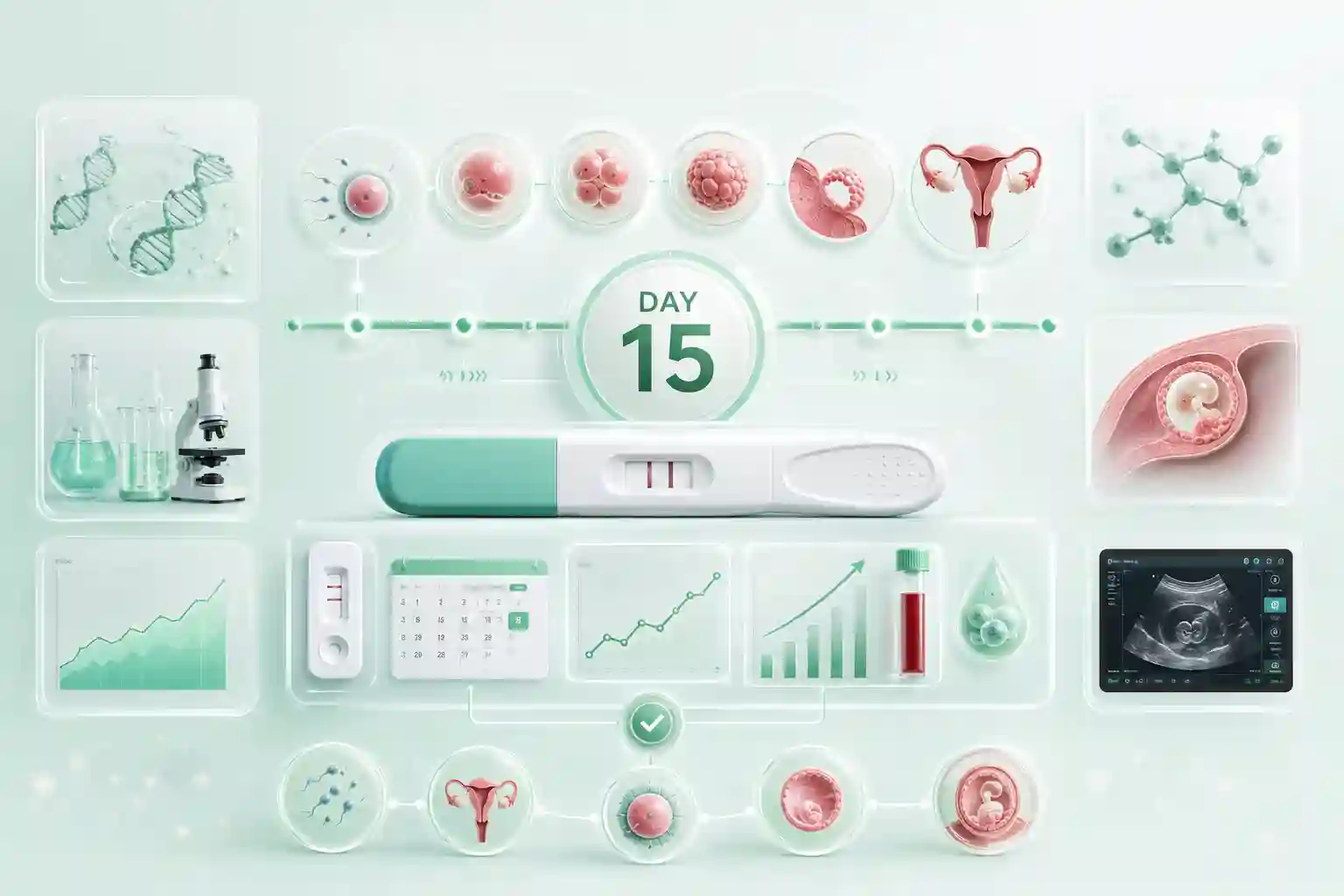
For anyone undergoing fertility treatment, the time between the procedure and the official results is famously the hardest part of the journey. Often referred to as the “two-week wait,” this period is filled with anxiety, hope, and the intense temptation to take an early home test. However, fertility specialists universally recommend taking an IUI pregnancy test after 15 days to ensure the most accurate, reliable result.
Testing too early can lead to emotional whiplash, providing false positives from fertility medications or false negatives before your body has had the chance to produce enough pregnancy hormones.
This guide breaks down exactly what happens in your body during those crucial two weeks, why timing matters so much, and how to navigate the wait with confidence.
Understanding the IUI Pregnancy Test After 15 Days
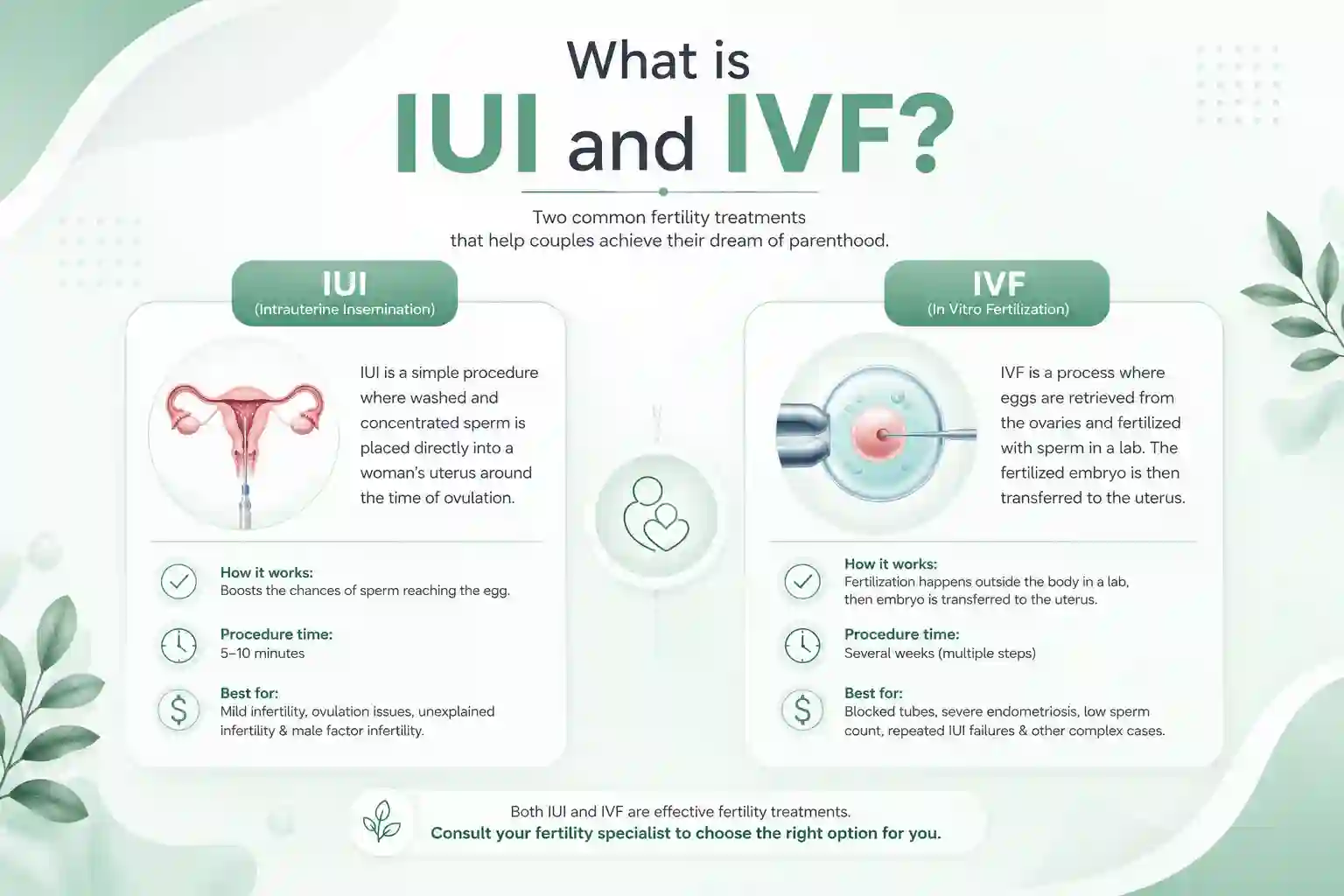
When you undergo an Intrauterine Insemination (IUI) cycle, timing is everything. The procedure is meticulously scheduled around your ovulation window. If the insemination is successful, the sperm fertilizes the egg, and the resulting embryo travels down the fallopian tube to implant in the uterine lining.
Taking an IUI pregnancy test after 15 days simply refers to the standard medical protocol of waiting exactly 15 days past the date of your insemination procedure to check for pregnancy. By this two-week mark, if an embryo has successfully implanted, your body will be producing enough human chorionic gonadotropin (hCG)—the pregnancy hormone—for a standard urine or blood test to detect it clearly.
Why Is Waiting for an IUI Pregnancy Test After 15 Days Important?
The primary reason doctors stress waiting the full 15 days comes down to a specific medication often used during treatment: the trigger shot.
Many IUI cycles use an injectable medication, such as Ovidrel, to trigger ovulation exactly 36 hours before the insemination procedure. This medication is made of synthetic hCG—the exact same hormone that pregnancy tests look for.
If you take a test just a few days after your procedure, the test will likely be positive. However, it is not detecting a pregnancy; it is detecting the residual trigger shot in your bloodstream. It takes the body approximately 10 to 14 days to fully metabolize and clear this medication from your system. Waiting for your IUI pregnancy test after 15 days guarantees that any positive result you see is from a genuine pregnancy, not leftover fertility drugs.
How Does the IUI Pregnancy Test After 15 Days Work?
When day 15 finally arrives, there are two main ways to test for pregnancy:
- Home Urine Tests: These are the standard over-the-counter tests you can purchase at a pharmacy. They work by detecting the presence of hCG in your urine. For the most accurate result, you should use your first morning urine, as it holds the highest concentration of hormones.
- Beta hCG Blood Test: Your fertility clinic will likely schedule you for a “beta” blood draw on day 14 or 15. This is much more precise than a home urine test. Instead of just giving a “yes or no” answer, a blood test measures the exact numeric level of hCG in your bloodstream, giving your doctor a clear picture of the pregnancy’s viability.
The Benefits of Timing Your IUI Pregnancy Test After 15 Days
Resisting the urge to test early provides several distinct benefits for your mental and emotional well-being:
- Avoiding False Positives: You eliminate the heartbreak of seeing a positive test due to the trigger shot, only to find out you are not actually pregnant a few days later.
- Avoiding False Negatives: Implantation can happen anywhere from 6 to 12 days past ovulation. If you test on day 10, the embryo may have just implanted, and hCG levels might be too low to detect.
- Saving Money: Taking tests every single day from day 8 onward quickly becomes expensive. Waiting for the designated day saves you from wasting money on boxes of early-result kits.
Risks, Side Effects, or Limitations
The primary risk of testing at the 15-day mark is emotional rather than physical. By day 15, the results are highly definitive. A negative result can be deeply painful, and managing that disappointment is a difficult but necessary part of the fertility process.
Additionally, waiting 15 days means you might detect a “chemical pregnancy.” This is a very early miscarriage where an embryo implants briefly—creating enough hCG to trigger a positive test—but stops developing shortly after. While emotionally taxing, chemical pregnancies provide doctors with important diagnostic clues that fertilization and implantation are possible.
Cost, Timeline, and Success Rates
The timeline for an IUI cycle is incredibly structured. Day 1 is the first day of your menstrual cycle, medications (like Clomid or Letrozole) are taken in the early days, the trigger shot is administered around day 12 or 13, and the insemination occurs 36 hours later. From that exact insemination date, the 15-day clock begins.
In terms of success rates, a standard cycle has about a 10% to 20% success rate per attempt for women under 35. Because the odds increase cumulatively, most specialists recommend trying three to four cycles before moving on to more advanced treatments like IVF.
Factors Affecting Your Results
If you are taking a home test on day 15, a few factors can still influence how your result appears:
- Urine Concentration: Drinking excessive amounts of water the night before or morning of your test can dilute your urine, potentially making a positive line look faint or causing a false negative.
- Test Sensitivity: Not all pregnancy tests are created equal. Some early-response brands can detect hCG at levels as low as 6 mIU/ml, while cheaper digital brands might require levels of 25 mIU/ml or higher to register a positive.
- Implantation Timing: If the embryo implanted on the later end of the spectrum (days 11 or 12), your hCG levels might still be relatively low on day 15, resulting in a faint line rather than a dark one.
The Emotional and Patient Perspective
The two-week wait is notorious for “symptom spotting.” It is incredibly common to hyper-analyze every twinge, cramp, or wave of nausea.
However, it is vital to know that the progesterone supplements commonly prescribed after an IUI procedure mimic early pregnancy symptoms perfectly. Sore breasts, fatigue, bloating, and mild cramping are side effects of the medication, not necessarily early signs of pregnancy. Understanding this can help you protect your peace and avoid reading too much into physical symptoms before day 15.
Tips, Recommendations, and Preparation Guide
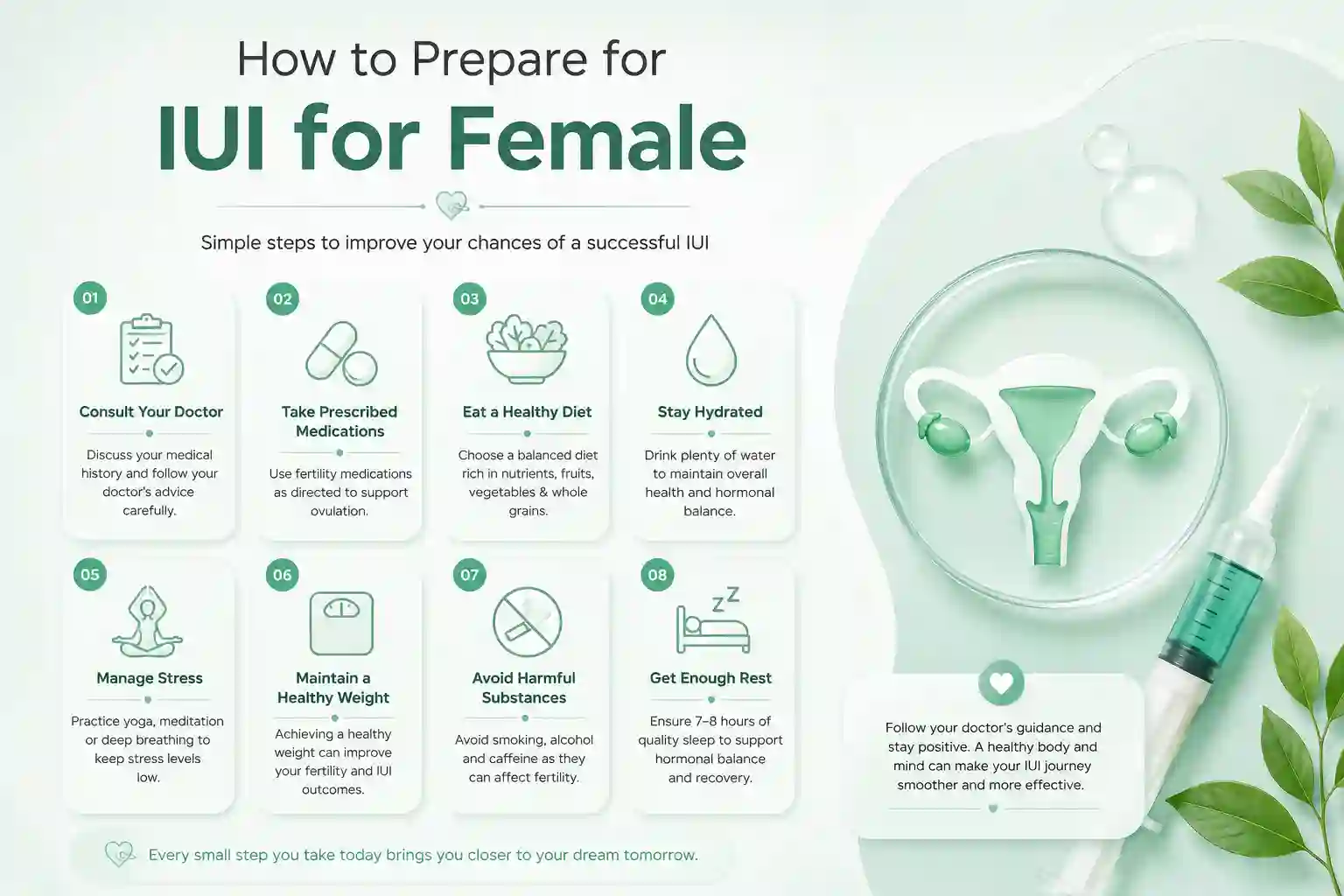
To make the waiting period more manageable, consider these actionable tips:
- Set a strict testing date: Mark the 15th day on your calendar and commit to not buying a test until that morning.
- Stay distracted: Plan engaging activities, movie nights, or outings with friends during the second week of your wait to keep your mind occupied.
- Skip the internet forums: Reading other people’s symptoms or looking at pictures of early positive tests will only increase your anxiety.
- Prepare for both outcomes: Have a gentle plan for how you will spend the day if the test is negative, and know who you want to share the news with if it is positive.
When to See a Fertility Specialist
If you reach the 15-day mark, take a test, and receive a negative result, you should stop taking any prescribed progesterone supplements (after confirming with your doctor) so your menstrual cycle can begin.
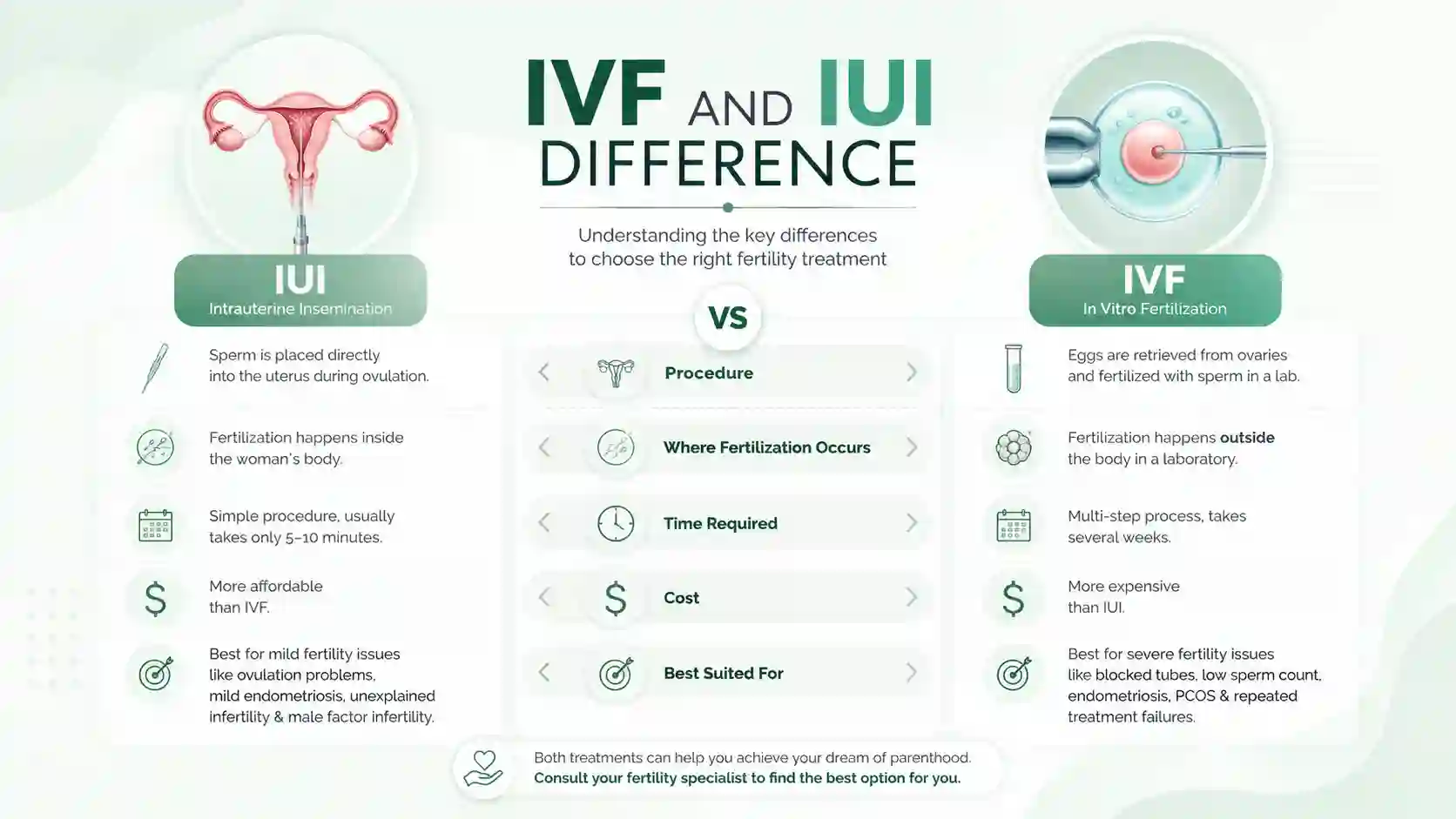
A single negative cycle is normal. However, if you complete three to four well-timed, medicated cycles without a positive result, it is time to sit down with your reproductive endocrinologist. They may suggest adjusting your medication protocol, running further diagnostic tests, or transitioning to In Vitro Fertilization (IVF).
The two-week wait requires immense patience, and navigating the emotional ups and downs is no small feat. While the temptation to check early is completely natural, taking your IUI pregnancy test after 15 days remains the most medically sound approach. By waiting for the trigger shot to clear your system and allowing natural hCG levels to rise, you protect yourself from false hope and ensure that the results you receive are clear, accurate, and definitive.
FAQs About the IUI Pregnancy Test After 15 Days
Why can’t I just test 10 days after my IUI?
Testing at day 10 is risky because the hCG from your trigger shot may still be in your bloodstream, which will give you a false positive result on a home test. Furthermore, if you did not use a trigger shot, day 10 might still be too early for natural pregnancy hCG to register.
What happens if I get a faint line on an IUI pregnancy test after 15 days?
A faint line on day 15 is still a positive result. The darkness of the line depends on the exact sensitivity of the test brand and how concentrated your urine is. Your clinic will follow up with a blood test to confirm the exact hormone levels.
Can the progesterone suppositories cause a false positive?
No. Progesterone can cause pregnancy-like physical symptoms (such as bloating and sore breasts), but it does not contain hCG. Progesterone alone will never turn a home pregnancy test positive.
What should I do if my home test is negative but my period hasn’t started?
If you are taking progesterone supplements, they can prevent your period from starting even if you are not pregnant. Your clinic will usually have you take a blood test on day 15 to confirm it is negative before instructing you to stop the medication.
Is a blood test more accurate than a home test on day 15?
Yes. A beta hCG blood test is highly sensitive and quantitative, meaning it measures the exact amount of hormone present. A home urine test is qualitative and simply gives a yes or no based on a certain threshold.
Are IUI success rates higher on the first or second try?
Success rates generally remain steady across the first three to four cycles, hovering around 10% to 20% per cycle. Because it is a numbers game, many patients find success on their second or third attempt.
If my test is negative, how soon can I do another IUI cycle?
In most cases, you can begin another cycle immediately with your very next menstrual period. Your doctor will provide instructions on when to restart your baseline ultrasound and fertility medications.