Facing your first intrauterine insemination cycle can feel incredibly daunting. When your reproductive endocrinologist recommends this treatment plan, it is completely normal to feel anxious about the physical reality of the procedure. Many patients find themselves searching for answers, specifically wondering exactly how IUI is done and what they will experience once they are in the exam room.
The good news is that this procedure is one of the quickest, safest, and least invasive fertility treatments available today. By understanding the step-by-step process, you can replace your anxiety with confidence and calm. This guide will walk you through the entire experience, from your initial monitoring appointments to the moment you walk out of the clinic doors.
What Is IUI?
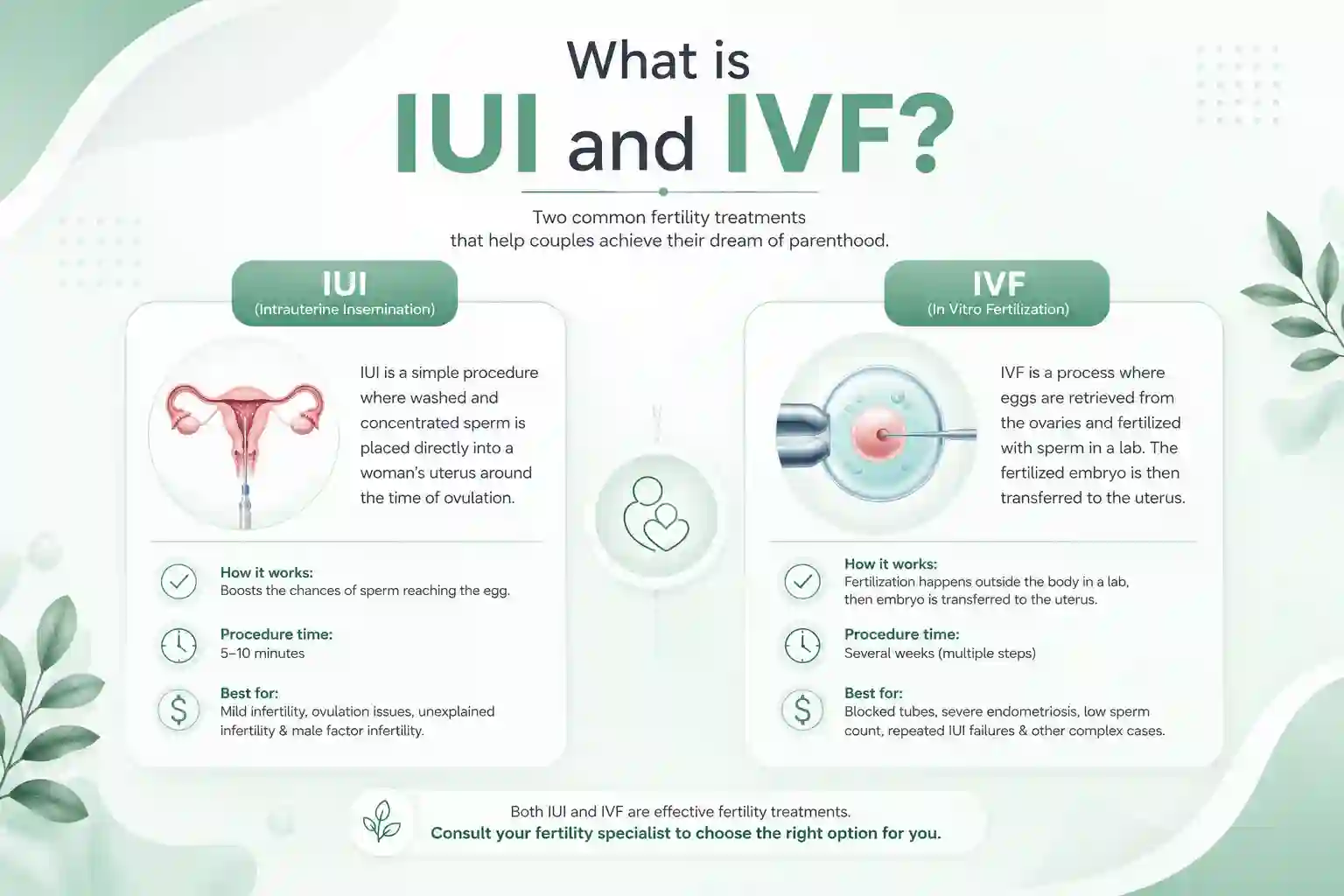
Intrauterine Insemination (IUI) is a widely used fertility treatment that gives sperm a critical head start. In natural conception, sperm must swim from the vagina, survive the acidic environment of the cervix, and navigate up into the fallopian tubes to meet a waiting egg.
This procedure bypasses those natural barriers entirely. Using a specialized medical catheter, a fertility specialist places a highly concentrated sample of washed, motile sperm directly inside the uterine cavity. This puts thousands of strong, healthy sperm right at the entrance of the fallopian tubes at the exact moment of ovulation.
Why Is Understanding How IUI Is Done Important?
Knowledge is the ultimate antidote to medical anxiety. When you are sitting in a waiting room, fear of the unknown can cause your blood pressure to rise and your muscles to tense up. Tensing your pelvic floor muscles can actually make gynecological procedures more uncomfortable.
Understanding the precise mechanics of how IUI is done empowers you to advocate for your comfort, ask informed questions, and mentally prepare for the day. When you know exactly which medical tools are being used and how long the procedure will take, you step into the clinic as an active participant in your healthcare rather than a passive observer.
Step-by-Step: How IUI Is Done in the Clinic
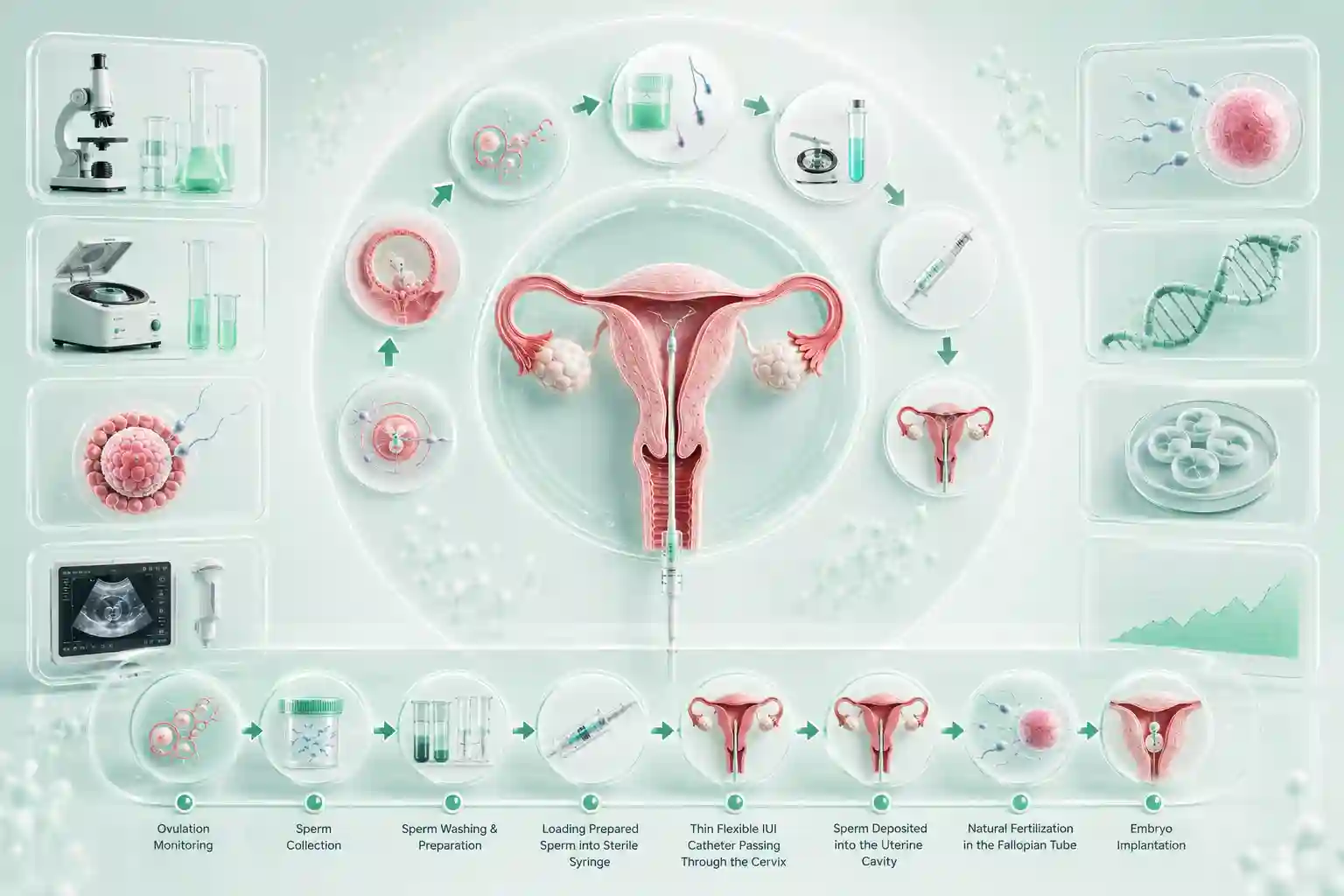
While the actual insemination takes only a few minutes, the entire process spans a couple of weeks. Here is the chronological breakdown of how a standard cycle unfolds:
- Baseline Monitoring and Medication On the second or third day of your menstrual cycle, you will visit the clinic for a baseline transvaginal ultrasound and blood work. If everything looks clear, your doctor will likely prescribe an oral fertility medication like Letrozole or Clomid for five days. This medication stimulates your ovaries to grow one or more mature follicles (the fluid-filled sacs that contain eggs).
- Mid-Cycle Monitoring Around day 10 or 11 of your cycle, you return to the clinic. The doctor uses another ultrasound to measure the size of your follicles and checks your estrogen and LH (luteinizing hormone) levels via blood tests to pinpoint your fertile window.
- The Trigger Shot Once your follicles reach the ideal size (usually between 18mm and 22mm), you will administer a “trigger shot” at home. This is a small injection of hCG that forces the ovaries to release the mature eggs exactly 36 hours later.
- Sperm Collection and Washing On the morning of the procedure, a sperm sample is collected—either provided fresh by a male partner at the clinic or thawed from a donor vial. The embryology lab then “washes” the sample. They place it in a centrifuge to separate the highly active, swimming sperm from the seminal fluid, dead sperm, and cellular debris. This washing step is mandatory; injecting unwashed semen directly into the uterus can cause severe cramping and allergic reactions.
- The Insemination Procedure You will undress from the waist down and lie on an exam table with your feet in stirrups, exactly like a routine Pap smear. The doctor inserts a sterile speculum to visualize your cervix and wipes it clean. Then, they attach a syringe containing the washed sperm to a very thin, highly flexible catheter.
The doctor gently guides the catheter through the small opening of the cervix and into the uterus. Once in place, they press the plunger on the syringe, slowly depositing the sperm into the uterine cavity. They then withdraw the catheter and remove the speculum.
- The Resting Period Most clinics will ask you to remain lying flat on the exam table for 10 to 15 minutes. After this brief rest, you can get dressed and resume your normal daily activities.
The Benefits of This Procedure
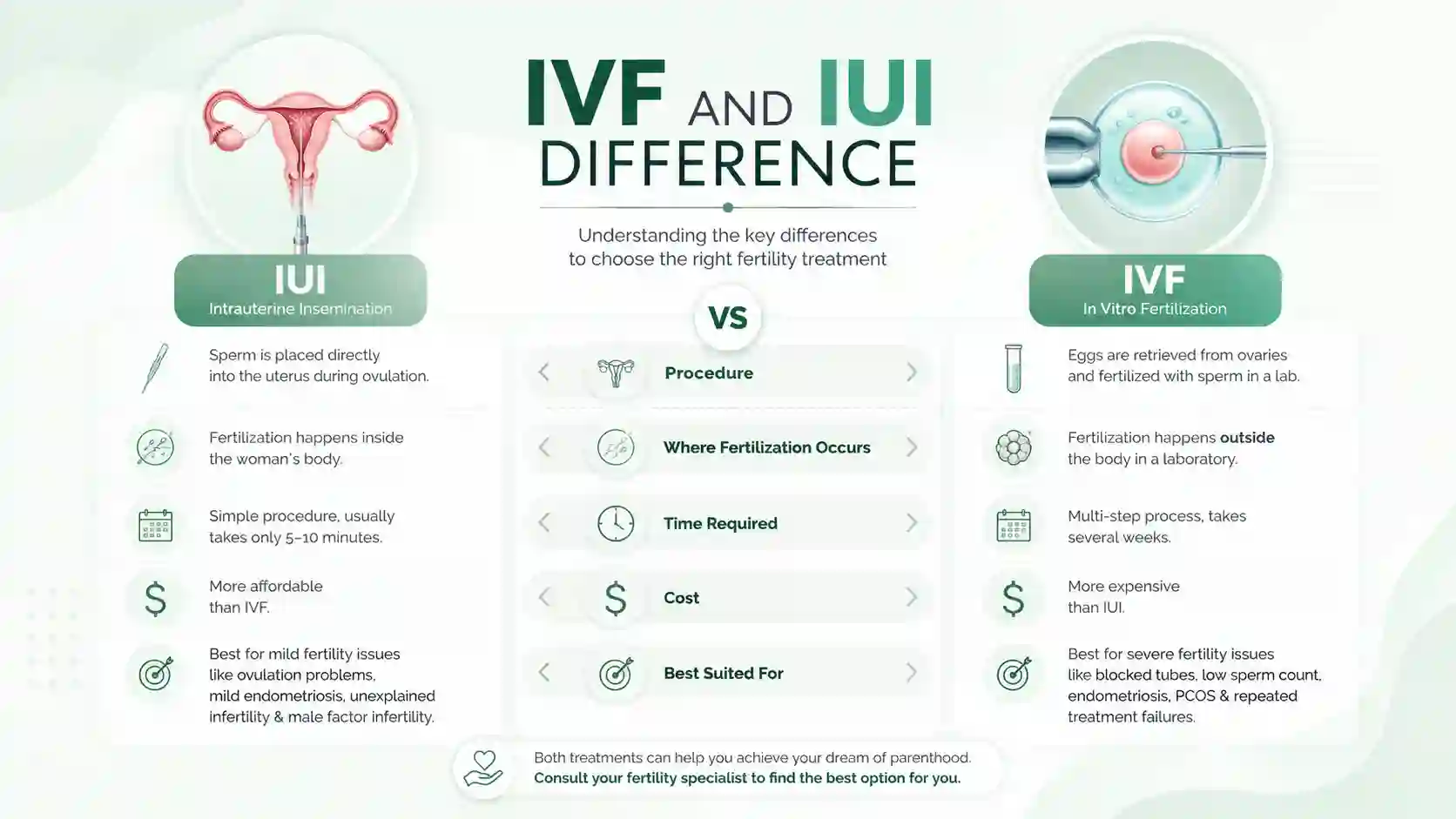
Intrauterine insemination remains a first-line treatment for a reason. It is significantly less invasive than IVF, requiring no surgery or anesthesia. It is also highly cost-effective, making it an accessible entry point for couples managing their fertility care out-of-pocket. Furthermore, it allows fertilization to occur naturally within the body, which provides a sense of normalcy for many aspiring parents.
Risks, Side Effects, or Limitations
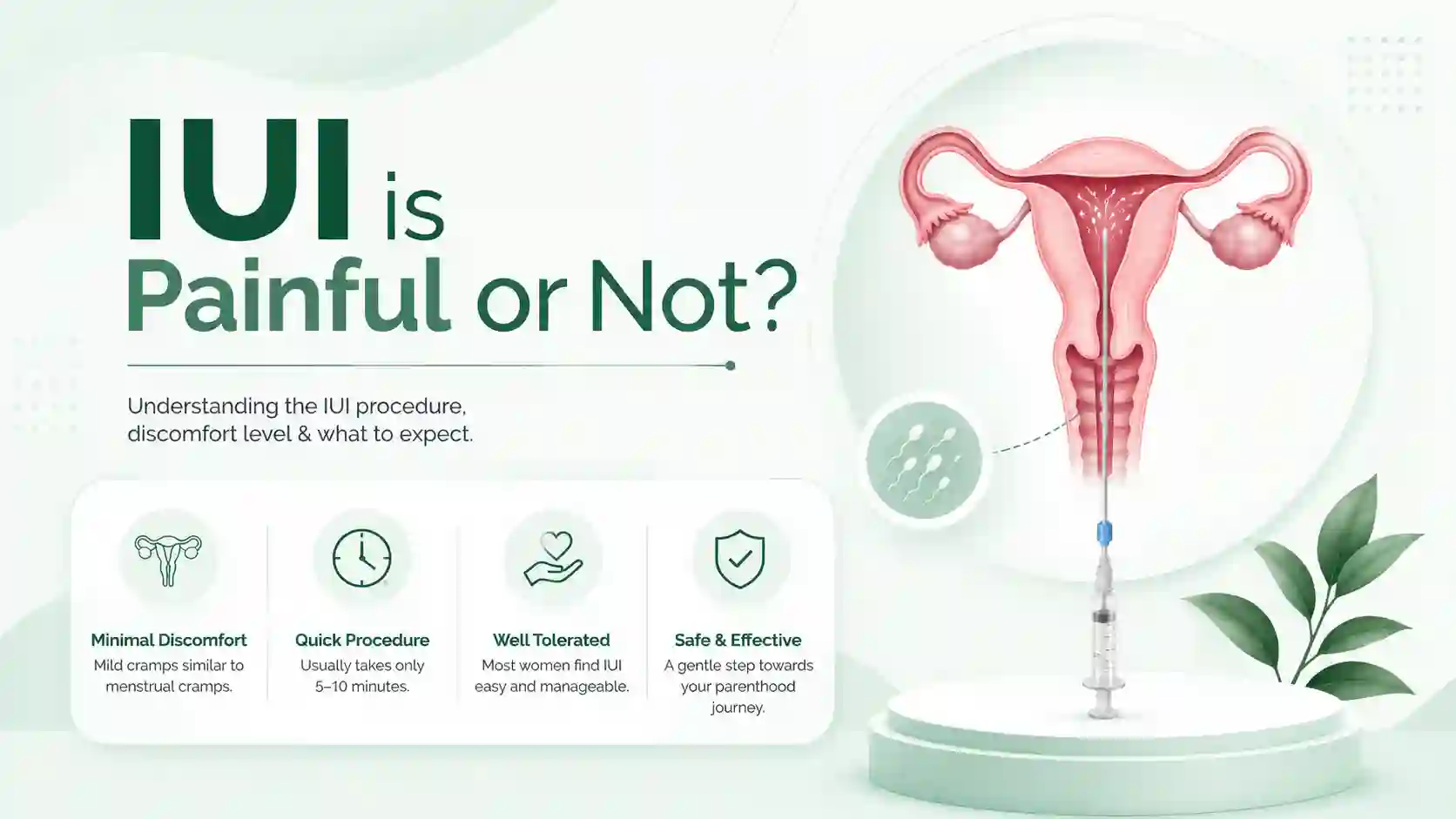
The insemination itself carries very few risks. You might experience mild cramping as the catheter passes through the cervix, and a small amount of light spotting afterward is completely normal.
The primary risks of the overall cycle come from the fertility medications taken beforehand. Stimulating the ovaries increases the risk of a multiple pregnancy (twins or more). To prevent this, your doctor will closely monitor your follicle count. If you produce too many mature follicles, your doctor will cancel the cycle to protect your safety.
Cost, Timeline, and Success Rates
The physical procedure is incredibly brief—often completed in under five minutes. The total cycle, from the start of your period to the pregnancy test, spans about four weeks.
Financially, an unmedicated cycle can cost as little as $300, while a monitored cycle with oral medications and a trigger shot typically ranges from $500 to $1,000.
Success rates depend heavily on maternal age and the underlying diagnosis. For women under 35, the procedure offers a 10% to 20% chance of a live birth per cycle. Success is cumulative, meaning the odds increase over the course of three to four attempts.
Factors Affecting Your Results
Several biological variables dictate whether the sperm and egg will successfully meet and implant:
- Sperm Count and Motility: The post-wash total motile sperm count (TMSC) is a crucial metric. A higher concentration of fast-moving sperm directly correlates with higher success rates.
- Tubal Patency: The fallopian tubes must be open and functional. If both tubes are blocked, the sperm will never reach the egg.
- Timing: The lifespan of an egg is only 12 to 24 hours. The precision of the trigger shot ensures the sperm are introduced exactly when the egg is viable.
The Emotional and Patient Perspective
Lying on an exam table in a clinical setting is rarely comfortable, and fertility treatments require a massive amount of vulnerability. It is completely normal to feel a mix of excitement, awkwardness, and anxiety while staring at the clinic ceiling.
The hardest emotional hurdle often comes after the procedure. The “two-week wait” before you can accurately take a pregnancy test is notorious for causing intense anxiety. Protect your peace during this time by leaning on your support system and staying busy with healthy distractions.
Tips, Recommendations, and Preparation Guide
To make your procedure day as smooth as possible, consider these practical tips:
- Arrive Hydrated: Having a partially full bladder can actually tilt your uterus into a slightly better position, making it easier for the doctor to guide the catheter through the cervix.
- Wear Comfortable Clothes: You may feel slightly bloated from the ovulation medications, so wear loose, comfortable clothing.
- Bring Support: If allowed by your clinic, bring your partner or a trusted friend to hold your hand and keep you distracted.
When to See a Fertility Specialist
If you have been trying to conceive naturally without success, it is important to know when to escalate your care. Medical guidelines suggest consulting a reproductive endocrinologist if you have been having unprotected intercourse for 12 months (if you are under 35) or 6 months (if you are 35 or older). If you have known conditions like PCOS or endometriosis, you can seek a consultation immediately.
While the medical jargon surrounding reproductive technology can be overwhelming, learning exactly how IUI is done reveals a surprisingly simple and straightforward procedure. By removing the mystery of the exam room, you can approach your treatment cycle with reduced anxiety and a clearer mindset. This minimally invasive procedure has helped millions of couples overcome early fertility hurdles, serving as a powerful stepping stone on the path to parenthood.
FAQs About How IUI Is Done
Does it hurt when undergoing the insemination?
When asking how IUI is done, pain is usually the top concern. Most patients compare the sensation to a routine Pap smear. You may feel a brief pinch or mild cramping when the catheter passes through the cervix, but it is generally very tolerable and requires no pain medication.
How long does the actual procedure take?
The physical insemination process takes less than five minutes. Including the time to undress, the procedure itself, and the 10 to 15-minute resting period afterward, you will likely be in the exam room for about 30 minutes total.
Will the sperm leak out when I stand up?
No. The washed sperm is injected directly into the uterine cavity, not the vagina. Your cervix acts as a natural barrier to keep the sperm inside. If you notice any wetness when you stand up, it is simply cervical mucus or the saline used to clean the cervix.
Can my partner be in the room?
Most fertility clinics welcome partners to be present in the room during the insemination. It is an important milestone, and having physical and emotional support is highly encouraged.
Are there any restrictions on what I can do after?
There are no strict physical limitations after the procedure. You can return to work, drive, and go about your normal day. However, most doctors advise avoiding intense, high-impact workouts or heavy lifting for a few days, simply to prevent pelvic discomfort.
Do I need a full bladder for the procedure?
A partially full bladder is often helpful. It acts like a balloon that gently pushes the uterus into a straighter angle, which allows the catheter to glide through the cervix more easily.
How soon can I take a pregnancy test?
You must wait exactly 14 to 15 days after the procedure to take a pregnancy test. Testing earlier can result in a false positive because the synthetic hCG from your trigger shot remains in your bloodstream for up to two weeks.