Transitioning from trying to conceive at home to seeking medical fertility treatments brings a whirlwind of emotions. Alongside the hope and anticipation, it is completely normal to feel a deep sense of anxiety about the physical reality of reproductive medicine. If you are preparing for your first cycle, you might be nervously searching the internet, wondering if you are going to endure a painful IUI procedure.
Fear of physical pain is one of the most common concerns patients express to their reproductive endocrinologists. Because the reproductive tract is highly sensitive, the idea of having medical instruments inserted into the uterus can sound incredibly intimidating.
The reassuring truth is that for the vast majority of patients, intrauterine insemination is a quick, minimally invasive, and highly tolerable experience. However, minimizing your anxiety requires understanding exactly what you will feel, why certain discomforts happen, and how to advocate for your own comfort. This guide breaks down the physical sensations of the procedure, empowering you to walk into the clinic feeling prepared and confident.
What Causes a Painful IUI Procedure?
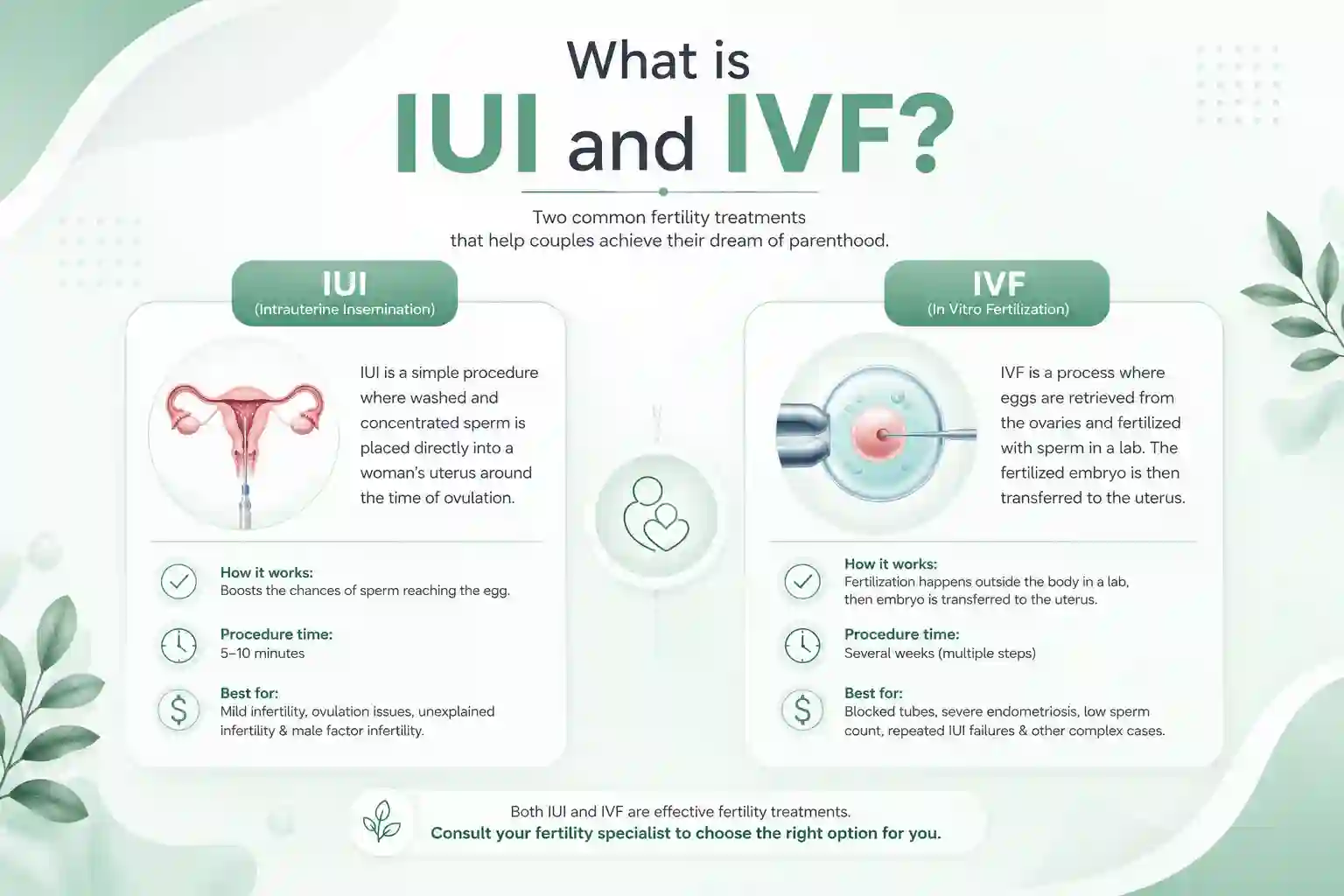
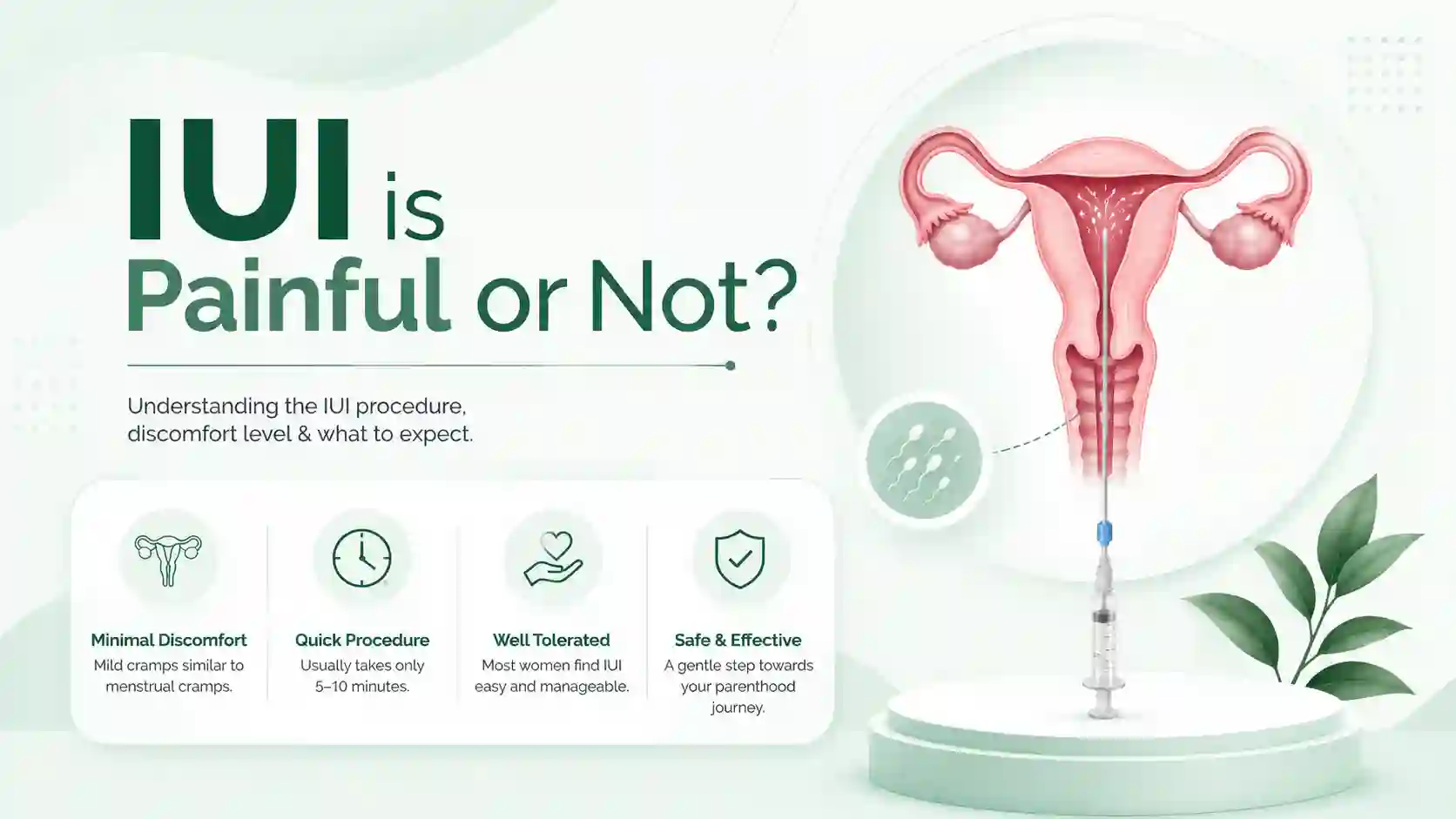
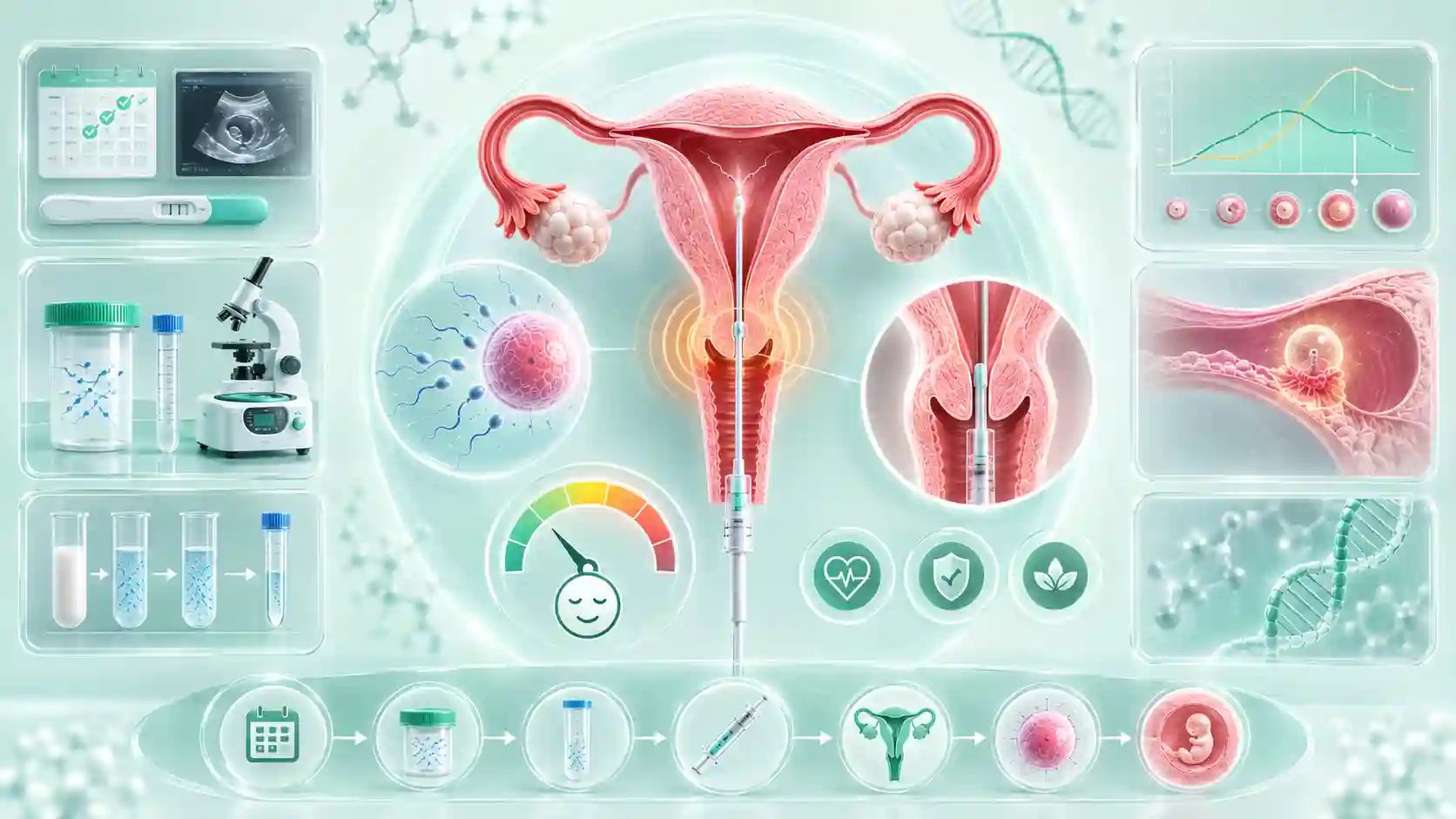
To understand where discomfort comes from, it helps to understand the anatomy of the procedure. During an IUI, a doctor uses a speculum to open the vaginal wall and visualize the cervix. Then, a highly flexible, very thin catheter is threaded through the small opening of the cervix directly into the uterine cavity, where a washed sperm sample is gently released.
When patients do experience a painful IUI procedure, it is usually linked to one of three specific mechanical actions:
- Cervical Navigation: The cervix naturally rests tightly closed to protect the uterus from bacteria. When the thin catheter passes through this tight canal, it can cause a brief pinching sensation or mild, localized irritation.
- Uterine Contractions: The uterus is a highly reactive muscle. When the catheter enters the cavity, or when the liquid containing the washed sperm is injected, the uterus may instinctively contract in response to the foreign fluid. You feel these contractions as menstrual-like cramps.
- Speculum Pressure: For some individuals, particularly those with conditions like vaginismus or pelvic floor dysfunction, the mere insertion and expansion of the speculum can cause deep pressure and discomfort.
Discomfort vs. Severe Pain: What Is Normal?
It is vital to distinguish between expected, mild discomfort and abnormal, severe pain.
A normal experience feels very similar to a routine Pap smear. You can expect a sense of pressure, a quick pinch that lasts only a few seconds, and mild, dull cramping in your lower abdomen that resembles the first day of your menstrual cycle. Some patients also experience very light pink or brown spotting afterward due to minor cervical irritation.
Conversely, sharp, stabbing pains that double you over, severe bleeding (filling a pad), or pain that radiates intensely into your back or legs are not normal. These symptoms require immediate communication with your fertility care team.
The Timeline of Physical Sensations
Your physical experience does not just begin and end in the exam room. A fertility cycle involves several phases, each with its own unique bodily sensations.
Before the Procedure If you are doing a medicated cycle, you will take oral medications or injectable hormones to stimulate your ovaries. As your follicles grow larger than they would in a natural cycle, your ovaries expand. This can cause a feeling of pelvic heaviness, bloating, and tenderness when you sit down quickly or exercise. When you take the trigger shot to induce ovulation, you may also feel the sharp, localized twinge of ovulation itself (known as mittelschmerz).
During the Procedure The physical insemination takes less than five minutes. The most noticeable sensation is usually the cold pressure of the speculum. As the catheter enters the cervix, you may feel a sharp but fleeting pinch. Most patients report that the actual release of the sperm is completely painless, though you may feel an immediate wave of mild cramping.
After the Procedure In the 24 to 48 hours following your visit, mild uterine cramping is incredibly common and entirely normal. Additionally, about 6 to 12 days after the procedure, you might feel a secondary wave of very light, subtle cramping. For some, this is an early sign of the embryo successfully implanting into the uterine lining.
Factors That Increase the Risk of a Painful IUI Procedure
Why do some patients breeze through the process while others find it highly uncomfortable? Several anatomical and emotional factors can influence your unique pain tolerance during a cycle:
- A Tilted Uterus: If your uterus is severely retroverted (tilted backward) or anteverted (tilted forward), the anatomical angle between your cervix and your uterine cavity is sharper. The doctor may have to maneuver the catheter slightly more to navigate this curve, causing a stronger pinching sensation.
- Cervical Scar Tissue: Previous gynecological procedures (like a LEEP procedure or a prior surgery) can leave scar tissue on the cervix, making the canal narrower and slightly more difficult to pass through.
- Extreme Anxiety: The mind-body connection in the pelvic region is incredibly strong. When you are highly anxious, your pelvic floor muscles involuntarily tighten and clench. Forcing a speculum and a catheter through clenched pelvic muscles will significantly increase your pain.
When Is Severe Pain a Warning Sign?
While rare, severe pain during or after your treatment cycle can be an indicator of a serious medical complication. The most notable risk is Ovarian Hyperstimulation Syndrome (OHSS). This occurs when your body overreacts to fertility medications, causing the ovaries to swell dangerously and fluid to leak into the abdomen.
You should contact your reproductive endocrinologist immediately or visit an emergency room if you experience:
- Rapid, severe abdominal swelling or sudden weight gain.
- Difficulty breathing or shortness of breath.
- Nausea and vomiting that prevents you from keeping liquids down.
- A high fever or foul-smelling vaginal discharge (which could indicate a rare pelvic infection).
Tips to Prevent a Painful IUI Procedure
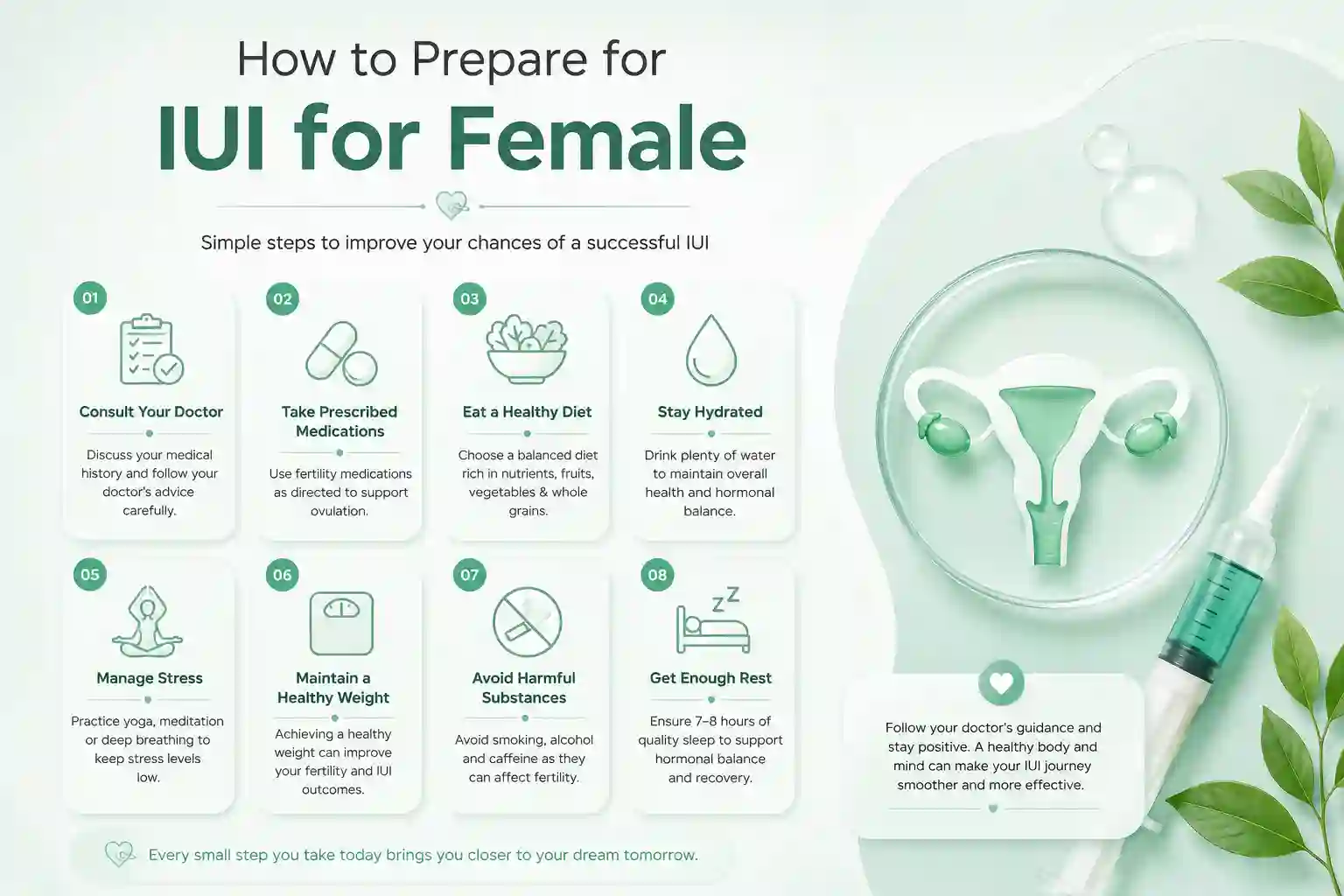
You do not have to just grit your teeth and bear it. There are several actionable steps you can take to make your clinic visit a more comfortable, peaceful experience:
- Arrive with a Partially Full Bladder: Having some urine in your bladder can act as a gentle cushion that naturally straightens the angle of your uterus, making it much easier for the doctor to slide the catheter through the cervix.
- Ask About Pain Relievers: Speak with your clinic beforehand to see if they recommend taking an over-the-counter pain reliever, such as Tylenol, about an hour before your appointment to preemptively dull any cramping.
- Practice Deep Pelvic Breathing: When the doctor inserts the speculum, focus on taking slow, deep breaths in through your nose and out through your mouth, consciously commanding your pelvic floor muscles to release and melt into the exam table.
- Communicate with Your Doctor: If you have a history of painful pelvic exams, tell your doctor before you undress. A compassionate physician will use a smaller speculum, apply extra lubrication, and walk you through every single movement before they make it.
The Emotional and Patient Perspective
It is impossible to separate the physical sensations of fertility treatments from the heavy emotional burden you are carrying. The clinical environment, the invasive nature of the ultrasounds, and the immense pressure for the cycle to succeed can make your nervous system hyper-vigilant.
When your body is already in a state of stress, your brain amplifies physical discomfort. Acknowledge that your fear is valid. Treat yourself with profound gentleness on the day of your insemination. Plan to go home, put on comfortable clothing, use a warm heating pad on your lower back, and watch your favorite movie. Rest is not just a luxury; it is an important part of your physical and emotional recovery.
The fear of the unknown is often much worse than the procedure itself. While the thought of a painful IUI procedure can keep you up at night, the reality for most patients is a brief, highly manageable few minutes of mild discomfort. By communicating openly with your medical team, understanding the anatomical reasons behind the cramping, and utilizing relaxation techniques, you can transform a fear-inducing medical appointment into a confident, empowering step toward building your family.
FAQs About IUI Pain and Discomfort
Is a painful IUI procedure a sign that it worked?
No, pain is not an indicator of success or failure. The cramping you feel immediately after the procedure is simply your uterus reacting to the catheter and the fluid. A completely painless procedure has the exact same chance of resulting in a pregnancy as one accompanied by mild cramping.
Can I take ibuprofen for IUI cramps?
Most fertility specialists advise against using NSAIDs like ibuprofen (Advil) or naproxen (Aleve) during your fertile window, as they can sometimes interfere with ovulation and early implantation. Acetaminophen (Tylenol) is generally considered the safest option, but always confirm with your doctor first.
Why does my abdomen feel so heavy and sore before the procedure?
If you took medications like Clomid, Letrozole, or injectable gonadotropins, your ovaries have grown multiple mature follicles instead of just one. The soreness and bloating you feel is the physical stretching of your enlarged ovaries prior to ovulation.
Does an IUI hurt more than an HSG test?
Almost universally, patients report that an IUI is significantly less painful than a Hysterosalpingogram (HSG). An HSG involves pushing contrast dye forcefully into the uterus and through the fallopian tubes, which causes intense cramping. An IUI only involves depositing a tiny drop of fluid into the main uterine cavity.
How long will the cramping last after the insemination?
For most patients, the immediate cramping subsides within a few minutes to a few hours. Mild, intermittent twinges may continue for 24 to 48 hours as the uterus settles and the ovaries recover from ovulation.
Will the sperm fall out if I have uterine cramps?
No. The uterus is a potential space, meaning its walls touch each other. Once the washed sperm is injected, it is safely trapped inside the uterine cavity. The cramps will not push the sperm out, and your tightly closed cervix acts as a secure barrier.
What should I do if my clinic does not take my pain seriously?
If you consistently experience a highly painful IUI procedure and your doctor dismisses your concerns or refuses to adjust their technique (such as using a smaller speculum or taking more time), it is entirely appropriate to seek a second opinion at a different fertility clinic. Your comfort and bodily autonomy matter.