Navigating the world of fertility treatments often means learning a completely new language filled with medical terms, acronyms, and unexpected expenses. If you are exploring assisted conception methods, intrauterine insemination is likely one of the first options your doctor will discuss. As you begin budgeting for this journey, you might be researching the exact IUI kit price to understand your financial options better.
Cost is one of the most significant barriers for aspiring parents, and gaining clarity on every medical expense helps alleviate unnecessary stress. Whether you are curious about clinical supplies used by your reproductive endocrinologist or researching FDA-cleared at-home insemination options, this guide breaks down the true cost of these kits and what to expect during your cycle.
What Does the Typical IUI Kit Price Cover?
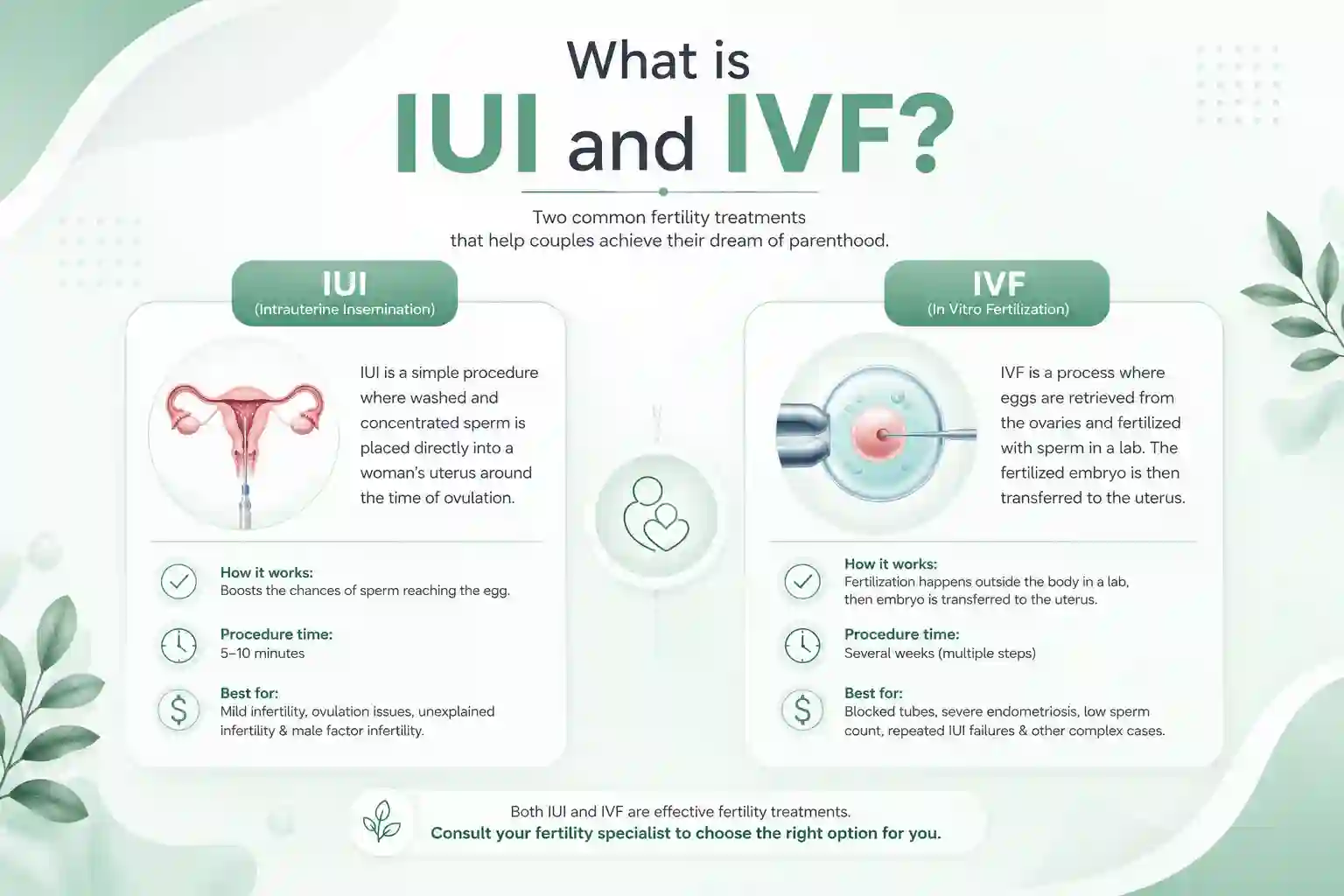
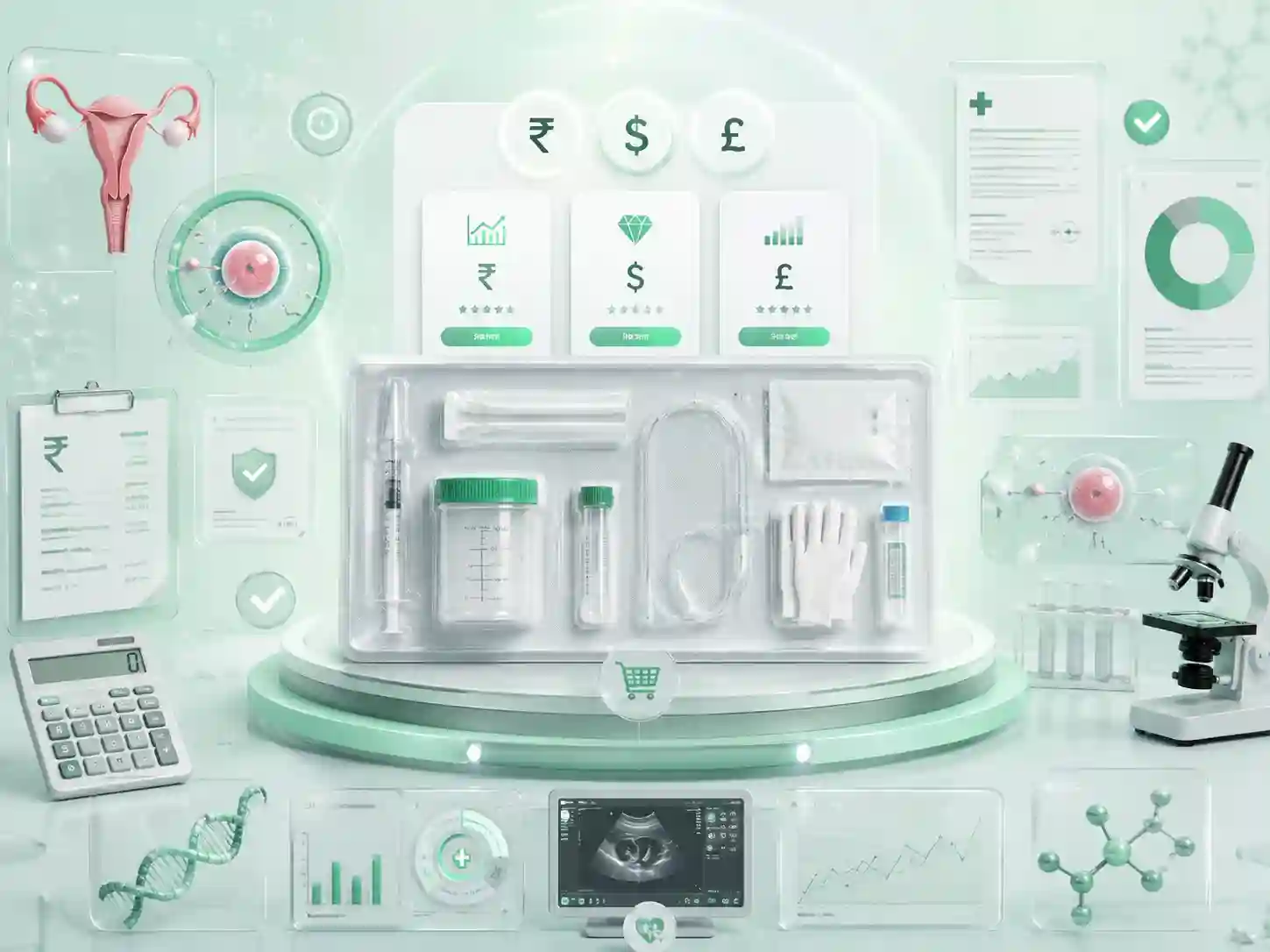
An IUI kit consists of the specialized medical supplies required to safely deposit sperm into the reproductive tract. For a clinical intrauterine insemination procedure, the kit is typically handled entirely by your medical provider. It includes a flexible, sterile catheter, an os finder (to help navigate the cervix), a specimen collection cup, and a disposable speculum.
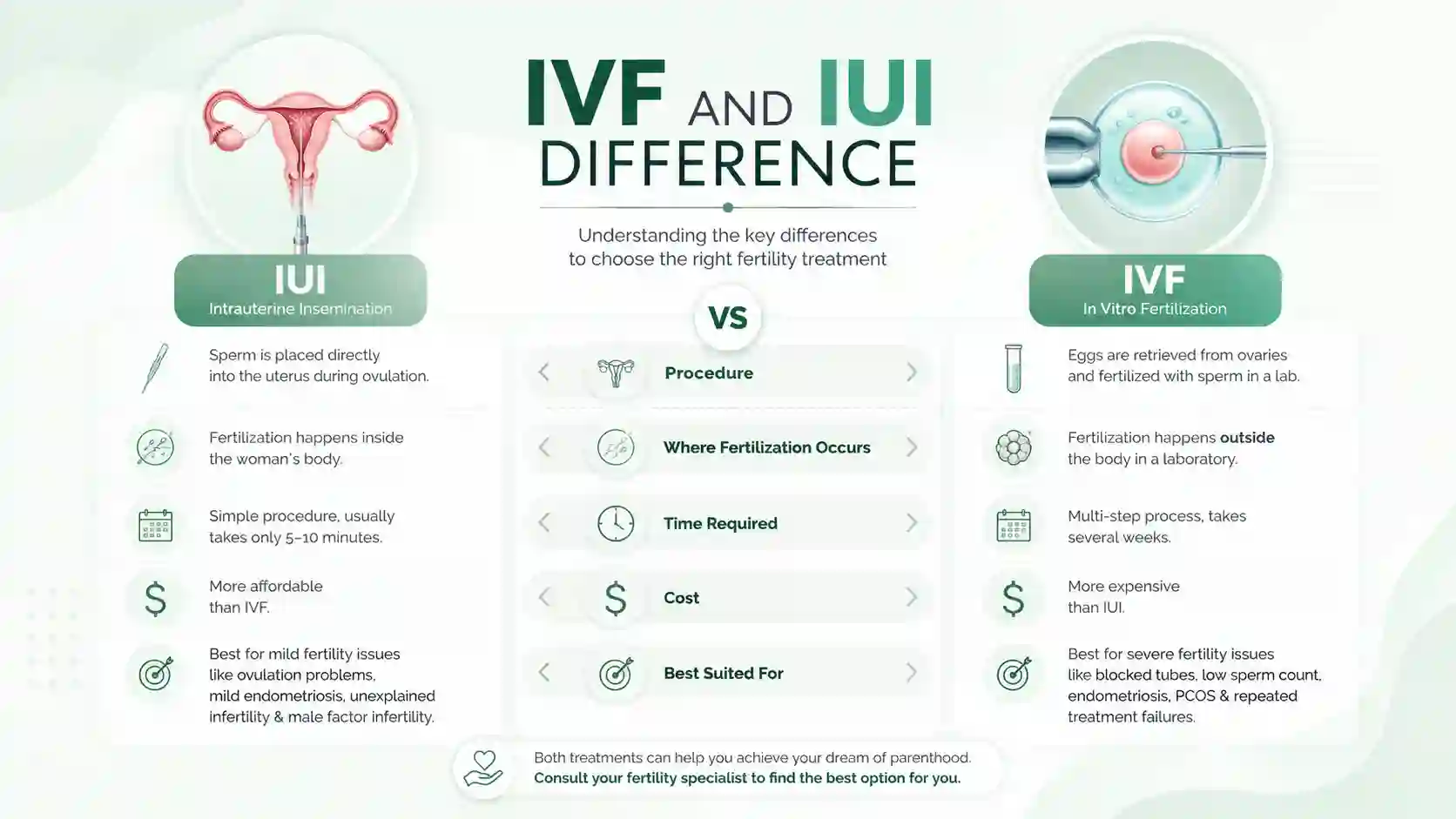
In recent years, the market has also expanded to include at-home insemination kits. While clinical IUI places sperm directly inside the uterus—which requires a trained medical professional—at-home kits place sperm near the cervix (intravaginal insemination). When evaluating an IUI kit price online, it is crucial to distinguish between wholesale clinical supplies meant for doctors and consumer-friendly sterile syringes designed for home use.
Why Is Understanding the IUI Kit Price Important?
Financial transparency is essential when undergoing fertility care. Unlike natural conception, assisted reproduction requires precise planning, and the costs can compound quickly over multiple cycles.
Knowing the exact cost of the supplies helps you advocate for yourself at the clinic. Some fertility centers bundle the price of the catheter and speculum into a single global fee, while others itemize every single supply. By understanding the base cost of these disposable tools, you can better review your clinic’s billing statements. Furthermore, if you are starting with an at-home method before moving to a clinical setting, knowing the retail cost of sterile insemination tools helps you set a realistic monthly budget.
How Does the IUI Kit Price Factor Into the Total Cycle Cost?
When you undergo clinical insemination, the physical kit is just one small piece of a much larger medical puzzle. Here is how the process works and where the costs apply:
- Ovarian Monitoring: Before the procedure, your doctor tracks your follicle growth using transvaginal ultrasounds and blood work to pinpoint ovulation.
- Trigger Shot: Once your eggs are mature, you may administer an injectable medication to trigger the release of the egg.
- Sperm Washing: On the day of the procedure, the laboratory takes the semen sample and “washes” it in a centrifuge. This process removes seminal fluid and isolates the most highly motile sperm.
- The Insemination: This is where the physical kit comes into play. The doctor uses the sterile catheter from the kit to bypass the cervix and inject the washed sperm directly into the uterine cavity.
The physical supplies used during the final step represent a fraction of the total clinic visit, but they are critical for ensuring a sterile, precise, and safe procedure.
Benefits of Reviewing Your IUI Kit Price Options
Taking the time to research your financial obligations provides multiple benefits for your family-building journey. First, it allows you to evaluate whether to attempt over-the-counter insemination methods before investing in a full clinical cycle. FDA-cleared home kits offer a more private, affordable first step for couples dealing with performance anxiety or those using donor sperm.
Secondly, financial preparedness directly reduces treatment fatigue. Patients who understand their financial commitments upfront are less likely to experience “sticker shock” and can make clear, logical decisions about when to move on to more advanced treatments, such as in vitro fertilization, if initial attempts are unsuccessful.
Risks, Side Effects, or Limitations
It is important to remember that buying medical supplies online does not replace a doctor’s expertise. The biggest limitation of focusing solely on the price of a kit is confusing an at-home syringe with a true intrauterine procedure. You should never attempt to bypass the cervix at home; this must be done by a physician using washed sperm. Introducing unwashed sperm directly into the uterus can cause severe, painful cramping and dangerous infections.
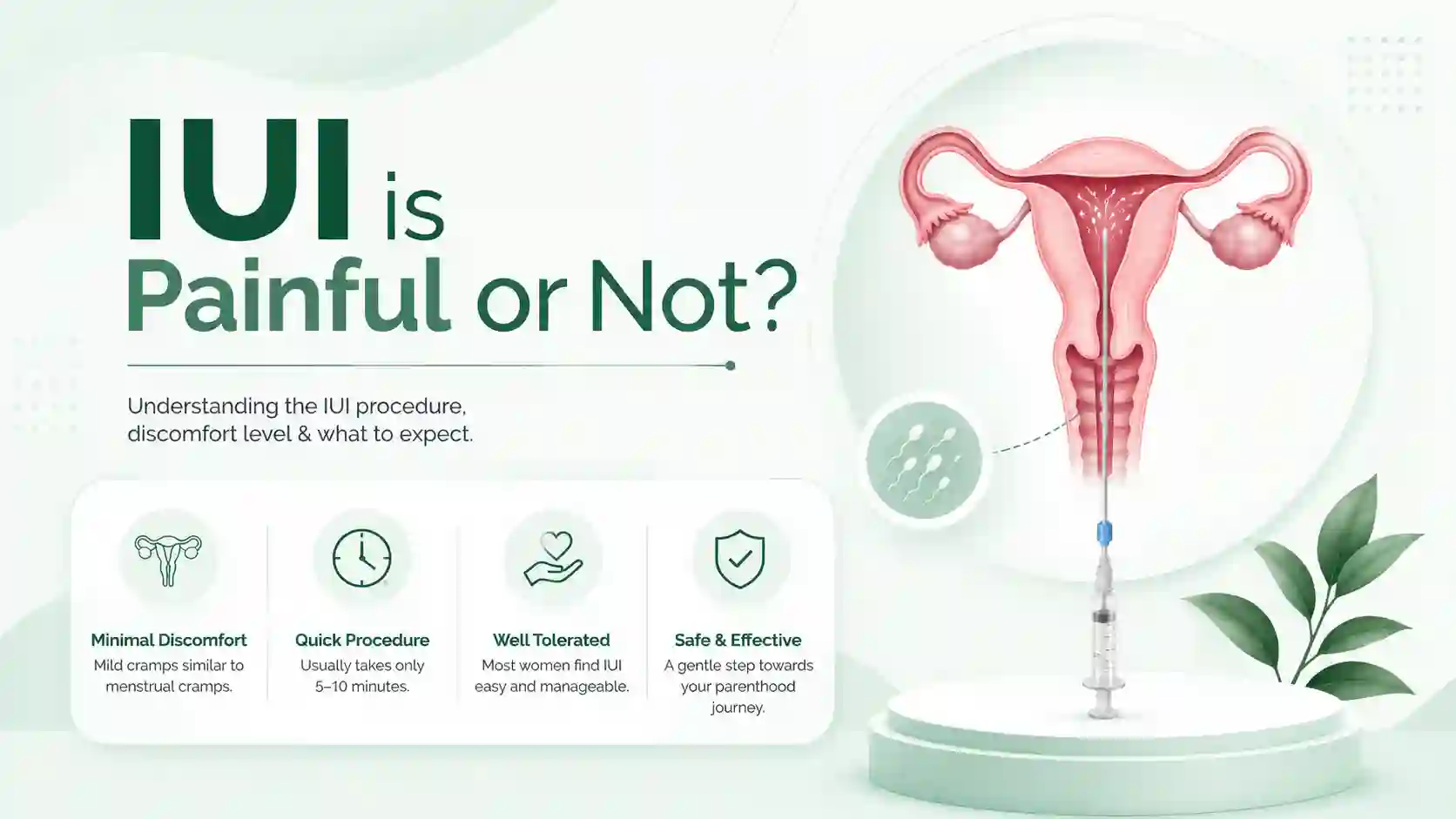
Clinical intrauterine insemination is generally very safe, but minor side effects can include light spotting or mild cramping as the catheter passes through the cervix. The primary risk of the overall cycle relates to the fertility medications used to stimulate the ovaries, which can increase the chance of a multiple pregnancy.
Cost, Timeline, and Success Rate
How much should you expect to spend? The cost varies dramatically depending on the setting:
- Clinical IUI: In a fertility clinic, the total procedure usually ranges from $300 to $1,000 per cycle. The actual medical IUI kit price (the catheter and speculum) accounts for only about $20 to $50 of that total bill, with the rest covering the sperm washing, lab fees, and physician’s time.
- At-Home Kits: Retail insemination kits range from $30 to $200. Premium options include sterile, anatomically designed syringes that optimize comfort and sperm delivery.
The procedure timeline is short. The actual insemination takes less than five minutes, followed by a 10 to 15-minute resting period in the clinic. As for success rates, most clinics report a 10% to 20% success rate per cycle for women under 35, though this drops as maternal age increases.
Factors Affecting Results
No matter how advanced the catheter or how expensive the kit, success ultimately hinges on human biology. The most significant factors include:
- Maternal Age: Egg quality naturally declines over time, which directly impacts the likelihood of an embryo successfully implanting.
- Sperm Motility: The concentration of fast-moving sperm after the laboratory washing process is a strong predictor of success.
- Tubal Health: Both fallopian tubes must be open and healthy, as the egg and sperm still need to meet naturally within the tube.
- Timing: The sperm must be introduced within a strict window—usually 24 to 36 hours after the LH surge or trigger shot.
Emotional and Patient Perspective
Managing the financial logistics of fertility care is exhausting. Patients often express frustration when dealing with itemized clinic bills, hidden fees, and insurance companies that deny coverage for essential treatments.
Beyond the finances, the emotional toll of the “two-week wait”—the time between the procedure and taking a pregnancy test—is notoriously difficult. It is incredibly common to feel anxious or hyper-analyze every physical symptom during this window. Finding a support group, leaning on a trusted partner, or working with a reproductive counselor can provide a much-needed outlet for these intense emotions.
Tips, Recommendations, or Preparation Guide
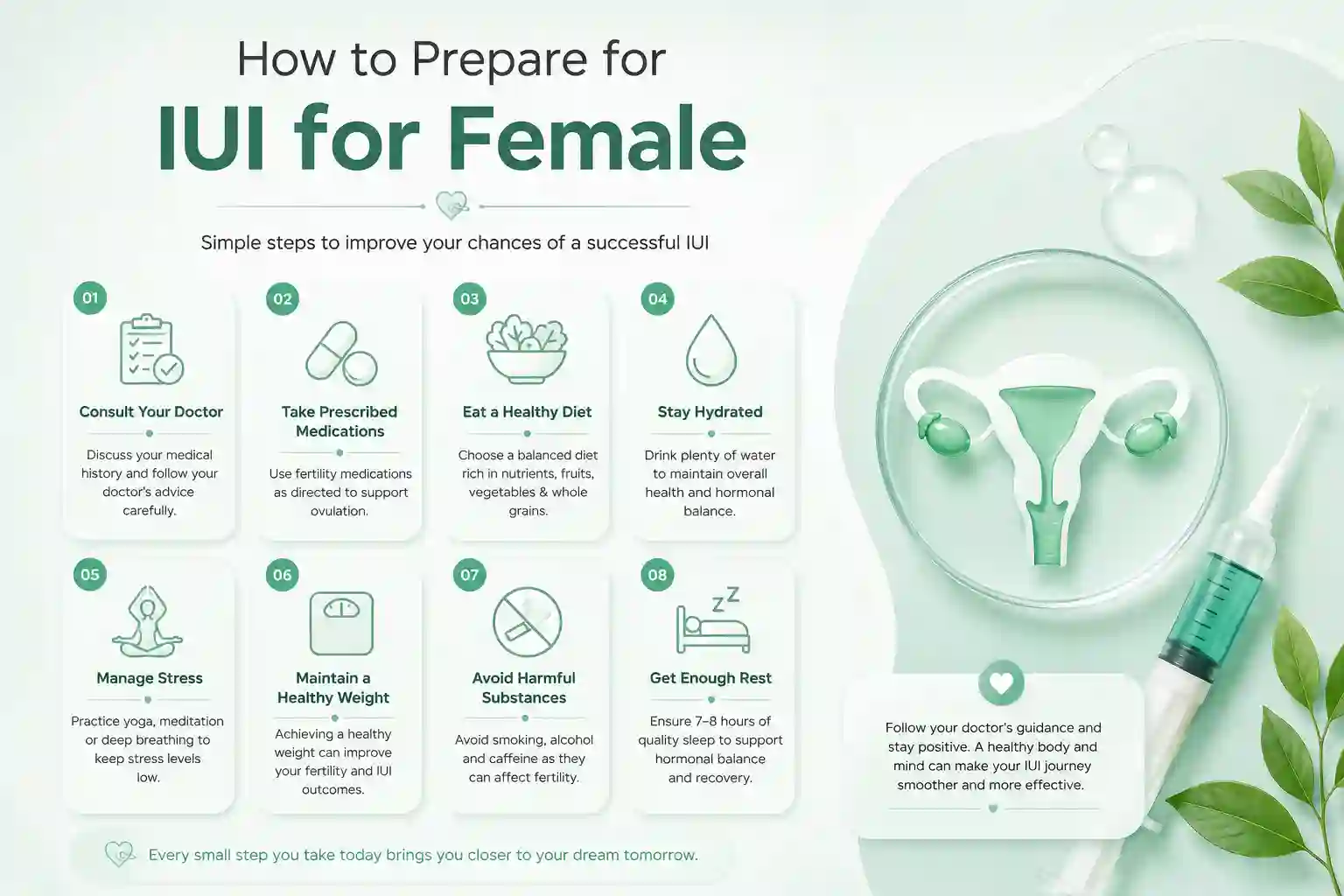
If you are preparing for an upcoming cycle, there are several ways to optimize your experience:
- Ask Your Clinic About Bundling: Speak with your financial coordinator to see if monitoring, sperm washing, and the actual procedure are bundled into one flat rate to avoid surprise charges.
- Focus on Lifestyle Factors: Both partners should aim to reduce alcohol intake, quit smoking, and maintain a balanced diet in the months leading up to the procedure to improve gamete quality.
- Hydrate Before Your Appointment: Having a partially full bladder can slightly adjust the angle of your uterus, making it easier for the doctor to guide the flexible catheter through the cervix.
When to See a Fertility Specialist
If you have been trying to conceive at home—whether through timed intercourse or at-home insemination kits—it is important to know when to escalate your care. Medical guidelines recommend consulting a reproductive endocrinologist after 12 months of trying if you are under 35, or after 6 months if you are 35 or older. If you have known issues like irregular cycles, PCOS, or a partner with a low sperm count, you should seek a consultation immediately rather than spending money on over-the-counter methods.
Navigating reproductive healthcare requires patience, self-advocacy, and a clear understanding of your medical bills. Ultimately, the IUI kit price is just one small variable in the broader landscape of your family-building journey. Whether you are exploring affordable at-home insemination options or preparing for a monitored clinical cycle, knowing exactly what you are paying for empowers you to make confident, informed choices about your body and your budget.
FAQs About IUI Kit Price
How much is the average IUI kit price?
For medical professionals, the wholesale IUI kit price (including a catheter and speculum) is usually under $50. For patients buying at-home insemination kits (which do not enter the uterus), retail prices range from $30 to $200 depending on the brand and whether the kit is sterile.
Can I do intrauterine insemination at home?
No. True intrauterine insemination requires washed sperm and must be performed by a medical professional. At-home kits are actually for intravaginal or intracervical insemination, which simply places unwashed sperm near the cervix.
Does insurance cover the cost of the kit?
If your health insurance plan covers fertility treatments, the cost of the disposable clinical supplies is typically bundled into the procedure code billed by your doctor and is usually covered. Over-the-counter home kits are rarely covered by standard insurance but may be eligible for FSA or HSA reimbursement.
What is the difference between an IUI catheter and an at-home syringe?
An IUI catheter is a long, highly flexible medical tube designed to safely navigate through the cervix into the uterus. An at-home syringe is shorter and designed only to deliver semen to the vaginal fornix or the base of the cervix.
Are expensive home insemination kits better than standard syringes?
Premium at-home kits are often FDA-cleared, sterilized, and designed with rounded edges for comfort. While a standard needleless syringe can work, specialized kits reduce the risk of introducing bacteria and altering the vaginal microbiome.
Do I have to pay for sperm washing separately?
In a clinical setting, sperm washing is required before the procedure. Some clinics itemize this charge (often $100 to $250), while others include it in the global flat fee for the entire insemination cycle.
Is it worth buying an at-home kit before seeing a doctor?
If you have no known fertility issues and are simply using donor sperm or dealing with intercourse difficulties, at-home kits are an affordable first step. However, if you suspect blocked tubes or severe male factor infertility, it is best to consult a specialist directly.