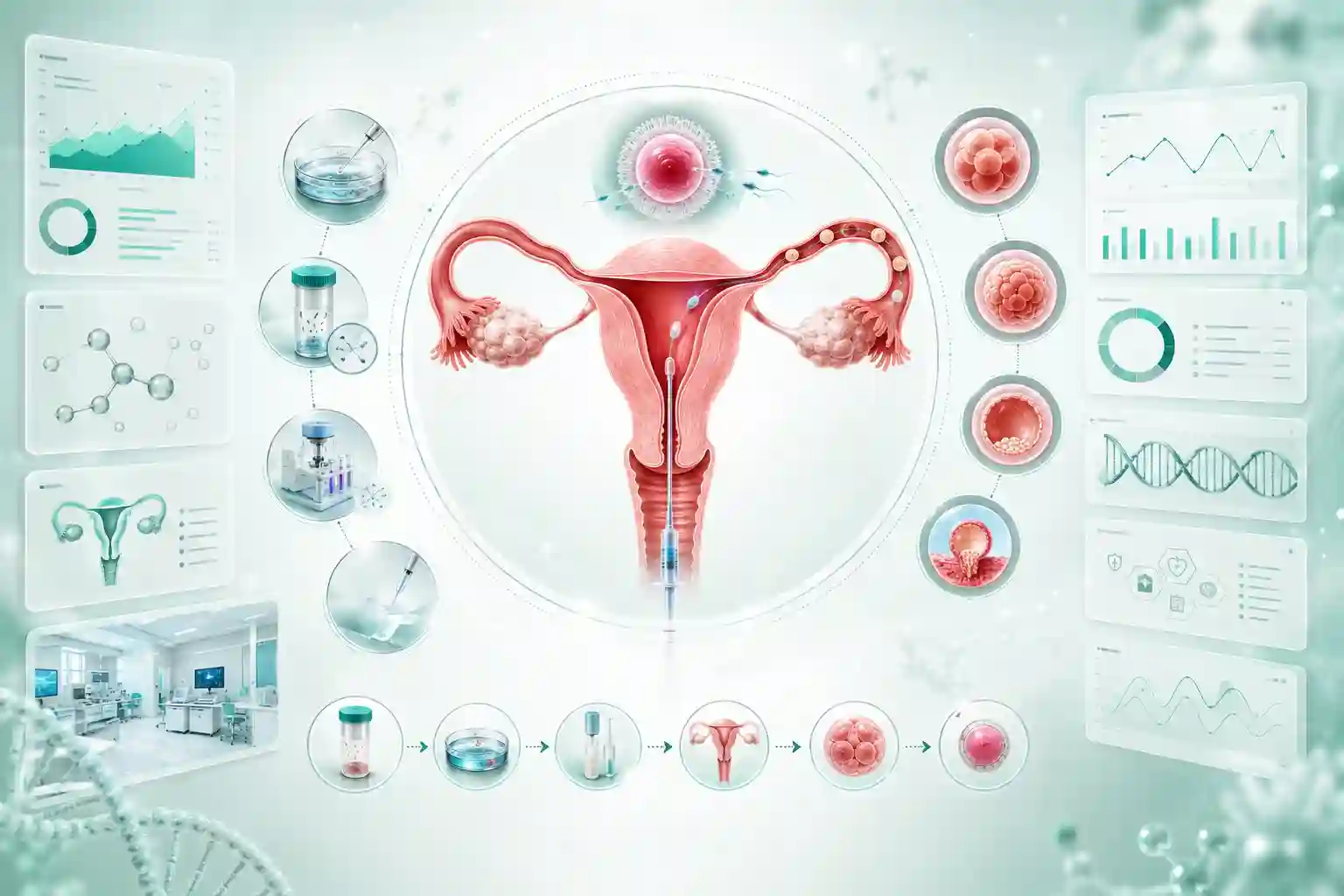
Intrauterine insemination (IUI) is one of the most common and widely used fertility treatments for individuals and couples who are having difficulty conceiving naturally. It is a minimally invasive procedure that involves placing specially prepared sperm directly into the uterus around the time of ovulation, increasing the chances of fertilization.
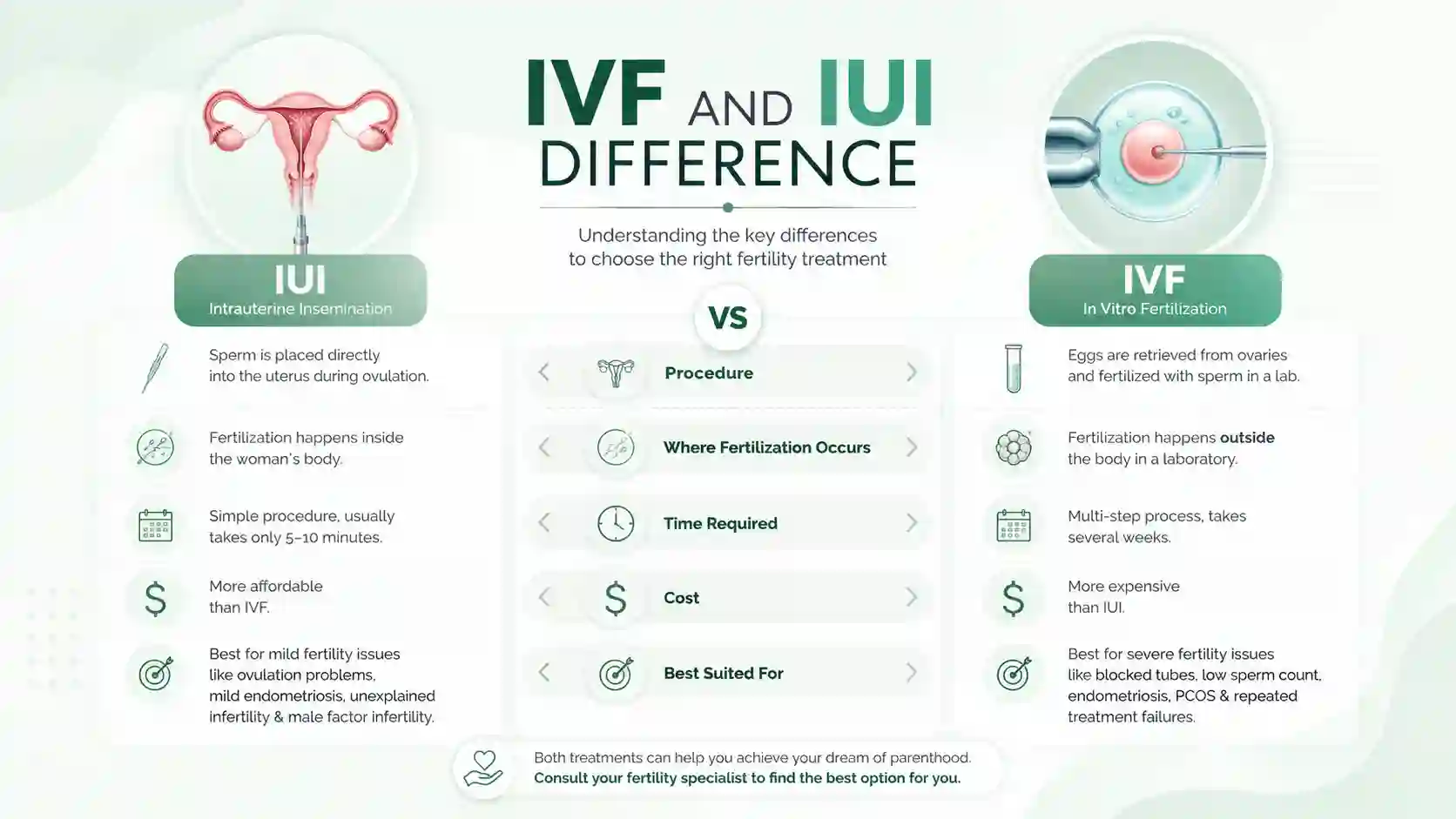
Compared with more advanced assisted reproductive technologies such as IVF, intrauterine insemination (IUI) is generally simpler, less invasive, and more affordable. For many patients, it serves as an effective first-line fertility treatment. This guide explains how IUI works, who may benefit from it, what to expect during treatment, possible risks, success factors, and frequently asked questions.
What Is Intrauterine Insemination (IUI)?
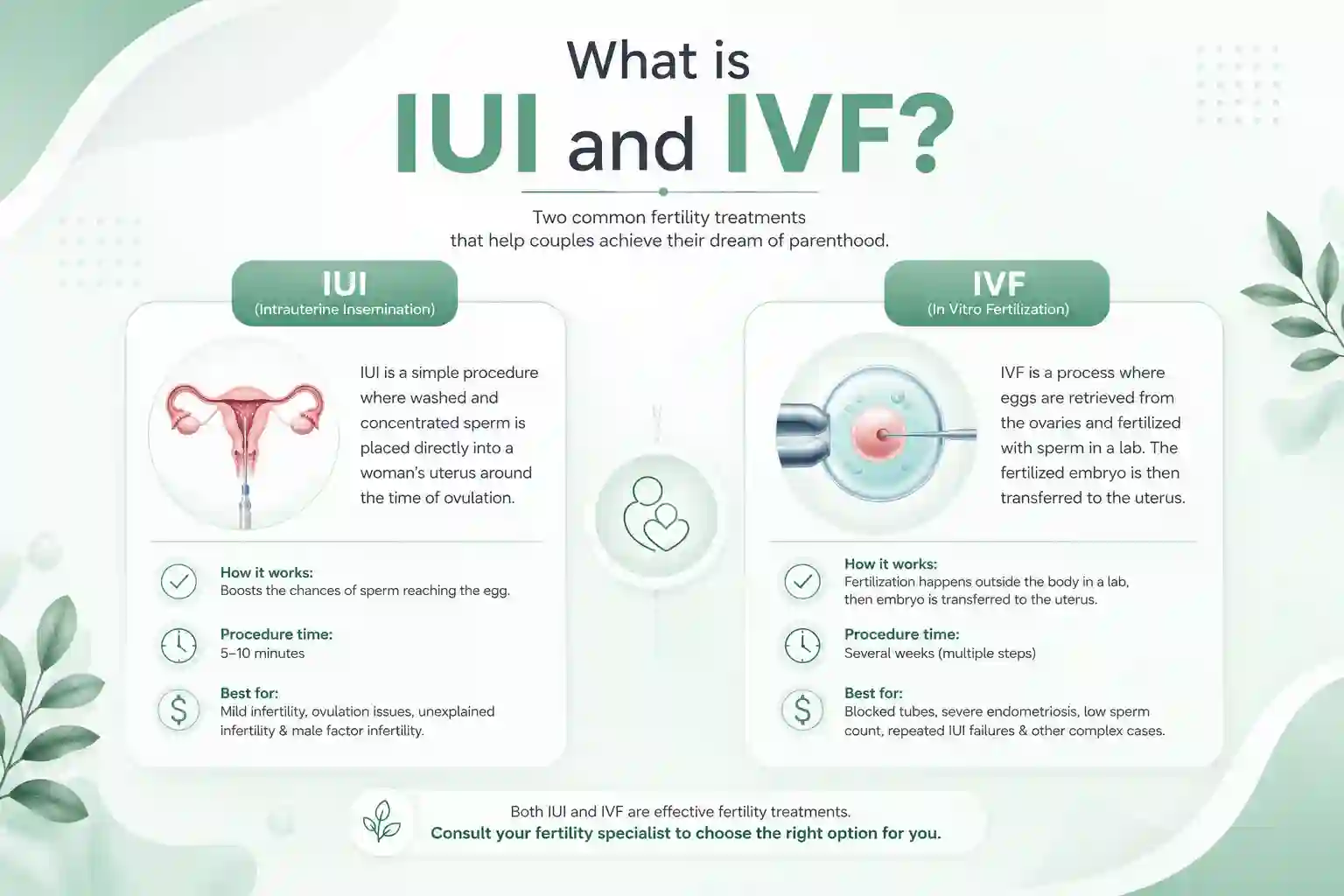
Intrauterine insemination (IUI) is an assisted reproductive procedure in which healthy, laboratory-prepared sperm is placed directly into the uterus using a thin, flexible catheter during the fertile window.
The goal is to increase the number of sperm that reach the fallopian tubes, where fertilization naturally occurs.
Unlike in vitro fertilization (IVF), fertilization during IUI takes place inside the body rather than in a laboratory.
Why Is Intrauterine Insemination (IUI) Important?
IUI may improve the chances of pregnancy in selected patients by overcoming certain fertility challenges.
It may be recommended for:
- Unexplained infertility
- Mild male factor infertility
- Ovulation disorders
- Cervical factor infertility
- Couples using donor sperm
- Single women or same-sex female couples using donor sperm
Your fertility specialist will determine whether IUI is appropriate based on your medical history and fertility evaluation.
How Does Intrauterine Insemination (IUI) Work?
Step 1: Initial Fertility Evaluation
Before treatment begins, your fertility specialist may recommend:
- Medical history review
- Physical examination
- Hormone blood tests
- Pelvic ultrasound
- Ovulation assessment
- Semen analysis
- Fallopian tube evaluation
These tests help identify the underlying cause of infertility and determine whether IUI is a suitable option.
Step 2: Ovulation Monitoring
Ovulation is carefully monitored using:
- Ultrasound scans
- Blood hormone tests
- Ovulation predictor kits
- Fertility medications, when appropriate
Some patients receive a trigger injection to precisely time ovulation.
Step 3: Sperm Preparation
On the day of the procedure, the semen sample is processed in the laboratory through a technique called sperm washing.
This process:
- Removes seminal fluid
- Concentrates healthy, motile sperm
- Improves the quality of the insemination sample
Step 4: IUI Procedure
A fertility specialist gently inserts a thin catheter through the cervix and places the prepared sperm directly into the uterus.
The procedure:
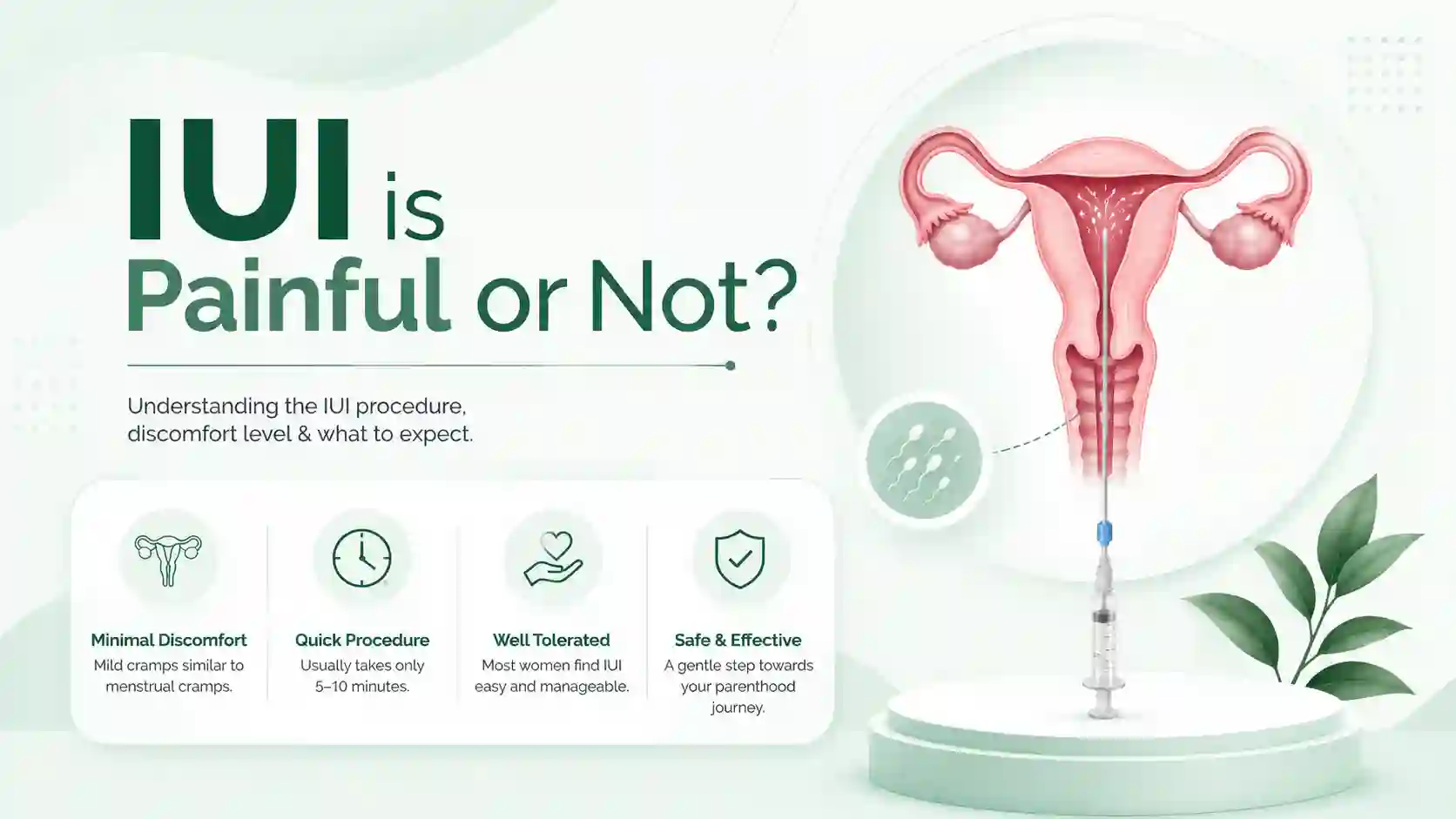
- Usually takes less than 10 minutes
- Does not require anesthesia
- Causes little or no pain for most patients
Step 5: Pregnancy Test
A pregnancy test is usually recommended about 14 days after IUI.
Benefits of Intrauterine Insemination (IUI)
IUI offers several advantages for suitable candidates.
Benefits include:
- Minimally invasive treatment
- Lower cost than IVF
- No surgery required
- Usually no anesthesia needed
- Short outpatient procedure
- Minimal recovery time
- Can be combined with fertility medications
- Appropriate for several infertility conditions
Risks, Side Effects, or Limitations
Although IUI is generally considered safe, it is not without risks.
Common side effects include:
- Mild cramping
- Light spotting
- Temporary pelvic discomfort
Less common risks include:
- Infection (rare)
- Multiple pregnancy when fertility medications are used
- Ovarian Hyperstimulation Syndrome (OHSS) in medicated cycles
- Unsuccessful treatment cycle
Your fertility specialist will discuss these risks before treatment.
Cost, Timeline, and Success Rate
Cost
The cost of IUI varies depending on:
- Clinic location
- Fertility evaluation
- Medications
- Laboratory services
- Ultrasound monitoring
- Number of treatment cycles
Request a detailed cost estimate from your fertility clinic before beginning treatment.
Timeline
A typical IUI cycle includes:
- Initial consultation
- Fertility testing
- Ovulation monitoring
- Sperm preparation
- IUI procedure
- Pregnancy test approximately two weeks later
The complete cycle usually takes about 2–3 weeks, depending on your menstrual cycle and treatment plan.
Success Rate
The success of IUI depends on several factors, including:
- Female age
- Cause of infertility
- Egg quality
- Sperm quality
- Ovulation timing
- Fallopian tube health
Your fertility specialist can discuss your individual likelihood of success based on your specific circumstances.
Factors Affecting Results
Several important factors influence IUI outcomes.
Female Age
Egg quality and ovarian reserve naturally decline with age.
Sperm Quality
Healthy sperm count, movement, and morphology improve fertilization potential.
Ovulation Timing
Accurate timing between ovulation and insemination is essential.
Fallopian Tube Health
At least one healthy, open fallopian tube is generally required for successful IUI.
Lifestyle Factors
Healthy habits may support reproductive health, including:
- Maintaining a healthy weight
- Eating a balanced diet
- Exercising regularly
- Avoiding smoking
- Limiting alcohol
- Managing chronic medical conditions
Emotional & Patient Perspective
Starting fertility treatment often brings a mixture of hope and uncertainty.
Many patients experience:
- Excitement about beginning treatment
- Anxiety before the procedure
- Emotional ups and downs during the two-week wait
- Concern about pregnancy test results
These feelings are common. Building a strong support system and maintaining open communication with your fertility team can make the experience easier to manage.
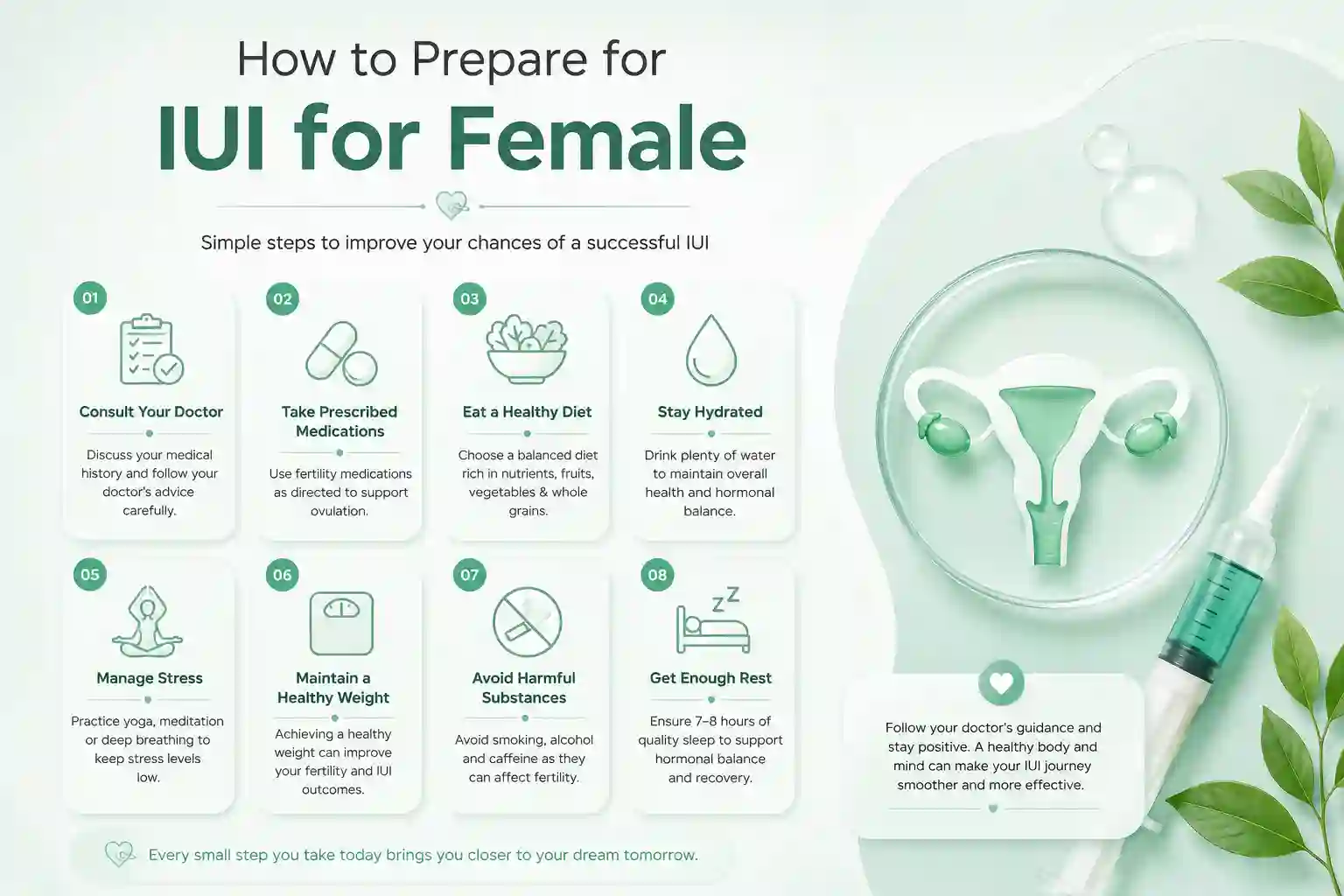
Tips for Preparing for IUI
Before your treatment:
- Attend all scheduled appointments.
- Follow your medication schedule carefully.
- Track ovulation as instructed.
- Maintain a healthy lifestyle.
- Stay hydrated.
- Get enough sleep.
- Ask your fertility specialist any questions you have about the procedure.
Being informed and prepared can help reduce anxiety and improve your overall treatment experience.
When to See a Fertility Specialist
Consider consulting a fertility specialist if:
- You are under 35 and have been trying to conceive for one year without success.
- You are 35 or older and have been trying to conceive for six months.
- You have irregular or absent menstrual cycles.
- You have known fertility concerns.
- You have experienced recurrent pregnancy loss.
- You are considering assisted reproductive treatment.
Early evaluation may help identify the most appropriate fertility treatment for your situation.
Intrauterine insemination (IUI) is a safe, minimally invasive, and widely used fertility treatment that may help individuals and couples achieve pregnancy when natural conception has been challenging. By placing specially prepared sperm directly into the uterus during ovulation, IUI aims to increase the chances of fertilization while remaining less invasive and more affordable than IVF. Success depends on several factors, including age, fertility diagnosis, sperm quality, and treatment timing. Working closely with an experienced fertility specialist and following your personalized treatment plan can help you make informed decisions throughout your fertility journey.
FAQs About Intrauterine Insemination (IUI)
1. What is intrauterine insemination (IUI)?
Intrauterine insemination (IUI) is a fertility treatment in which laboratory-prepared sperm is placed directly into the uterus during ovulation to improve the chances of fertilization.
2. Who is a good candidate for IUI?
IUI may be recommended for people with unexplained infertility, mild male factor infertility, ovulation disorders, cervical factor infertility, or those using donor sperm.
3. Is the IUI procedure painful?
Most patients experience little or no pain. Some may feel mild cramping or temporary discomfort similar to a routine pelvic examination.
4. How long does an IUI procedure take?
The insemination itself usually takes less than 10 minutes, although your clinic visit may last longer.
5. When should I take a pregnancy test after IUI?
Most fertility specialists recommend taking a pregnancy test about 14 days after IUI for the most accurate result.
6. Is IUI safer than IVF?
Both IUI and IVF are generally considered safe when performed by qualified fertility specialists. The most appropriate treatment depends on your individual fertility diagnosis.
7. How many IUI cycles are usually recommended?
The recommended number of IUI cycles varies based on age, fertility diagnosis, and treatment response. Your fertility specialist will develop a personalized treatment plan based on your individual needs.