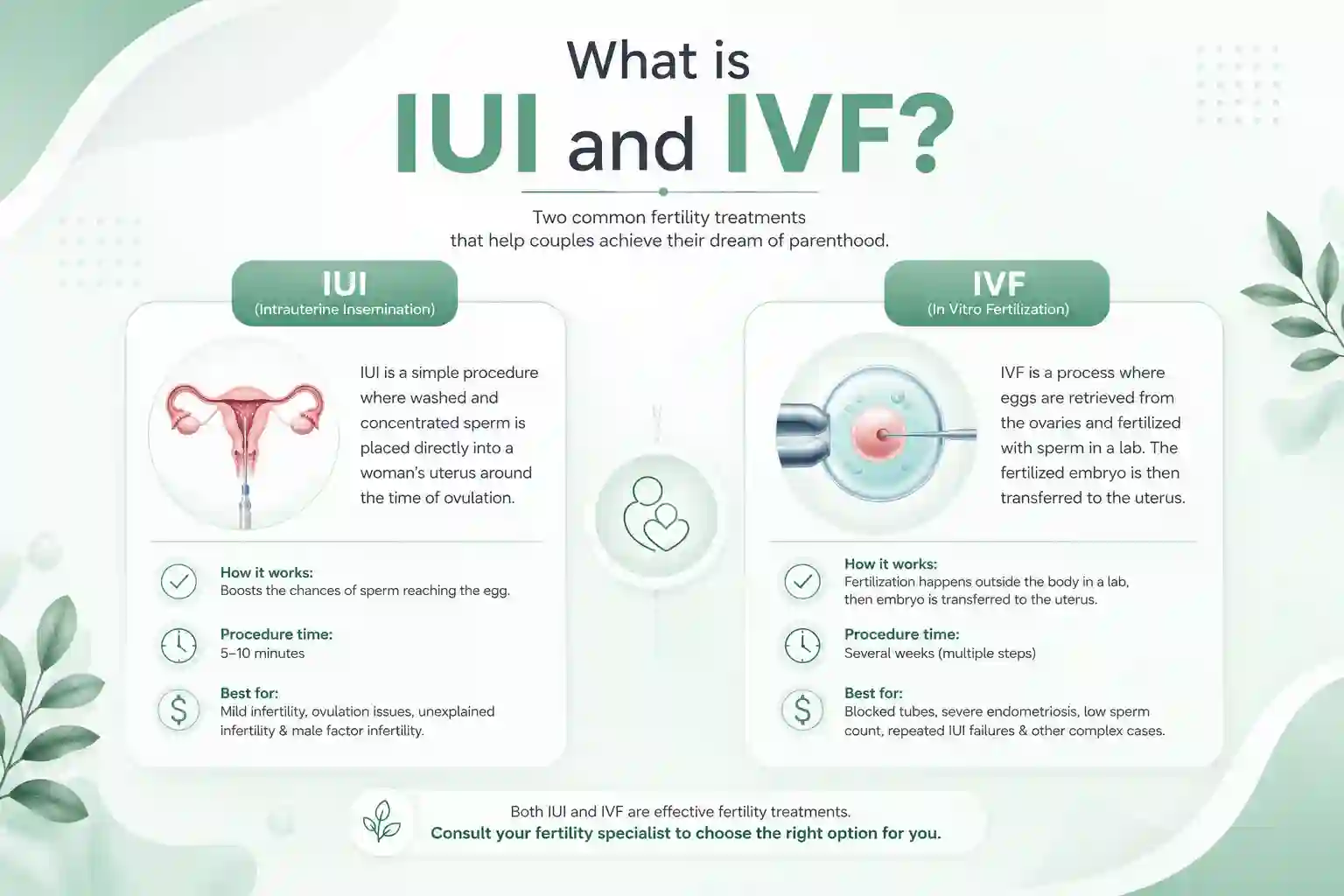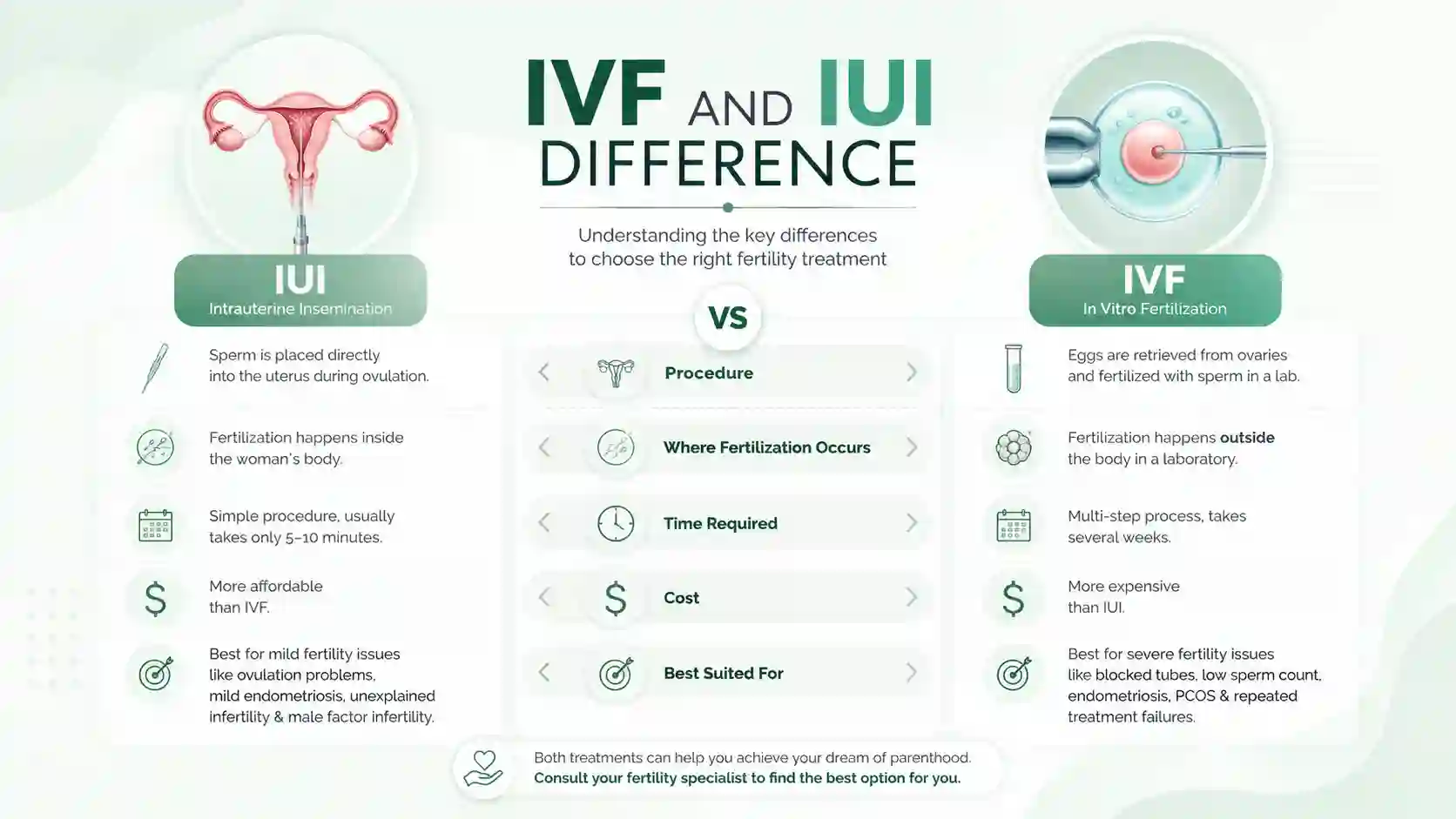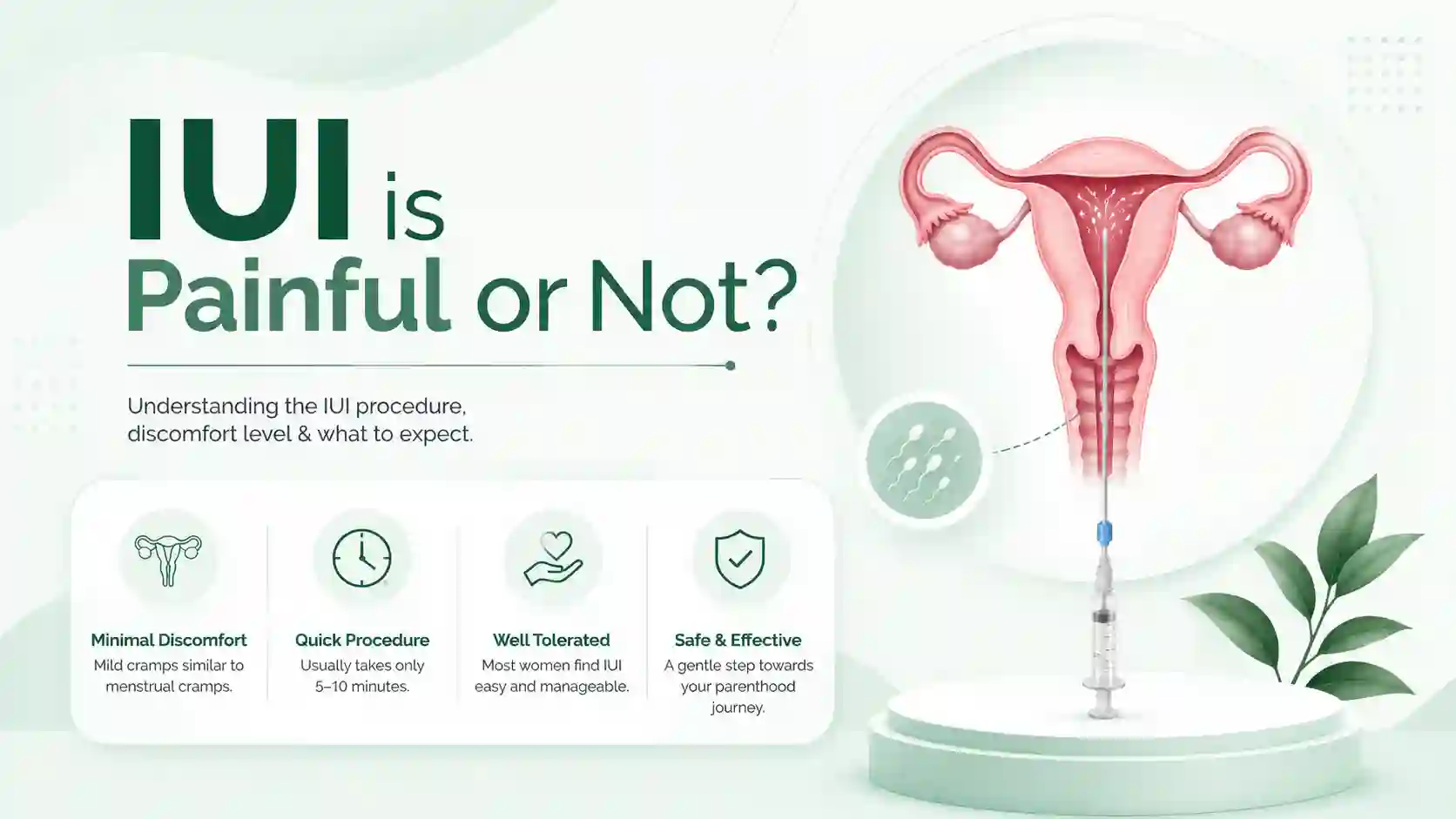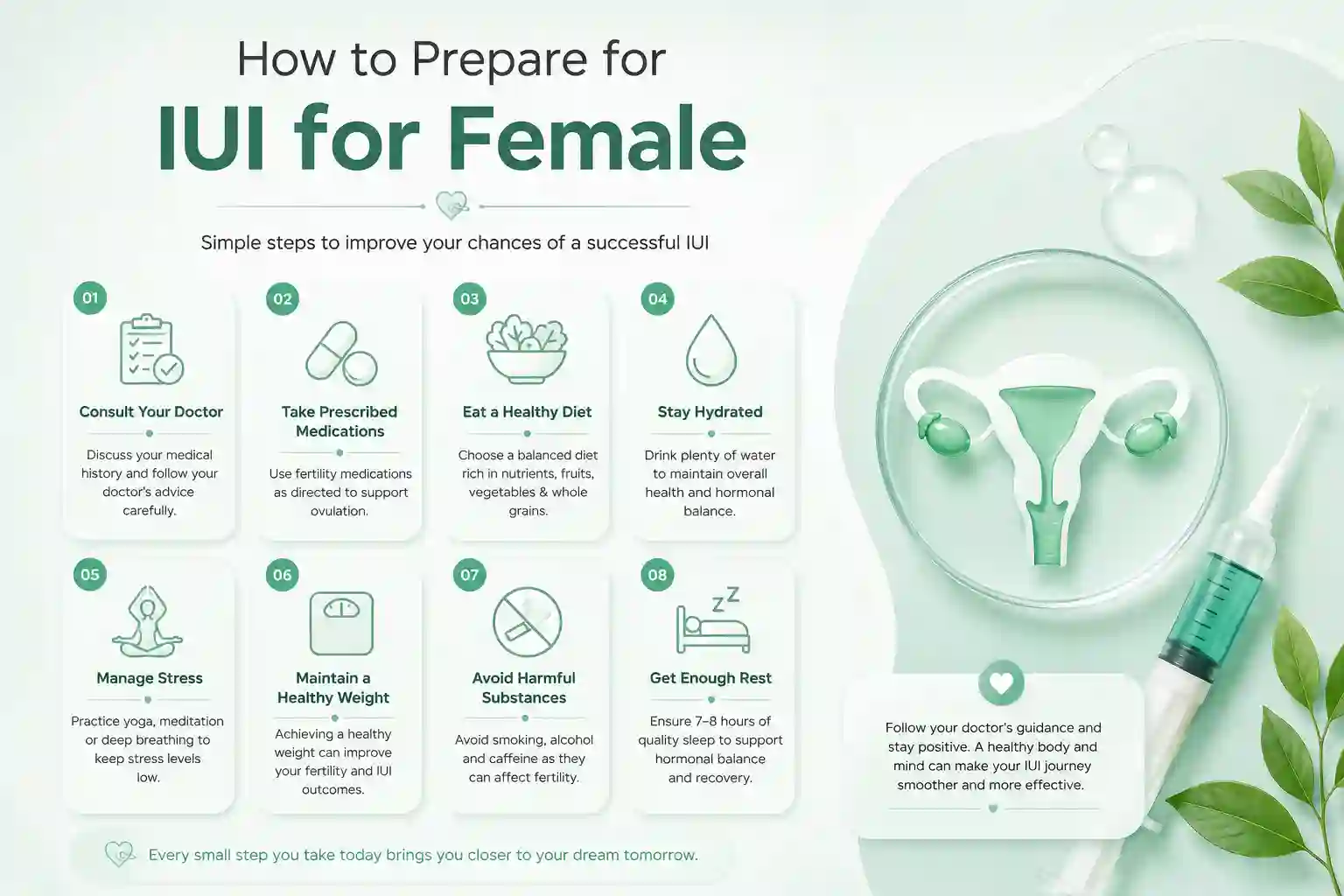
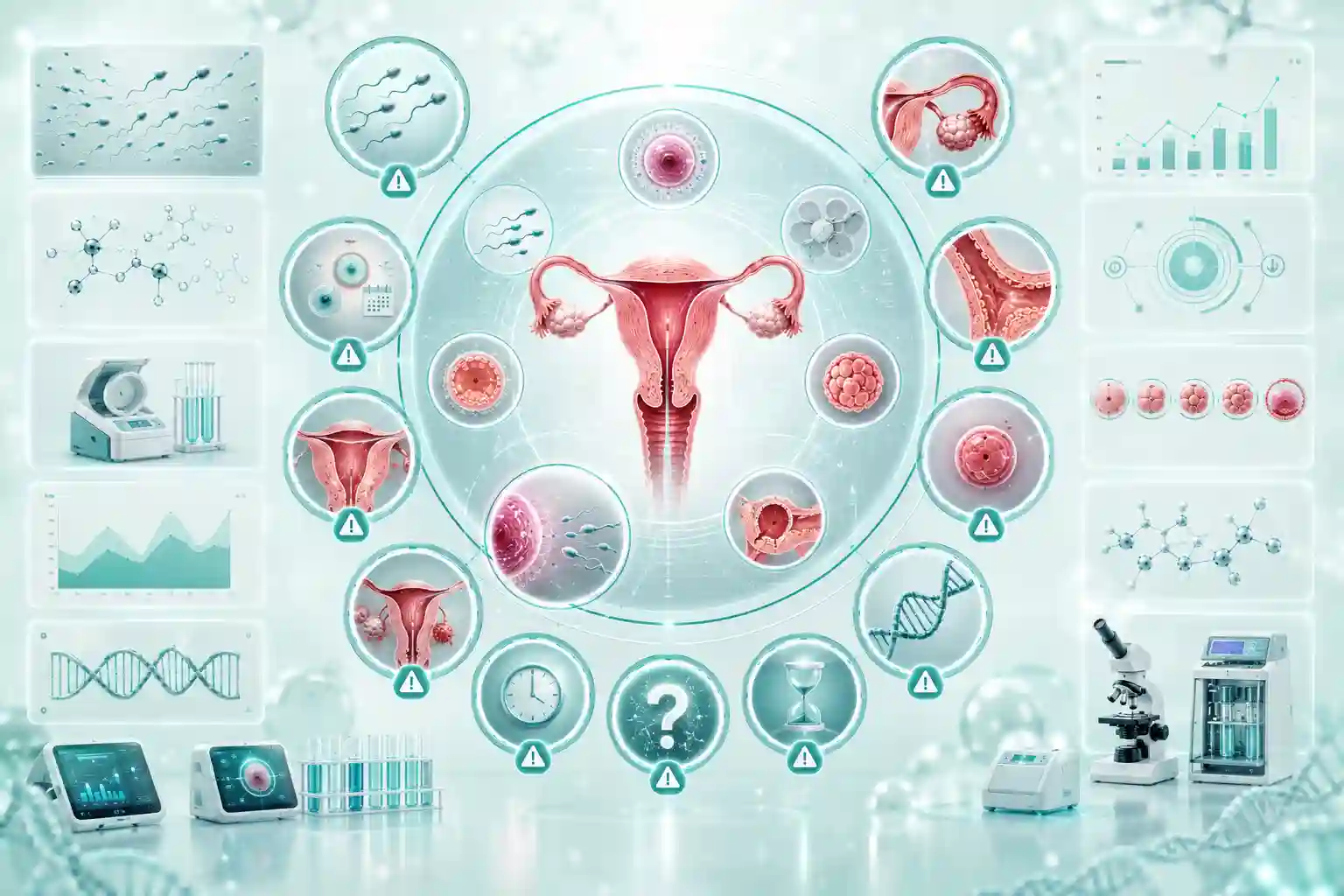
For many couples and individuals, intrauterine insemination (IUI) is the first assisted fertility treatment recommended by a specialist. While IUI has helped many people achieve pregnancy, it does not guarantee success. One of the most common questions after an unsuccessful cycle is, “Why IUI fails?”
The answer is often complex. Pregnancy depends on several biological processes happening at exactly the right time, including ovulation, fertilization, embryo development, implantation, and early pregnancy growth. Even when every step of the IUI procedure is performed correctly, pregnancy may still not occur.
Understanding why IUI fails can help you have realistic expectations, discuss the next steps with your fertility specialist, and make informed decisions about future treatment.
What Does It Mean When IUI Fails?
An unsuccessful IUI cycle means pregnancy did not occur after the insemination procedure.
This does not necessarily indicate that:
- The procedure was performed incorrectly.
- You cannot become pregnant.
- Future IUI cycles will also fail.
Many patients require more than one treatment cycle before achieving pregnancy.
Why Is It Important to Understand Why IUI Fails?
Learning why IUI fails helps patients:
- Set realistic expectations.
- Understand factors affecting fertility.
- Identify treatable medical conditions.
- Decide whether additional IUI cycles or IVF may be appropriate.
- Reduce unnecessary self-blame.
A failed IUI cycle is often related to biological factors that are beyond anyone’s control.
How Does IUI Work?
Understanding the treatment process helps explain why pregnancy may not occur.
Step 1: Ovulation
The ovary releases an egg naturally or after fertility medication.
Step 2: Sperm Preparation
The semen sample undergoes sperm washing to concentrate healthy, motile sperm.
Step 3: Insemination
Prepared sperm is placed directly into the uterus during the fertile window.
Step 4: Fertilization
The sperm travels to the fallopian tube, where it may fertilize the egg.
Step 5: Implantation
If fertilization occurs, the embryo travels to the uterus and implants into the uterine lining.
Failure can occur at any of these stages.
Common Reasons Why IUI Fails
1. Female Age
Age is one of the most important factors affecting fertility.
As age increases:
- Egg quality naturally declines.
- Chromosomal abnormalities become more common.
- Pregnancy rates decrease.
2. Poor Egg Quality
Even when ovulation occurs normally, not every egg is capable of producing a healthy embryo.
3. Reduced Sperm Quality
Low sperm count, poor motility, or abnormal sperm shape can reduce the likelihood of successful fertilization.
4. Incorrect Ovulation Timing
IUI must be carefully timed around ovulation.
If insemination occurs too early or too late, fertilization may not happen.
5. Blocked or Damaged Fallopian Tubes
At least one healthy, open fallopian tube is generally required because fertilization occurs there after IUI.
6. Implantation Problems
A healthy embryo must successfully attach to the uterine lining.
Sometimes implantation does not occur despite successful fertilization.
7. Underlying Fertility Conditions
Certain conditions may reduce IUI success, including:
- Moderate to severe endometriosis
- Diminished ovarian reserve
- Severe male factor infertility
- Untreated hormonal disorders
- Uterine abnormalities
8. Chance
Even in completely healthy couples, pregnancy does not occur every menstrual cycle.
Sometimes an unsuccessful IUI cycle reflects normal biological variation rather than a specific problem.
Can IUI Failure Be Prevented?
Not all causes of IUI failure can be prevented.
However, fertility specialists may improve the chances of success by:
- Carefully monitoring ovulation.
- Optimizing medication protocols.
- Treating underlying medical conditions.
- Performing sperm washing.
- Timing insemination precisely.
- Recommending lifestyle improvements when appropriate.
Benefits of Understanding Why IUI Fails
Knowing the possible reasons can help you:
- Make informed treatment decisions.
- Ask better questions during follow-up visits.
- Reduce unnecessary anxiety.
- Understand when IVF may be more appropriate.
- Maintain realistic expectations.
Risks, Side Effects, or Limitations
An unsuccessful IUI cycle can be emotionally difficult.
However, one failed cycle does not mean future treatment will fail.
Many people conceive after additional IUI cycles, while others benefit from transitioning to IVF depending on their fertility diagnosis.
Your fertility specialist will recommend the most appropriate next step.
Factors Affecting IUI Success
Several factors influence the likelihood of pregnancy.
Female Age
Egg quality naturally changes over time.
Sperm Quality
Healthy sperm count, movement, and morphology improve fertilization potential.
Ovulation Timing
Accurate timing remains one of the most important predictors of success.
Fertility Diagnosis
Some infertility conditions respond better to IUI than others.
Overall Health
Maintaining a healthy lifestyle supports reproductive health before and during treatment.
Emotional & Patient Perspective
A failed IUI cycle can bring feelings of disappointment, frustration, sadness, or self-doubt.
These emotions are completely understandable.
Remember:
- One unsuccessful cycle is common.
- A failed cycle does not mean you cannot become pregnant.
- Every fertility journey is unique.
- Your fertility specialist can review your treatment plan and recommend the next best step.
Seeking emotional support from your partner, family, friends, or a counselor may also be helpful during this time.
Tips After a Failed IUI Cycle
If your IUI was unsuccessful:
- Schedule a follow-up appointment with your fertility specialist.
- Review your fertility evaluation and treatment plan.
- Ask whether additional testing is recommended.
- Continue healthy lifestyle habits.
- Take prescribed medications as directed.
- Discuss whether another IUI cycle or IVF is appropriate for your situation.
Each treatment cycle provides valuable information that can help guide future decisions.
When to See a Fertility Specialist
Arrange a follow-up consultation if:
- Your pregnancy test is negative after IUI.
- You have experienced multiple unsuccessful IUI cycles.
- You have irregular menstrual cycles.
- You have concerns about egg quality or sperm quality.
- You would like to discuss IVF or other fertility treatments.
Your fertility specialist can help determine the most suitable next step based on your individual circumstances.
Understanding why IUI fails can help you approach fertility treatment with realistic expectations and greater confidence. Pregnancy depends on many factors, including egg quality, sperm quality, ovulation timing, implantation, age, and overall reproductive health. An unsuccessful IUI cycle does not necessarily mean that future treatment will fail. By working closely with your fertility specialist, reviewing your treatment plan, and addressing any underlying fertility concerns, you can make informed decisions about the next steps in your journey toward pregnancy.
FAQs About Why IUI Fails
1. Why does IUI fail even when everything seems normal?
Even with normal test results and properly timed treatment, pregnancy depends on several biological processes that must all occur successfully. Sometimes an unsuccessful cycle happens despite optimal conditions.
2. How many failed IUI cycles are considered normal?
Many fertility specialists recommend trying up to three or four IUI cycles for suitable candidates before considering other treatment options, depending on age and the underlying cause of infertility.
3. Does age affect IUI success?
Yes. Female age is one of the strongest factors influencing IUI success because egg quality naturally declines over time.
4. Can poor sperm quality cause IUI failure?
Yes. Low sperm count, poor motility, or abnormal sperm morphology can reduce the likelihood of fertilization.
5. Can implantation failure cause IUI to fail?
Yes. Even if fertilization occurs, pregnancy cannot continue unless the embryo successfully implants in the uterine lining.
6. Should I try another IUI cycle after one failure?
Many patients achieve pregnancy after additional IUI cycles. Your fertility specialist will recommend the most appropriate treatment based on your age, fertility diagnosis, and previous treatment response.
7. When should IVF be considered after failed IUI?
IVF may be recommended after several unsuccessful IUI cycles or sooner if factors such as blocked fallopian tubes, severe male factor infertility, diminished ovarian reserve, or advanced maternal age make IVF a more suitable option.