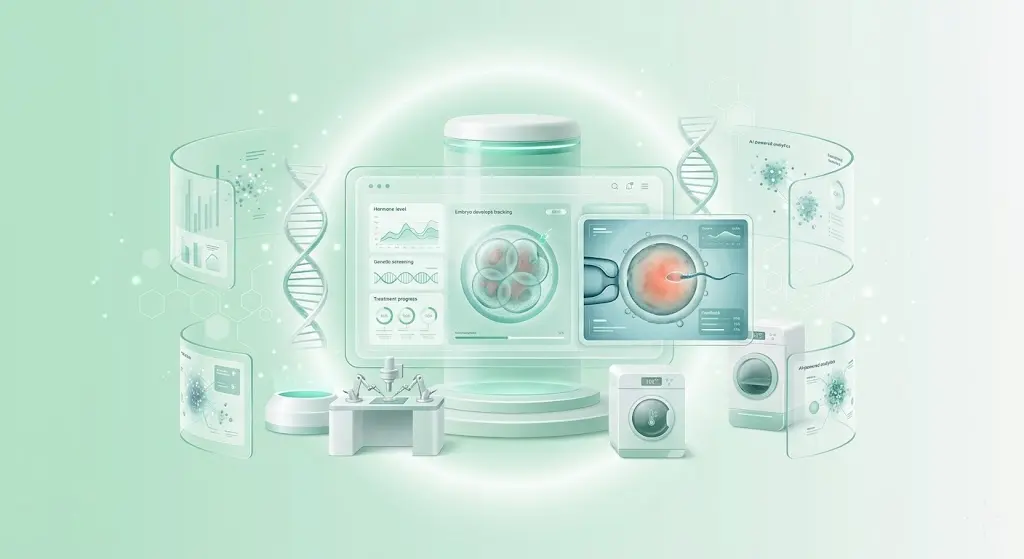
Advances in reproductive medicine have transformed the way infertility is treated, giving hope to millions of couples worldwide. One of the most important developments in this field is IVF technology, which has made pregnancy possible for many people facing fertility challenges.
IVF, or In Vitro Fertilization, combines medical science, laboratory procedures, and advanced embryo care to help fertilization occur outside the human body. Over the years, IVF technology has continued to improve through innovations such as embryo freezing, genetic testing, time-lapse embryo monitoring, and advanced sperm selection techniques.
Understanding IVF technology can help patients feel more informed and confident before starting fertility treatment.
What Is IVF Technology?
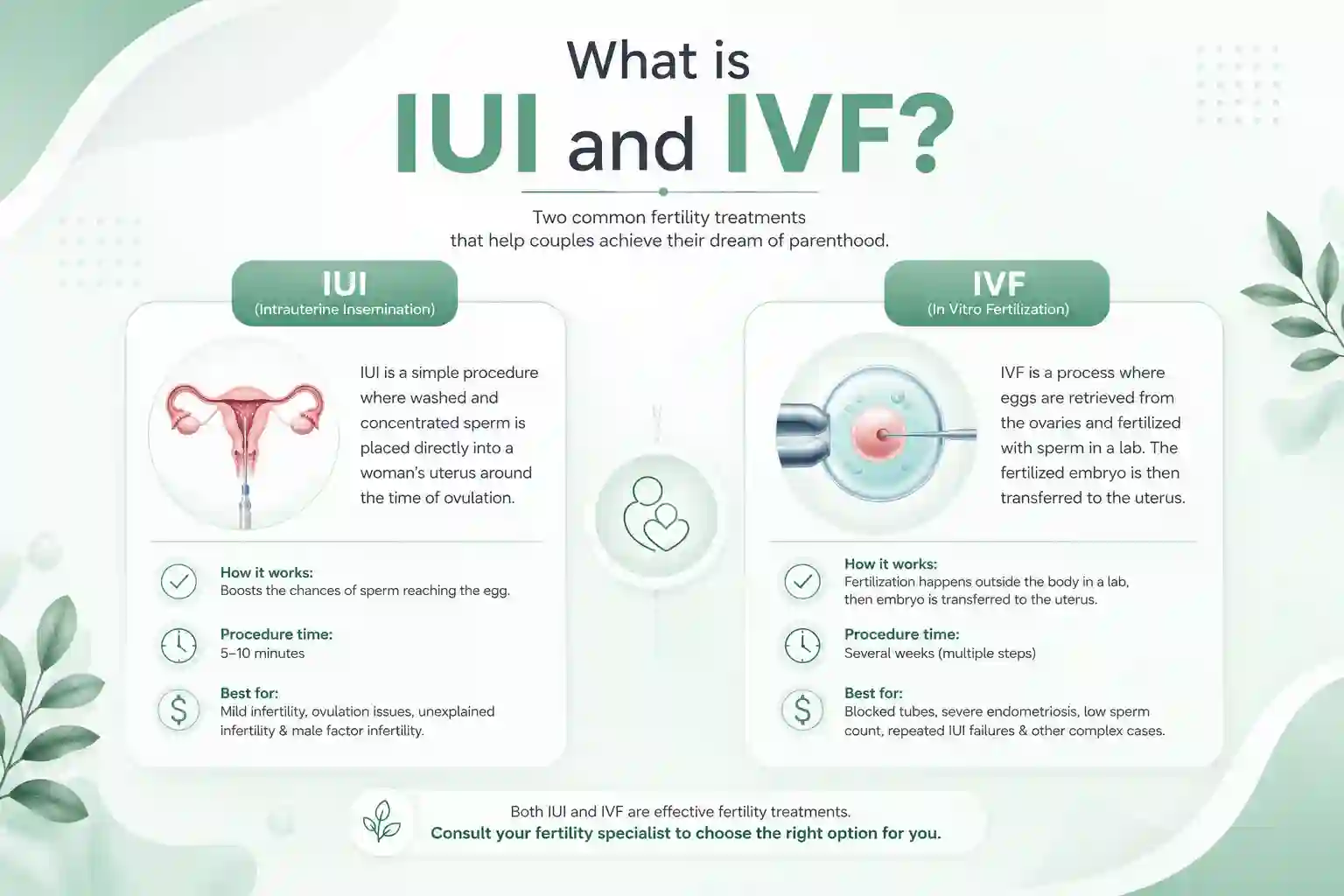
IVF technology refers to the medical and laboratory techniques used during In Vitro Fertilization to assist reproduction and improve the chances of pregnancy.
The IVF process generally involves:
- Stimulating the ovaries
- Retrieving eggs
- Fertilizing eggs with sperm in a laboratory
- Growing embryos under controlled conditions
- Transferring embryos into the uterus
Modern IVF technology includes specialized laboratory equipment, fertility medications, embryo culture systems, and advanced reproductive procedures designed to support fertilization and embryo development.
Why Is IVF Technology Important?
IVF technology is important because it helps treat many types of infertility that may not respond to natural conception or simpler fertility treatments.
It may help individuals and couples facing:
- Blocked fallopian tubes
- Male infertility
- Ovulation disorders
- Endometriosis
- Low sperm count
- Advanced maternal age
- Recurrent miscarriage
- Unexplained infertility
IVF technology has also expanded fertility options for:
- Single parents by choice
- Same-sex couples
- Cancer patients preserving fertility
How Does IVF Technology Work?
IVF technology combines multiple medical and laboratory steps to support conception.
Ovarian Stimulation Technology
Fertility medications stimulate the ovaries to produce multiple mature eggs instead of the single egg normally released during ovulation.
Doctors monitor ovarian response using:
- Ultrasound imaging
- Hormone testing
- Follicle tracking systems
This helps determine the ideal timing for egg retrieval.
Egg Retrieval Procedures
Egg retrieval is performed using ultrasound-guided technology and minimally invasive techniques.
A thin needle is inserted through the vaginal wall to collect eggs from ovarian follicles.
The procedure is usually done under sedation and often takes less than 30 minutes.
Laboratory Fertilization Systems
Once eggs are collected, fertilization occurs in specialized IVF laboratories.
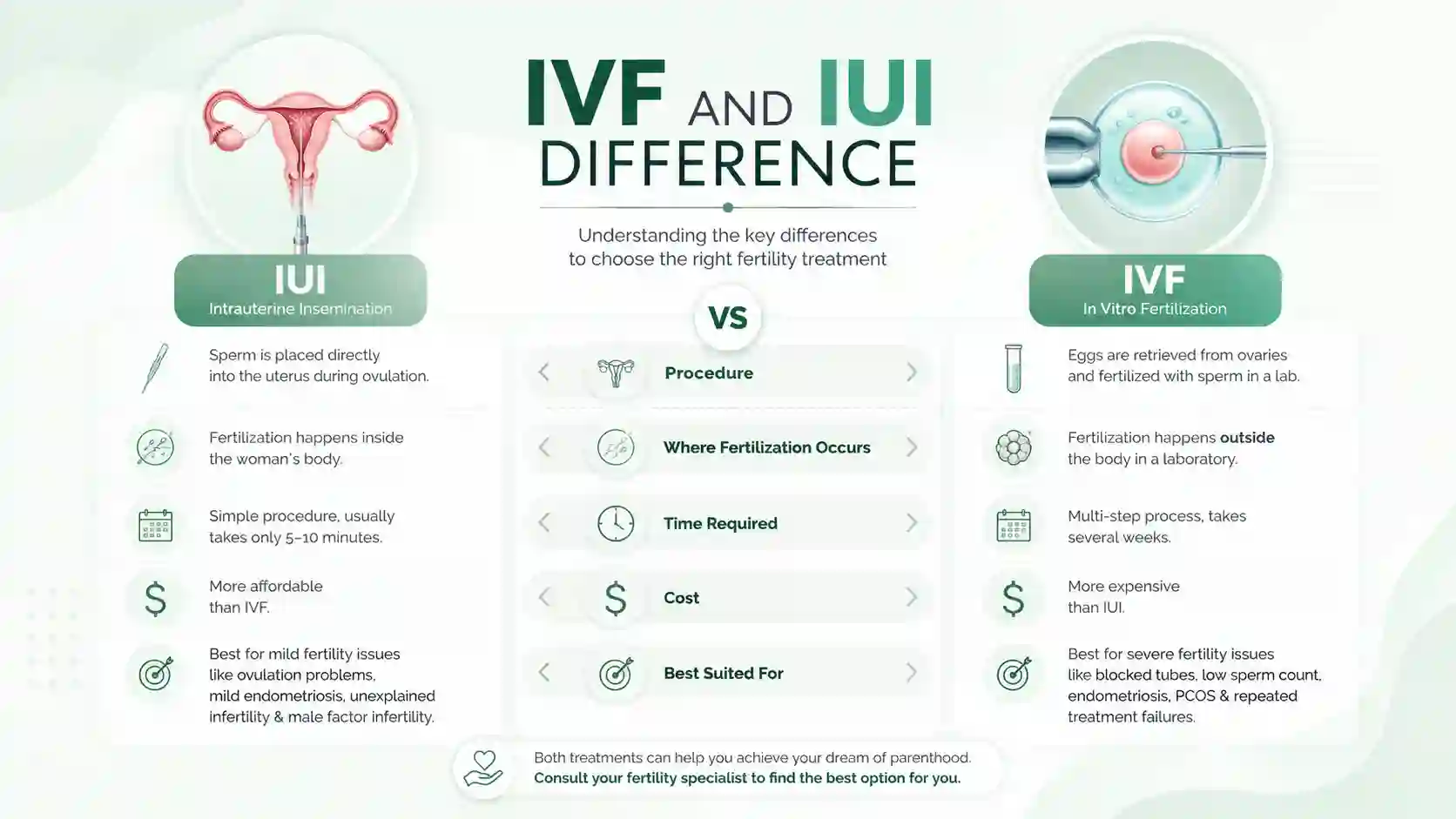
Conventional IVF
Eggs and sperm are combined in laboratory dishes to allow natural fertilization.
ICSI Technology
ICSI (Intracytoplasmic Sperm Injection) involves injecting a single sperm directly into an egg.
This technology is especially helpful for male infertility cases.
Embryo Culture Technology
Embryos develop inside carefully controlled incubators that regulate:
- Temperature
- Humidity
- Oxygen levels
- Nutrient conditions
These laboratory conditions aim to mimic the natural reproductive environment as closely as possible.
Time-Lapse Embryo Monitoring
Some fertility clinics use advanced imaging systems that continuously monitor embryo development without disturbing the incubator environment.
This technology helps embryologists evaluate:
- Cell division timing
- Embryo growth patterns
- Development quality
Genetic Testing Technology
Preimplantation Genetic Testing (PGT) allows doctors to examine embryos for certain chromosomal or genetic abnormalities before transfer.
PGT may help:
- Reduce miscarriage risk
- Improve embryo selection
- Identify certain inherited conditions
Genetic testing is not required for all IVF patients but may be recommended in specific cases.
Embryo Freezing Technology
Modern freezing methods, called vitrification, allow embryos and eggs to be preserved for future use.
Frozen embryo transfer technology has become increasingly successful in recent years.
Benefits of IVF Technology
Modern IVF technology offers several important fertility advantages.
Helps Treat Complex Infertility
IVF can help patients with severe reproductive challenges.
Better Embryo Selection
Advanced laboratory techniques help embryologists select healthier embryos.
Male Infertility Support
ICSI technology allows fertilization even with very low sperm counts.
Fertility Preservation
Eggs, sperm, and embryos may be frozen for future family planning.
Increased Reproductive Options
IVF technology supports a wide range of family-building situations.
Risks, Side Effects, or Limitations
Although IVF technology has advanced significantly, it still has risks and limitations.
Medication Side Effects
Fertility medications may cause:
- Bloating
- Mood changes
- Fatigue
- Breast tenderness
Ovarian Hyperstimulation Syndrome (OHSS)
In rare cases, ovarian stimulation medications may overstimulate the ovaries.
Emotional Stress
IVF treatment can feel emotionally demanding due to uncertainty and repeated procedures.
Financial Burden
Advanced fertility technology can be expensive for many families.
No Guaranteed Pregnancy
Even with advanced IVF technology, successful pregnancy cannot be guaranteed.
Cost, Timeline, or Success Rate
IVF costs vary depending on:
- Clinic location
- Technology used
- Medication needs
- Genetic testing
- Embryo freezing
- Number of treatment cycles
Typical IVF Timeline
| IVF Stage | Approximate Duration |
| Fertility testing | 1–2 weeks |
| Ovarian stimulation | 8–14 days |
| Egg retrieval | Single procedure day |
| Embryo culture | 3–5 days |
| Pregnancy testing | 10–14 days after transfer |
A complete IVF cycle usually takes around 4–6 weeks.
IVF Success Rates
Success rates depend on several factors, including:
- Female age
- Egg quality
- Embryo quality
- Sperm health
- Uterine condition
Younger patients generally experience higher success rates.
Factors Affecting Results
Several factors influence IVF technology outcomes.
Age
Egg quality naturally decreases with age.
Embryo Quality
Healthy embryos improve implantation chances.
Laboratory Standards
Experienced embryologists and high-quality laboratory environments are extremely important.
Lifestyle Habits
Smoking, obesity, alcohol use, stress, and poor sleep may negatively affect fertility outcomes.
Underlying Medical Conditions
Conditions such as endometriosis or hormonal disorders may influence treatment success.
Emotional & Patient Perspective
The IVF journey often involves strong emotional experiences.
Patients may feel:
- Hopeful
- Nervous
- Overwhelmed
- Emotionally exhausted
- Financially stressed
Advanced IVF technology may improve treatment possibilities, but emotional support remains extremely important throughout the fertility process.
Helpful coping strategies include:
- Fertility counseling
- Support groups
- Open communication
- Stress management
- Realistic expectations
Mental well-being should be considered part of overall fertility care.
Tips, Recommendations, or Preparation Guide
If you are considering IVF technology, these practical tips may help:
- Choose an experienced fertility clinic
- Ask about laboratory standards and technology
- Follow medication instructions carefully
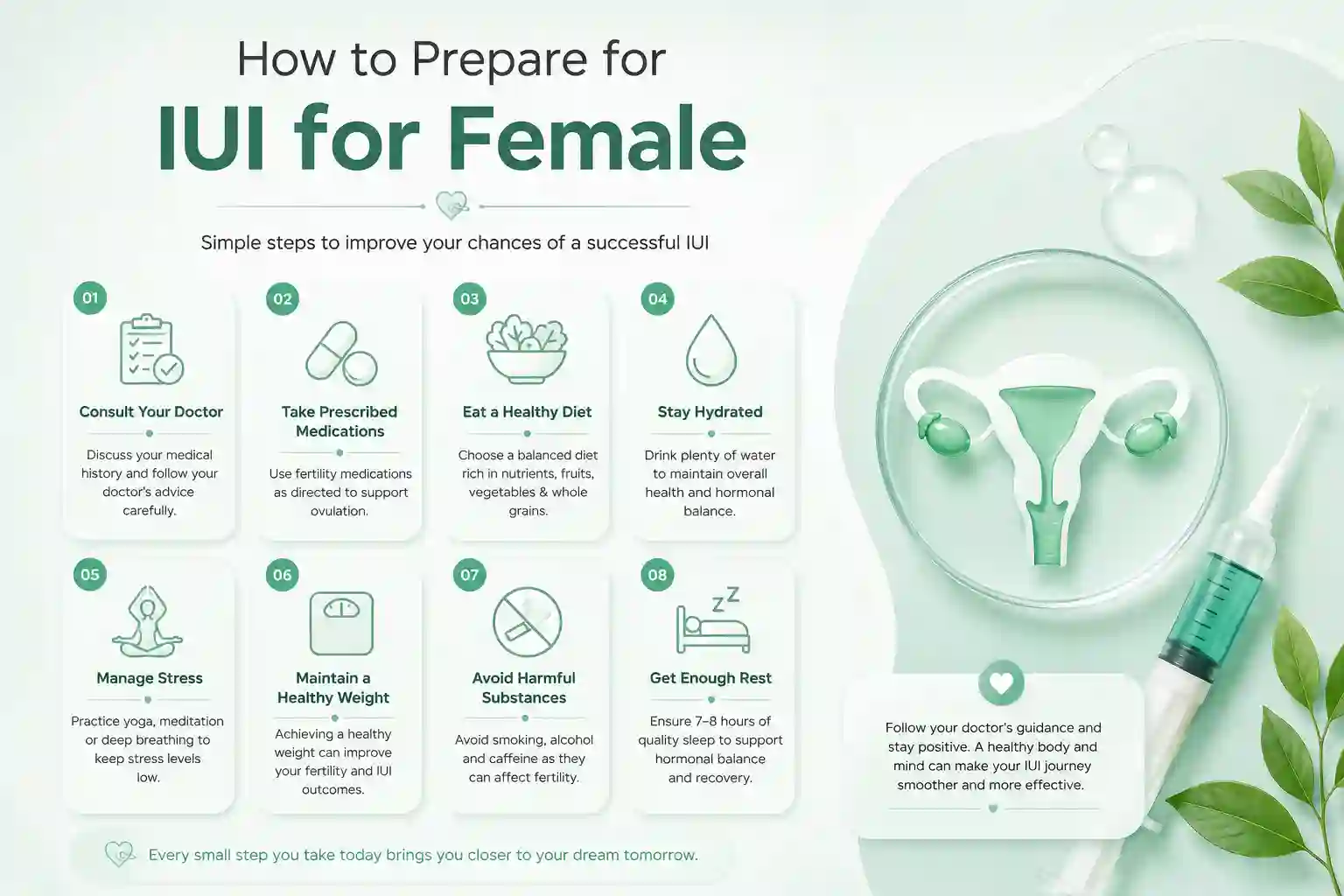
- Maintain a healthy lifestyle
- Attend all appointments
- Discuss financial planning early
- Ask questions about embryo transfer options
Preparation and education can help reduce anxiety before treatment begins.
When to See a Fertility Specialist
You should consider consulting a fertility specialist if:
- You have been trying to conceive for over one year
- You are over age 35 and struggling to conceive
- You have irregular menstrual cycles
- Male infertility concerns exist
- You experienced recurrent miscarriage
- You have known reproductive health conditions
Early fertility evaluation may improve treatment planning and outcomes.
IVF technology has transformed modern fertility treatment and created new possibilities for individuals and couples facing infertility. Through advanced laboratory systems, embryo culture methods, genetic testing, and fertility preservation techniques, IVF continues to improve reproductive care worldwide.
Although IVF can be physically, emotionally, and financially demanding, modern fertility technology has helped millions of families achieve pregnancy. Understanding how IVF technology works can help patients feel more informed, prepared, and confident as they begin their fertility journey.
FAQs About IVF Technology
What is IVF technology?
IVF technology refers to the medical and laboratory techniques used during In Vitro Fertilization to help fertilization and pregnancy occur.
How successful is IVF technology?
Success rates depend on factors such as age, embryo quality, fertility diagnosis, and overall reproductive health.
What is ICSI in IVF technology?
ICSI is a procedure where a single sperm is injected directly into an egg to improve fertilization chances.
Can embryos be frozen with IVF technology?
Yes. Modern vitrification techniques allow embryos and eggs to be frozen successfully for future use.
Is IVF technology safe?
IVF is generally considered safe when performed by qualified fertility specialists, although some risks and side effects exist.