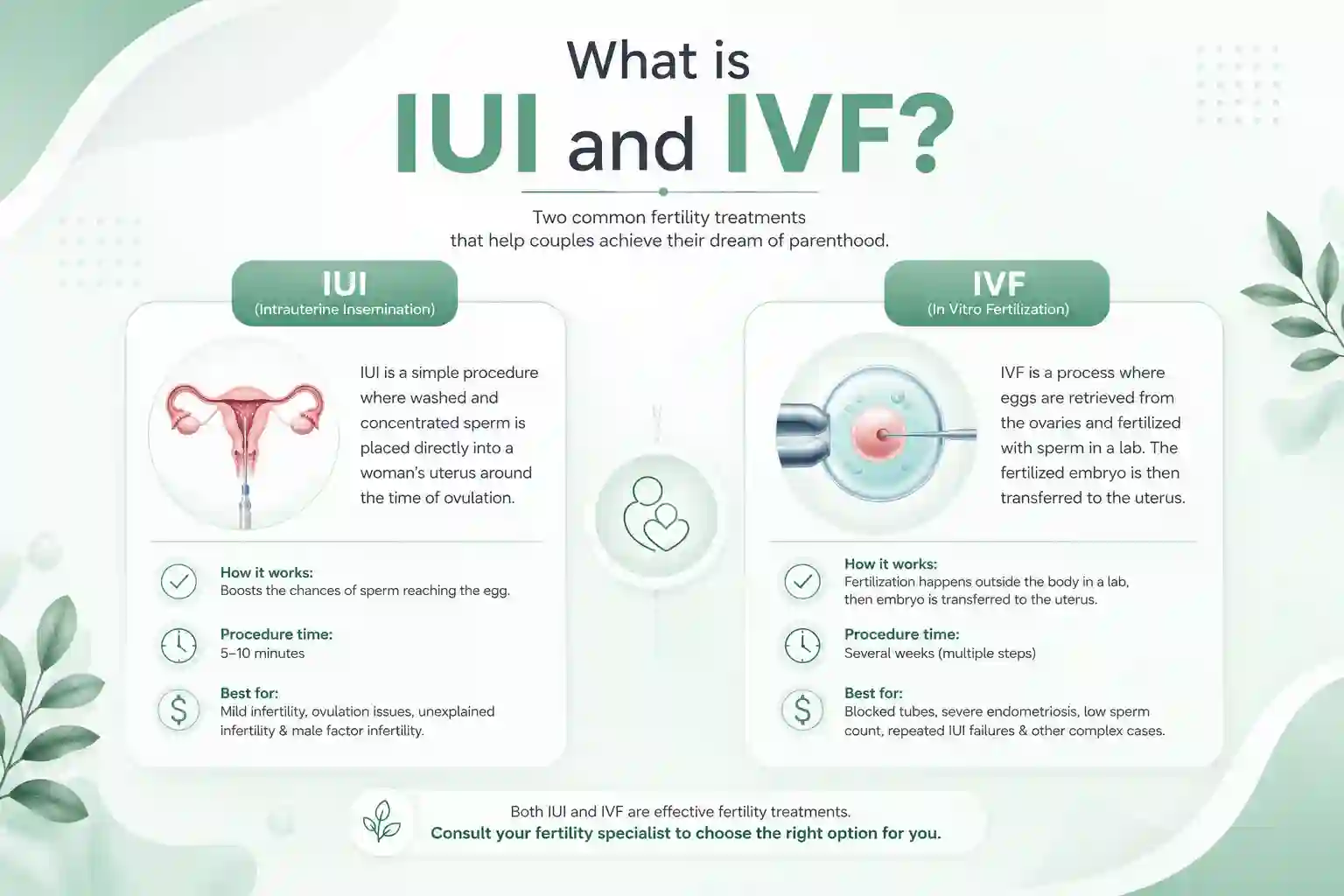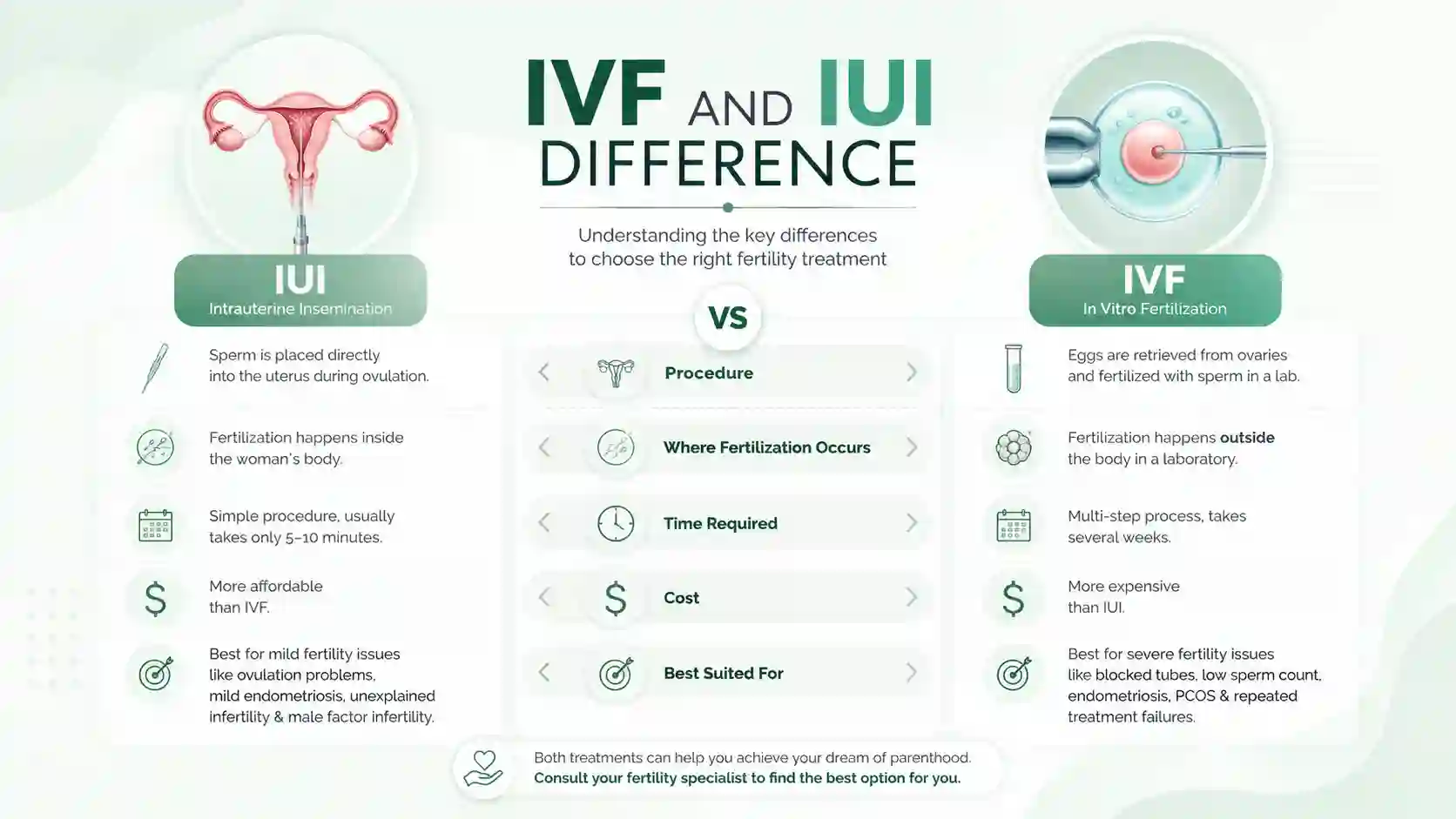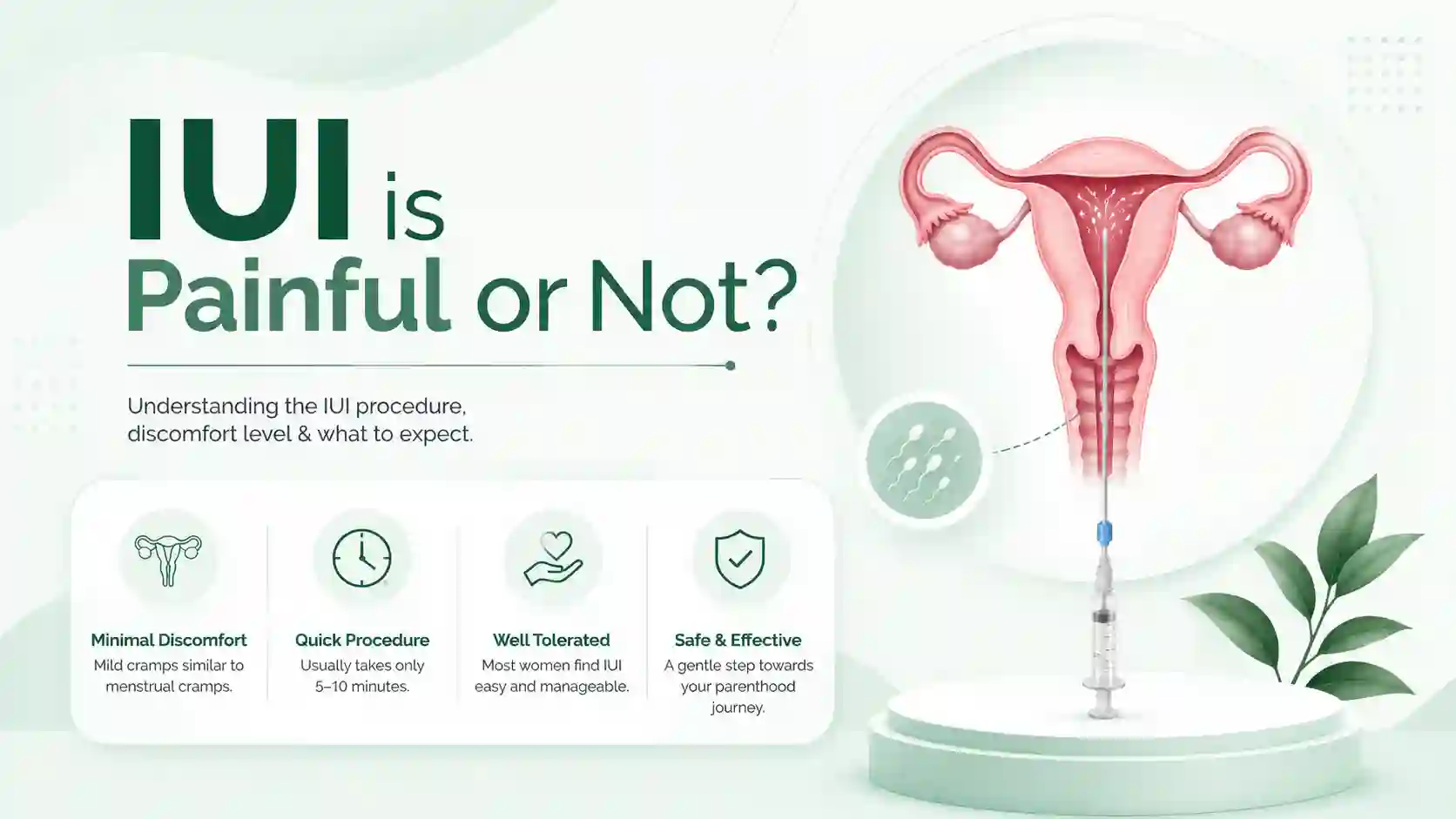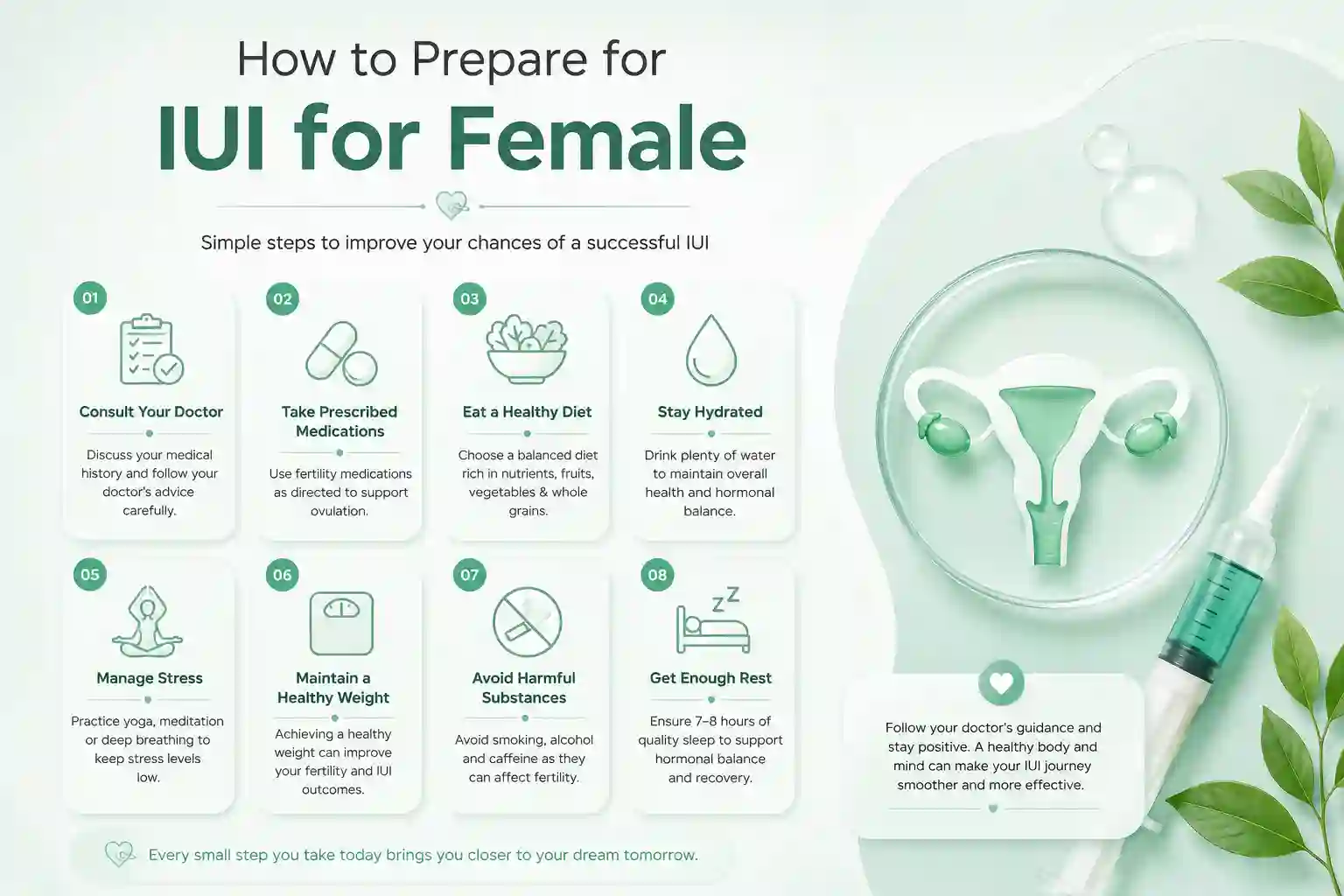

Starting IVF treatment often brings excitement, hope, and plenty of questions. One of the most common concerns patients have is about IVF injections side effects and whether the medications will cause discomfort or affect daily life.
IVF injections are a crucial part of fertility treatment because they help stimulate the ovaries, support egg development, and prepare the body for pregnancy. While these medications are generally safe and closely monitored, they can cause temporary side effects due to changes in hormone levels.
Understanding what is normal—and when to seek medical advice—can help patients feel more prepared and confident throughout their IVF journey.
What Are IVF Injections Side Effects?
IVF injections side effects are physical and emotional symptoms that may occur as the body responds to fertility medications used during In Vitro Fertilization (IVF).
These medications often contain hormones that help:
- Stimulate egg production
- Prevent premature ovulation
- Trigger egg maturation
- Support implantation and early pregnancy
Because IVF involves hormonal changes, side effects can vary from person to person.
Why Are IVF Injections Important?
Although side effects can occur, IVF injections play a vital role in treatment success.
They help fertility specialists:
- Produce multiple mature eggs
- Improve egg retrieval outcomes
- Control ovulation timing
- Support embryo transfer preparation
- Increase the chances of fertilization
Without these medications, IVF treatment would be far less effective.
How Do IVF Injections Work?
Different injections are used at various stages of the IVF cycle.
Ovarian Stimulation Injections
These medications encourage the ovaries to develop multiple follicles instead of the single egg normally produced each month.
Ovulation Suppression Injections
These prevent eggs from being released too early before retrieval.
Trigger Shot
The trigger injection helps mature eggs before egg retrieval.
Progesterone Support
Progesterone injections or supplements help prepare and maintain the uterine lining after embryo transfer.
Each medication type may cause slightly different side effects.
Common IVF Injections Side Effects
Most IVF injections side effects are mild and temporary.
Bloating
Many patients experience abdominal bloating as the ovaries enlarge during stimulation.
Symptoms may include:
- Feeling full
- Tightness in the abdomen
- Mild pelvic pressure
Mild Pelvic Discomfort
Growing follicles can cause temporary discomfort or cramping.
Breast Tenderness
Hormonal changes may make breasts feel:
- Sensitive
- Swollen
- Tender to touch
Fatigue
Feeling tired or low on energy is common during IVF treatment.
Mood Swings
Hormone fluctuations may contribute to:
- Irritability
- Emotional sensitivity
- Anxiety
- Mood changes
Headaches
Some fertility medications can trigger mild headaches.
Injection Site Reactions
Patients may notice:
- Redness
- Bruising
- Mild swelling
- Tenderness
These reactions are usually temporary and improve within a few days.
Less Common IVF Injections Side Effects
Some patients experience less common symptoms.
Nausea
Hormonal changes may occasionally cause mild nausea.
Dizziness
Temporary dizziness can occur, particularly after injections or hormonal fluctuations.
Sleep Disturbances
Some patients report difficulty sleeping or changes in sleep patterns during treatment.
Increased Vaginal Discharge
Hormonal medications may affect cervical and vaginal secretions.
Serious Risks and Complications
Although uncommon, some IVF injection side effects require medical attention.
Ovarian Hyperstimulation Syndrome (OHSS)
OHSS occurs when the ovaries respond too strongly to fertility medications.
Symptoms may include:
- Severe bloating
- Rapid weight gain
- Significant abdominal pain
- Nausea and vomiting
- Shortness of breath
- Reduced urination
Most cases are mild, but severe OHSS requires prompt medical care.
Allergic Reactions
Rarely, patients may develop allergic reactions to fertility medications.
Possible signs include:
- Rash
- Severe itching
- Facial swelling
- Difficulty breathing
Seek emergency medical care if these symptoms occur.
Benefits of IVF Injections
Despite potential side effects, IVF injections provide several important benefits.
Increased Egg Production
More eggs may increase the chances of creating healthy embryos.
Better Fertility Control
Doctors can carefully manage ovulation timing and treatment progression.
Improved IVF Success Opportunities
Controlled ovarian stimulation helps optimize egg retrieval and embryo development.
Personalized Treatment
Medication doses can be adjusted based on individual response.
Cost, Timeline, or Success Rate
IVF medications often represent a significant portion of IVF treatment costs.
Costs vary depending on:
- Medication type
- Dosage required
- Duration of treatment
- Fertility clinic protocols
Typical Injection Timeline
| IVF Stage | Duration |
| Ovarian stimulation | 8–14 days |
| Ovulation suppression | Several days |
| Trigger shot | One injection |
| Progesterone support | Days to weeks |
Impact on Success Rates
Proper use of IVF medications helps maximize:
- Egg development
- Fertilization opportunities
- Embryo quality
- Pregnancy potential
Factors Affecting IVF Injections Side Effects
Not all patients experience side effects in the same way.
Several factors may influence symptoms.
Age
Hormonal response may vary depending on age.
Medication Dosage
Higher doses may increase the likelihood of side effects.
Ovarian Reserve
Patients with conditions such as PCOS may respond differently to stimulation medications.
Overall Health
Lifestyle factors and general health can affect treatment response.
Individual Hormone Sensitivity
Some individuals are naturally more sensitive to hormonal changes.
Emotional & Patient Perspective
Many patients worry about IVF injections before treatment begins.
Common concerns include:
- Fear of needles
- Side effect anxiety
- Medication mistakes
- Treatment stress
Fortunately, most patients find that injections become easier with practice.
Helpful coping strategies include:
- Creating a medication schedule
- Using reminders
- Asking clinic staff for demonstrations
- Having partner support
- Staying organized
Emotional support can be just as important as physical preparation.
Tips to Manage IVF Injections Side Effects
If you are experiencing IVF injection side effects, these practical tips may help:
- Stay hydrated
- Wear comfortable clothing
- Get adequate rest
- Follow medication instructions carefully
- Rotate injection sites
- Use ice packs if recommended
- Avoid intense physical activity if advised
- Keep communication open with your fertility clinic
Never change medication doses without medical guidance.
When to See a Fertility Specialist
Contact your fertility specialist immediately if you experience:
- Severe abdominal pain
- Rapid weight gain
- Significant bloating
- Difficulty breathing
- Heavy bleeding
- Severe nausea or vomiting
- Signs of allergic reaction
Prompt evaluation can help prevent complications and ensure safe treatment.
Understanding IVF injections side effects can help patients feel more prepared and less anxious about fertility treatment. Most side effects—including bloating, fatigue, mood swings, and mild discomfort—are temporary and manageable. Serious complications such as ovarian hyperstimulation syndrome are uncommon but require prompt medical attention.
Every patient’s experience is different, and close monitoring by a fertility specialist helps ensure treatment remains safe and effective. By understanding what to expect and maintaining open communication with your care team, you can navigate IVF treatment with greater confidence and peace of mind.
FAQs About IVF Injections Side Effects
Are IVF injections painful?
Most IVF injections cause only mild discomfort because the needles are typically very small. Some patients may experience temporary soreness or bruising.
How long do IVF injection side effects last?
Most side effects improve shortly after stimulation medications are completed, although some symptoms may continue until after egg retrieval or embryo transfer.
Is bloating normal during IVF injections?
Yes. Mild to moderate bloating is one of the most common IVF injections side effects due to ovarian stimulation.
Can IVF injections affect mood?
Yes. Hormonal changes during treatment may contribute to mood swings, irritability, anxiety, or emotional sensitivity.
What is the most serious side effect of IVF injections?
Ovarian Hyperstimulation Syndrome (OHSS) is one of the most significant potential complications, although severe cases are uncommon.