If you recently had a frozen or fresh embryo transfer, you may be wondering how to calculate your pregnancy timeline accurately. One of the most searched fertility questions is about the IVF due date calculator 5-day transfer because IVF pregnancies follow a slightly different dating method than natural conception.
With IVF, doctors know the exact fertilization and embryo transfer dates, making pregnancy dating more precise. A 5-day embryo transfer means the embryo had already developed for five days before being placed into the uterus.
This guide explains how the IVF due date calculator for a 5-day transfer works, how pregnancy weeks are counted, and what milestones to expect during early IVF pregnancy.
What Is IVF Due Date Calculator 5-Day Transfer?
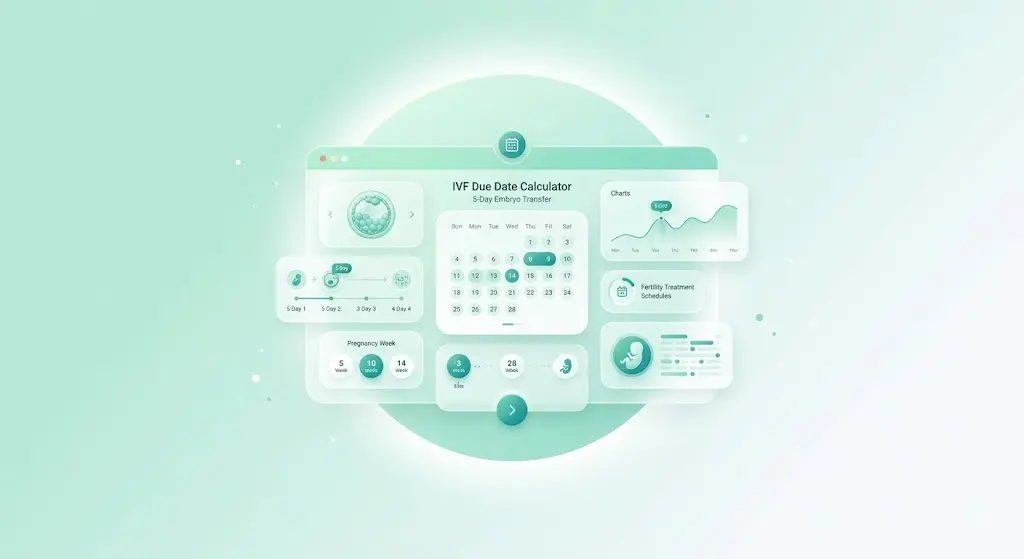
An IVF due date calculator 5-day transfer estimates the expected delivery date after transferring a 5-day-old embryo during IVF treatment.
Unlike natural pregnancy dating, IVF calculations are based on:
- Embryo age
- Egg retrieval date
- Fertilization timing
- Embryo transfer date
Because these dates are known precisely, IVF due dates are often more accurate than naturally conceived pregnancy estimates.
Why Is IVF Due Date Calculator 5-Day Transfer Important?
Knowing your estimated due date helps patients and doctors:
- Track pregnancy development
- Schedule prenatal appointments
- Monitor fetal growth
- Plan ultrasounds
- Estimate pregnancy milestones
Accurate dating is especially important during IVF pregnancies because fertility specialists closely monitor early pregnancy progression.
How Does IVF Due Date Calculator 5-Day Transfer Work?
A 5-day embryo transfer means the embryo was already growing for five days before transfer into the uterus.
IVF Due Date Formula for 5-Day Transfer
The most common calculation is:
- Embryo Transfer Date + 261 Days
This equals approximately 38 weeks minus the embryo’s 5-day age.
Pregnancy Age on Transfer Day
On the day of a 5-day embryo transfer, you are considered:
- 2 weeks and 5 days pregnant
This may feel surprising, but pregnancy dating starts from the estimated last menstrual period rather than actual conception.
IVF Due Date Calculator 5-Day Transfer Example
| Embryo Transfer Date | Estimated Due Date |
| January 5, 2026 | September 23, 2026 |
| February 10, 2026 | October 29, 2026 |
| April 1, 2026 | December 18, 2026 |
| June 15, 2026 | March 3, 2027 |
IVF Pregnancy Timeline After 5-Day Transfer
Understanding the timeline after embryo transfer can help reduce stress during the waiting period.
1–2 Days After Transfer
The embryo begins attaching to the uterine lining.
3–5 Days After Transfer
Implantation may occur.
9–14 Days After Transfer
A blood pregnancy test (beta hCG) is usually performed.
Around 6 Weeks Pregnancy
The first ultrasound may detect a gestational sac and heartbeat.
10–12 Weeks Pregnancy
Many patients transition from fertility clinic care to regular obstetric care.
Benefits of IVF Due Date Calculator 5-Day Transfer
An IVF due date calculator helps provide clarity and emotional reassurance during fertility treatment.
More Accurate Pregnancy Dating
IVF pregnancies have exact fertilization timing, improving due date accuracy.
Better Pregnancy Monitoring
Doctors can monitor fetal development more precisely.
Improved Appointment Planning
Patients can prepare for:
- Blood tests
- Ultrasounds
- Prenatal milestones
- Maternity planning
Emotional Reassurance
Many IVF patients feel more comfortable understanding the pregnancy timeline clearly.
Risks, Side Effects, or Limitations
Although IVF due dates are highly accurate, actual delivery timing can still vary.
Most Babies Do Not Arrive Exactly on the Due Date
Only a small percentage of babies are born on the exact estimated date.
Twin or Multiple Pregnancies
Multiple pregnancies may deliver earlier than singleton pregnancies.
Pregnancy Complications
Conditions such as preterm labor or gestational complications can affect delivery timing.
IVF Does Not Eliminate Normal Pregnancy Variability
Even with accurate dating, natural differences in pregnancy length still occur.
Cost, Timeline, or Success Rate
An IVF due date calculator itself is usually free, but IVF pregnancy monitoring may include:
- Blood tests
- Ultrasounds
- Hormone medications
- Prenatal appointments
Typical IVF Pregnancy Timeline
| IVF Milestone | Approximate Timing |
| Embryo transfer | Day 0 |
| Implantation | Days 1–5 |
| Pregnancy test | Days 9–14 |
| First ultrasound | Around 6 weeks pregnancy |
| End of first trimester | 12–13 weeks |
IVF Success Rates
Pregnancy success depends on several factors, including:
- Female age
- Embryo quality
- Uterine health
- Fertility diagnosis
- Hormonal support
Factors Affecting Results
Several factors influence IVF pregnancy progression after a 5-day embryo transfer.
Embryo Quality
Healthy embryos improve implantation chances.
Maternal Age
Age affects both implantation and pregnancy outcomes.
Uterine Health
The uterine lining must support implantation successfully.
Hormonal Support
Progesterone and other medications help maintain early pregnancy.
Overall Health
Lifestyle factors such as smoking, obesity, poor sleep, and stress may affect pregnancy outcomes.
Emotional & Patient Perspective
The period after embryo transfer is often emotionally intense for IVF patients.
Many people experience:
- Anxiety during the two-week wait
- Fear of unsuccessful implantation
- Emotional ups and downs
- Hyperawareness of pregnancy symptoms
It is important to remember that symptoms vary greatly between patients.
Some patients experience:
- Mild cramping
- Fatigue
- Breast tenderness
- No symptoms at all
The absence of symptoms does not necessarily mean the cycle failed.
Tips, Recommendations, or Preparation Guide
After a 5-day embryo transfer, fertility specialists commonly recommend:
- Taking medications exactly as prescribed
- Staying hydrated
- Avoiding smoking and alcohol
- Limiting intense exercise
- Attending all follow-up appointments
- Managing stress levels
Light daily activity is usually acceptable unless your doctor advises otherwise.
When to See a Fertility Specialist
Contact your fertility clinic if you experience:
- Heavy bleeding
- Severe abdominal pain
- Fever
- Difficulty breathing
- Severe bloating
- Concerns about medications
Early medical guidance is important during IVF pregnancy.
An IVF due date calculator 5-day transfer helps estimate pregnancy timing more accurately because IVF provides exact fertilization and embryo transfer dates. In most cases, the due date is calculated by adding 261 days to the embryo transfer date.
Understanding your IVF pregnancy timeline can help reduce stress, improve preparation, and make the fertility journey feel more manageable. While due dates are estimates rather than guarantees, accurate IVF dating allows fertility specialists to monitor pregnancy development carefully throughout each stage.
FAQs About IVF Due Date Calculator 5-Day Transfer
How do you calculate IVF due date with a 5-day transfer?
The estimated due date is usually calculated by adding 261 days to the embryo transfer date.
How pregnant are you on a 5-day embryo transfer day?
You are considered approximately 2 weeks and 5 days pregnant on transfer day.
Is IVF due date more accurate than natural pregnancy dating?
Yes. IVF pregnancies are often dated more accurately because fertilization and embryo transfer dates are known exactly.
When does implantation happen after a 5-day transfer?
Implantation usually occurs within 1–5 days after embryo transfer.
When should I take a pregnancy test after IVF transfer?
Most fertility clinics recommend a blood pregnancy test about 9–14 days after embryo transfer.