
If you are struggling to conceive or considering fertility treatment, finding the right IVF doctor can be one of the most important decisions in your journey to parenthood. An IVF doctor specializes in diagnosing and treating infertility, helping individuals and couples understand their reproductive health and explore treatment options.
Whether you are just starting fertility testing or actively considering IVF, understanding the role of an IVF doctor can help you feel more confident and informed.
What Is an IVF Doctor?
An IVF doctor is a fertility specialist who diagnoses and treats reproductive health conditions that may affect a person’s ability to conceive.
Most IVF doctors are trained in:
- Reproductive endocrinology
- Infertility treatment
- Assisted reproductive technology (ART)
- Hormonal disorders affecting fertility
They work closely with embryologists, nurses, laboratory teams, and fertility counselors to provide comprehensive fertility care.
Why Is an IVF Doctor Important?
Infertility can have many causes, and determining the underlying reason often requires specialized testing and expertise.
An IVF doctor helps:
- Diagnose fertility problems
- Recommend appropriate treatments
- Monitor reproductive health
- Create personalized fertility plans
- Guide patients through IVF and other treatments
Early evaluation by a fertility specialist may improve treatment planning and outcomes.
How Does an IVF Doctor Help Patients?
The role of an IVF doctor extends beyond IVF treatment alone.
Fertility Assessment
The doctor may recommend:
- Hormone testing
- Ultrasound scans
- Semen analysis
- Ovarian reserve testing
- Uterine evaluation
These tests help identify potential fertility challenges.
Diagnosis
Common conditions evaluated include:
- PCOS
- Endometriosis
- Blocked fallopian tubes
- Male infertility
- Ovulation disorders
- Unexplained infertility
Treatment Planning
Depending on the diagnosis, an IVF doctor may recommend:
- Lifestyle modifications
- Fertility medications
- Ovulation induction
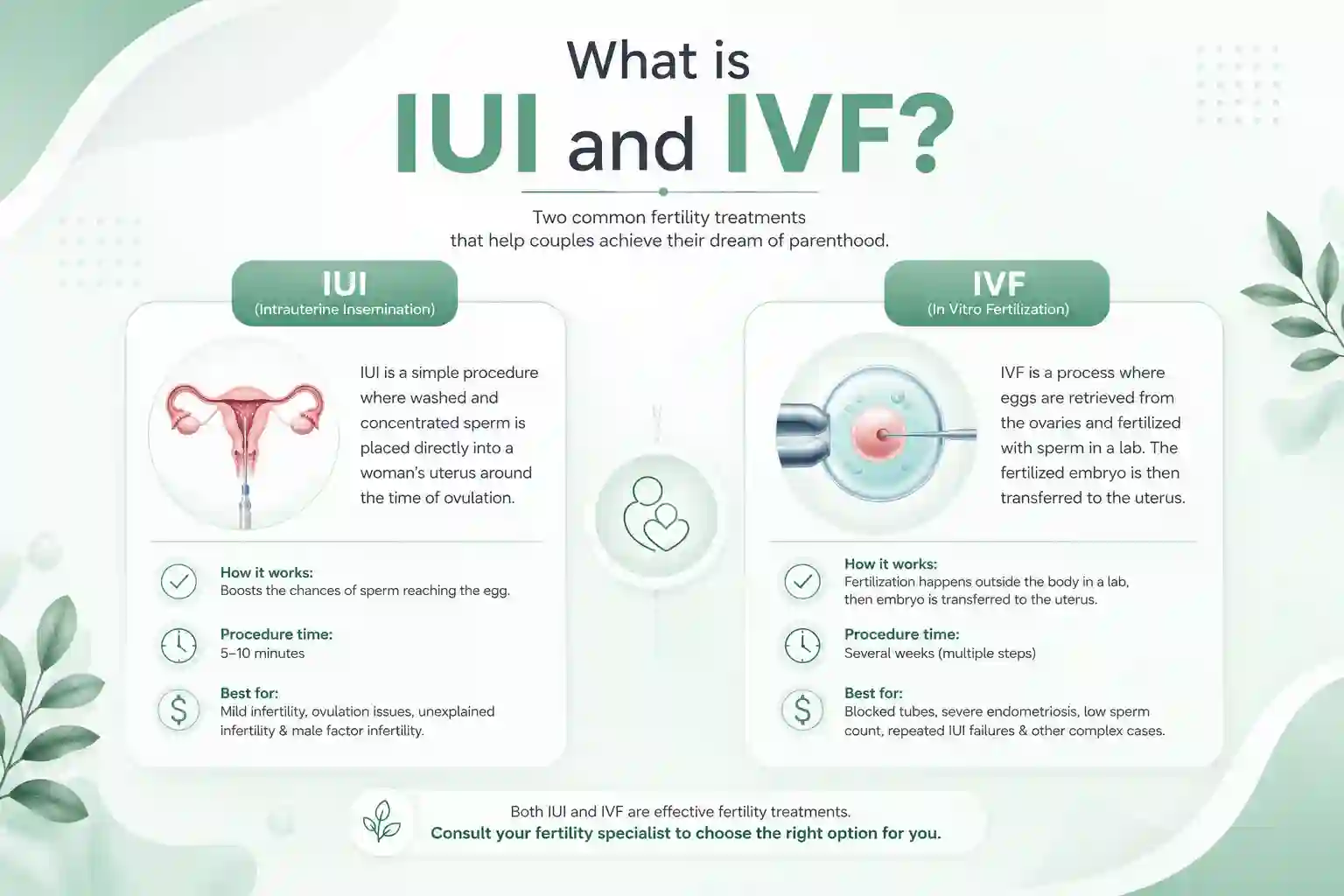
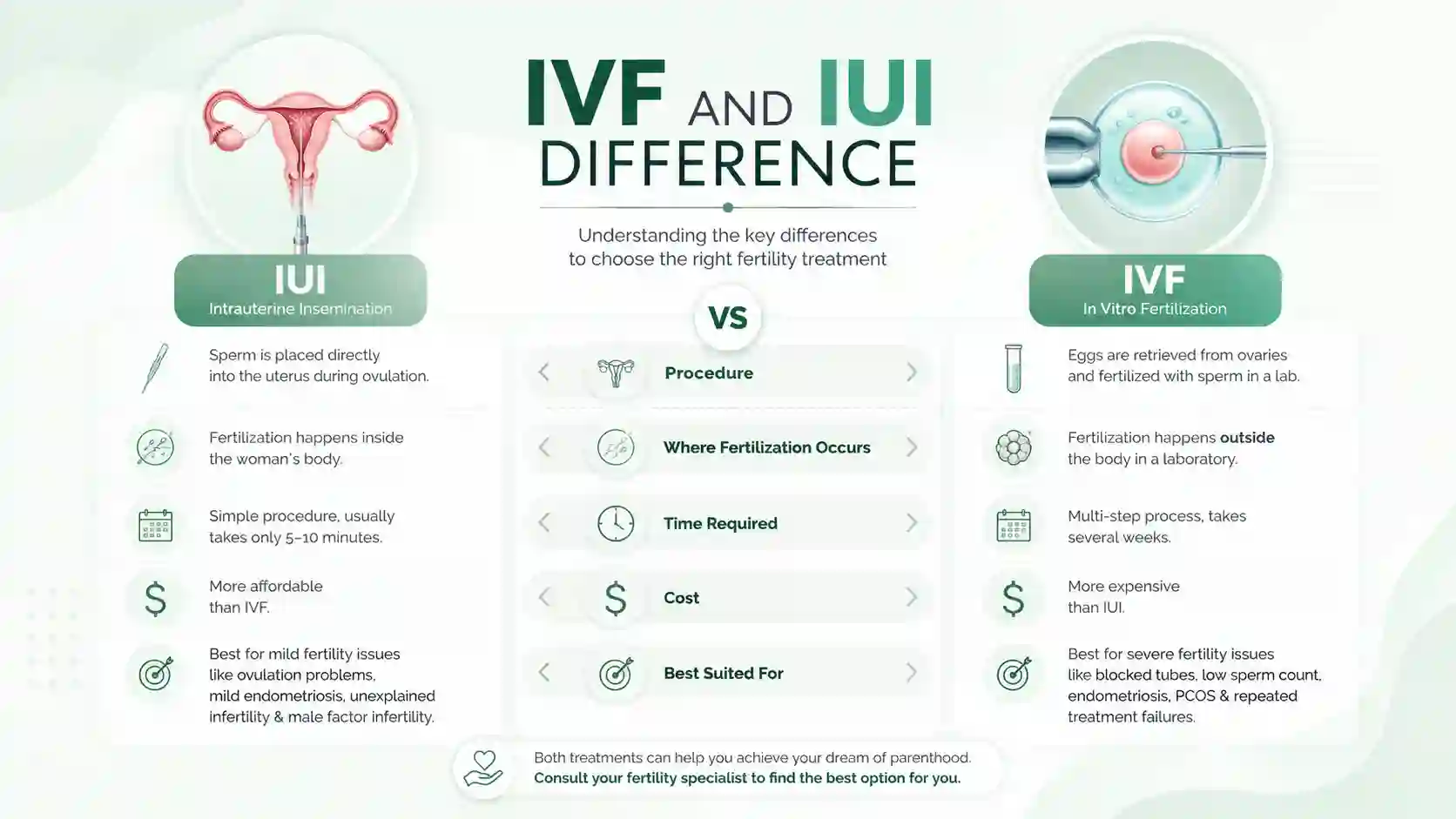
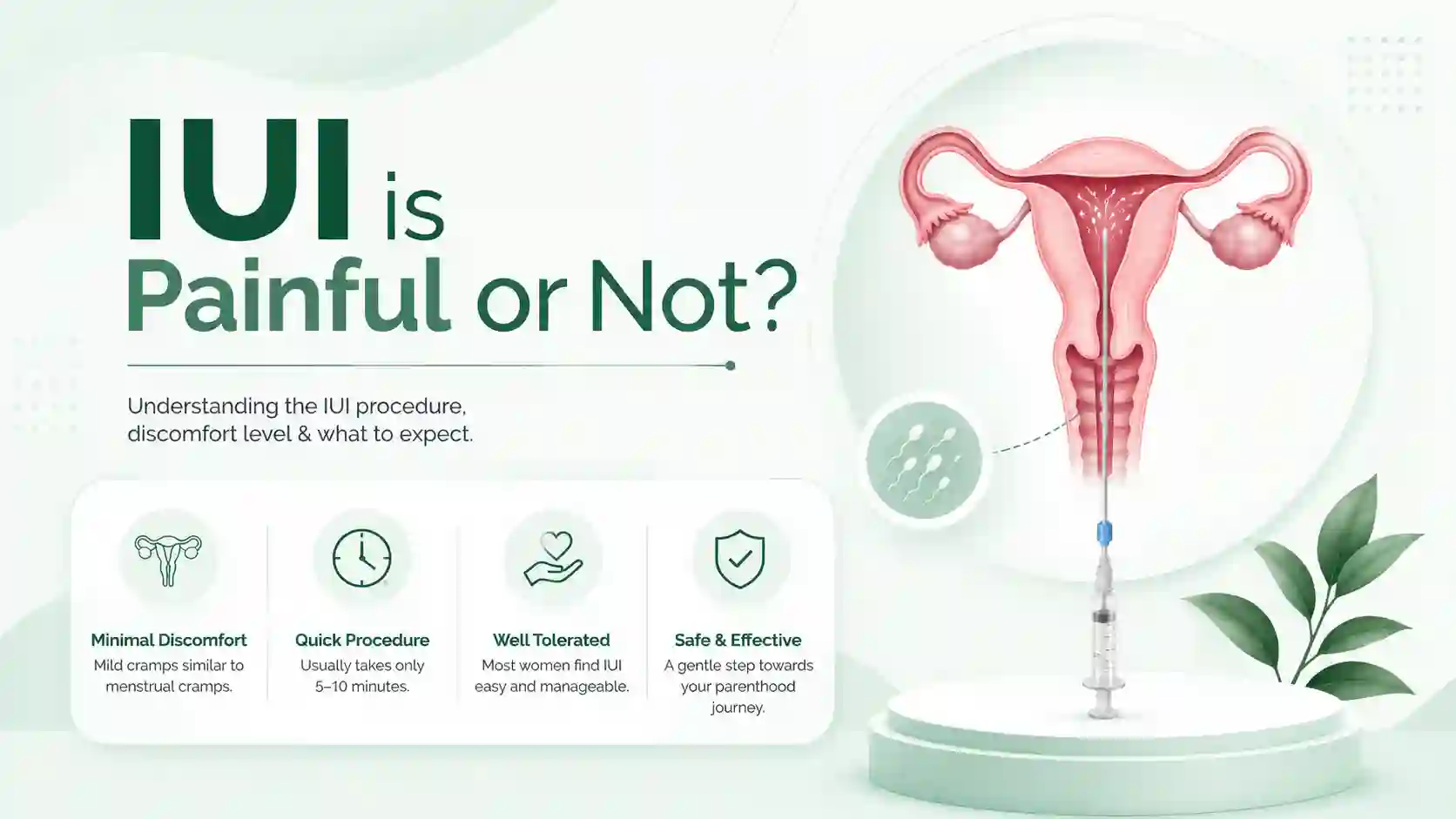
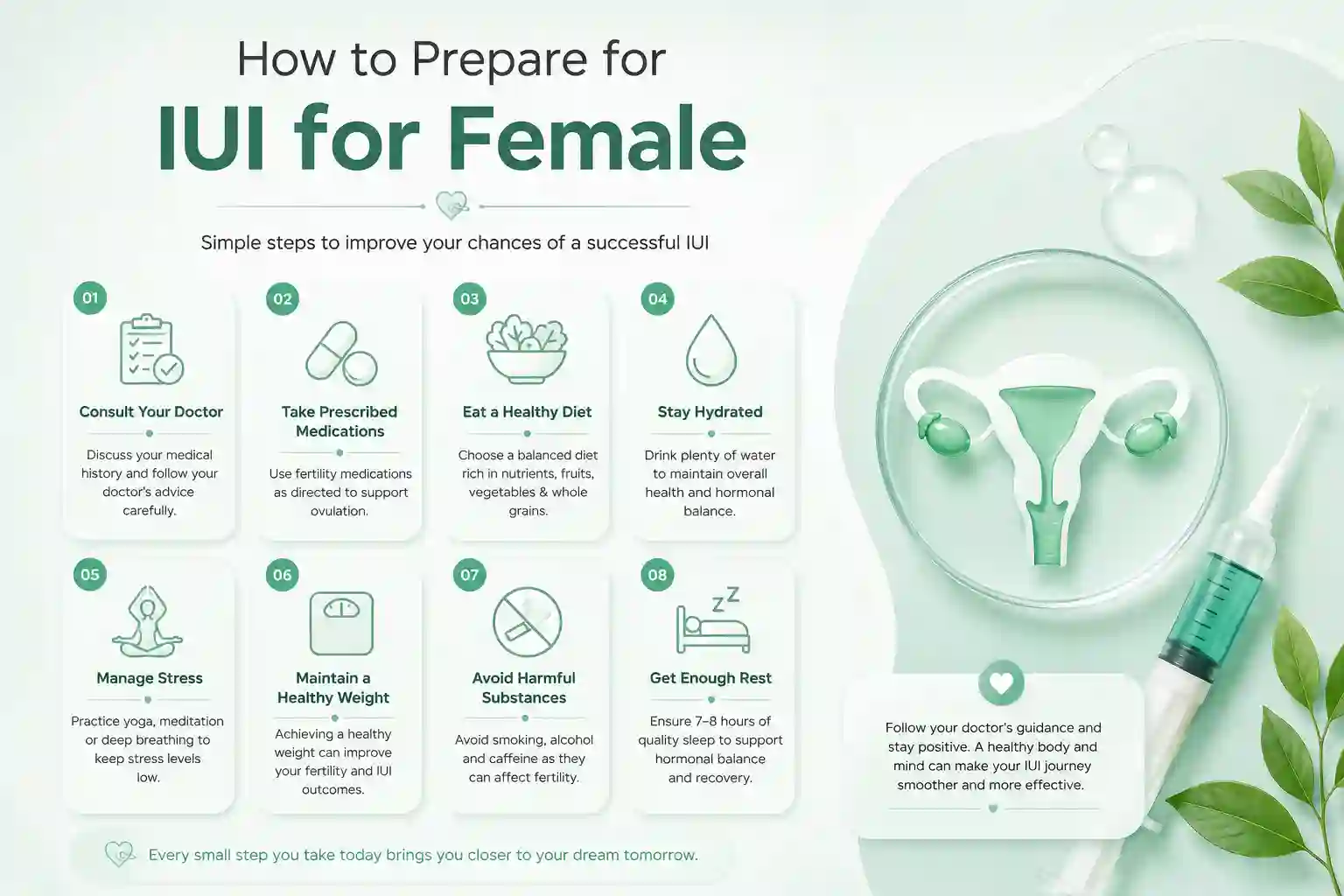
- IUI (Intrauterine Insemination)
- IVF (In Vitro Fertilization)
- Fertility preservation
Monitoring Treatment
During fertility treatment, the doctor closely monitors:
- Hormone levels
- Follicle growth
- Ovarian response
- Embryo development
- Pregnancy progress
Benefits of Seeing an IVF Doctor
Consulting an IVF doctor can offer several advantages.
Early Diagnosis
Identifying fertility issues early may improve treatment options.
Personalized Care
Treatment plans are tailored to individual reproductive health needs.
Access to Advanced Treatments
Patients may benefit from advanced reproductive technologies such as:
- IVF
- ICSI
- Embryo freezing
- Genetic testing
Emotional Support
Many fertility clinics provide counseling and support resources during treatment.
Risks, Side Effects, or Limitations
Seeing an IVF doctor itself carries no medical risk, but fertility treatments may involve:
Medication Side Effects
Possible symptoms include:
- Bloating
- Fatigue
- Mood changes
- Breast tenderness
Emotional Stress
Fertility treatment can be emotionally challenging for many patients.
Financial Considerations
Advanced fertility treatments may involve significant costs.
No Guaranteed Pregnancy
Even with expert care, fertility treatments cannot guarantee success.
Cost, Timeline, or Success Rate
Initial Consultation
The cost of seeing an IVF doctor varies depending on:
- Location
- Clinic reputation
- Services provided
Fertility Evaluation Timeline
Initial testing often takes:
- A few days to several weeks
Treatment Timeline
Depending on the recommended treatment, timelines may vary from:
- One menstrual cycle for IUI
- Several weeks for IVF
Success Rates
Success depends on factors such as:
- Age
- Fertility diagnosis
- Egg quality
- Sperm quality
- Uterine health
An IVF doctor can provide personalized estimates based on your specific situation.
Factors to Consider When Choosing an IVF Doctor
Not all fertility specialists are the same.
Experience
Look for a doctor with experience treating your specific fertility condition.
Qualifications
Consider:
- Specialized reproductive medicine training
- Board certifications
- Professional experience
Communication Style
Choose a doctor who:
- Explains options clearly
- Answers questions thoroughly
- Makes you feel comfortable
Clinic Facilities
Modern fertility laboratories and experienced embryology teams are important components of treatment quality.
Transparency
A good IVF doctor should discuss:
- Treatment options
- Costs
- Success rates
- Risks
openly and honestly.
Emotional & Patient Perspective
Meeting an IVF doctor can bring mixed emotions.
Patients often feel:
- Hopeful
- Nervous
- Overwhelmed
- Excited
- Anxious about results
These feelings are completely normal.
Remember that fertility treatment is a process, and an experienced specialist can help guide you through each stage.
Many patients find comfort in asking questions and becoming actively involved in treatment decisions.
Tips, Recommendations, or Preparation Guide
Before your first appointment with an IVF doctor:
- Gather previous medical records
- Bring fertility test results if available
- Prepare a list of questions
- Discuss family medical history
- Bring your partner if appropriate
- Write down your fertility goals
Being prepared can help you get the most from your consultation.
When to See an IVF Doctor
You should consider seeing an IVF doctor if:
- You have been trying to conceive for over one year
- You are over age 35 and have been trying for six months
- You have irregular menstrual cycles
- You have recurrent miscarriages
- Male infertility concerns are present
- You have known reproductive health conditions
Seeking evaluation earlier rather than later may provide more treatment options.
An IVF doctor plays a central role in diagnosing infertility, guiding treatment decisions, and helping patients navigate their fertility journey. Whether IVF ultimately becomes part of the treatment plan or not, a fertility specialist can provide valuable insights into reproductive health and available options.
Choosing an experienced IVF doctor, asking questions, and understanding your fertility diagnosis can help you make informed decisions and move forward with confidence. Every fertility journey is unique, and professional guidance can make a meaningful difference along the way.
FAQs About IVF Doctor
What does an IVF doctor do?
An IVF doctor diagnoses and treats infertility and helps patients explore fertility treatment options such as IVF and IUI.
When should I see an IVF doctor?
You should consider evaluation if you have been trying to conceive for over one year, or six months if you are over age 35.
Can an IVF doctor help without IVF?
Yes. Fertility specialists may recommend lifestyle changes, medications, or IUI before IVF depending on the diagnosis.
What tests does an IVF doctor perform?
Common tests include hormone testing, ultrasound scans, semen analysis, ovarian reserve testing, and uterine evaluation.
How do I choose the best IVF doctor?
Consider experience, qualifications, communication style, clinic facilities, and transparency regarding treatment options and costs.