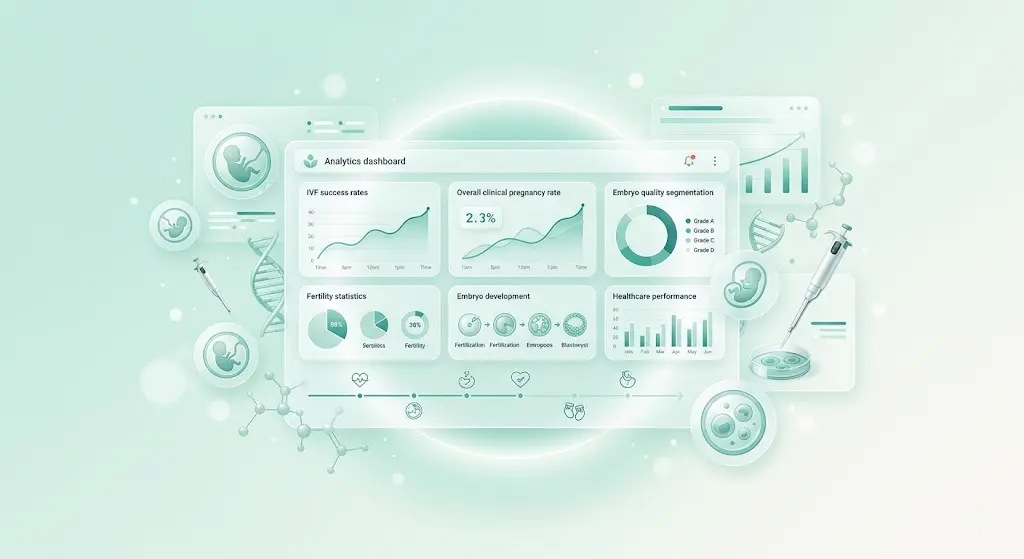
For anyone considering fertility treatment, one of the most important questions is about IVF success rates. While IVF has helped millions of people become parents, success is not the same for everyone. Factors such as age, embryo quality, sperm health, and overall reproductive health can significantly influence outcomes.
Understanding IVF success rates can help patients set realistic expectations, make informed decisions, and feel more prepared for the fertility journey ahead.
What Are IVF Success Rates?
IVF success rates refer to the percentage of IVF treatment cycles that result in a successful pregnancy and, ultimately, the birth of a baby.
Success can be measured in several ways:
- Positive pregnancy test
- Clinical pregnancy confirmed by ultrasound
- Ongoing pregnancy
- Live birth rate
Most fertility specialists consider the live birth rate to be the most meaningful measure of IVF success.
Why Are IVF Success Rates Important?
Understanding IVF success rates helps patients:
- Set realistic expectations
- Compare treatment options
- Plan financially and emotionally
- Understand age-related fertility changes
- Discuss personalized chances with a fertility specialist
Success rates are averages and do not predict an individual’s outcome, but they provide useful guidance.
How Do IVF Success Rates Work?
IVF success rates are influenced by many biological and medical factors.
Egg Quality
Healthy eggs are more likely to develop into healthy embryos.
Embryo Quality
Embryos with strong development patterns generally have a higher chance of implantation.
Uterine Health
A healthy uterine lining is essential for embryo implantation.
Sperm Quality
Sperm count, motility, morphology, and DNA integrity all contribute to embryo development.
Fertility Diagnosis
The underlying cause of infertility can affect treatment outcomes.
IVF Success Rates by Age
Age is one of the strongest predictors of IVF success.
Women Under 35
Women under 35 generally have the highest IVF success rates because egg quality is usually better.
Women 35–37
Success rates remain relatively favorable but begin to decline gradually.
Women 38–40
Pregnancy rates typically decrease as egg quality and quantity decline.
Women Over 40
Success rates are generally lower, although successful pregnancies still occur.
Many clinics may discuss donor egg IVF as an option for some older patients.
Benefits of Understanding IVF Success Rates
Knowing about IVF success rates can help patients:
Make Informed Decisions
Understanding realistic outcomes helps guide treatment choices.
Reduce Misconceptions
Many people assume IVF guarantees pregnancy, which is not the case.
Improve Treatment Planning
Doctors can recommend personalized approaches based on individual fertility factors.
Encourage Early Evaluation
Patients who seek fertility care earlier often have more treatment options available.
Risks, Side Effects, or Limitations
While IVF is an effective fertility treatment, it has limitations.
IVF Does Not Guarantee Pregnancy
Even healthy embryos may not implant successfully.
Multiple Cycles May Be Needed
Some patients achieve pregnancy during the first cycle, while others require additional attempts.
Age Remains a Major Factor
Advanced reproductive age can significantly affect success rates.
Emotional Challenges
Repeated unsuccessful cycles can be emotionally difficult for patients and couples.
Cost, Timeline, or Success Rate
Typical IVF Timeline
| IVF Stage | Approximate Duration |
| Fertility evaluation | 1–2 weeks |
| Ovarian stimulation | 8–14 days |
| Egg retrieval | 1 day |
| Embryo development | 3–5 days |
| Pregnancy test | 10–14 days after transfer |
A full IVF cycle generally takes around 4–6 weeks.
First-Cycle Success
Many patients ask about first-cycle success rates.
While some individuals become pregnant during their first IVF attempt, success depends on:
- Female age
- Egg quality
- Embryo quality
- Uterine health
- Sperm quality
There is no guaranteed number of cycles required for pregnancy.
Factors Affecting IVF Success Rates
Several factors influence IVF outcomes.
Female Age
Age has one of the greatest impacts on fertility treatment success.
Ovarian Reserve
The number and quality of remaining eggs affect response to treatment.
Embryo Quality
Higher-quality embryos generally have better implantation potential.
Lifestyle Factors
Factors that may negatively affect fertility include:
- Smoking
- Excessive alcohol consumption
- Obesity
- Poor sleep
- Chronic stress
Underlying Medical Conditions
Conditions such as:
- Endometriosis
- PCOS
- Uterine abnormalities
- Male infertility
can affect IVF outcomes.
Emotional & Patient Perspective
The IVF journey can be emotionally intense.
Patients often experience:
- Hope
- Anxiety
- Fear of failure
- Financial stress
- Emotional ups and downs
Understanding that IVF success rates are based on probabilities—not guarantees—can help patients approach treatment with realistic expectations.
Support from:
- Fertility specialists
- Counselors
- Support groups
- Partners and family
can make a meaningful difference during treatment.
Tips to Improve IVF Success Rates
Although no strategy can guarantee pregnancy, certain steps may help optimize fertility health.
Follow Medical Instructions Carefully
Take medications exactly as prescribed.
Maintain a Healthy Lifestyle
Focus on:
- Balanced nutrition
- Regular exercise
- Adequate sleep
- Stress management
Avoid Smoking and Recreational Drugs
These can negatively affect egg and sperm quality.
Attend Monitoring Appointments
Regular monitoring helps doctors adjust treatment as needed.
Discuss Individual Factors
A fertility specialist can identify personalized strategies based on your medical history.
When to See a Fertility Specialist
You should consider fertility evaluation if:
- You have been trying to conceive for over one year
- You are over age 35 and have been trying for six months
- You have irregular periods
- You have recurrent miscarriages
- Male infertility concerns are present
- You have known reproductive health conditions
Early assessment can improve treatment planning and potentially improve outcomes.
Understanding IVF success rates is an important part of preparing for fertility treatment. Success depends on many factors, including age, embryo quality, sperm health, uterine health, and the underlying cause of infertility. While IVF has helped millions of people achieve pregnancy, no treatment can guarantee success.
Working closely with an experienced fertility specialist, maintaining a healthy lifestyle, and having realistic expectations can help patients navigate the IVF journey with greater confidence and clarity.
FAQs About IVF Success Rates
What are IVF success rates?
IVF success rates refer to the percentage of treatment cycles that result in pregnancy or live birth.
Does IVF work on the first try?
Some patients achieve pregnancy during their first IVF cycle, but others may require multiple attempts.
What factor affects IVF success the most?
Female age is one of the most important factors influencing IVF success rates.
Do frozen embryo transfers have good success rates?
Yes. Modern frozen embryo transfer techniques can achieve success rates comparable to fresh transfers in many situations.
Can lifestyle changes improve IVF success?
Healthy habits such as avoiding smoking, maintaining a healthy weight, and managing stress may support overall fertility health.