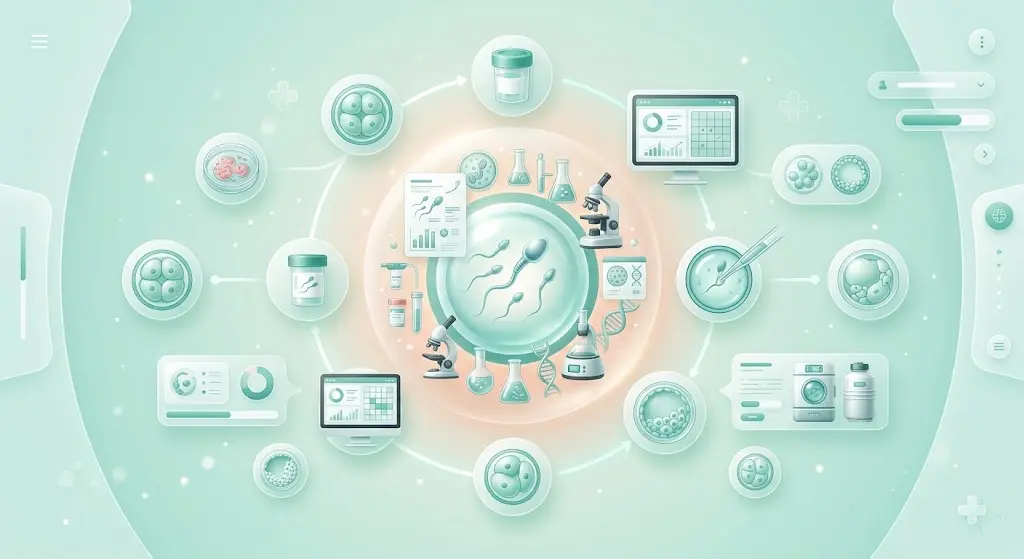
When people think about IVF, they often focus on the female partner’s treatment. However, male fertility plays an equally important role in the success of IVF. Many patients ask: how does IVF work for men, and what exactly is involved from the male perspective?
The good news is that IVF can help many men overcome fertility challenges, including low sperm count, poor sperm motility, and certain reproductive conditions. Modern fertility techniques such as ICSI have made it possible for men with severe infertility to become biological fathers.
This guide explains how IVF works for men, what tests are involved, and how sperm is used throughout the fertility treatment process.
What Is How Does IVF Work for Men?
The phrase how does IVF work for men refers to the role men play during the IVF process and how sperm is collected, evaluated, and used to fertilize eggs.
For men, IVF typically involves:
- Fertility evaluation
- Semen analysis
- Sperm collection
- Laboratory sperm preparation
- Fertilization of eggs
- Possible use of ICSI if needed
The exact process depends on sperm quality and the underlying cause of infertility.
Why Is How Does IVF Work for Men Important?
Male infertility contributes to approximately half of all infertility cases, either alone or combined with female factors.
Understanding the male side of IVF helps:
- Reduce anxiety
- Improve treatment preparation
- Clarify sperm-related requirements
- Encourage early fertility testing
- Improve communication with fertility specialists
Many men are surprised to learn that even severe sperm problems can often be treated successfully through IVF.
How Does IVF Work for Men?
The male IVF process usually follows several important steps.
Step 1: Male Fertility Evaluation
Before IVF begins, fertility specialists assess male reproductive health.
Common evaluations include:
Semen Analysis
This test examines:
- Sperm count
- Sperm movement (motility)
- Sperm shape (morphology)
- Semen volume
Medical History Review
Doctors may ask about:
- Previous fertility issues
- Surgeries
- Medications
- Lifestyle factors
- Chronic health conditions
Hormone Testing
Blood tests may evaluate hormones involved in sperm production.
Step 2: Sperm Collection
Most men provide a sperm sample through masturbation at the fertility clinic.
The sample is collected in a sterile container and immediately sent to the laboratory.
Alternative Collection Methods
If sperm is not present in the ejaculate, specialists may use procedures such as:
- Testicular Sperm Extraction (TESE)
- Micro-TESE
- Epididymal sperm aspiration
These methods can help retrieve sperm directly from the reproductive tract.
Step 3: Sperm Preparation
Before fertilization, embryologists prepare the sperm sample.
The laboratory process helps:
- Remove non-motile sperm
- Concentrate healthy sperm
- Improve fertilization potential
This process is commonly called sperm washing.
Step 4: Fertilization
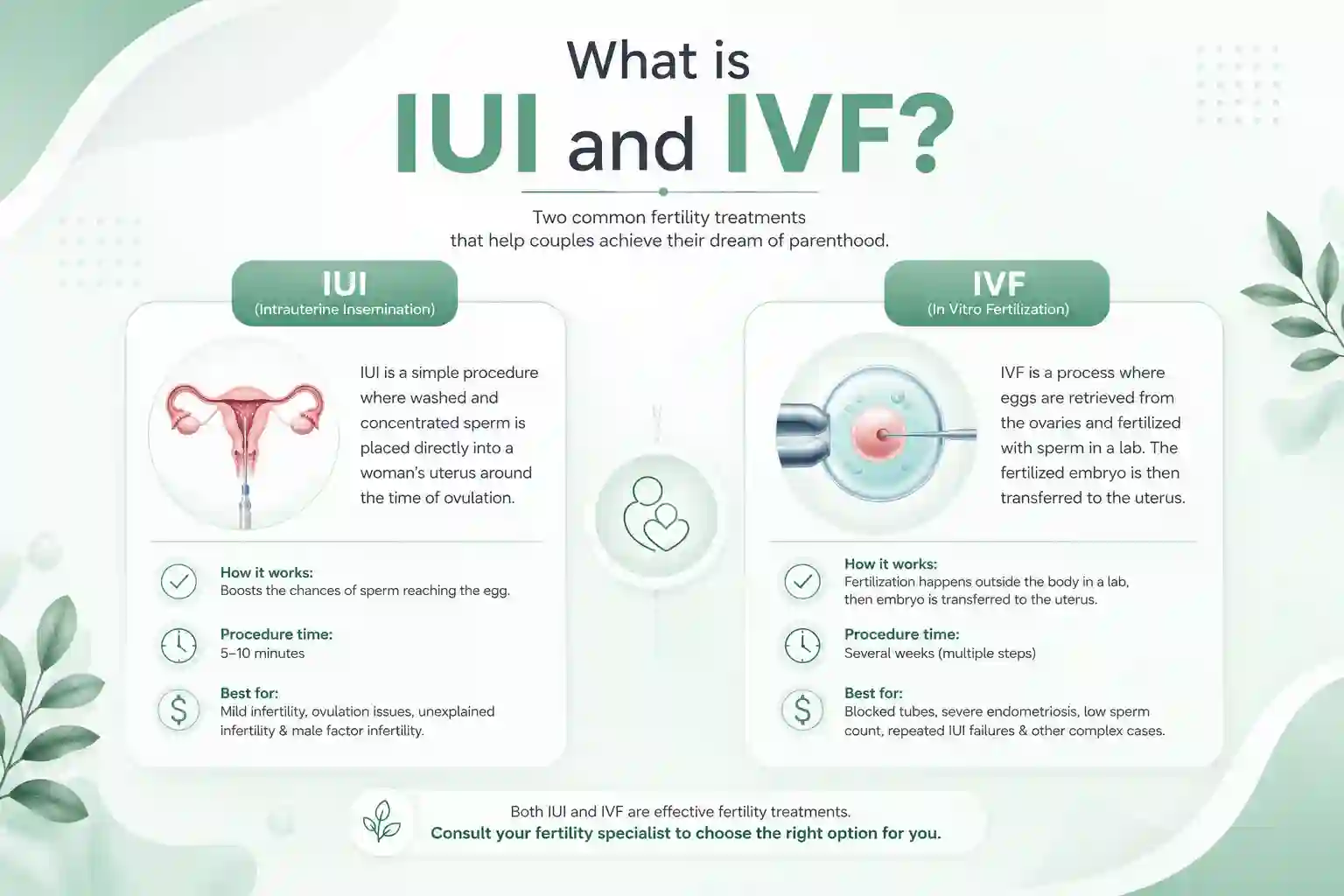
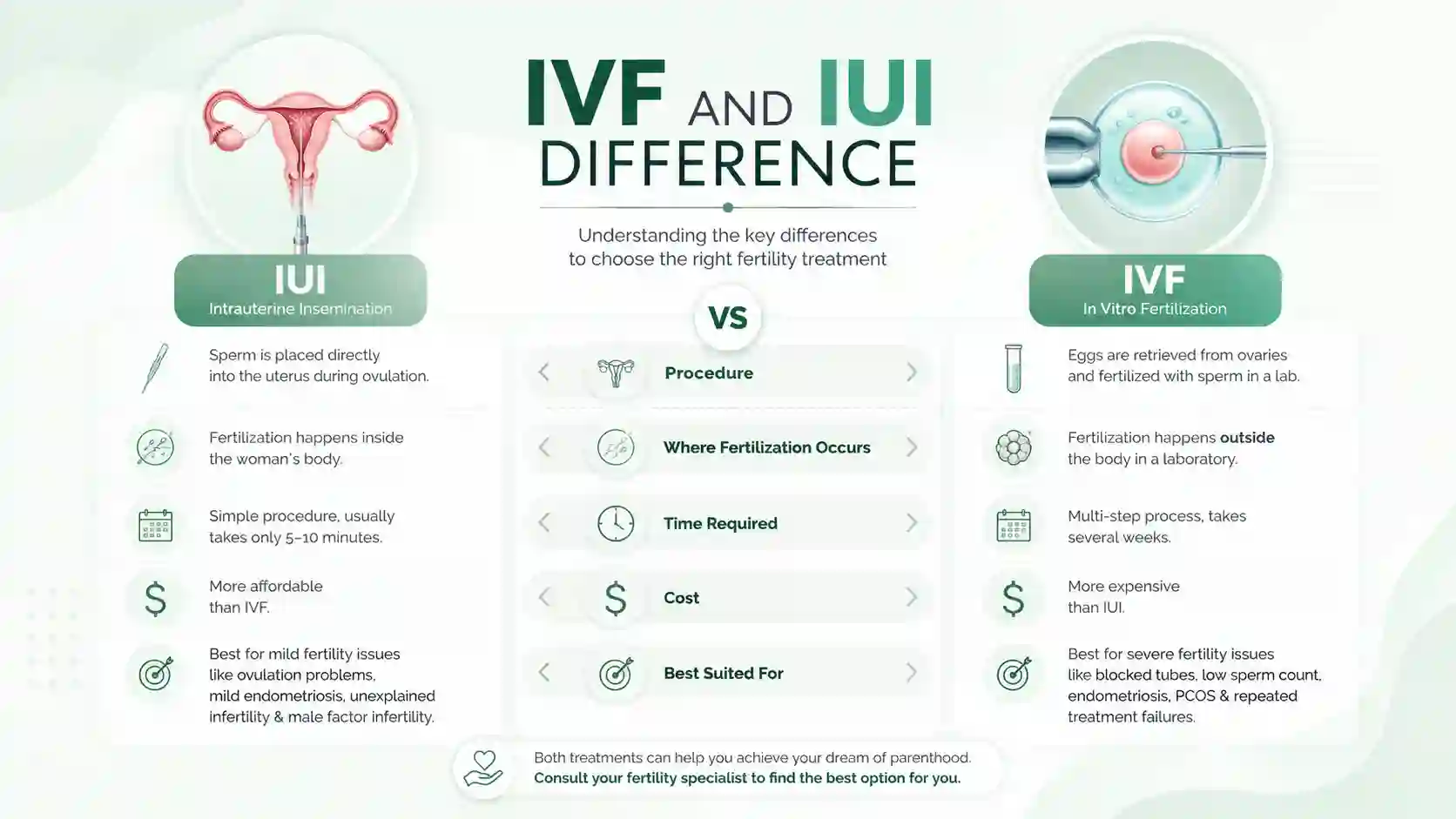
Once eggs are retrieved from the female partner, fertilization occurs in the laboratory.
Conventional IVF
In traditional IVF:
- Thousands of sperm are placed around each egg.
- Fertilization occurs naturally in the laboratory dish.
ICSI (Intracytoplasmic Sperm Injection)
For male infertility cases, doctors often use ICSI.
With ICSI:
- A single healthy sperm is injected directly into an egg.
This technique is particularly useful when:
- Sperm count is very low
- Sperm movement is poor
- Previous fertilization problems occurred
Step 5: Embryo Development
After fertilization:
- Embryos develop in a specialized laboratory
- Embryologists monitor embryo growth
- Healthy embryos are selected for transfer
At this stage, the male role is complete, although sperm quality continues to influence embryo development.
Benefits of How Does IVF Work for Men
IVF offers several advantages for men facing fertility challenges.
Helps Overcome Low Sperm Count
Even very low sperm counts may be sufficient when ICSI is used.
Supports Severe Male Infertility
Advanced laboratory techniques can often work with limited sperm numbers.
Allows Surgical Sperm Retrieval
Men with blocked reproductive ducts may still father biological children.
Improves Fertilization Opportunities
Laboratory fertilization bypasses many natural barriers to conception.
Risks, Side Effects, or Limitations
The physical risks for men during IVF are generally minimal.
Emotional Stress
Men may experience:
- Anxiety about sperm quality
- Stress regarding treatment outcomes
- Feelings of guilt related to infertility
Surgical Retrieval Risks
If sperm retrieval surgery is required, potential risks include:
- Mild pain
- Swelling
- Bleeding
- Infection
Fertilization Challenges
Poor sperm quality can still affect:
- Fertilization rates
- Embryo quality
- Pregnancy outcomes
Cost, Timeline, or Success Rate
Male Fertility Testing Costs
Costs may include:
- Semen analysis
- Hormone testing
- Genetic testing
- Sperm freezing
IVF Timeline for Men
The male portion of IVF is often completed quickly.
Typical steps include:
- Fertility testing
- Sperm collection
- Laboratory preparation
- Fertilization
Most men are not required to take fertility medications during IVF.
Success Rates
Success depends on several factors, including:
- Female age
- Egg quality
- Sperm quality
- Embryo health
- Uterine condition
Male fertility remains an important contributor to overall IVF outcomes.
Factors Affecting Results
Several factors influence how IVF works for men.
Sperm Count
Higher sperm counts may improve fertilization chances.
Sperm Motility
Sperm must move effectively to fertilize eggs naturally.
Sperm Morphology
Healthy sperm shape can influence reproductive potential.
Lifestyle Factors
Factors that may negatively affect sperm quality include:
- Smoking
- Excessive alcohol use
- Obesity
- Poor sleep
- Recreational drug use
Medical Conditions
Certain conditions may affect sperm production, including:
- Varicocele
- Hormonal disorders
- Genetic conditions
- Infections
Emotional & Patient Perspective
Male infertility is common, yet many men feel isolated during fertility treatment.
Common emotions include:
- Frustration
- Anxiety
- Embarrassment
- Fear of failure
It is important to remember that infertility is a medical condition—not a personal failure.
Support from:
- Fertility specialists
- Counselors
- Partners
- Support groups
can help men navigate the emotional aspects of treatment.
Tips, Recommendations, or Preparation Guide
Men preparing for IVF can support fertility health by:
- Avoiding smoking
- Limiting alcohol consumption
- Maintaining a healthy weight
- Exercising moderately
- Getting adequate sleep
- Managing stress
- Following medical advice
Early fertility testing can also help identify potential issues before treatment begins.
When to See a Fertility Specialist
Men should consider fertility evaluation if:
- Pregnancy has not occurred after one year of trying
- Previous semen analysis was abnormal
- Erectile or ejaculation problems are present
- A history of reproductive surgery exists
- Recurrent pregnancy loss has occurred
- Known male fertility conditions are present
Early assessment often improves treatment planning.
Understanding how does IVF work for men can help reduce uncertainty and encourage active participation in fertility treatment. For men, IVF typically involves fertility testing, sperm collection, laboratory preparation, and fertilization of eggs. Advanced techniques such as ICSI have made it possible for many men with severe infertility to become biological fathers.
Although male fertility challenges can feel overwhelming, modern reproductive medicine offers a wide range of treatment options. Working closely with a fertility specialist can help identify the most appropriate approach and improve the chances of successful conception.
FAQs About How Does IVF Work for Men
What does a man do during IVF?
A man typically undergoes fertility testing and provides a sperm sample that is used to fertilize eggs in the laboratory.
Can IVF work with very low sperm count?
Yes. IVF combined with ICSI can often achieve fertilization even when sperm counts are extremely low.
How is sperm collected for IVF?
Most sperm samples are collected through masturbation, although surgical retrieval methods may be used when necessary.
Does IVF require a large amount of sperm?
Not always. With ICSI, only one healthy sperm is needed per mature egg.
Can men take medications during IVF?
Some men may receive fertility-related medications depending on the underlying cause of infertility.