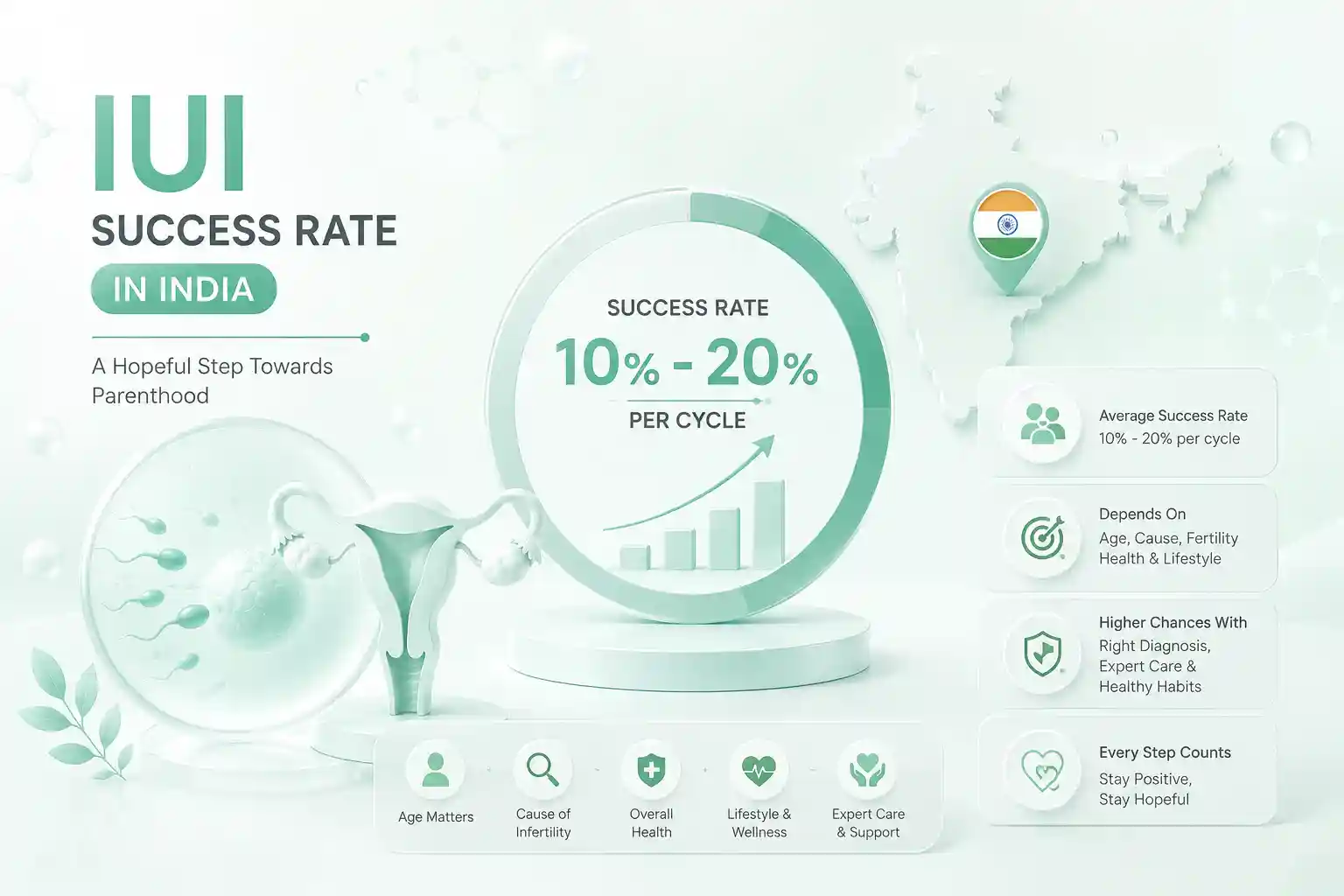
For couples considering fertility treatment, understanding the IUI success rate in India can help set realistic expectations. Intrauterine Insemination (IUI) is one of the most commonly recommended fertility treatments because it is less invasive and generally more affordable than In Vitro Fertilization (IVF).
The IUI success rate in India varies depending on several factors, including the woman’s age, the cause of infertility, sperm quality, ovulation status, and the number of treatment cycles completed. While many couples achieve pregnancy through IUI, success is never guaranteed, and some patients may eventually require IVF if IUI is unsuccessful.
This guide explains the IUI success rate in India, factors that influence treatment outcomes, and what patients can expect during their fertility journey.
What Is the IUI Success Rate in India?
The IUI success rate in India generally ranges between 10% and 20% per treatment cycle for many couples, although individual outcomes can vary significantly.
Typical success rates may include:
| Patient Group | Approximate Pregnancy Rate Per IUI Cycle |
| Women under 35 years | 15–20% |
| Women aged 35–39 years | 10–15% |
| Women aged 40 years and older | Less than 10% in many cases |
These figures are approximate averages and should not be interpreted as guaranteed outcomes. Individual fertility factors have a major influence on success.
Cumulative Success Rate After Multiple IUI Cycles
The IUI success rate in India may increase when several treatment cycles are completed.
Many fertility specialists recommend trying 3–6 IUI cycles, depending on the patient’s age, diagnosis, and treatment response.
The cumulative chance of pregnancy often becomes higher after multiple well-timed cycles than after a single attempt, although success varies from person to person.
Factors Affecting IUI Success Rate in India
Several important factors influence the IUI success rate in India.
Female Age
Age is one of the strongest predictors of IUI success.
Women under 35 years generally have higher pregnancy rates because egg quality and ovarian reserve are typically better.
Cause of Infertility
IUI tends to be more effective in selected situations, including:
- Mild male factor infertility
- Unexplained infertility
- Ovulation disorders
- Cervical factor infertility
It may be less effective in severe male factor infertility or when both fallopian tubes are blocked.
Ovulation Timing
Accurate timing of insemination around ovulation is essential for maximizing pregnancy chances.
Ultrasound monitoring and trigger injections may be used to optimize timing.
Sperm Quality
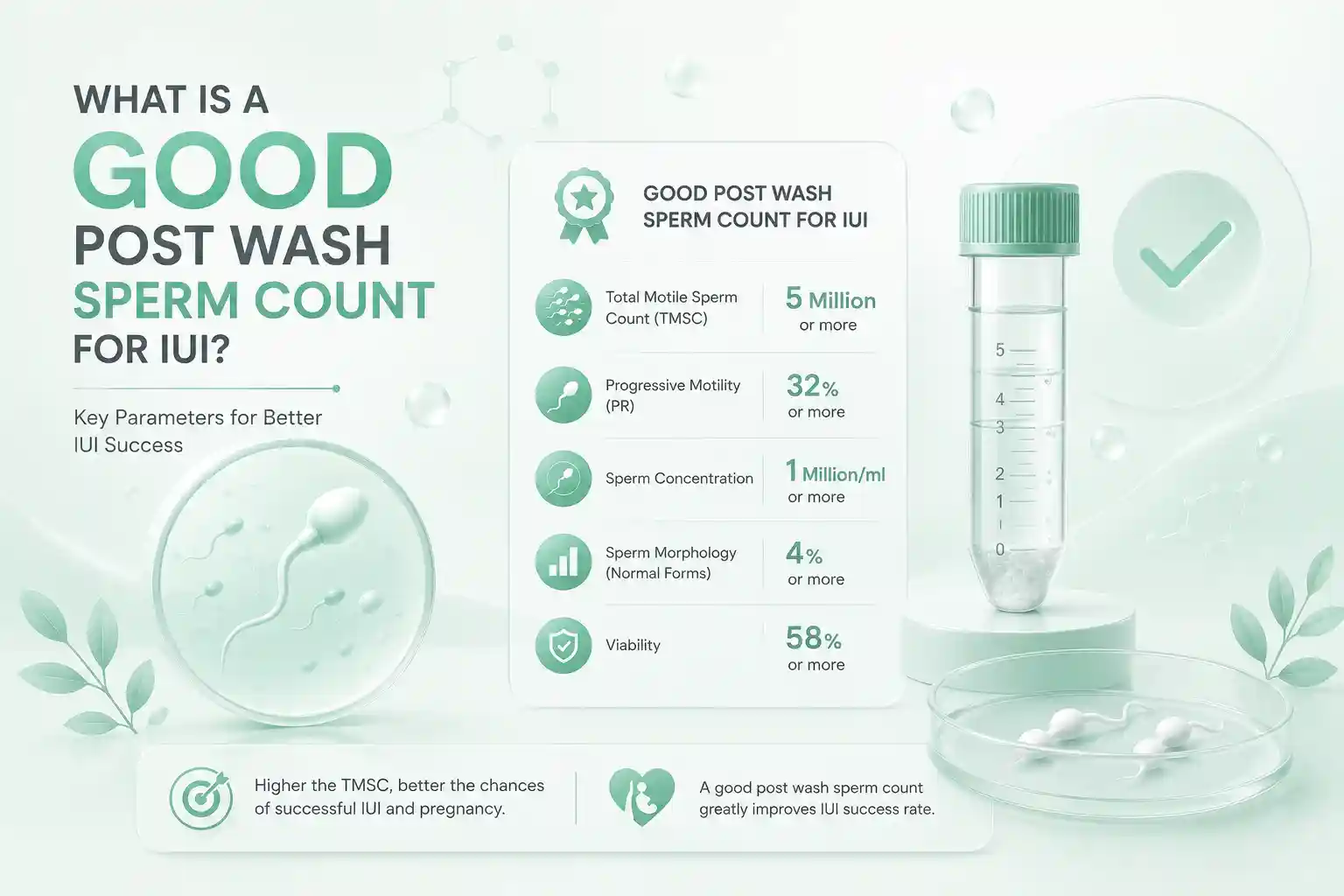
Higher sperm count, motility, and morphology generally improve the likelihood of successful fertilization.
Fallopian Tube Health
At least one healthy, open fallopian tube is usually required for IUI because fertilization occurs naturally inside the body.
Fertility Medications
Some patients undergo stimulated IUI cycles using fertility medications, which may improve pregnancy rates in appropriately selected cases.
Who Is a Good Candidate for IUI?
IUI may be recommended for:
- Unexplained infertility
- Mild male factor infertility
- Irregular ovulation
- Cervical mucus problems
- Couples using donor sperm
Your fertility specialist will determine whether IUI is appropriate after a comprehensive fertility evaluation.
Benefits of IUI
IUI offers several advantages:
- Less invasive than IVF.
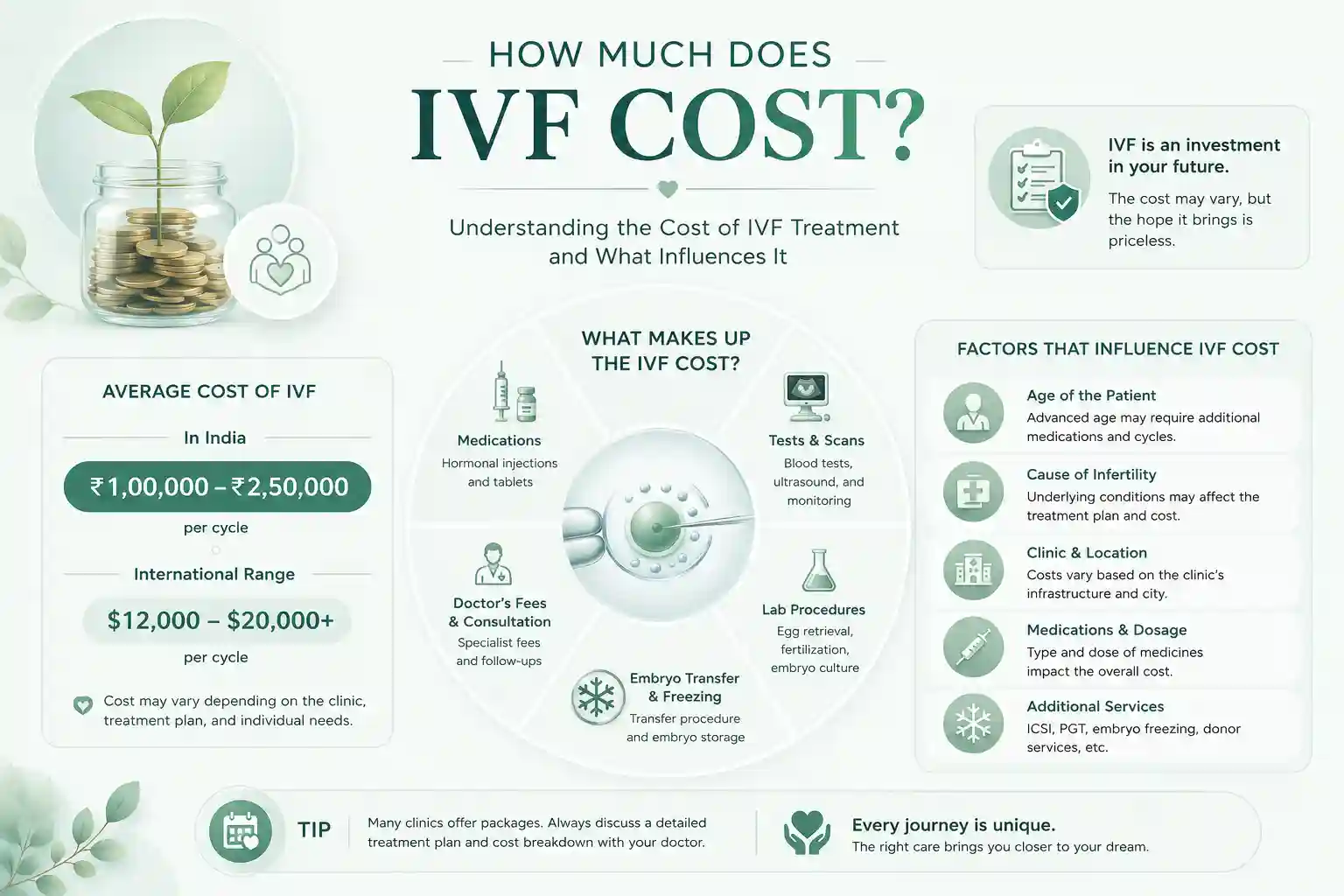
- Lower treatment cost compared with IVF.
- Short treatment duration.
- Usually performed as an outpatient procedure.
- Minimal recovery time.
- Can be combined with ovulation induction medications.
Risks, Side Effects, or Limitations
Although IUI is generally safe, patients should understand its limitations.
Possible risks include:
- Mild cramping during or after the procedure.
- Light spotting.
- Multiple pregnancy if fertility medications stimulate multiple eggs.
- Temporary discomfort during catheter insertion.
Most importantly, IUI does not guarantee pregnancy, and success rates are generally lower than IVF.
Factors That May Improve IUI Success
The following may help optimize treatment outcomes:
Early Fertility Evaluation
Starting treatment earlier may improve the chances of pregnancy, particularly for younger women.
Healthy Lifestyle
Maintaining a healthy weight, eating a balanced diet, avoiding smoking, limiting alcohol, and managing stress may support reproductive health.
Accurate Ovulation Monitoring
Proper timing of insemination is one of the most important contributors to successful treatment.
Following the Treatment Plan
Taking medications exactly as prescribed and attending all appointments can help optimize results.
Emotional & Patient Perspective
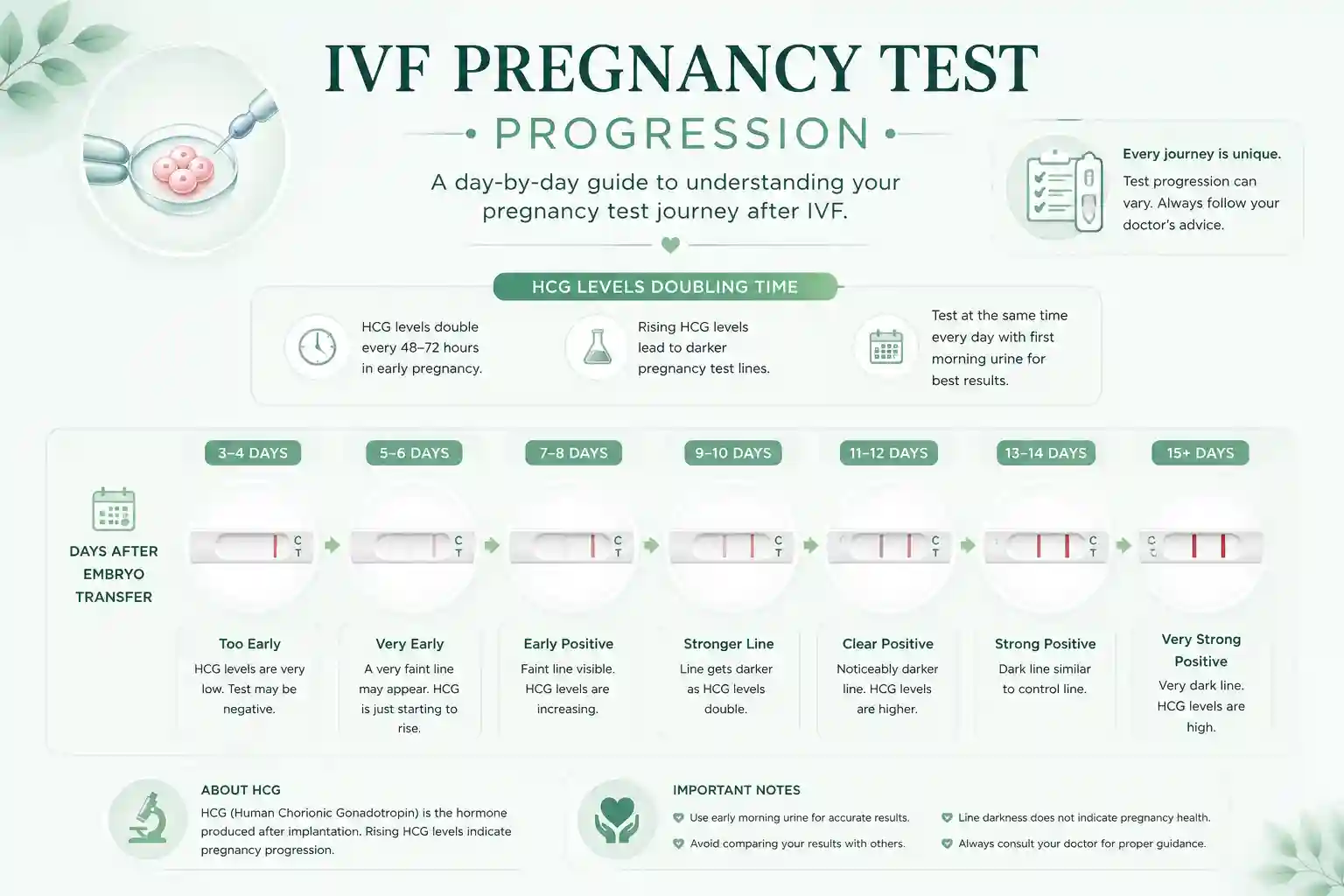
The IUI success rate in India can vary widely, which sometimes makes treatment emotionally challenging. Many couples feel hopeful during each cycle while also experiencing anxiety during the two-week wait before the pregnancy test.
It is important to remember that one unsuccessful IUI cycle does not necessarily mean future treatment will fail. Many couples conceive after multiple cycles, while others may benefit from transitioning to IVF based on their fertility diagnosis and specialist’s recommendations.
Tips to Improve Your Chances
To support a successful IUI cycle:
- Follow your fertility specialist’s advice carefully.
- Take prescribed medications as directed.
- Attend all ultrasound monitoring appointments.
- Maintain a healthy lifestyle.
- Avoid smoking and recreational drugs.
- Limit alcohol intake.
- Stay positive while keeping realistic expectations.
When to See a Fertility Specialist
Consult a fertility specialist if:
- You have been trying to conceive for one year (or six months if you are 35 years or older).
- You have irregular menstrual cycles.
- You have experienced recurrent pregnancy loss.
- You have known infertility.
- You would like to discuss IUI or IVF treatment options.
Early evaluation can help determine the most appropriate fertility treatment.
The IUI success rate in India generally ranges from 10% to 20% per treatment cycle, with higher success rates often seen in younger women and patients with favorable fertility factors. Age, sperm quality, ovulation timing, fallopian tube health, and the underlying cause of infertility all influence treatment outcomes. While IUI is an effective first-line fertility treatment for many couples, success varies between individuals, and some patients may require additional cycles or IVF to achieve pregnancy. A personalized treatment plan developed by an experienced fertility specialist offers the best opportunity for success.
FAQs About IUI Success Rate in India
1. What is the IUI success rate in India?
The IUI success rate in India is generally 10% to 20% per treatment cycle, depending on age, fertility diagnosis, and other individual factors.
2. Does age affect the IUI success rate?
Yes. Women under 35 years typically have higher success rates than women aged 35 years and older.
3. How many IUI cycles should I try?
Many fertility specialists recommend 3–6 IUI cycles before considering other treatment options, depending on individual circumstances.
4. Is IUI successful for unexplained infertility?
Yes. IUI may be recommended for unexplained infertility, particularly when combined with ovulation induction in selected patients.
5. Can fertility medications improve IUI success?
In some patients, fertility medications may improve the chances of pregnancy by promoting ovulation and increasing the number of mature follicles. The decision depends on your individual treatment plan.
6. Is IUI more successful than IVF?
No. IVF generally has higher pregnancy rates than IUI, but IUI is less invasive and more affordable, making it an appropriate first-line treatment for many couples.
7. Can one failed IUI cycle mean future cycles will fail?
No. Pregnancy may occur in later IUI cycles, and your fertility specialist may adjust your treatment plan based on your response and underlying fertility diagnosis.