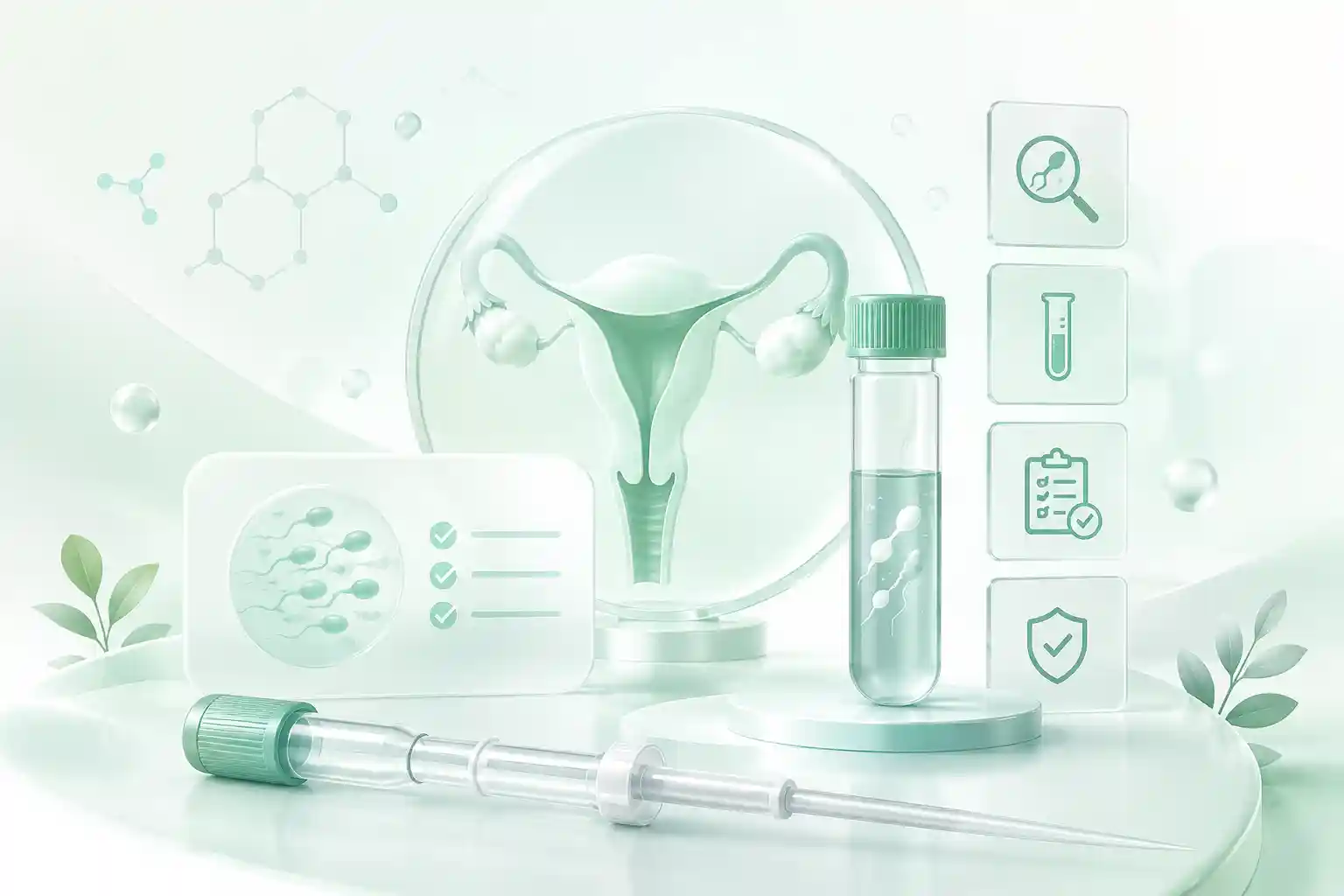
Before undergoing Intrauterine Insemination (IUI), several medical tests are performed to determine whether the treatment is appropriate and to maximize the chances of pregnancy. The term IUI test may refer to the fertility evaluations before treatment, monitoring tests during the IUI cycle, or the pregnancy test performed after the procedure.
An IUI test helps fertility specialists assess reproductive health, identify potential causes of infertility, monitor ovulation, and confirm whether pregnancy has occurred after insemination. The exact tests recommended depend on your medical history, age, and the underlying cause of infertility.
This guide explains the IUI test process, the most common tests before and after IUI, and what patients can expect throughout treatment.
What Is an IUI Test?
An IUI test refers to the medical tests performed before, during, and after an IUI cycle to evaluate fertility and monitor treatment progress.
These tests help fertility specialists:
- Identify the cause of infertility.
- Determine whether IUI is appropriate.
- Monitor ovulation.
- Assess sperm quality.
- Confirm pregnancy after treatment.
The testing process is an essential part of a successful IUI cycle.
Tests Before IUI
Before starting IUI, your fertility specialist will usually recommend several evaluations.
Female Fertility Tests
Common tests include:
- Hormone blood tests
- Anti-Müllerian Hormone (AMH) test
- Follicle-Stimulating Hormone (FSH) test
- Luteinizing Hormone (LH) test
- Estradiol levels
- Thyroid function tests
- Prolactin levels
These tests help evaluate ovarian reserve and hormonal balance.
Pelvic Ultrasound
A transvaginal ultrasound may be performed to evaluate:
- Ovaries
- Uterus
- Endometrial lining
- Follicle development
Ultrasound also helps monitor response to fertility medications if they are used.
Fallopian Tube Evaluation
Because IUI requires at least one open fallopian tube, your doctor may recommend:
- Hysterosalpingography (HSG)
- Saline infusion sonography (when appropriate)
- Other imaging tests if indicated
Semen Analysis
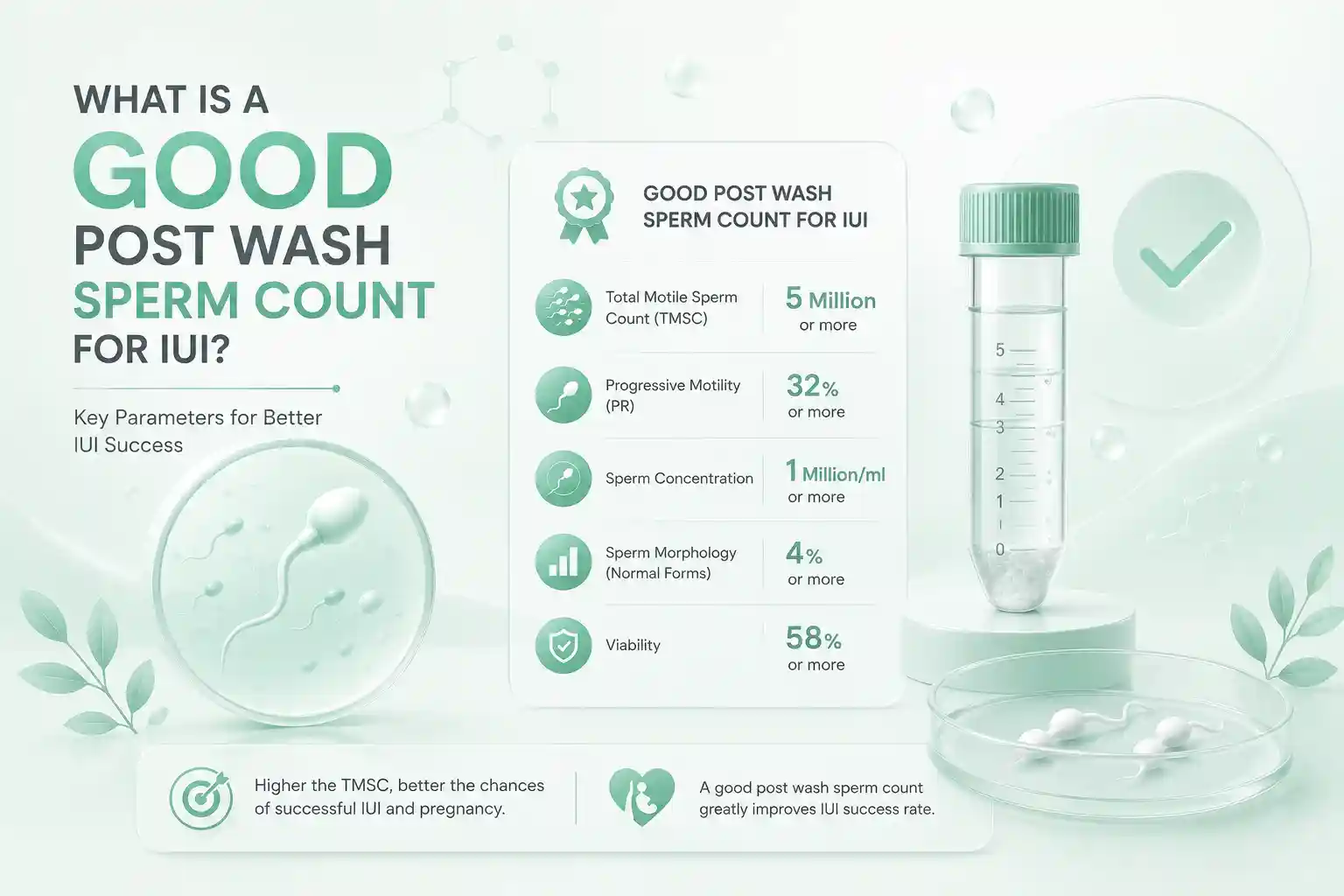
A semen analysis evaluates:
- Sperm count
- Sperm motility
- Sperm morphology
- Semen volume
The results help determine whether IUI is an appropriate treatment option.
Tests During an IUI Cycle
Several IUI test procedures may be performed while preparing for insemination.
Ovulation Monitoring
Your fertility specialist may monitor:
- Follicle size
- Endometrial thickness
- Ovarian response
This is usually done using transvaginal ultrasound.
Hormone Blood Tests
Blood tests may be performed to measure:
- Estradiol
- LH surge
- Progesterone
These tests help identify the optimal timing for insemination.
Ovulation Predictor Tests
Some patients may use urine ovulation predictor kits (OPKs) at home to detect the LH surge before IUI.
Pregnancy Test After IUI
The final IUI test is the pregnancy test.
Most fertility clinics recommend:
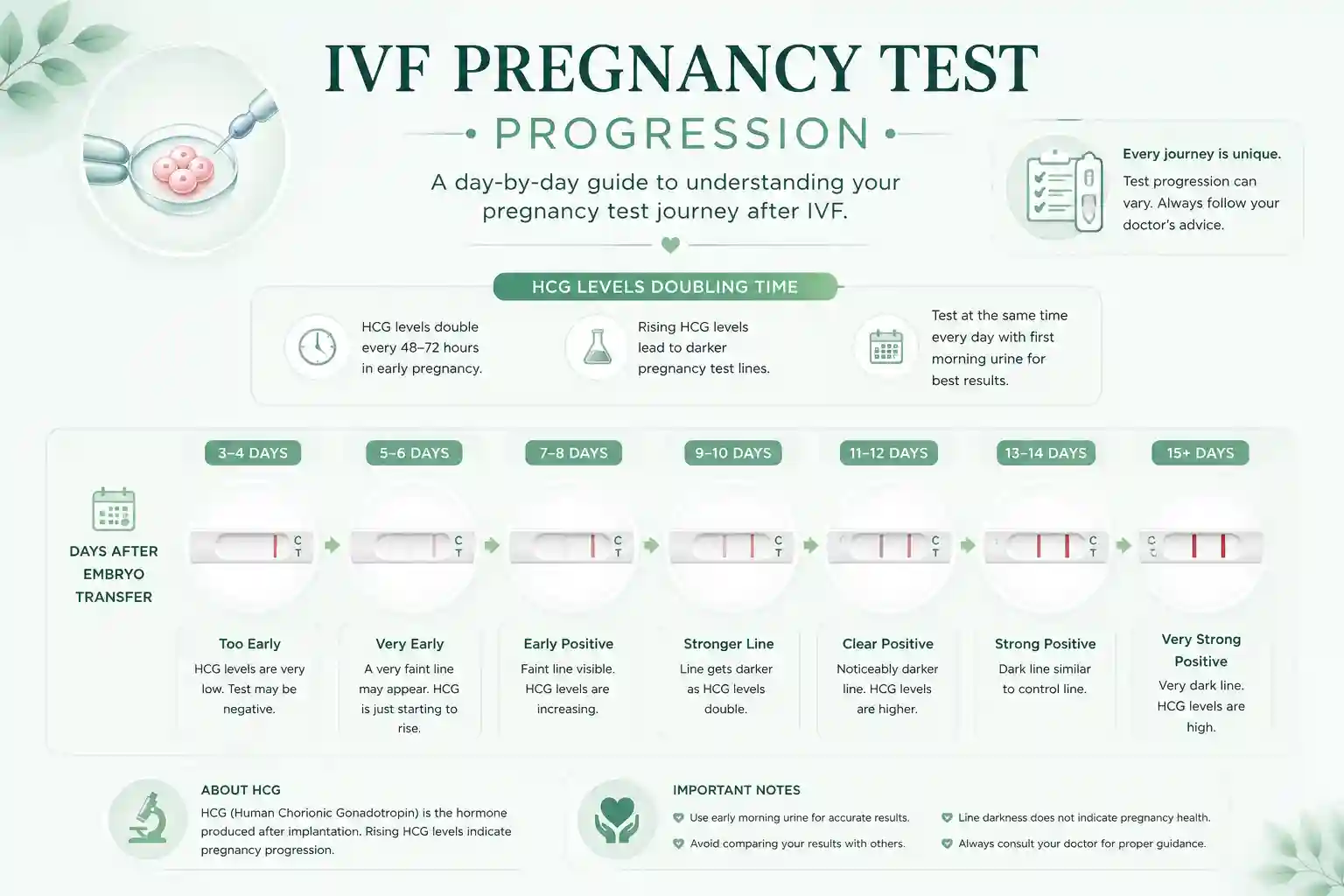
- A beta-hCG blood test approximately 14 days after IUI.
Although home pregnancy tests are available, a blood test provides a more accurate and reliable result.
Testing too early may produce a false-negative result because hCG levels may still be too low to detect.
Why Are IUI Tests Important?
An IUI test helps your fertility specialist:
- Confirm ovulation.
- Determine the best time for insemination.
- Evaluate sperm quality.
- Identify fertility-related medical conditions.
- Confirm pregnancy after treatment.
Accurate testing improves treatment planning and helps optimize the chances of success.
Benefits of IUI Testing
Proper testing offers several advantages:
- Personalized fertility treatment.
- Accurate timing of insemination.
- Identification of underlying fertility issues.
- Better monitoring of treatment response.
- Early pregnancy confirmation.
Risks, Side Effects, or Limitations
Most IUI test procedures are low risk.
Possible temporary effects include:
- Mild discomfort during blood collection.
- Brief pelvic discomfort during ultrasound.
- Mild cramping after HSG.
- Temporary anxiety while waiting for results.
Some diagnostic procedures may not identify every cause of infertility, and additional testing may occasionally be required.
Factors Affecting IUI Test Results
Several factors can influence IUI test findings.
Female Age
Age affects ovarian reserve and egg quality.
Hormone Levels
Hormonal changes influence ovulation timing and treatment planning.
Sperm Quality
Healthy sperm improves the likelihood of successful fertilization.
Tubal Patency
At least one functioning fallopian tube is generally required for IUI.
Underlying Fertility Diagnosis
Conditions such as endometriosis, polycystic ovary syndrome (PCOS), or male factor infertility may influence both testing and treatment recommendations.
Emotional & Patient Perspective
Waiting for the results of an IUI test can be emotionally challenging. Blood tests, ultrasounds, and the pregnancy test after IUI often bring a mix of hope, excitement, and anxiety. Remember that these evaluations are designed to provide your fertility specialist with the information needed to create the most effective treatment plan. Staying informed and asking questions can help reduce uncertainty throughout the process.
Tips Before an IUI Test
To prepare for testing:
- Follow your fertility specialist’s instructions carefully.
- Attend all scheduled appointments.
- Take medications exactly as prescribed.
- Inform your doctor about any supplements or medications you use.
- Stay hydrated before blood tests.
- Avoid taking a pregnancy test earlier than recommended.
When to See a Fertility Specialist
Consult a fertility specialist if:
- You have been trying to conceive for one year (or six months if you are 35 years or older).
- You have irregular menstrual cycles.
- You have experienced recurrent pregnancy loss.
- You have known infertility.
- You are considering IUI treatment.
Early evaluation can help identify the most appropriate fertility treatment.
An IUI test includes the evaluations performed before, during, and after an IUI cycle. These may include hormone blood tests, pelvic ultrasound, semen analysis, fallopian tube assessment, ovulation monitoring, and a beta-hCG pregnancy test approximately 14 days after insemination. Together, these tests help fertility specialists diagnose infertility, determine the optimal timing for treatment, and monitor the outcome of the IUI cycle. Following your fertility clinic’s testing schedule is an important part of successful fertility care.
FAQs About IUI Test
1. What is an IUI test?
An IUI test refers to the fertility evaluations performed before, during, and after an IUI cycle, including hormone tests, ultrasound, semen analysis, and pregnancy testing.
2. What tests are done before IUI?
Common tests include hormone blood tests, pelvic ultrasound, ovarian reserve testing, semen analysis, and evaluation of the fallopian tubes.
3. When is the pregnancy test performed after IUI?
Most fertility clinics recommend a beta-hCG blood test about 14 days after IUI.
4. Is a home pregnancy test accurate after IUI?
Home pregnancy tests can detect pregnancy, but a beta-hCG blood test is more accurate and is usually recommended by fertility specialists.
5. Why is a semen analysis important before IUI?
A semen analysis evaluates sperm count, motility, and morphology to determine whether IUI is an appropriate treatment option.
6. Do I need an ultrasound before IUI?
Yes. Ultrasound monitoring is commonly used to evaluate follicle growth, endometrial thickness, and the timing of ovulation.
7. Can IUI be performed without fertility testing?
A fertility evaluation is generally recommended before IUI to identify the underlying cause of infertility and develop an appropriate treatment plan.