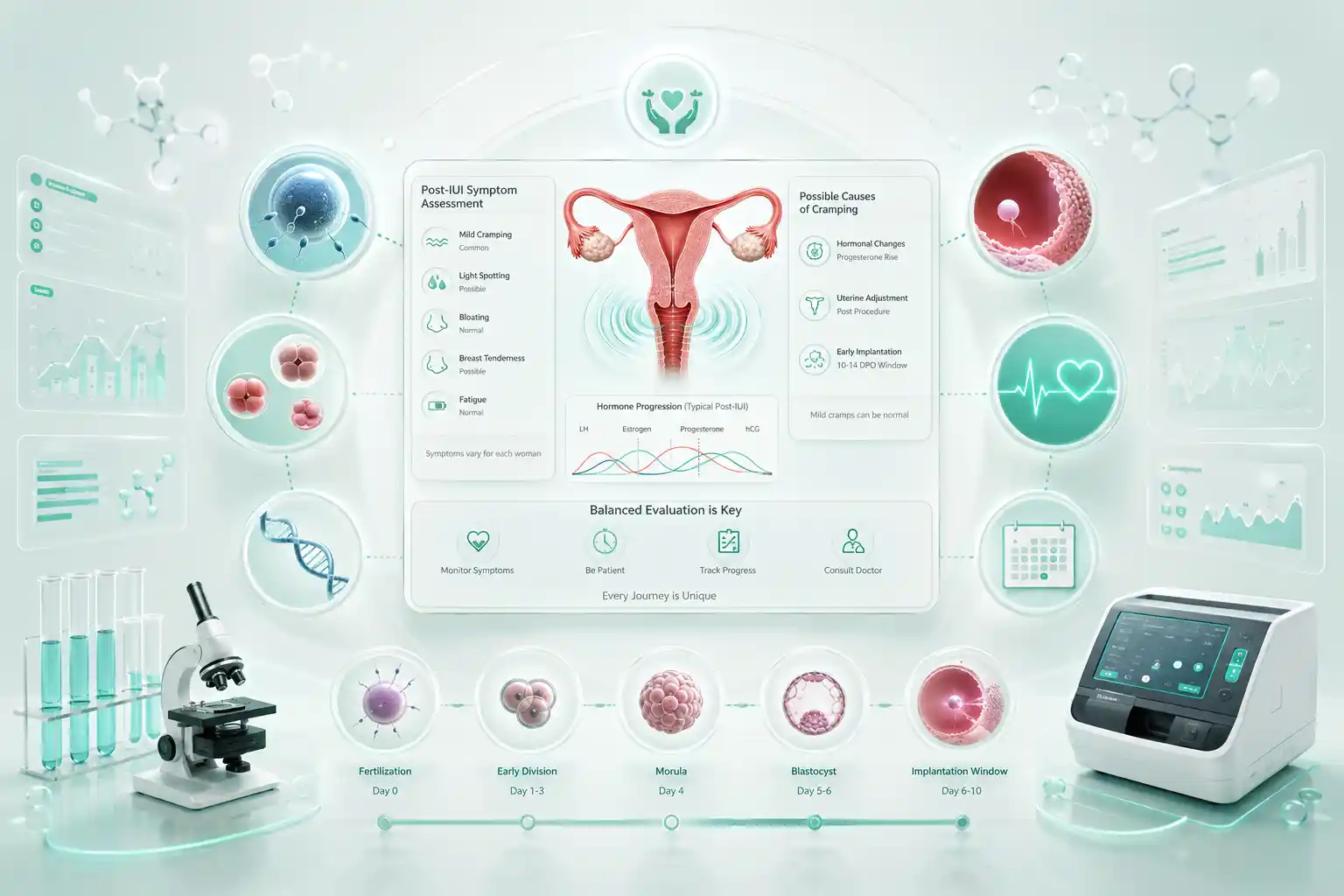
Many people notice mild pelvic discomfort or abdominal cramps after intrauterine insemination (IUI) and immediately wonder, “Is cramping after IUI a good sign?” It’s one of the most frequently asked questions during the two-week wait, as every new sensation can feel significant.
The reassuring news is that mild cramping after IUI is common and is usually not a cause for concern. However, cramping alone cannot confirm whether the treatment has been successful. It may be caused by the procedure itself, ovulation, fertility medications, hormonal changes, or, in some cases, early pregnancy. Understanding the possible reasons for cramping after IUI can help you manage expectations and reduce unnecessary anxiety.
What Is Cramping After IUI?
Cramping after IUI refers to mild pain, pressure, or discomfort in the lower abdomen or pelvis that occurs after the insemination procedure.
It may feel like:
- Mild menstrual cramps
- A dull pelvic ache
- Light pulling or pressure
- Occasional mild twinges
For most patients, these symptoms are temporary and improve without treatment.
Is Cramping After IUI a Good Sign?
The answer is not necessarily.
While some women who become pregnant experience mild cramping, the symptom is not a reliable indicator of pregnancy.
Cramping may occur because of:
- The IUI procedure
- Ovulation
- Hormonal changes
- Progesterone supplements
- Early implantation
- Premenstrual changes
Likewise, many women who become pregnant experience no cramping at all.
The only reliable way to confirm pregnancy is with a properly timed pregnancy test.
Why Does Cramping Happen After IUI?
Several normal processes may cause cramping after the procedure.
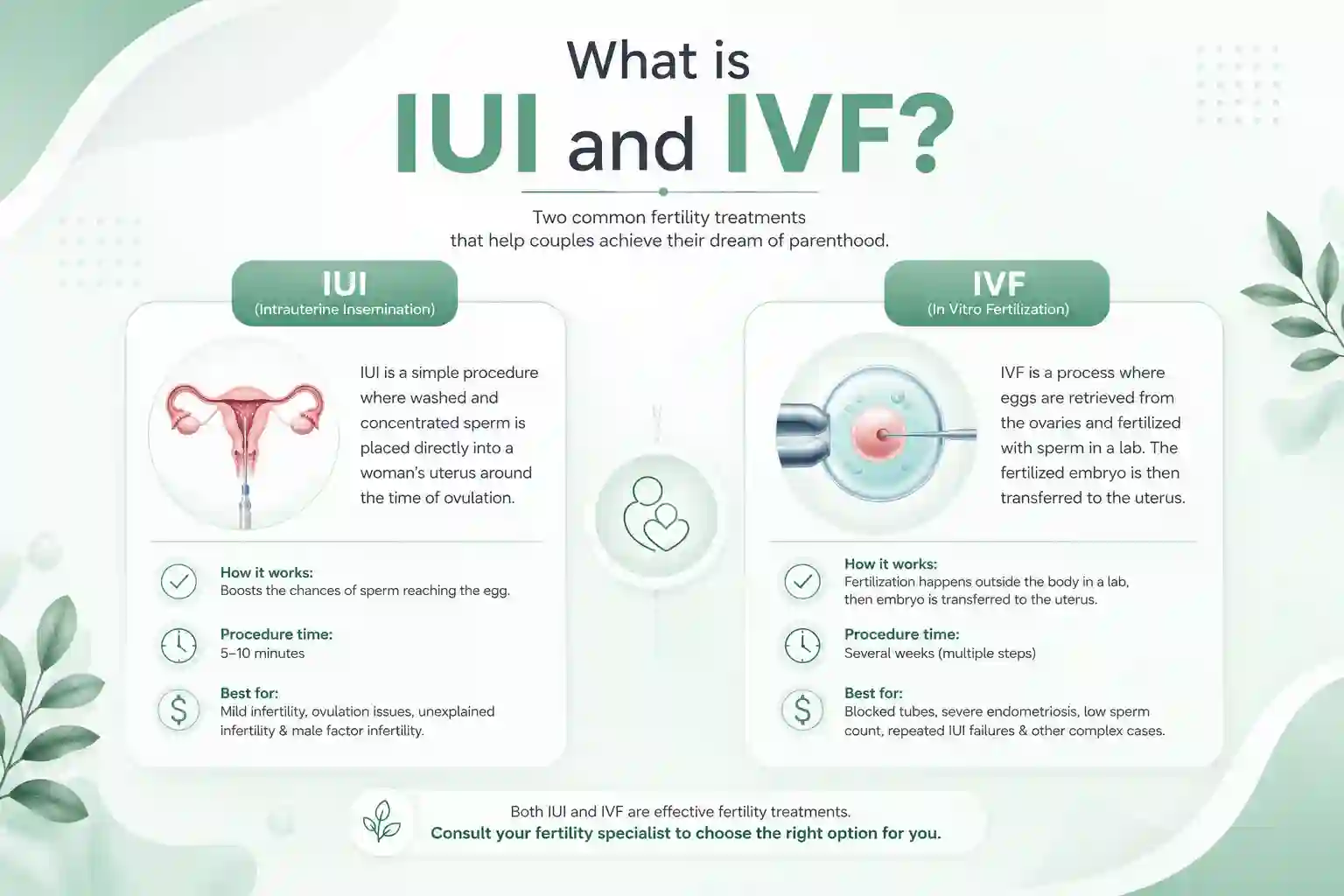
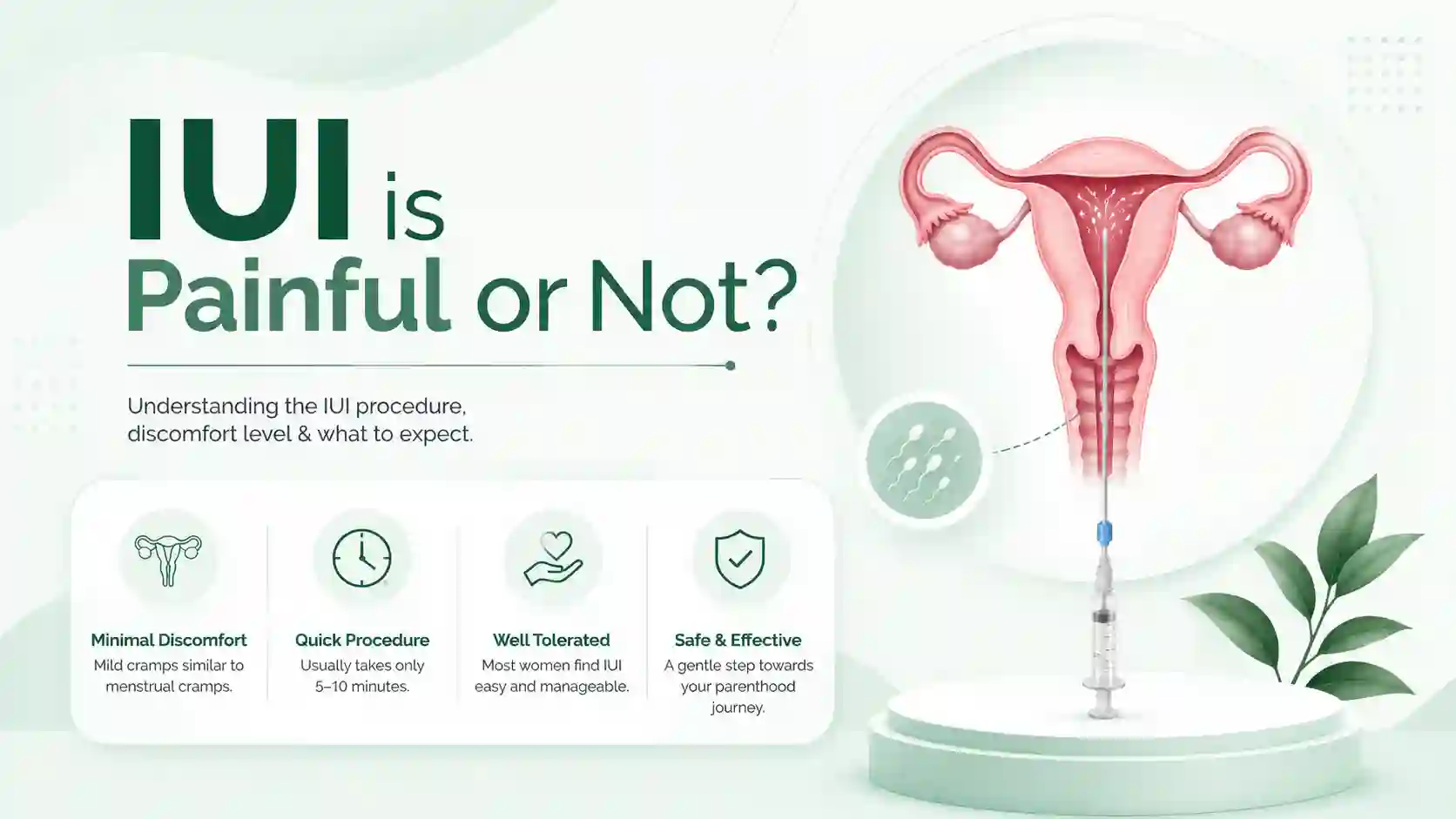
Step 1: Catheter Placement
During IUI, a thin catheter passes through the cervix into the uterus.
This may temporarily irritate the uterus or cervix, causing mild cramping.
Step 2: Ovulation
If ovulation occurs around the time of IUI, some women naturally experience ovulation pain.
Step 3: Hormonal Changes
Progesterone and other fertility medications may contribute to pelvic discomfort or bloating.
Step 4: Possible Implantation
If pregnancy occurs, implantation may take place several days after IUI.
Although some women report mild cramping around this time, implantation cannot be confirmed based on symptoms alone.
Common Causes of Cramping After IUI
The Procedure Itself
Temporary uterine irritation from catheter placement is one of the most common causes of mild cramping.
Ovulation Pain
Some women naturally experience pelvic discomfort when an egg is released.
Fertility Medications
Progesterone supplements and ovarian stimulation medications may cause:
- Mild cramping
- Bloating
- Breast tenderness
- Pelvic pressure
Early Pregnancy
Some women report mild cramping during very early pregnancy, but this symptom is highly variable.
Premenstrual Changes
If pregnancy has not occurred, menstrual cramps may begin as hormone levels change before the next period.
Benefits of Understanding Cramping After IUI
Knowing that mild cramping is common can help you:
- Reduce unnecessary worry.
- Understand normal recovery.
- Avoid overinterpreting symptoms.
- Recognize warning signs that require medical care.
- Navigate the two-week wait with greater confidence.
When Is Cramping Not Normal?
Although mild cramping is common, severe symptoms should never be ignored.
Contact your fertility specialist immediately if cramping is accompanied by:
- Severe abdominal or pelvic pain
- Heavy vaginal bleeding
- Fever
- Persistent vomiting
- Significant abdominal swelling
- Difficulty breathing
- Foul-smelling vaginal discharge
These symptoms may indicate a complication requiring prompt medical evaluation.
Factors Affecting Cramping After IUI
Several factors influence whether you experience cramping.
Fertility Medications
Hormonal medications can increase uterine sensitivity.
Individual Pain Sensitivity
Some women naturally notice pelvic sensations more than others.
Ovulation Timing
Cramping may occur around ovulation regardless of pregnancy.
Underlying Gynecological Conditions
Conditions such as endometriosis or ovarian cysts may influence pelvic discomfort.
Emotional & Patient Perspective
The two-week wait often causes people to pay close attention to every symptom.
Many patients wonder:
- “Does cramping mean implantation?”
- “Is no cramping a bad sign?”
- “Am I pregnant because I have mild cramps?”
The truth is that cramping is neither a reliable positive sign nor a negative sign. Some successful pregnancies include cramping, while others have none. Similarly, women who are not pregnant may also experience mild cramps because of medications or natural hormonal changes.
Try not to compare your symptoms with those of others, as every fertility journey is unique.
Tips During the Two-Week Wait
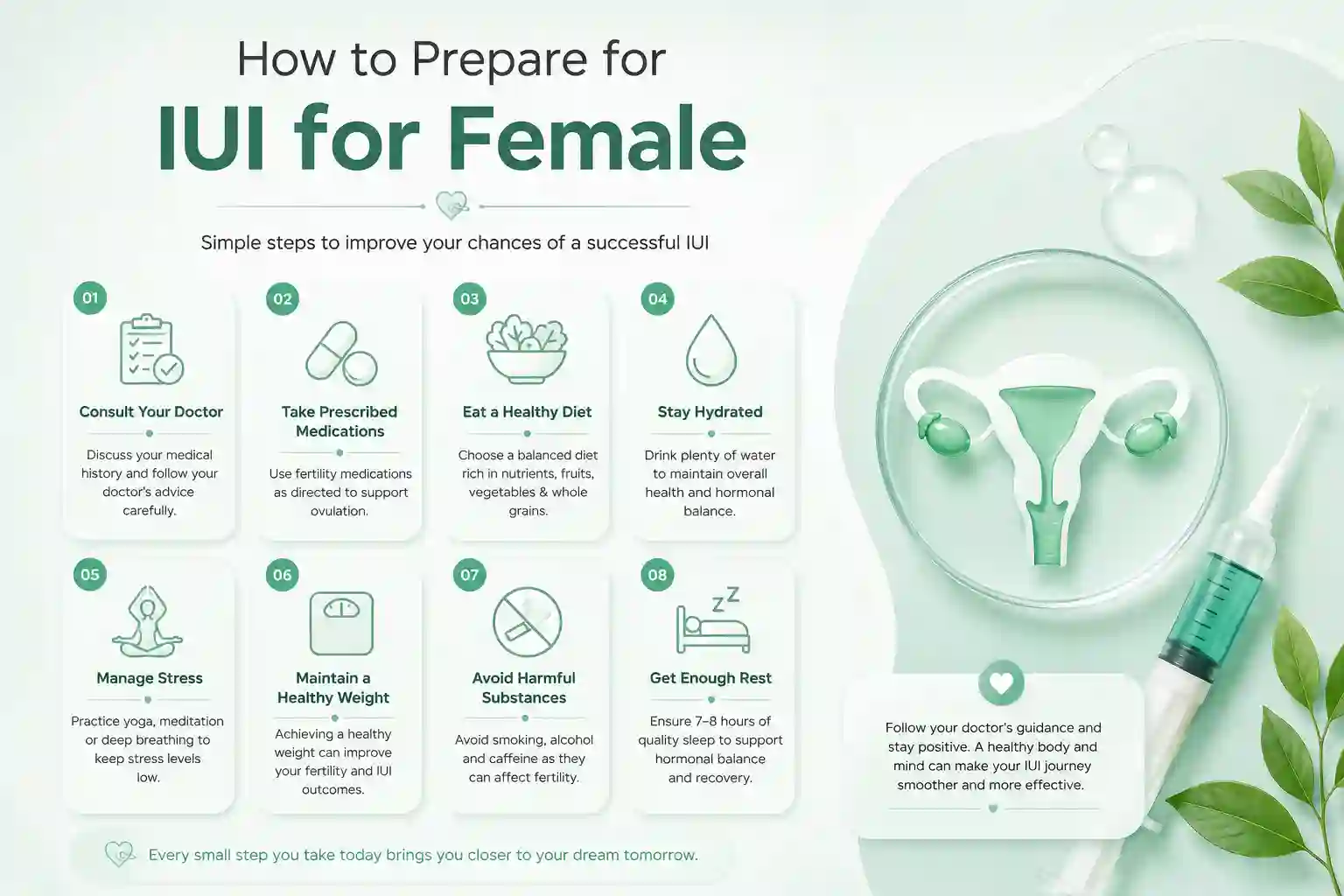
To support your recovery:
- Continue prescribed medications exactly as directed.
- Stay hydrated.
- Eat balanced, nutritious meals.
- Get enough sleep.
- Continue light daily activities unless advised otherwise.
- Avoid smoking and alcohol.
- Wait until the recommended pregnancy testing day.
- Contact your fertility clinic if symptoms become severe.
When to See a Fertility Specialist
Arrange a consultation if:
- Cramping becomes severe or persistent.
- You experience heavy bleeding.
- You develop fever or signs of infection.
- Your pregnancy test is positive.
- You have concerns about your symptoms during the two-week wait.
Your fertility specialist can evaluate your symptoms and provide personalized guidance.
So, is cramping after IUI a good sign? Mild cramping is common after the procedure and may result from uterine irritation, ovulation, fertility medications, hormonal changes, or, in some cases, early implantation. However, cramping alone cannot determine whether you are pregnant. Some women who become pregnant experience mild cramps, while others have no symptoms at all. The most reliable way to confirm the success of an IUI cycle is to wait until the recommended pregnancy test, usually about 14 days after IUI, and follow your fertility specialist’s advice throughout the process.
FAQs About Is Cramping After IUI a Good Sign?
1. Is cramping after IUI a sign of pregnancy?
It can be, but it is not a reliable indicator. Cramping may also result from the procedure, ovulation, fertility medications, or normal hormonal changes.
2. How long does cramping last after IUI?
Most women experience mild cramping for a few hours to a day after the procedure, although occasional mild cramps may occur later.
3. Is it normal to have no cramping after IUI?
Yes. Many successful pregnancies occur without any noticeable cramping after IUI.
4. Can implantation cause cramping after IUI?
Some women report mild cramping around the time implantation may occur, but implantation cannot be confirmed based on symptoms alone.
5. When should I worry about cramping after IUI?
Seek medical attention if you experience severe pain, heavy bleeding, fever, persistent vomiting, significant abdominal swelling, or difficulty breathing.
6. Can progesterone cause cramping after IUI?
Yes. Progesterone supplements and other fertility medications may contribute to mild cramping and pelvic discomfort.
7. When should I take a pregnancy test if I have cramping after IUI?
Most fertility specialists recommend taking a pregnancy test about 14 days after IUI, regardless of whether you have cramping or other symptoms.