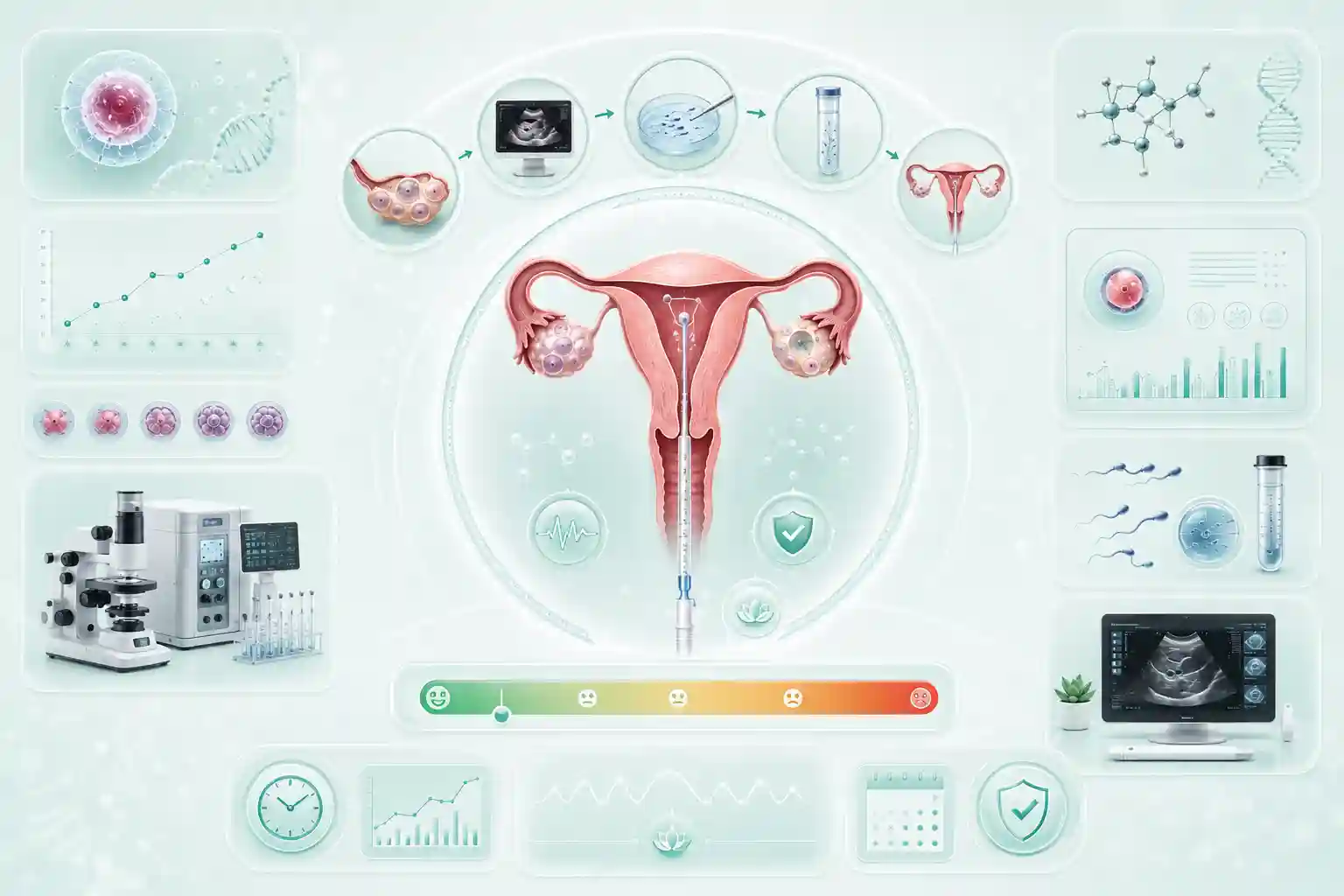
One of the most common questions people ask before fertility treatment is, “IUI is painful?” Many patients worry about discomfort and wonder whether the procedure will hurt. It’s completely normal to feel anxious before treatment, especially when it involves your reproductive health.
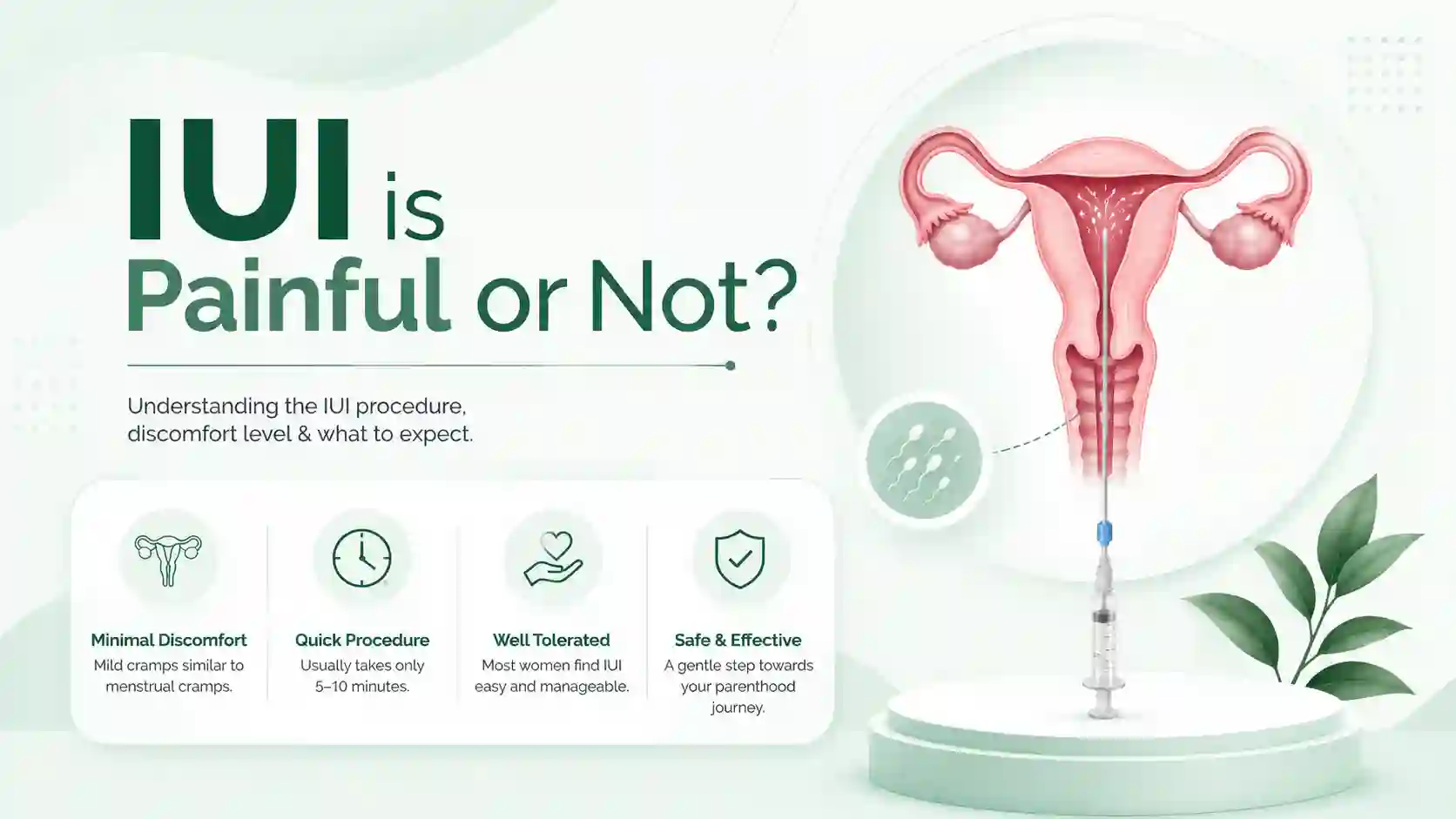
The reassuring news is that for most patients, IUI is painful is actually a misconception. In reality, IUI (Intrauterine Insemination) is generally not considered a painful procedure. Most people describe it as mildly uncomfortable rather than painful. The procedure is quick, usually takes only a few minutes, and does not require surgery or anesthesia.
While some patients experience brief cramping or pressure, many feel little to no discomfort at all. This guide explains why some people ask whether IUI is painful, what the procedure feels like, and what you can expect before, during, and after treatment.
Is IUI Painful?
When patients search online for “IUI is painful”, they are often relieved to learn that the answer is usually no.
IUI is typically associated with:
- Mild pressure
- Brief cramping
- Temporary pelvic discomfort
- A sensation similar to a routine pelvic examination or Pap smear
Many patients are surprised by how quick and comfortable the procedure is. Although every person experiences pain differently, severe discomfort is uncommon.
Why Do Some People Think IUI Is Painful?
Several factors can contribute to mild discomfort during treatment, which is why some patients believe IUI is painful.
These factors include:
- Placement of the speculum
- Passage of the catheter through the cervix
- Individual sensitivity
- Cervical anatomy
- Anxiety causing muscle tension
The catheter used during IUI is very thin and flexible, helping minimize discomfort throughout the procedure.
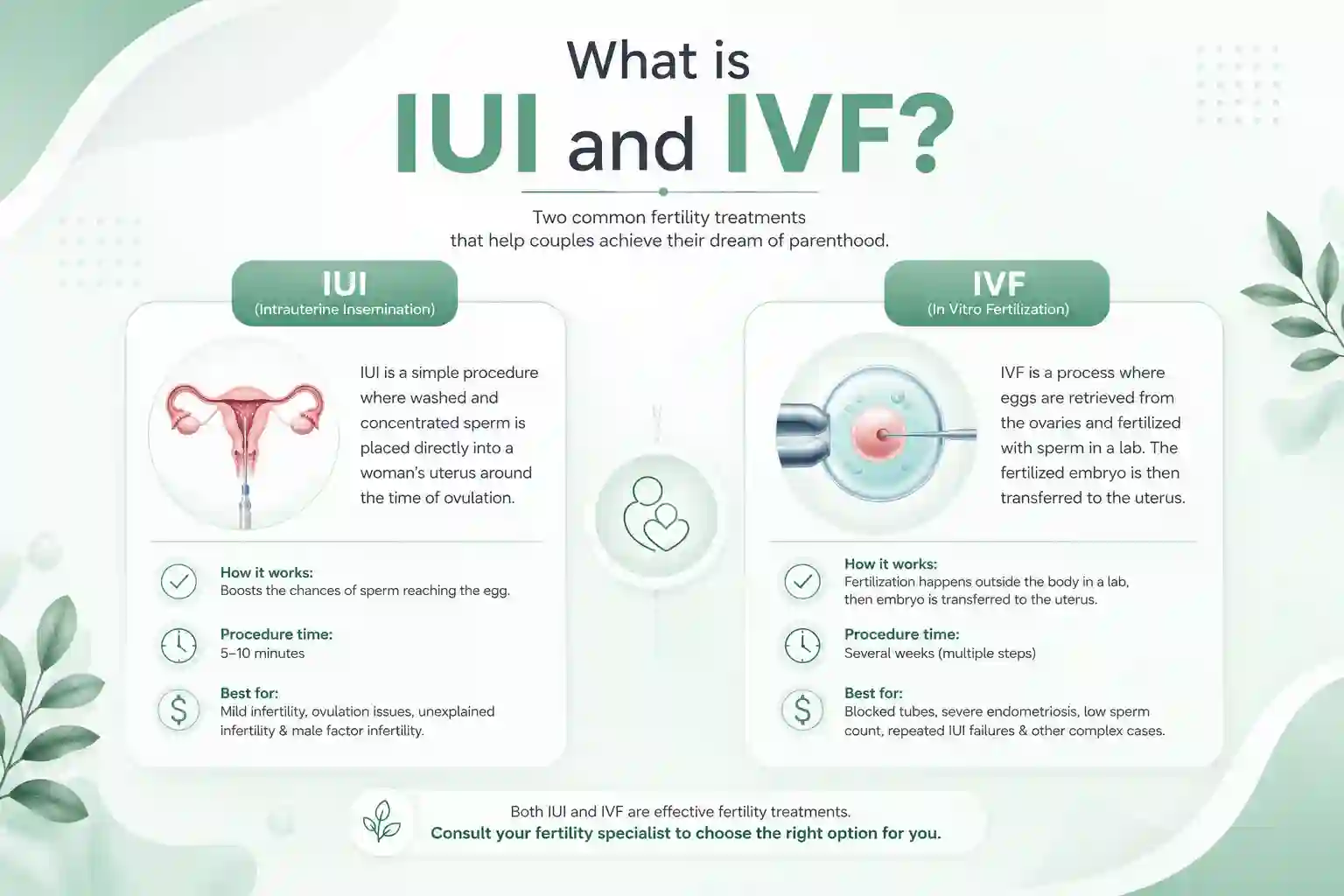
How Does the IUI Procedure Work?
Step 1: Ovulation Monitoring
Your fertility specialist determines the ideal time for insemination using ultrasound scans, blood tests, or ovulation predictor kits.
Step 2: Sperm Washing
A semen sample is processed in the laboratory to concentrate healthy, motile sperm.
Step 3: Preparation
You lie comfortably on an examination table, similar to a routine gynecological exam.
Step 4: Speculum Placement
A speculum is gently inserted into the vagina so the cervix can be visualized.
Step 5: Catheter Insertion
A thin, soft catheter is passed through the cervix into the uterus.
Most patients experience:
- Mild pressure
- Slight cramping
- Brief discomfort
Some patients feel nothing at all, which further supports the fact that IUI is painful is not an accurate description for most people.
Step 6: Sperm Placement
The prepared sperm is slowly injected into the uterus.
The catheter is then removed, and many clinics recommend resting for a few minutes before going home.
What Does IUI Feel Like?
Patients who wonder whether IUI is painful often describe the actual experience as:
- Quick
- Mildly uncomfortable
- Similar to a Pap smear
- Easier than expected
The insemination itself usually takes less than five minutes, while the full appointment may last 20–30 minutes.
Benefits of IUI
IUI offers several advantages:
- Minimally invasive
- No surgery required
- Usually no anesthesia needed
- Short procedure
- Quick recovery
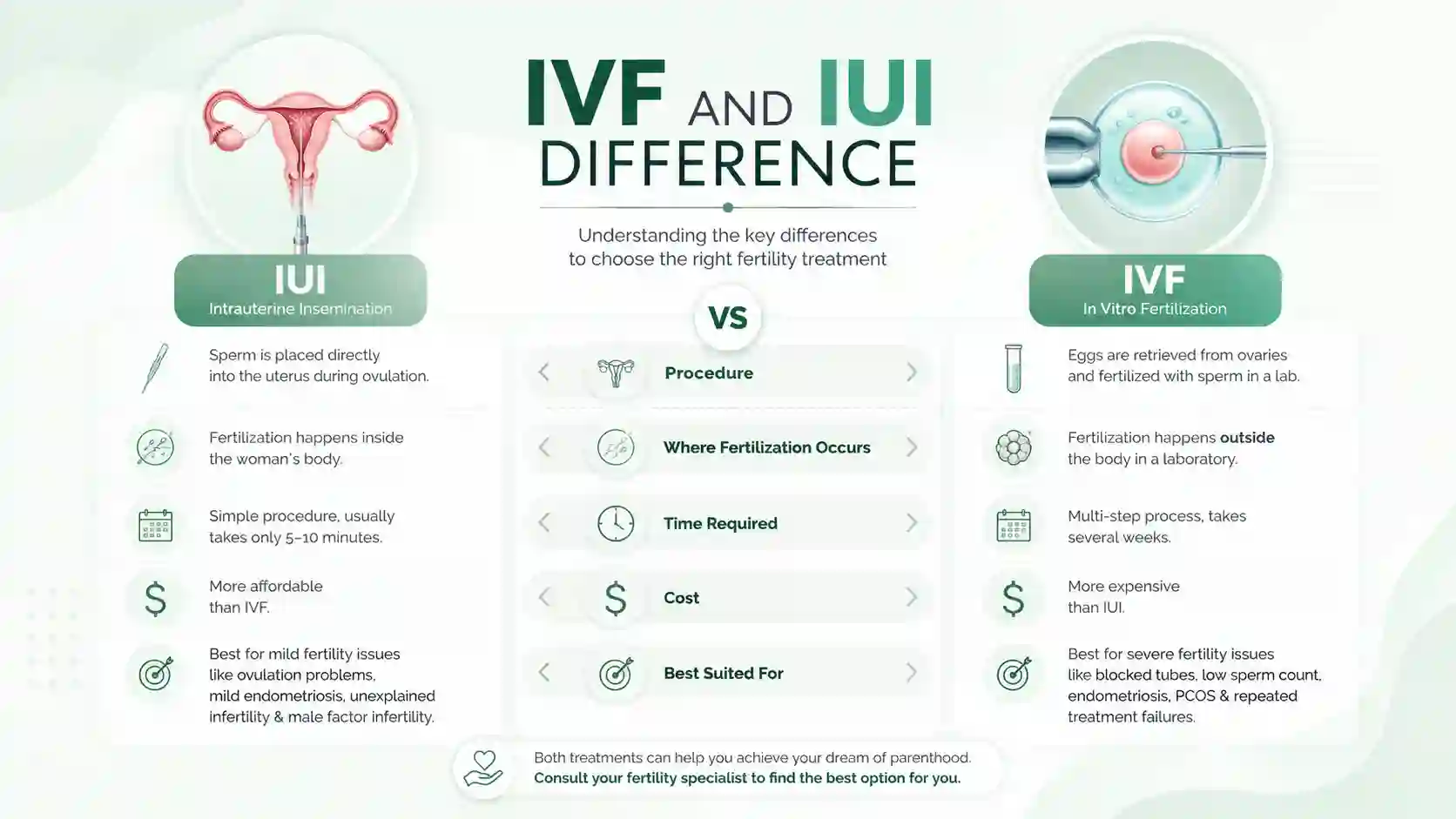
- Lower cost than IVF
- Minimal interruption to daily life
These benefits make IUI one of the most commonly recommended first-line fertility treatments.
Side Effects After IUI
Most side effects are mild and temporary.
Common side effects include:
- Mild cramping
- Light spotting
- Temporary pelvic discomfort
- Mild bloating
- Breast tenderness if fertility medications are used
Most patients return to normal activities on the same day.
Risks, Side Effects, or Limitations
Serious complications after IUI are rare.
Potential risks include:
- Infection
- Multiple pregnancy when fertility medications are used
- Ovarian Hyperstimulation Syndrome (OHSS) during stimulated cycles
Contact your fertility specialist if you experience severe pain, heavy bleeding, fever, or significant abdominal swelling.
Factors That Affect Whether IUI Feels Painful
Individual Pain Tolerance
Every person experiences medical procedures differently.
Cervical Anatomy
A narrow or curved cervix can make catheter placement slightly more challenging.
Previous Pelvic Conditions
Conditions such as endometriosis or pelvic inflammation may increase sensitivity during the procedure.
Anxiety
Many people searching “IUI is painful” are experiencing anxiety before treatment. Anxiety can cause pelvic muscles to tighten, which may increase discomfort.
Relaxation techniques often help make the experience more comfortable.
Emotional & Patient Perspective
Feeling nervous before fertility treatment is completely understandable.
Many patients worry that:
- The catheter will be painful
- The procedure will feel like surgery
- The discomfort will last for a long time
Fortunately, most patients discover that IUI is painful is largely a myth. Many report that the procedure is much easier than they expected. Understanding each step beforehand can help reduce anxiety and improve comfort.
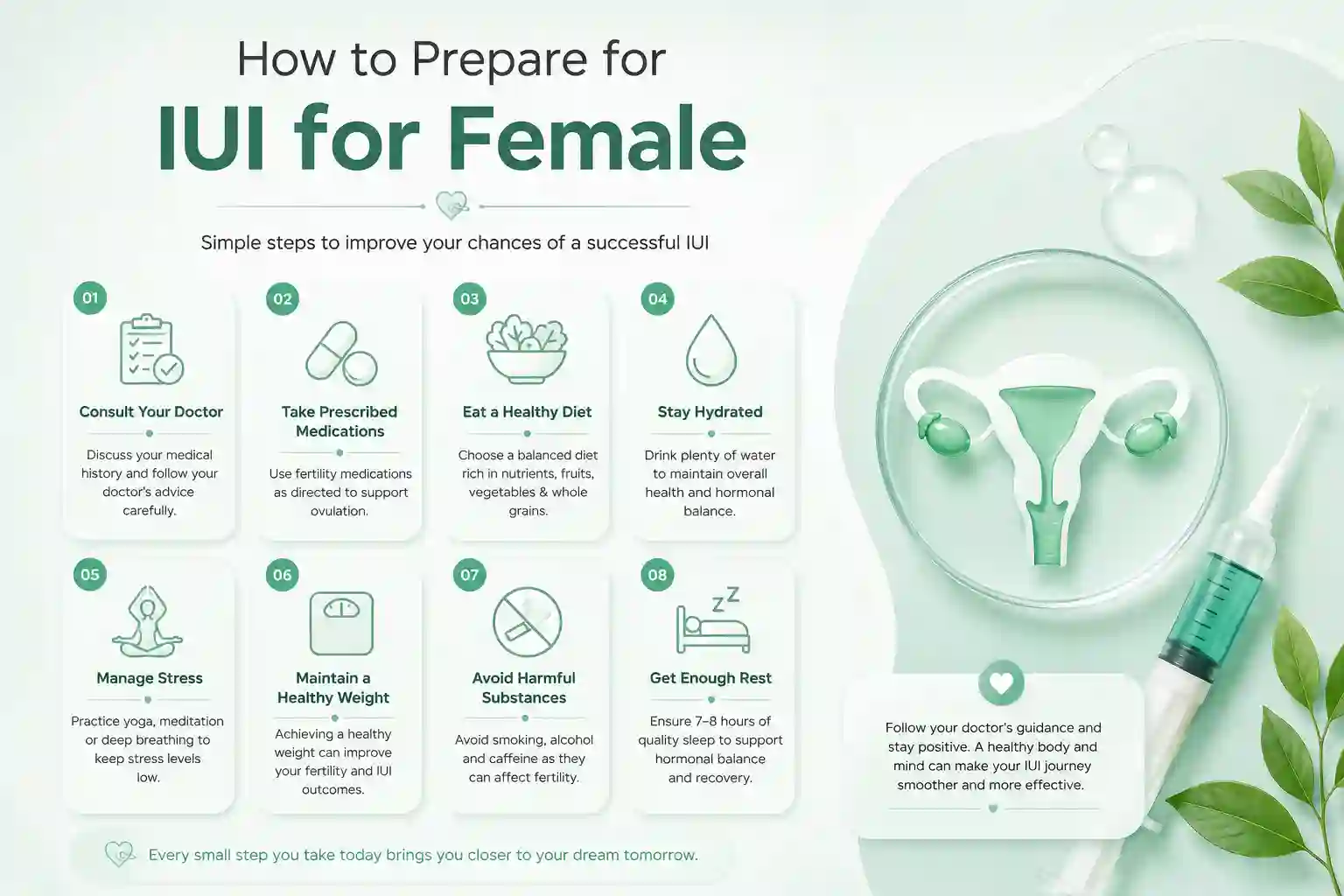
Tips to Make IUI More Comfortable
Before your procedure:
- Wear comfortable clothing
- Arrive early to reduce stress
- Stay well hydrated
- Practice slow, deep breathing
- Relax your pelvic muscles during the procedure
- Ask your fertility specialist questions if you feel anxious
A relaxed approach can significantly improve comfort during treatment.
When to See a Fertility Specialist
Contact your fertility specialist if you experience:
- Severe pelvic or abdominal pain
- Heavy vaginal bleeding
- Fever
- Persistent vomiting
- Foul-smelling vaginal discharge
- Significant abdominal swelling
These symptoms are uncommon and should be evaluated promptly.
If you’re wondering whether IUI is painful, the answer for most people is no. While mild pressure or brief cramping may occur, IUI is generally a quick, minimally invasive procedure that is well tolerated. Many patients compare it to a routine pelvic exam and return to normal activities shortly afterward. Although individual experiences vary, severe pain is uncommon. Discussing any concerns with your fertility specialist can help you feel more confident and prepared before treatment.
FAQs About IUI Is Painful
1. Is IUI painful for everyone?
No. Most people experience little or no pain. Some may feel mild cramping or pressure during catheter insertion.
2. How long does discomfort last if IUI is painful?
Any mild cramping or pelvic discomfort usually lasts only a few hours, though some people may notice light discomfort for up to a day.
3. Does IUI require anesthesia?
No. IUI is usually performed without anesthesia because it is minimally invasive and generally well tolerated.
4. Can I return to work after IUI?
Yes. Most patients can return to work and resume normal daily activities on the same day unless advised otherwise by their fertility specialist.
5. Is IUI less painful than IVF?
Yes. Even for patients concerned that IUI is painful, IUI is generally much less physically demanding than IVF because it does not involve egg retrieval or surgery.
6. Is cramping after IUI normal?
Yes. Mild cramping is common after IUI and usually resolves on its own within a short period.
7. When should I contact my fertility clinic after IUI?
Seek medical advice if you experience severe pain, heavy bleeding, fever, persistent vomiting, foul-smelling vaginal discharge, or significant abdominal swelling after the procedure.