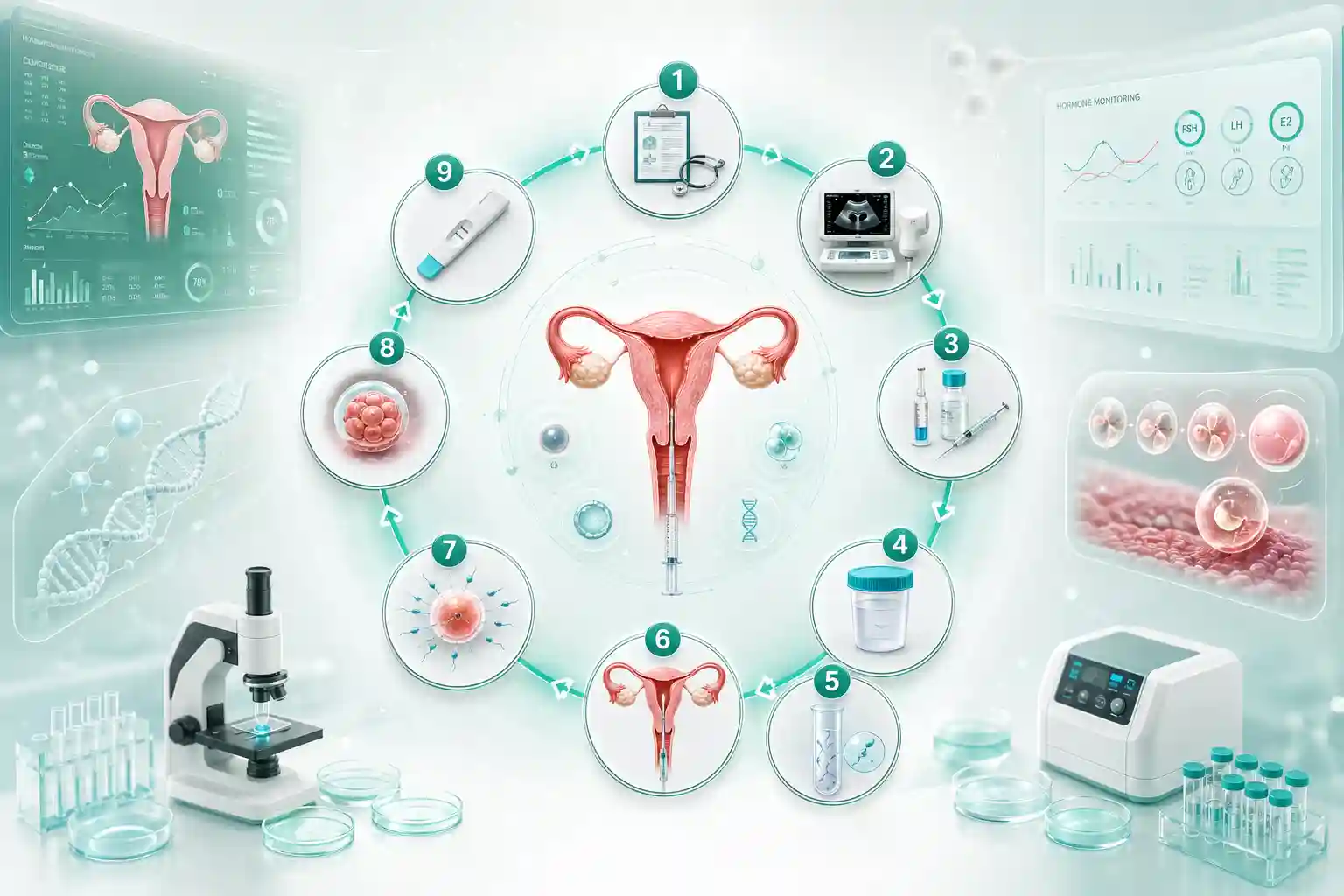
If you’re exploring fertility treatment, you may be asking, “what is IUI process?” Intrauterine insemination (IUI) is one of the most common and least invasive fertility treatments used to help individuals and couples achieve pregnancy.
Understanding what is IUI process can help reduce anxiety and prepare you for each stage of treatment. During the procedure, specially prepared sperm is placed directly into the uterus around the time of ovulation. This shortens the distance sperm must travel to reach the egg, increasing the chances of fertilization.
The procedure is quick, usually takes only a few minutes, and most people can return to their normal activities shortly afterward.
In this guide, you’ll learn what is IUI process, how it works, what happens before and after treatment, and what to expect during the two-week wait.
What Is IUI Process?
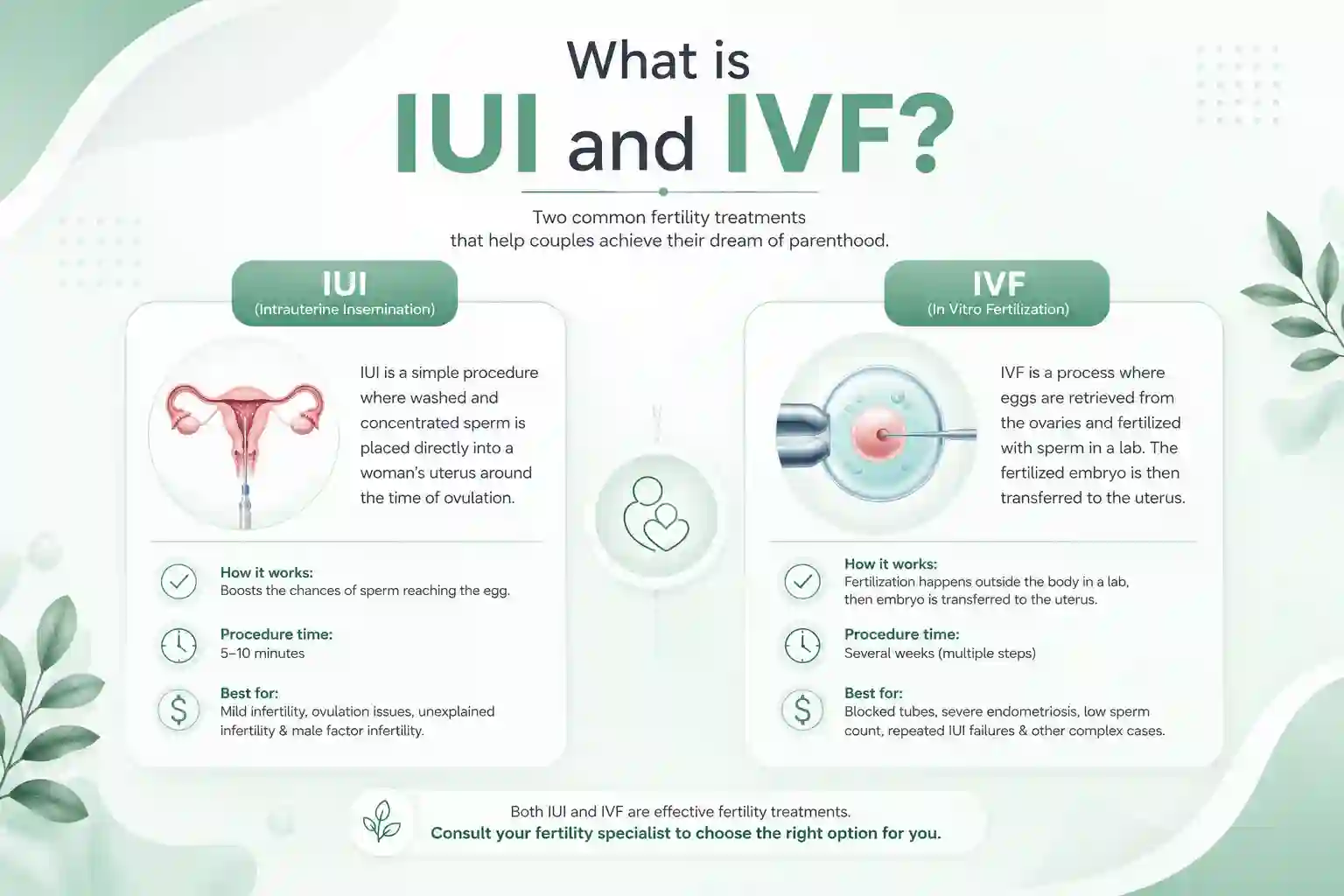
What is IUI process? The IUI process (Intrauterine Insemination) is a fertility treatment in which washed and concentrated sperm is placed directly into the uterus using a thin, flexible catheter.
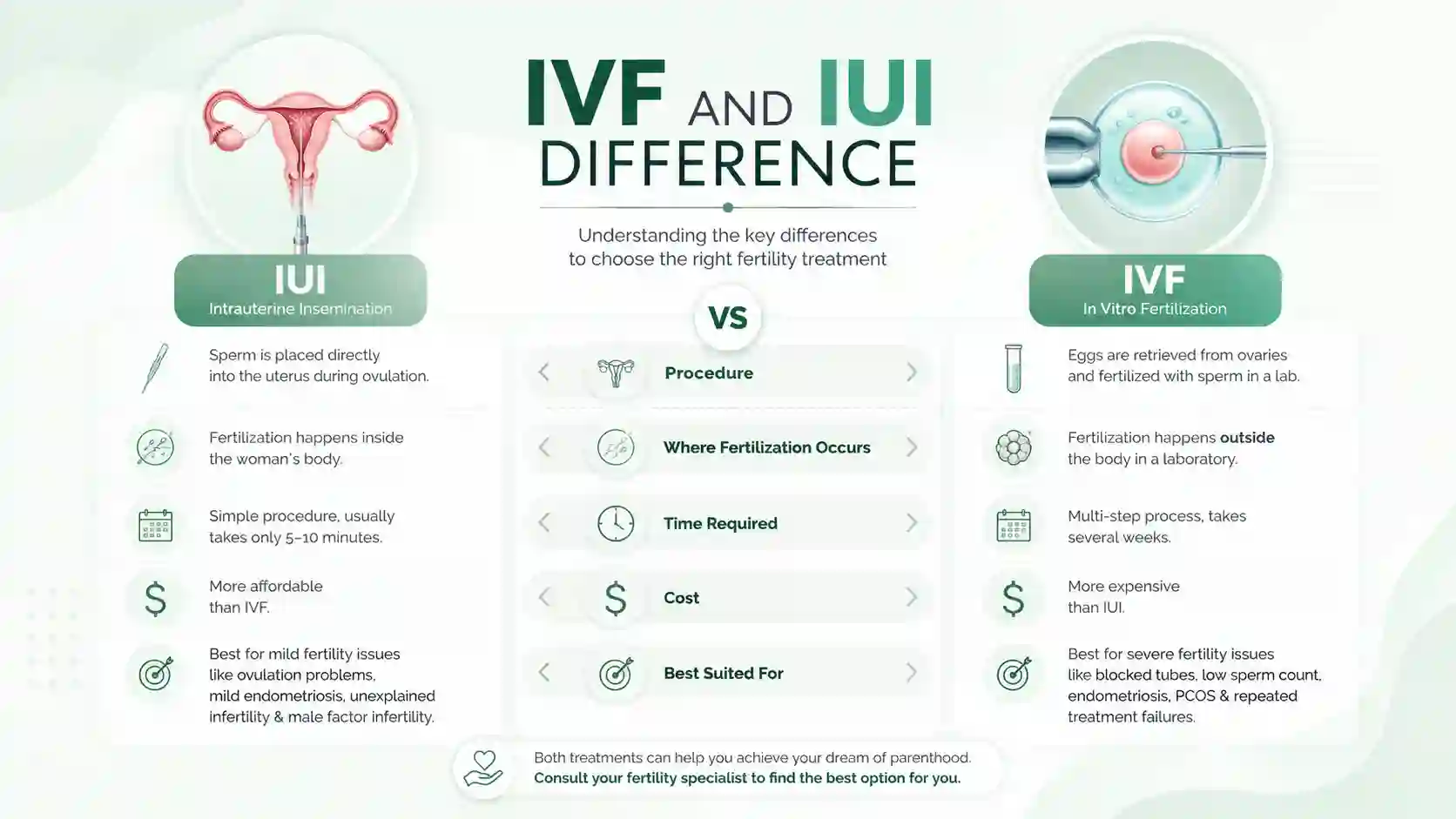
Unlike IVF, fertilization still occurs naturally inside the body, usually within the fallopian tube after the sperm meets the egg.
When people ask what is IUI process, they are referring to a treatment designed to increase the likelihood of fertilization by helping healthy sperm reach the egg more efficiently.
IUI may be recommended for:
- Unexplained infertility
- Mild male factor infertility
- Ovulation disorders
- Cervical factor infertility
- Use of donor sperm in appropriate cases
Why Is the IUI Process Performed?
Understanding what is IUI process also means understanding its purpose.
The goal of IUI is to improve the chances of fertilization by placing healthy sperm closer to the egg.
Benefits include:
- Bypassing the cervix
- Increasing the number of motile sperm reaching the fallopian tubes
- Supporting natural fertilization
- Offering a less invasive alternative to IVF for suitable candidates
Step-by-Step: What Is IUI Process?
Step 1: Initial Fertility Evaluation
The first step in understanding what is IUI process is the fertility evaluation.
Before starting treatment, your fertility specialist may perform:
- Medical history review
- Physical examination
- Hormone blood tests
- Ultrasound evaluation
- Ovulation assessment
- Semen analysis
- Fallopian tube evaluation (if indicated)
These tests help determine whether IUI is an appropriate treatment option.
Step 2: Ovulation Monitoring
A key part of what is IUI process involves accurately tracking ovulation.
Ovulation may be monitored using:
- Ultrasound scans
- Blood hormone tests
- Ovulation predictor kits
- Fertility medications when needed
Some patients also receive an hCG trigger injection to help time ovulation.
Step 3: Sperm Collection
On the day of treatment, a semen sample is collected.
The sample may come from:
- A partner
- A donor
This is an important stage of what is IUI process because sperm preparation occurs immediately afterward.
Step 4: Sperm Washing
The semen sample is processed in a laboratory through a procedure called sperm washing.
This removes:
- Seminal fluid
- Debris
- Non-motile sperm
The result is a concentrated sample containing healthy, actively moving sperm.
Step 5: The IUI Procedure
The insemination itself is the central part of what is IUI process.
During the procedure:
- You lie on an examination table.
- A speculum is inserted into the vagina.
- A thin, flexible catheter is gently passed through the cervix.
- The prepared sperm is slowly placed into the uterus.
- The catheter and speculum are removed.
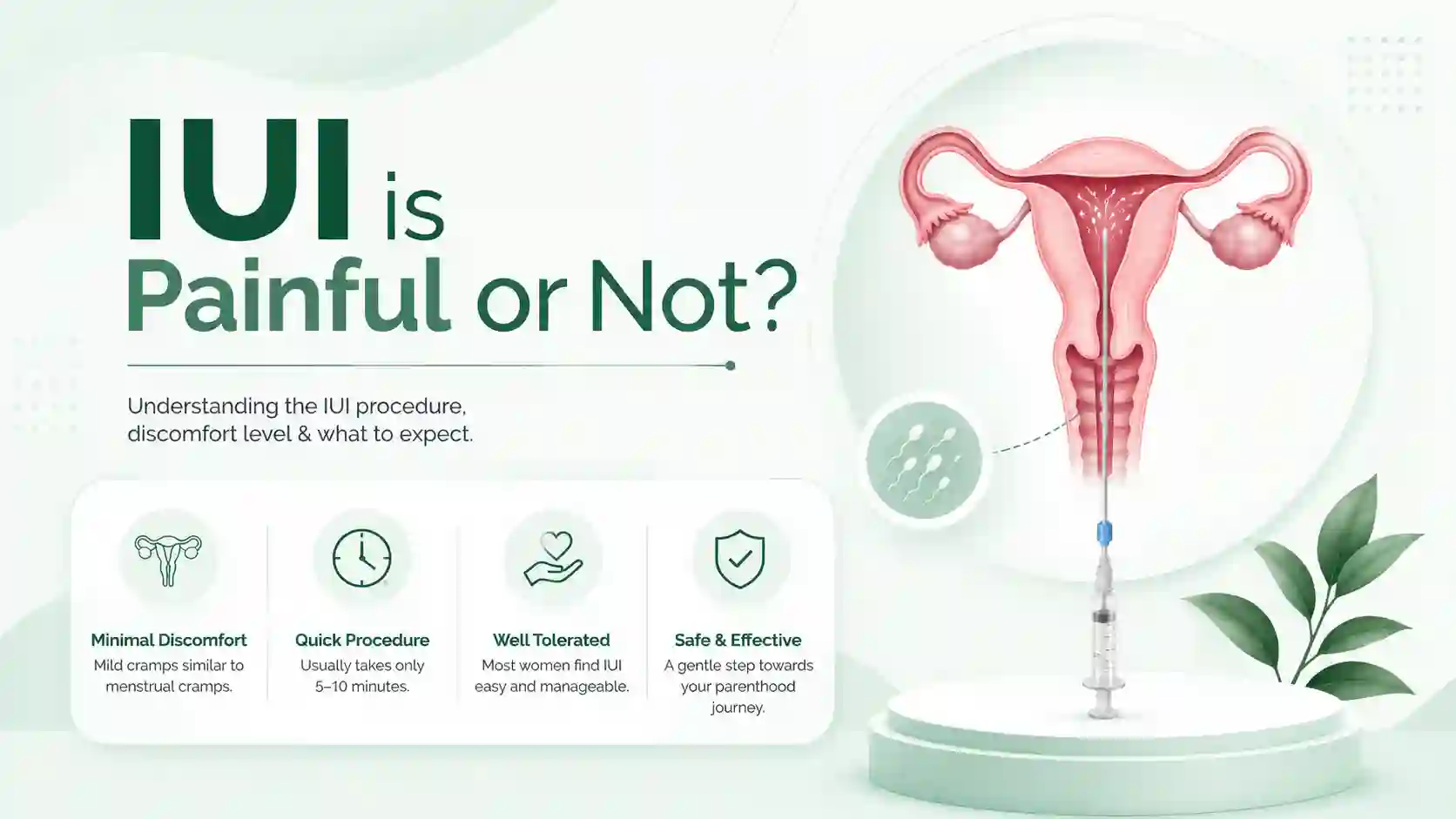
Most patients describe the procedure as causing only mild pressure or slight cramping.
Step 6: Short Recovery
Another important aspect of what is IUI process is recovery.
Many fertility clinics recommend resting for 10–15 minutes after the procedure.
Afterward, most patients can:
- Return home
- Go back to work
- Resume normal daily activities
Routine bed rest is generally not required.
Step 7: The Two-Week Wait
The final stage of what is IUI process is often called the two-week wait.
After IUI:
- Continue prescribed medications.
- Follow your fertility specialist’s instructions.
- Maintain healthy lifestyle habits.
- Wait until the recommended pregnancy testing day.
A pregnancy test is usually performed about 14 days after IUI.
How Long Does the IUI Process Take?
When asking what is IUI process, many patients also want to know how long it takes.
The overall treatment cycle may take 2–4 weeks, depending on whether fertility medications are used.
The insemination procedure itself typically lasts 5–10 minutes, while the complete clinic visit usually takes 20–30 minutes.
Benefits of the IUI Process
Understanding what is IUI process also includes recognizing its advantages.
Benefits include:
- Minimally invasive
- No surgery required
- Usually no anesthesia
- Short treatment time
- Quick recovery
- Lower cost than IVF
- Supports natural fertilization inside the body
These benefits make IUI a common first-line fertility treatment.
Risks, Side Effects, or Limitations
Although IUI is considered safe, possible side effects include:
- Mild cramping
- Light spotting
- Temporary pelvic discomfort
Rare risks include:
- Infection
- Multiple pregnancy when fertility medications are used
- Ovarian Hyperstimulation Syndrome (OHSS) in stimulated cycles
Your fertility specialist will discuss these risks before treatment.
Factors Affecting IUI Success
If you’re researching what is IUI process, it’s also important to understand what influences success rates.
Female Age
Egg quality naturally declines with age.
Sperm Quality
Healthy sperm count, motility, and morphology improve fertilization potential.
Ovulation Timing
Accurate timing is one of the most important predictors of success.
Cause of Infertility
Certain fertility conditions respond better to IUI than others.
Overall Health
Maintaining a healthy lifestyle supports reproductive health before and during treatment.
Emotional & Patient Perspective
Learning what is IUI process can make fertility treatment feel less intimidating.
Many patients worry about:
- Whether the procedure will hurt
- Whether IUI will work
- The emotional challenge of the two-week wait
Understanding each step often helps reduce anxiety and makes the experience feel more manageable. Every fertility journey is unique, and needing more than one IUI cycle is common.
Tips Before and After IUI
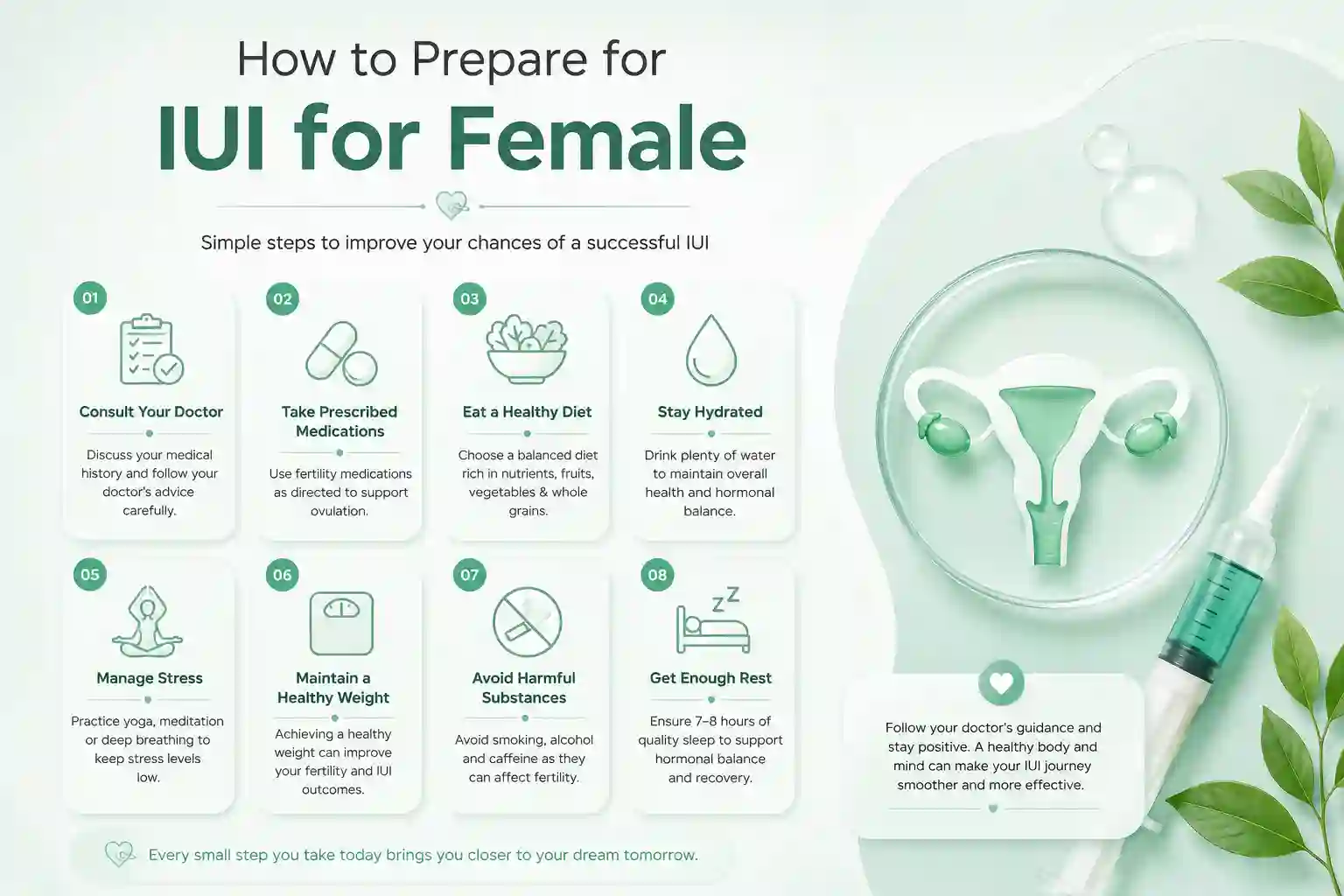
To prepare for treatment:
- Follow your medication schedule carefully.
- Attend all monitoring appointments.
- Stay hydrated.
- Eat a balanced diet.
- Get adequate sleep.
- Avoid smoking and alcohol.
- Continue prenatal vitamins if recommended.
- Avoid taking an early pregnancy test unless instructed by your fertility specialist.
When to See a Fertility Specialist
Contact your fertility specialist if you:
- Have questions about what is IUI process and your treatment plan.
- Experience severe abdominal pain or heavy bleeding after treatment.
- Develop fever or foul-smelling vaginal discharge.
- Have a positive pregnancy test.
- Have completed several unsuccessful IUI cycles and wish to discuss additional treatment options.
If you’ve been wondering what is IUI process, it is a simple, minimally invasive fertility treatment that helps increase the chances of pregnancy by placing specially prepared sperm directly into the uterus during ovulation. The process includes fertility evaluation, ovulation monitoring, sperm washing, insemination, a short recovery period, and pregnancy testing approximately 14 days later.
While IUI cannot guarantee pregnancy, understanding what is IUI process can help you feel more confident and prepared throughout treatment. Working closely with your fertility specialist and following your personalized treatment plan can help optimize your chances of success.
FAQs About What Is IUI Process
1. What is IUI process?
What is IUI process? It is a fertility treatment that involves preparing healthy sperm in a laboratory and placing it directly into the uterus during ovulation using a thin catheter.
2. How long does the IUI procedure take?
The insemination itself usually takes 5–10 minutes, while the entire clinic visit often lasts 20–30 minutes.
3. Is the IUI process painful?
Most patients experience little or no pain. Mild cramping or pressure during catheter insertion is common but usually brief.
4. Do I need anesthesia for IUI?
No. IUI is typically performed without anesthesia because it is minimally invasive and generally well tolerated.
5. Can I return to work after IUI?
Yes. Most people can resume normal daily activities, including work, shortly after the procedure.
6. When should I take a pregnancy test after IUI?
Most fertility specialists recommend taking a pregnancy test about 14 days after the IUI procedure.
7. How many IUI cycles are usually recommended?
Many fertility specialists recommend three to four IUI cycles for suitable candidates before considering IVF, although recommendations vary depending on age, fertility diagnosis, and individual circumstances.