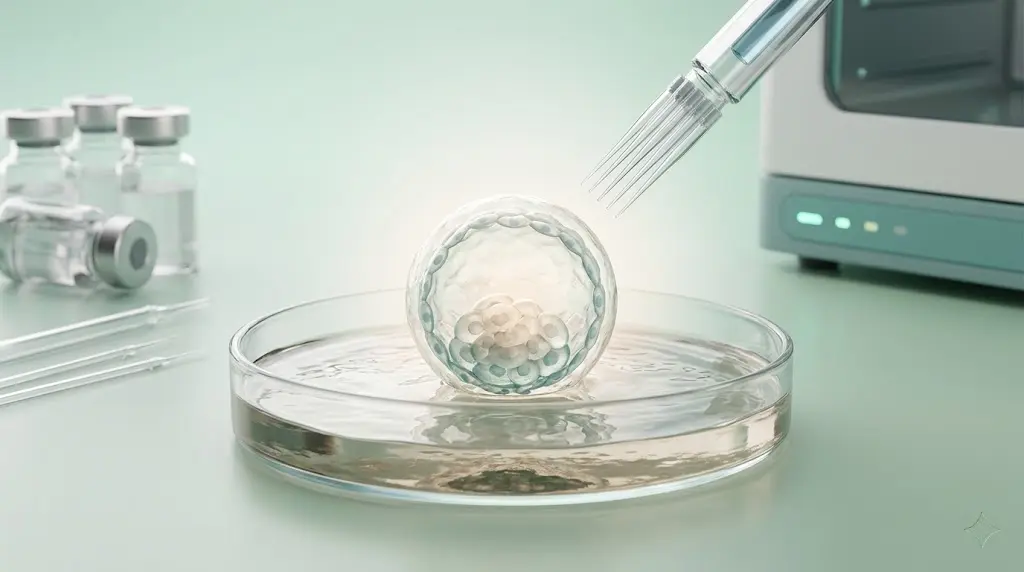
Starting IVF treatment can feel exciting, emotional, and overwhelming at the same time. Many couples naturally ask the same question: how to make IVF successful the first time. While no fertility treatment can guarantee pregnancy, there are several important factors that may improve your chances of success.
From choosing the right fertility clinic to improving lifestyle habits and understanding the IVF process, preparation plays a major role. A healthy body, proper medical guidance, and emotional support can all contribute to better IVF outcomes.
This guide explains practical and medically informed ways to improve IVF success rates in a beginner-friendly and easy-to-understand way.
What Is How to Make IVF Successful the First Time?
“How to make IVF successful the first time” refers to the steps, lifestyle changes, medical planning, and fertility strategies that may increase the chances of achieving pregnancy during the first IVF cycle.
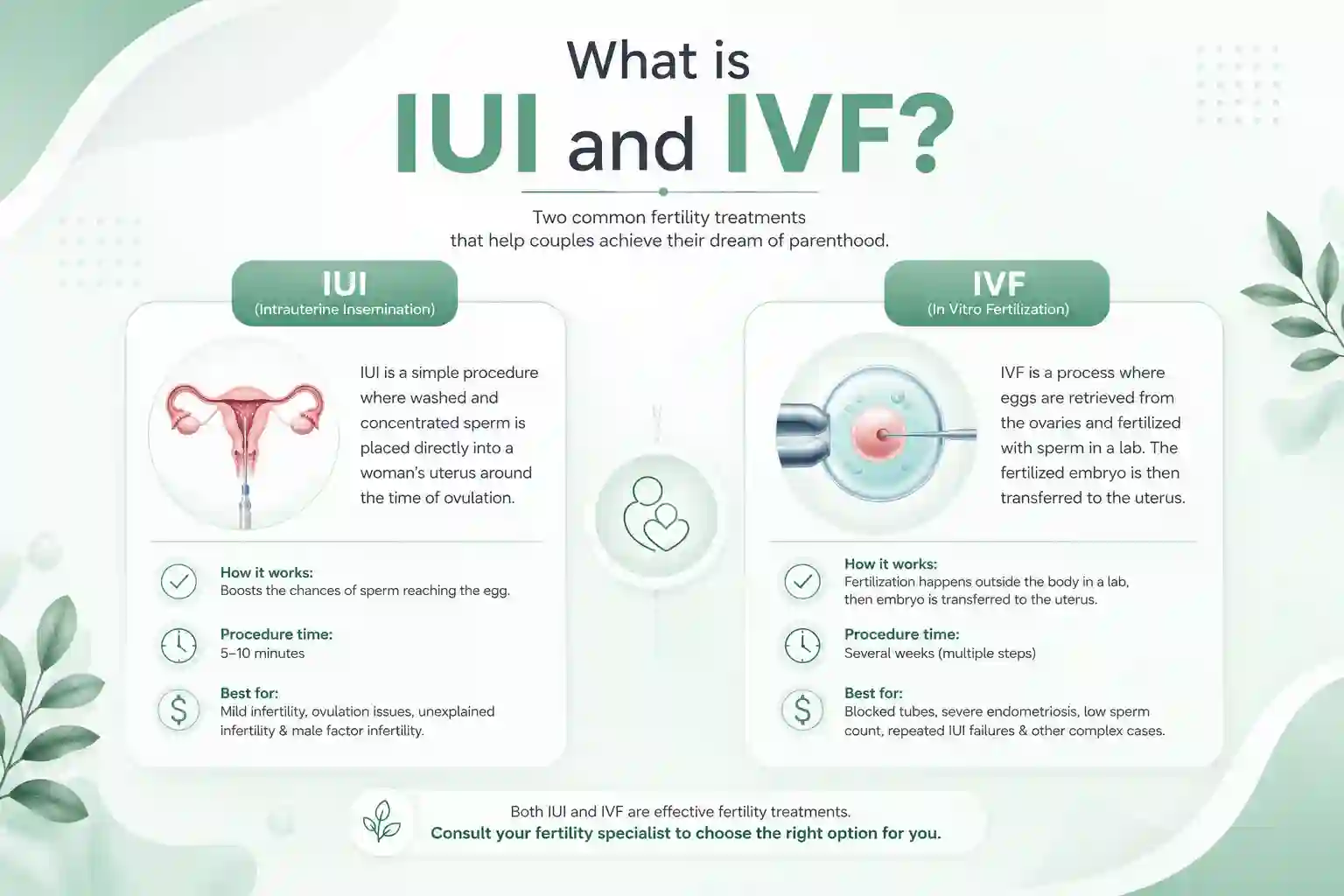
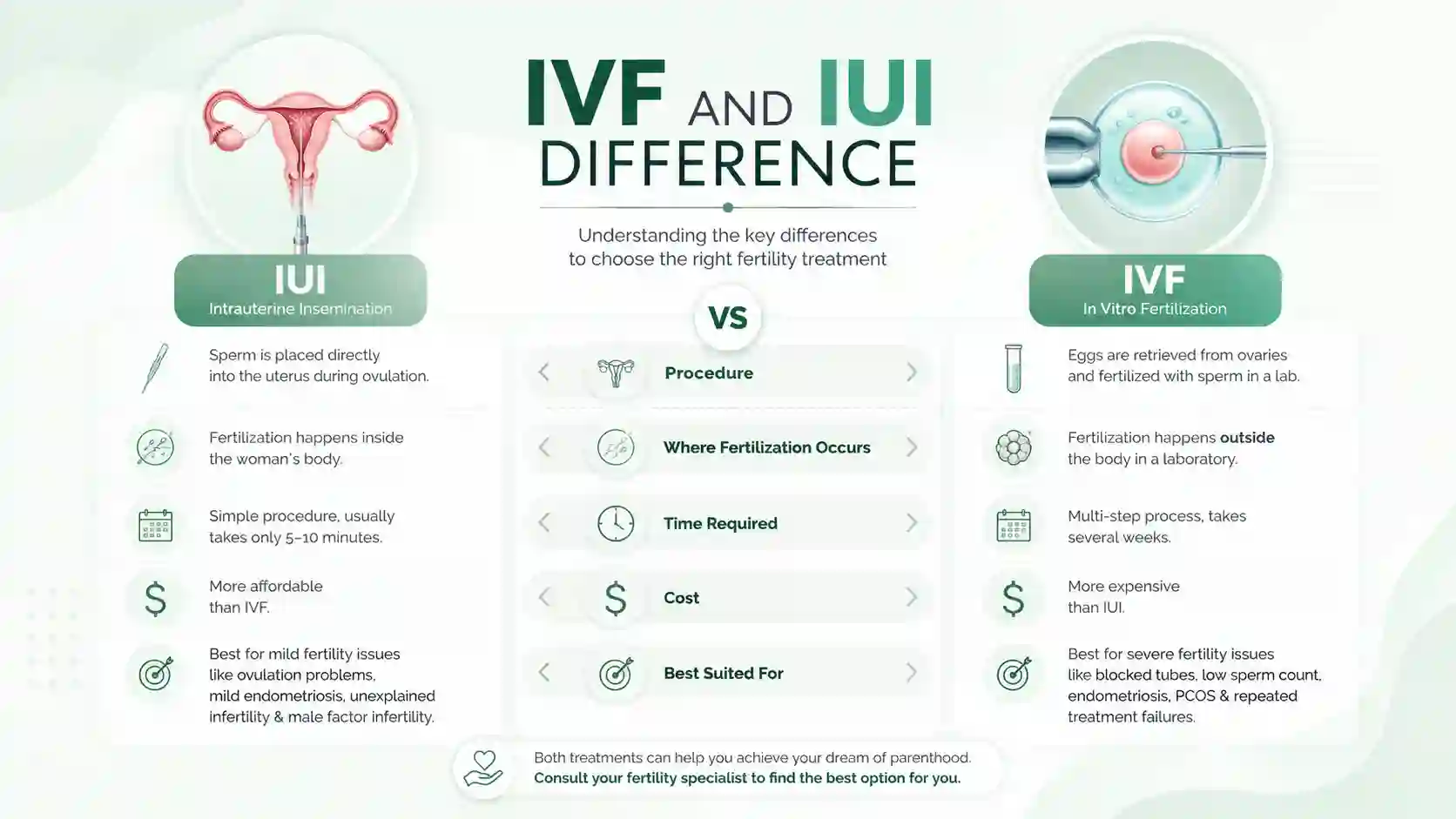
IVF, or In Vitro Fertilization, is a fertility treatment where eggs are collected from the ovaries, fertilized with sperm in a laboratory, and then transferred into the uterus.
Success depends on many factors, including:
- Age
- Egg and sperm quality
- Embryo health
- Uterine condition
- Lifestyle habits
- Underlying fertility conditions
Although IVF technology has improved significantly, careful preparation before treatment remains extremely important.
Why Is How to Make IVF Successful the First Time Important?
IVF can be physically, emotionally, and financially demanding. Many patients hope to avoid multiple cycles if possible.
Improving first-cycle success matters because it may help reduce:
- Emotional stress
- Financial burden
- Repeated hormone treatments
- Treatment fatigue
- Anxiety and uncertainty
A successful first IVF cycle can also shorten the overall fertility journey and improve emotional well-being for couples trying to conceive.
How Does How to Make IVF Successful the First Time Work?
There is no single “secret” that guarantees IVF success. Instead, success usually comes from combining several healthy and medically guided steps together.
Step 1: Choose an Experienced Fertility Specialist
A qualified fertility doctor can identify underlying fertility issues early and create a personalized treatment plan.
Look for clinics that offer:
- Advanced embryo monitoring
- Experienced embryologists
- Transparent communication
- Individualized IVF protocols
Choosing the right fertility center can make a meaningful difference.
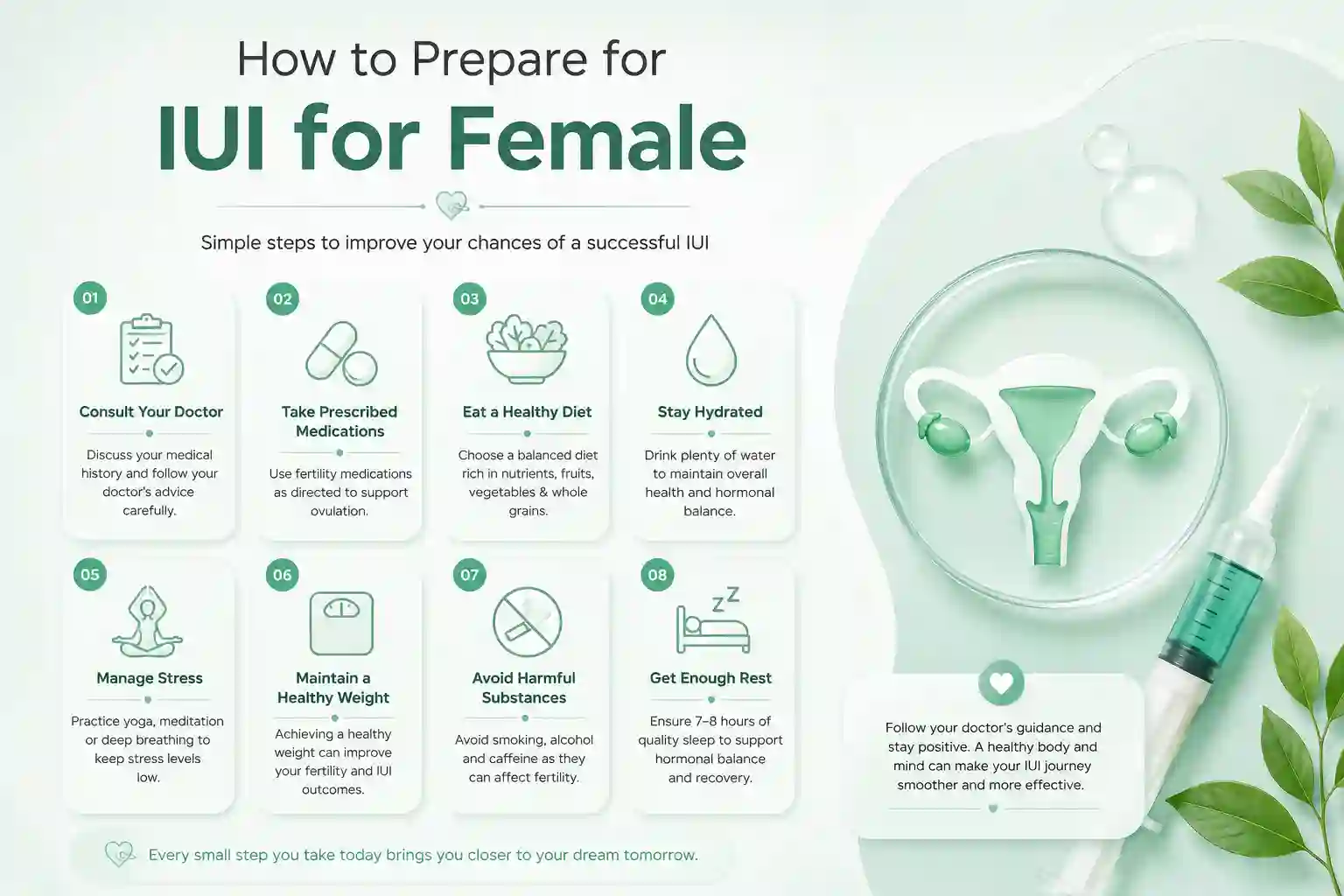
Step 2: Improve Overall Health Before IVF
General health strongly affects reproductive health.
Doctors often recommend:
- Maintaining a healthy weight
- Controlling diabetes or thyroid conditions
- Quitting smoking
- Reducing alcohol intake
- Getting enough sleep
- Exercising moderately
Even small lifestyle improvements before IVF may support better egg quality and implantation.
Step 3: Focus on Nutrition
A balanced fertility-friendly diet may support hormone balance and reproductive health.
Helpful foods often include:
- Leafy green vegetables
- Fruits rich in antioxidants
- Whole grains
- Lean proteins
- Healthy fats
- Nuts and seeds
Hydration also matters during IVF treatment.
Step 4: Take Fertility Supplements Carefully
Some patients are advised to take supplements such as:
- Folic acid
- Vitamin D
- CoQ10
- Omega-3 fatty acids
However, supplements should only be taken under medical supervision.
Step 5: Follow Medication Instructions Properly
IVF medications must be taken exactly as prescribed.
Missing injections or incorrect timing can affect:
- Egg development
- Ovulation timing
- Embryo transfer schedules
Setting reminders may help reduce mistakes during treatment.
Benefits of How to Make IVF Successful the First Time
Trying to optimize IVF success from the beginning may provide several benefits.
Emotional Benefits
- Reduced treatment stress
- Greater confidence during the process
- Less emotional exhaustion
Financial Benefits
IVF treatment can be expensive. A successful first attempt may reduce the need for repeated cycles and additional medications.
Physical Benefits
Fewer treatment cycles may lower exposure to repeated hormone stimulation and medical procedures.
Risks, Side Effects, or Limitations
Even with excellent preparation, IVF success is never guaranteed.
Some limitations include:
- Age-related fertility decline
- Poor egg reserve
- Genetic abnormalities
- Implantation failure
- Male fertility issues
IVF medications can also cause temporary side effects such as:
- Bloating
- Mood changes
- Fatigue
- Breast tenderness
- Mild abdominal discomfort
In rare cases, ovarian hyperstimulation syndrome (OHSS) may occur.
Cost, Timeline, or Success Rate
IVF success rates vary widely depending on age and fertility conditions.
Generally:
- Younger women often have higher success rates
- Embryo quality strongly affects outcomes
- Multiple IVF cycles may still be needed
A typical IVF cycle usually takes about 4 to 6 weeks from ovarian stimulation to embryo transfer.
Costs may include:
- Fertility testing
- Medications
- Egg retrieval
- Laboratory procedures
- Embryo freezing
- Genetic testing
Patients should discuss all possible costs with their fertility clinic beforehand.
Factors Affecting Results
Several important factors influence IVF success.
Age
Female age remains one of the strongest predictors of IVF outcomes. Egg quality naturally declines with age.
Egg and Sperm Quality
Healthy embryos depend on both egg and sperm quality.
Uterine Health
Conditions like fibroids, polyps, or endometriosis may affect implantation.
Lifestyle Habits
Smoking, poor sleep, obesity, excessive alcohol intake, and chronic stress may negatively impact fertility.
Embryo Quality
Advanced embryo grading and genetic testing may help identify stronger embryos for transfer.
Emotional & Patient Perspective
IVF is not only a medical process—it is also an emotional journey.
Many patients experience:
- Anxiety
- Hope
- Fear of failure
- Emotional ups and downs
Emotional support can make a major difference during treatment.
Helpful support options may include:
- Counseling
- Fertility support groups
- Partner communication
- Stress management techniques
- Mindfulness practices
Mental health care should be considered an important part of fertility treatment.
Tips, Recommendations, or Preparation Guide
If you are wondering how to make IVF successful the first time, these practical tips may help:
- Start preconception care early
- Follow your fertility specialist’s instructions carefully
- Avoid smoking and recreational drugs
- Limit caffeine intake if advised
- Maintain a healthy BMI
- Prioritize sleep and stress management
- Attend all appointments on time
- Ask questions if anything feels unclear
- Stay realistic but hopeful
Consistency and preparation are often more important than searching for quick fixes.
When to See a Fertility Specialist
You should consider consulting a fertility specialist if:
- You have been trying to conceive for over 12 months
- You are over age 35 and struggling to conceive
- You have irregular periods
- You have known fertility conditions
- You experienced recurrent miscarriages
- Male fertility concerns are present
Early evaluation may improve treatment planning and fertility outcomes.
Understanding how to make IVF successful the first time involves much more than simply starting treatment. Good preparation, healthy lifestyle habits, proper medical guidance, emotional support, and realistic expectations all play an important role.
While IVF success can never be fully guaranteed, taking proactive steps before and during treatment may improve your chances of a positive outcome. Every fertility journey is unique, and working closely with an experienced fertility specialist can help you make informed and confident decisions along the way.
FAQs About How to Make IVF Successful the First Time
What is the best way to make IVF successful the first time?
The best approach includes following medical advice carefully, improving lifestyle habits, maintaining a healthy weight, and choosing an experienced fertility clinic.
Does stress affect IVF success?
High stress may affect overall well-being during IVF treatment. Stress management techniques such as meditation, counseling, and proper sleep may help support emotional health.
Can diet improve IVF success rates?
A healthy and balanced diet may support hormone balance, egg quality, and overall reproductive health before IVF treatment.
How important is age in IVF success?
Age is one of the most important factors. Younger patients generally have higher IVF success rates because egg quality tends to be better.
Should I exercise during IVF treatment?
Light to moderate exercise is usually acceptable, but intense workouts may not be recommended during certain stages of IVF. Always follow your doctor’s advice.