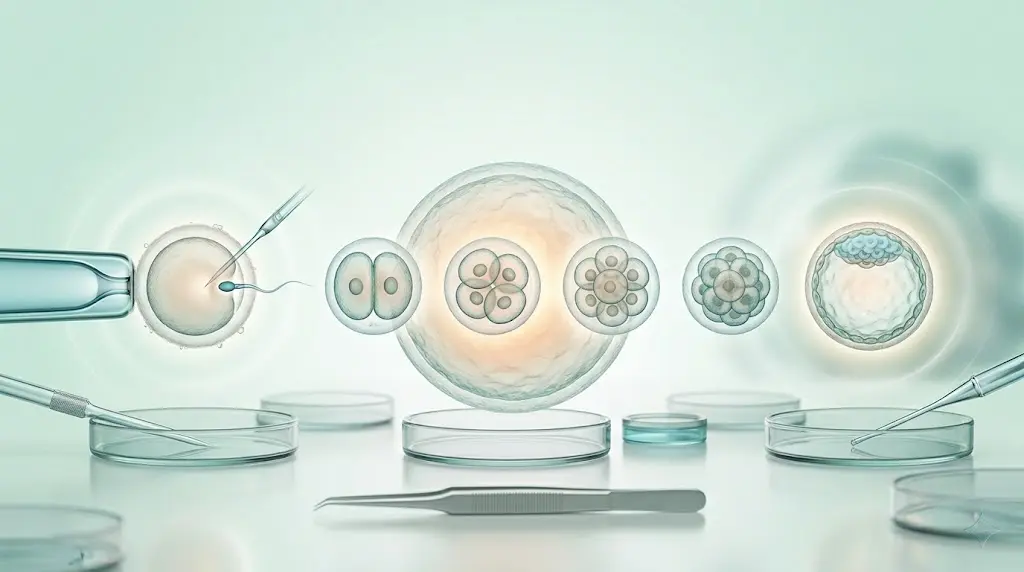
Many couples struggling with infertility eventually ask the same question: how is IVF done, and what actually happens during treatment?
In vitro fertilization, commonly called IVF, is one of the most widely used fertility treatments worldwide. It helps people conceive when natural pregnancy becomes difficult due to conditions affecting eggs, sperm, ovulation, fallopian tubes, or unexplained infertility.
Although IVF may sound complicated at first, the process follows a structured series of medical steps designed to improve the chances of pregnancy. Understanding each stage can help patients feel more prepared emotionally, physically, and financially before beginning treatment.
What Is IVF?
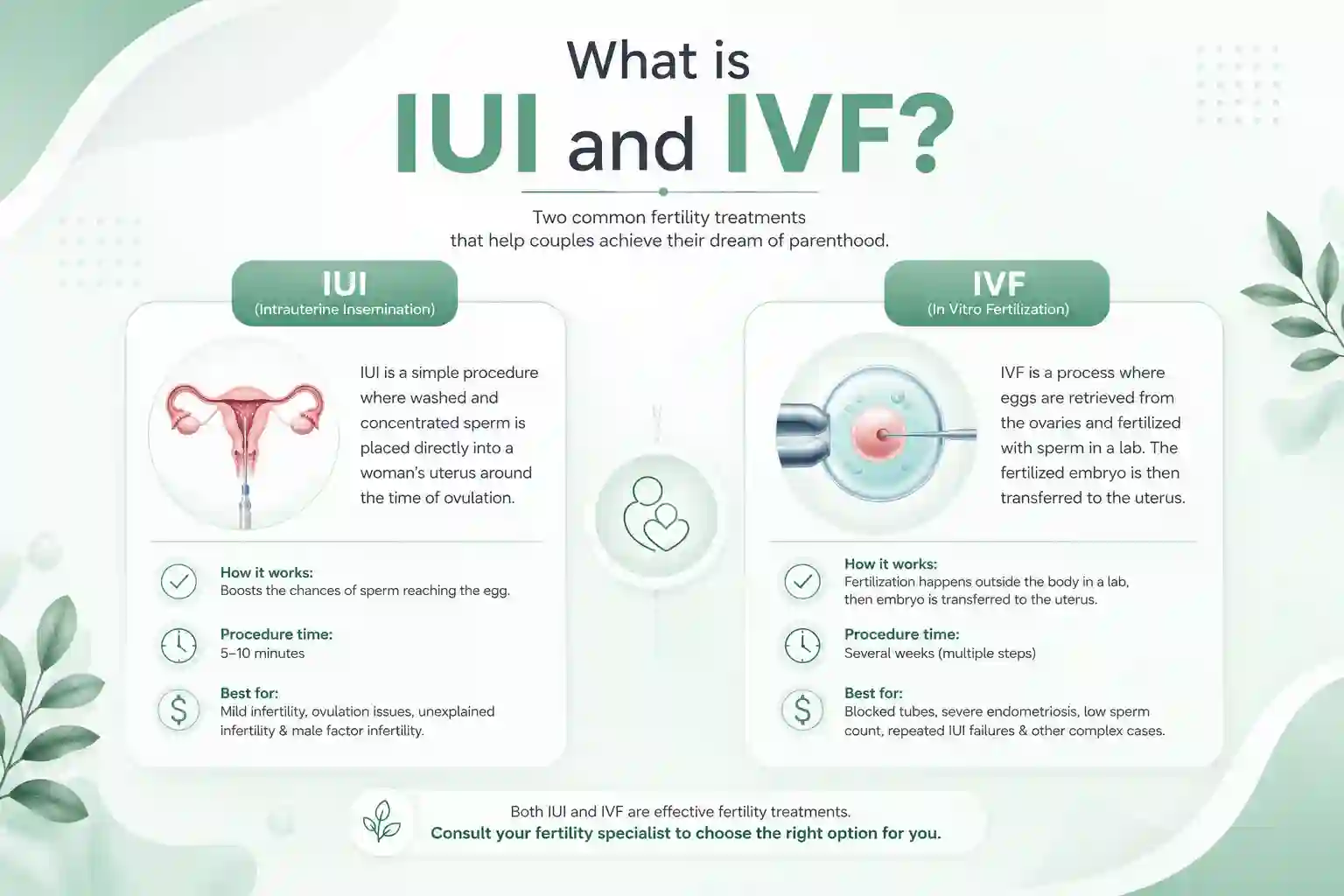
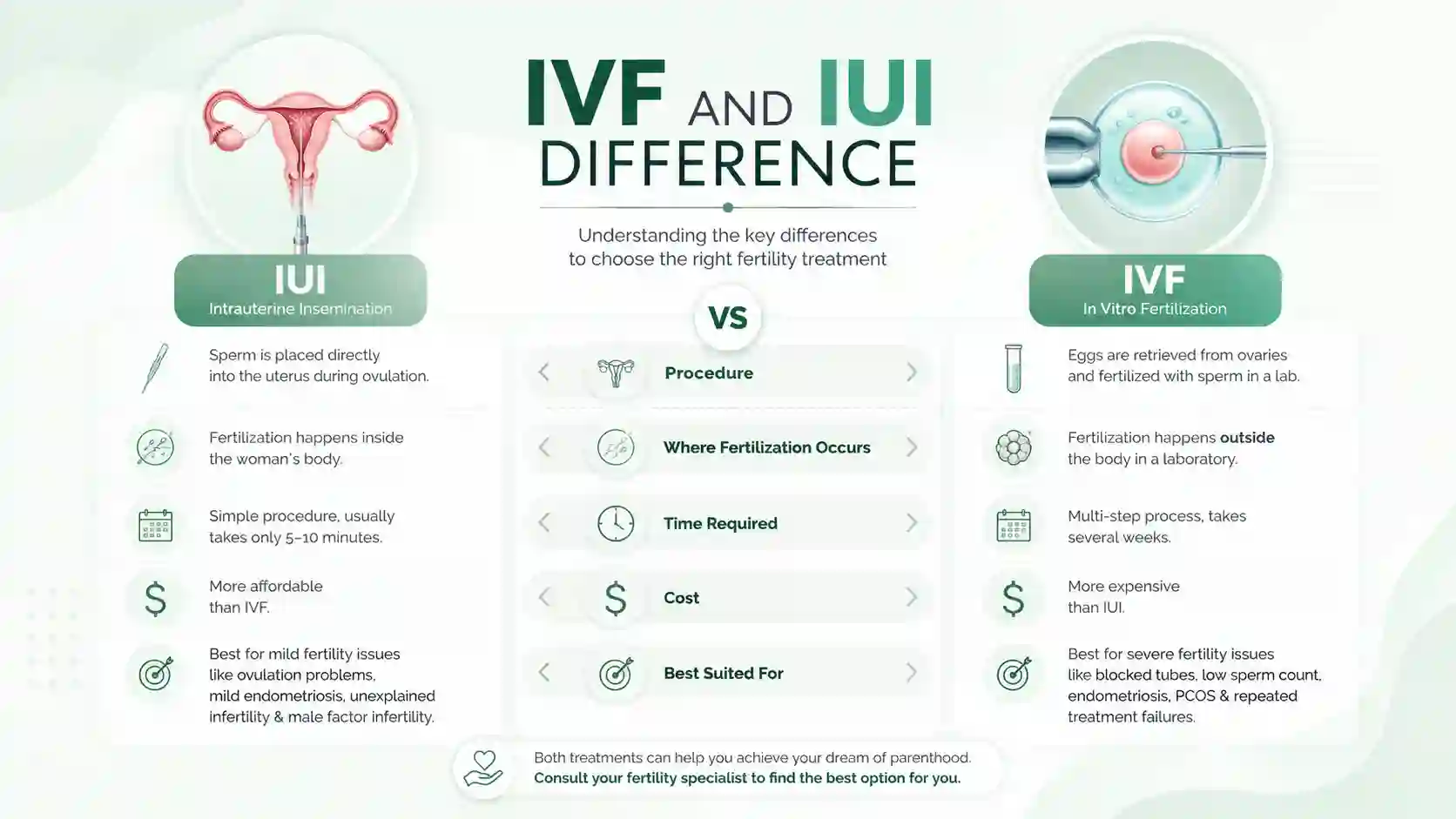
IVF stands for in vitro fertilization. It is a fertility treatment where eggs and sperm are combined outside the body in a laboratory. After fertilization occurs, the resulting embryo is transferred into the uterus.
The term “in vitro” means “in glass,” referring to fertilization taking place in a controlled laboratory environment instead of inside the body.
IVF may be recommended for:
- Blocked fallopian tubes
- Male infertility
- Ovulation disorders
- Endometriosis
- Unexplained infertility
- Advanced maternal age
- Genetic testing needs
Today, IVF has helped millions of people worldwide build families.
Why Is IVF Important?
IVF offers hope to individuals and couples facing fertility challenges that may not respond to simpler treatments.
It is important because IVF can:
- Bypass damaged fallopian tubes
- Improve chances of fertilization
- Help overcome male infertility issues
- Allow embryo genetic testing
- Preserve fertility through embryo freezing
- Support pregnancy using donor eggs or sperm when needed
For many patients, IVF becomes an important option after other fertility treatments fail.
How Is IVF Done Step by Step?
The IVF process usually takes several weeks and involves multiple carefully monitored stages.
1. Fertility Evaluation and Testing
Before treatment begins, fertility specialists perform tests to understand reproductive health.
These may include:
- Blood hormone testing
- Ultrasound scans
- Semen analysis
- Ovarian reserve testing
- Infectious disease screening
Doctors use this information to create a personalized IVF treatment plan.
2. Ovarian Stimulation
Normally, the ovaries release one egg per month. During IVF, fertility medications stimulate the ovaries to produce multiple eggs.
Patients usually take hormone injections for around 8 to 14 days.
The ovaries are monitored closely using:
- Ultrasound scans
- Blood hormone tests
Medication doses may be adjusted depending on ovarian response.
3. Trigger Injection
Once the follicles reach the right size, patients receive a trigger injection that helps mature the eggs before retrieval.
Timing is very important because egg retrieval must happen before ovulation occurs naturally.
4. Egg Retrieval Procedure
Egg retrieval is a minor medical procedure performed under sedation or anesthesia.
A doctor uses an ultrasound-guided needle to collect mature eggs from the ovaries through the vaginal wall.
The procedure usually takes about 20 to 30 minutes.
Most patients return home the same day.
5. Sperm Collection
On the same day as egg retrieval, a sperm sample is collected from the male partner or donor.
The laboratory prepares the healthiest sperm for fertilization.
6. Fertilization in the Laboratory
The collected eggs and sperm are combined in a laboratory.
Fertilization may occur through:
- Conventional IVF, where sperm naturally fertilizes the egg
- ICSI (Intracytoplasmic Sperm Injection), where a single sperm is injected directly into the egg
Doctors monitor embryo development over several days.
7. Embryo Development
Fertilized eggs become embryos and continue growing inside specialized laboratory incubators.
Embryologists evaluate embryo quality based on:
- Cell division
- Growth pattern
- Appearance
Some embryos may also undergo genetic testing before transfer.
8. Embryo Transfer
One or more healthy embryos are transferred into the uterus using a thin catheter.
The embryo transfer procedure is usually painless and does not require surgery.
This is one of the most emotional stages of IVF treatment because it creates the opportunity for implantation and pregnancy.
9. Pregnancy Testing
Around 10 to 14 days after embryo transfer, patients take a blood test to confirm pregnancy.
If successful, early pregnancy monitoring begins.
Types of IVF Procedures
Different IVF approaches may be recommended depending on medical needs.
Conventional IVF
Eggs and sperm are combined naturally in the laboratory.
ICSI IVF
A single sperm is injected directly into the egg. This is commonly used for male infertility.
Frozen Embryo Transfer (FET)
Previously frozen embryos are thawed and transferred during a later cycle.
Donor Egg IVF
Eggs from a donor are used when ovarian reserve or egg quality is severely reduced.
Genetic Testing IVF
Embryos may be tested for chromosomal or inherited genetic conditions before transfer.
Benefits of IVF
IVF offers several important fertility advantages.
Improved Pregnancy Opportunities
IVF can help patients who cannot conceive naturally.
Fertility Preservation
Embryos or eggs may be frozen for future family planning.
Better Fertilization Control
Doctors closely monitor embryo development throughout treatment.
Genetic Screening Options
Some inherited conditions may be identified before embryo transfer.
Flexible Family Building
IVF can support single parents, same-sex couples, and people using donor eggs or sperm.
Risks, Side Effects, or Limitations
Although IVF is generally safe, it does involve some risks and limitations.
Possible side effects include:
- Bloating
- Mild cramping
- Mood changes
- Injection discomfort
- Fatigue
Potential complications may include:
- Ovarian hyperstimulation syndrome (OHSS)
- Multiple pregnancy
- Failed implantation
- Miscarriage
- Ectopic pregnancy
IVF also does not guarantee pregnancy, and some patients may require multiple treatment cycles.
IVF Success Rates
IVF success rates depend on several important factors.
These include:
- Age
- Egg quality
- Sperm quality
- Embryo health
- Uterine condition
- Lifestyle habits
Younger patients generally have higher IVF success rates because egg quality tends to decline with age.
Frozen embryo transfer outcomes may also vary based on individual fertility factors.
Emotional & Patient Perspective
IVF treatment can be emotionally demanding.
Patients often experience:
- Anxiety before procedures
- Stress during the waiting period
- Fear of unsuccessful cycles
- Emotional exhaustion from repeated treatments
The combination of hormones, appointments, finances, and uncertainty can affect mental health during the fertility journey.
Support from counselors, partners, family members, or IVF support groups may help patients manage emotional stress.
Tips Before Starting IVF
Preparing for IVF may help patients feel more confident and organized.
Choose an Experienced Fertility Clinic
A qualified fertility specialist can explain realistic expectations and treatment options.
Follow Medication Instructions Carefully
Missing injections or medications may affect IVF outcomes.
Maintain Healthy Habits
Balanced nutrition, sleep, hydration, and stress management may support reproductive health.
Ask Questions
Understanding the process can reduce fear and confusion during treatment.
Prepare Emotionally
IVF may require patience, flexibility, and emotional support.
When to See a Fertility Specialist
Consider fertility evaluation if:
- You are under 35 and trying to conceive for over 12 months
- You are over 35 and trying for over 6 months
- You have irregular periods
- You have recurrent pregnancy loss
- You have known fertility conditions
- Male infertility is suspected
Early medical guidance may improve fertility planning and treatment options.
Understanding how IVF is done can make fertility treatment feel less intimidating and more manageable. IVF involves several carefully planned steps including ovarian stimulation, egg retrieval, laboratory fertilization, embryo development, and embryo transfer.
Although IVF can be physically, emotionally, and financially challenging, it has helped many individuals and couples achieve pregnancy when natural conception was difficult. Every fertility journey is different, and treatment success depends on multiple medical and personal factors.
Working closely with an experienced fertility specialist can help patients make informed decisions and navigate IVF treatment with greater confidence.
FAQs About How IVF Is Done
How long does the IVF process take?
A full IVF cycle usually takes around 4 to 6 weeks from ovarian stimulation to pregnancy testing.
Is IVF painful?
Some parts of IVF may cause mild discomfort, especially injections and egg retrieval, but most patients tolerate treatment well.
How many injections are needed for IVF?
The number varies by treatment plan, but many patients take daily hormone injections for 8 to 14 days.
Can IVF guarantee pregnancy?
No. IVF improves pregnancy chances but cannot guarantee success because many biological factors affect implantation and embryo development.
How many embryos are transferred during IVF?
Many clinics now recommend single embryo transfer to reduce the risk of multiple pregnancy.