
Starting IVF treatment can feel overwhelming, especially when daily medications and hormone injections become part of the process. One of the most common concerns patients have is about IVF injections — what they do, why they are needed, and whether they are painful or safe.
IVF injections play a major role in fertility treatment because they help stimulate the ovaries, support egg development, and prepare the body for embryo transfer. Understanding how these medications work can make the IVF journey feel less stressful and more manageable.
This guide explains IVF injections in a simple, medically accurate, and beginner-friendly way.
What Is IVF Injections?
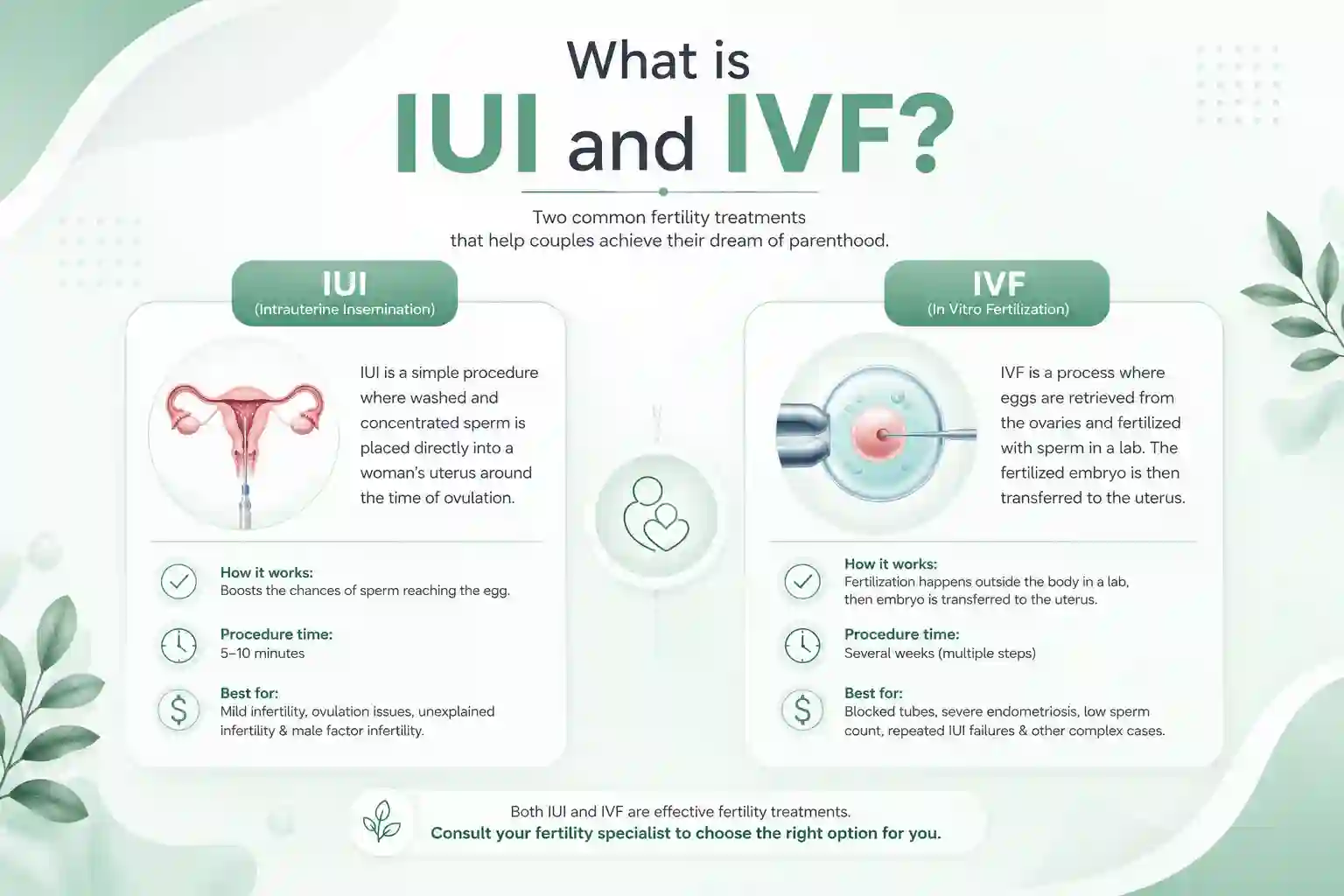
IVF injections are hormone medications used during In Vitro Fertilization (IVF) treatment to support different stages of the fertility process.
These injections are designed to:
- Stimulate the ovaries to produce multiple eggs
- Prevent premature ovulation
- Trigger final egg maturation
- Prepare the uterus for implantation
- Support early pregnancy hormones
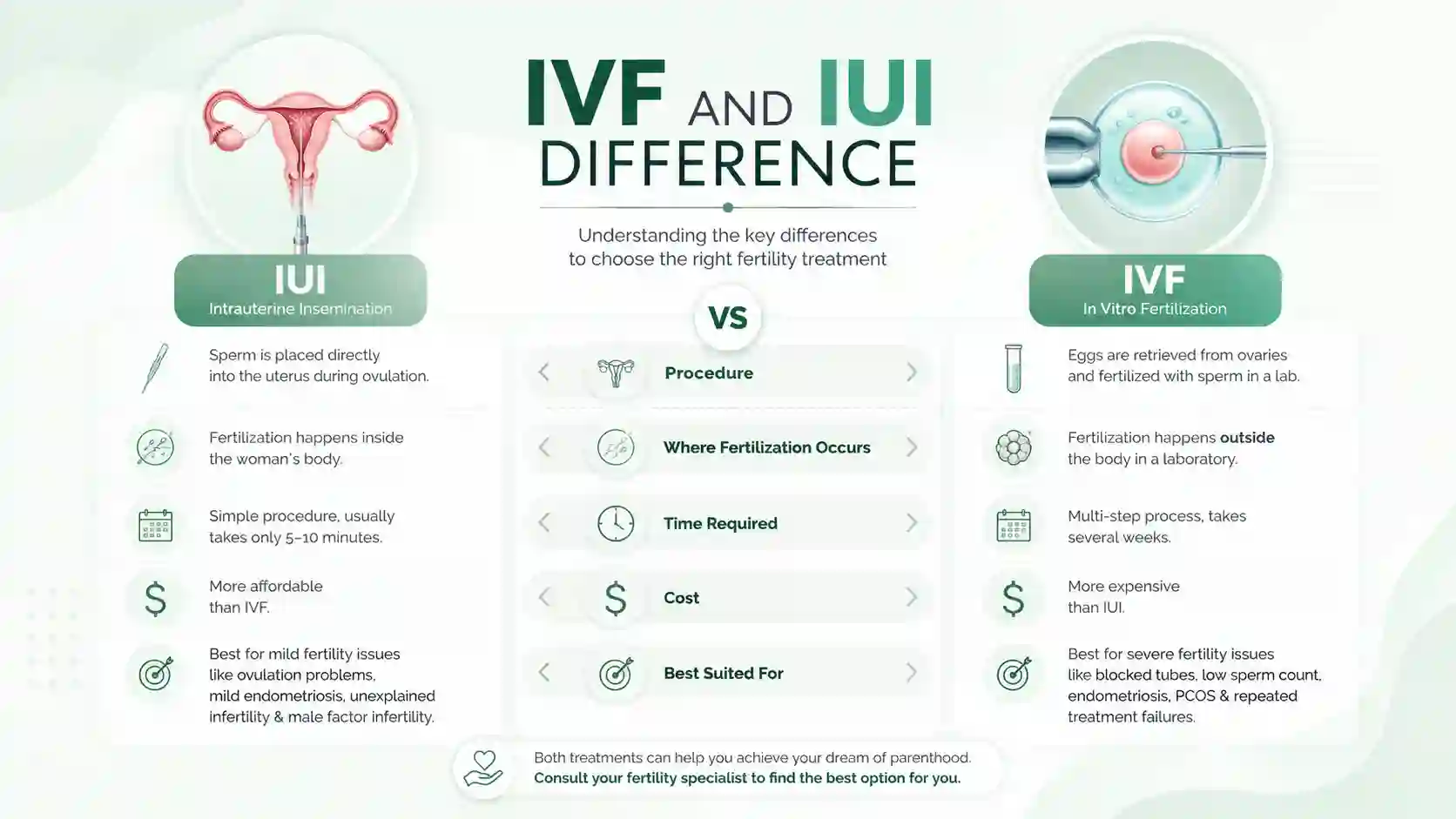
Unlike natural conception, IVF usually requires controlled hormonal support to improve the chances of fertilization and embryo development.
Most IVF injections are given under the skin using small needles, while some may be intramuscular depending on the treatment plan.
Why Is IVF Injections Important?
In a natural menstrual cycle, the body usually releases one mature egg. IVF treatment aims to collect multiple mature eggs because it increases the chances of creating healthy embryos.
IVF injections are important because they help fertility specialists:
- Monitor ovarian response
- Control ovulation timing
- Improve egg retrieval outcomes
- Synchronize embryo transfer
- Support implantation
Without proper hormone stimulation, IVF treatment may not produce enough mature eggs for fertilization.
How Does IVF Injections Work?
IVF injections are used in different phases of the IVF cycle. Each medication has a specific role.
Step 1: Ovarian Stimulation Injections
These are usually the first IVF injections prescribed.
Their goal is to stimulate the ovaries to produce multiple follicles containing eggs.
Common stimulation medications may include:
- Follicle Stimulating Hormone (FSH)
- Human Menopausal Gonadotropin (hMG)
Patients often take these injections daily for about 8–14 days.
Step 2: Ovulation Suppression Injections
During IVF, doctors must prevent early ovulation before egg retrieval.
These IVF injections help stop the body from releasing eggs too soon.
They are commonly called:
- GnRH antagonists
- GnRH agonists
Monitoring through ultrasound and blood tests helps determine the right timing.
Step 3: Trigger Injection
The trigger shot helps mature the eggs before retrieval.
This injection is extremely time-sensitive because egg retrieval is scheduled shortly afterward.
The timing of the trigger shot is one of the most critical parts of IVF treatment.
Step 4: Progesterone Support Injections
After embryo transfer, progesterone medications may help support the uterine lining and early pregnancy.
Progesterone may be given through:
- Injections
- Vaginal suppositories
- Gel medications
Some patients continue progesterone support during early pregnancy if IVF is successful.
Benefits of IVF Injections
IVF injections are essential because they improve control over the fertility process.
Increased Egg Production
Producing multiple eggs may increase the number of embryos available for fertilization.
Better IVF Planning
Doctors can carefully monitor hormone levels and follicle growth throughout treatment.
Improved Embryo Selection
More embryos may allow fertility specialists to select stronger embryos for transfer.
Higher Pregnancy Possibilities
Controlled ovarian stimulation may improve the chances of successful fertilization and implantation.
Risks, Side Effects, or Limitations
Like all medical treatments, IVF injections may cause side effects.
Most side effects are mild and temporary.
Common Side Effects of IVF Injections
Patients may experience:
- Bloating
- Mild abdominal discomfort
- Breast tenderness
- Mood swings
- Headaches
- Injection site redness
- Fatigue
These symptoms are usually related to hormone changes during treatment.
Ovarian Hyperstimulation Syndrome (OHSS)
In some cases, the ovaries may over-respond to stimulation medications.
Symptoms of OHSS may include:
- Severe bloating
- Rapid weight gain
- Shortness of breath
- Nausea
- Pelvic pain
Severe OHSS is uncommon but requires medical attention.
Emotional Challenges
Daily injections and repeated monitoring appointments can sometimes feel emotionally exhausting.
Emotional support from partners, family, or fertility counselors may help reduce stress during treatment.
Cost, Timeline, or Success Rate
IVF injections can make up a significant portion of overall IVF treatment costs.
Costs vary depending on:
- Medication type
- Dosage required
- Treatment protocol
- Fertility clinic
- Country or region
Some patients require higher medication doses based on age or ovarian reserve.
IVF Injection Timeline
Typical injection schedules may include:
| IVF Phase | Approximate Duration |
| Ovarian stimulation | 8–14 days |
| Ovulation suppression | Several days |
| Trigger injection | Single timed dose |
| Progesterone support | Days to weeks |
The complete IVF cycle often lasts around 4–6 weeks.
Factors Affecting Results
Several factors influence how well IVF injections work.
Age
Younger patients often respond better to ovarian stimulation.
Ovarian Reserve
Patients with lower egg reserves may require different medication protocols.
Hormonal Health
Conditions such as PCOS, thyroid disorders, or endometriosis can affect ovarian response.
Lifestyle Factors
Smoking, poor sleep, obesity, and chronic stress may negatively impact fertility treatment outcomes.
Medication Adherence
Taking IVF injections exactly as prescribed is extremely important for treatment timing and effectiveness.
Emotional & Patient Perspective
Many patients feel nervous before starting IVF injections, especially if they are uncomfortable with needles.
Common concerns include:
- Fear of pain
- Anxiety about mistakes
- Emotional stress
- Hormonal mood changes
Fortunately, most IVF needles are very small, and many patients become more comfortable after a few days.
Helpful strategies include:
- Setting daily medication reminders
- Preparing injections calmly
- Asking nurses for demonstrations
- Having partner support during injections
- Keeping a treatment calendar
Feeling emotionally overwhelmed during IVF is common and understandable.
Tips, Recommendations, or Preparation Guide
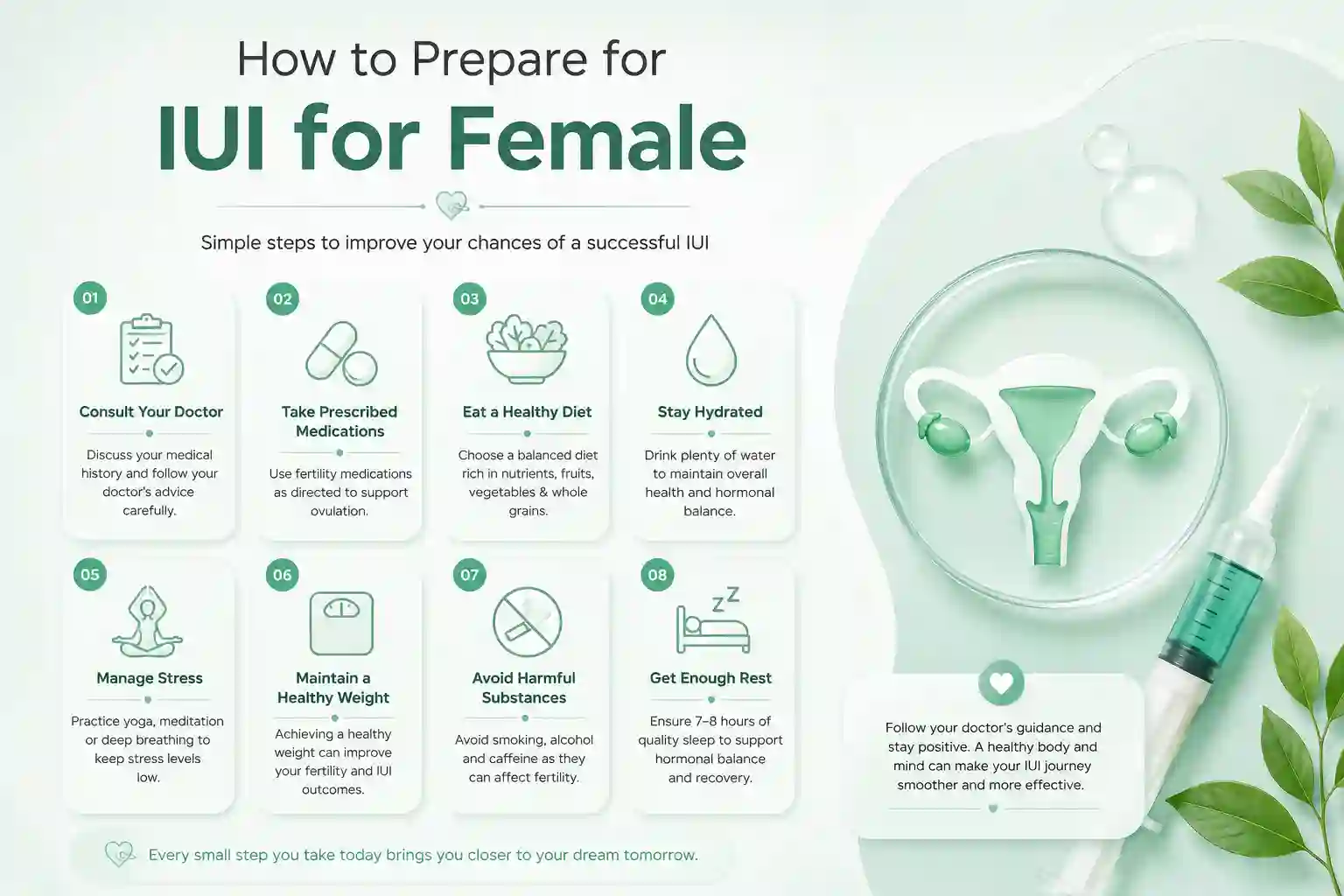
If you are preparing for IVF injections, these practical tips may help:
- Store medications properly
- Follow injection timing carefully
- Rotate injection sites
- Use ice packs if recommended
- Wear comfortable clothing
- Keep emergency clinic numbers available
- Attend all monitoring appointments
- Avoid self-adjusting medication doses
Always contact your fertility specialist if you experience severe symptoms or have concerns about side effects.
When to See a Fertility Specialist
You should speak with a fertility specialist if:
- You are considering IVF treatment
- You have been trying to conceive without success
- You have irregular menstrual cycles
- You have low ovarian reserve
- Male fertility issues are present
- You experienced recurrent pregnancy loss
Early fertility evaluation may improve treatment planning and reproductive outcomes.
IVF injections are one of the most important parts of fertility treatment. They help stimulate egg production, control ovulation, and prepare the body for embryo transfer. While the process can feel intimidating at first, many patients adapt quickly with proper guidance and support.
Understanding IVF injections, their purpose, possible side effects, and treatment timeline can help reduce anxiety and make the fertility journey feel more manageable. Working closely with an experienced fertility specialist is the best way to ensure safe and personalized care throughout IVF treatment.
FAQs About IVF Injections
Are IVF injections painful?
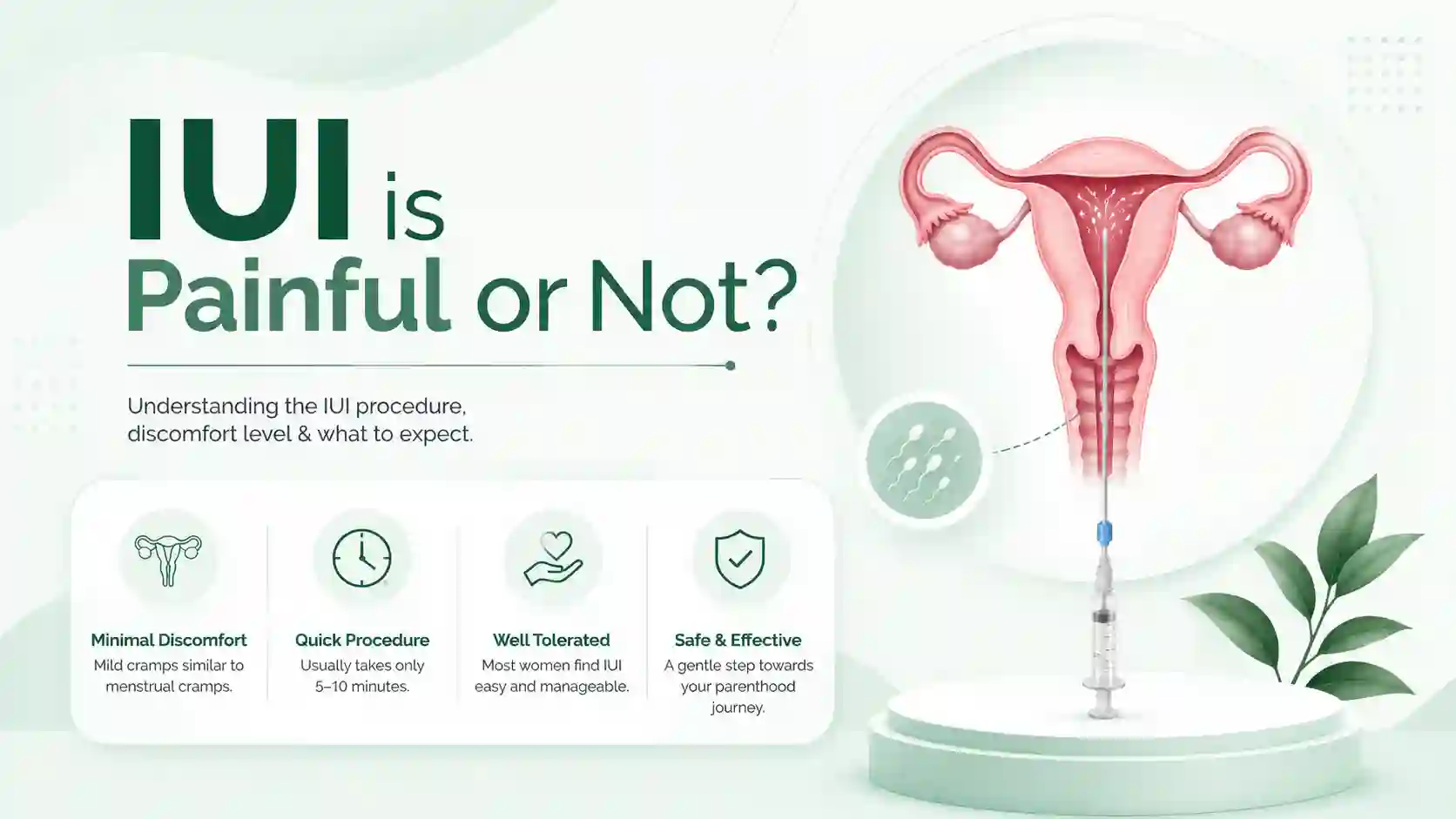
Most IVF injections cause only mild discomfort because the needles are usually very small. Some patients may experience temporary soreness or bruising.
How long do IVF injections last?
Ovarian stimulation injections are commonly taken for 8–14 days, depending on individual response and treatment protocol.
Can IVF injections cause weight gain?
Some patients notice temporary bloating or fluid retention during IVF treatment, but significant long-term weight gain is uncommon.
What happens if I miss an IVF injection?
Missing an IVF injection can affect treatment timing and egg development. Contact your fertility clinic immediately if you miss a dose.
Are IVF injections safe?
IVF injections are generally considered safe when prescribed and monitored by qualified fertility specialists.