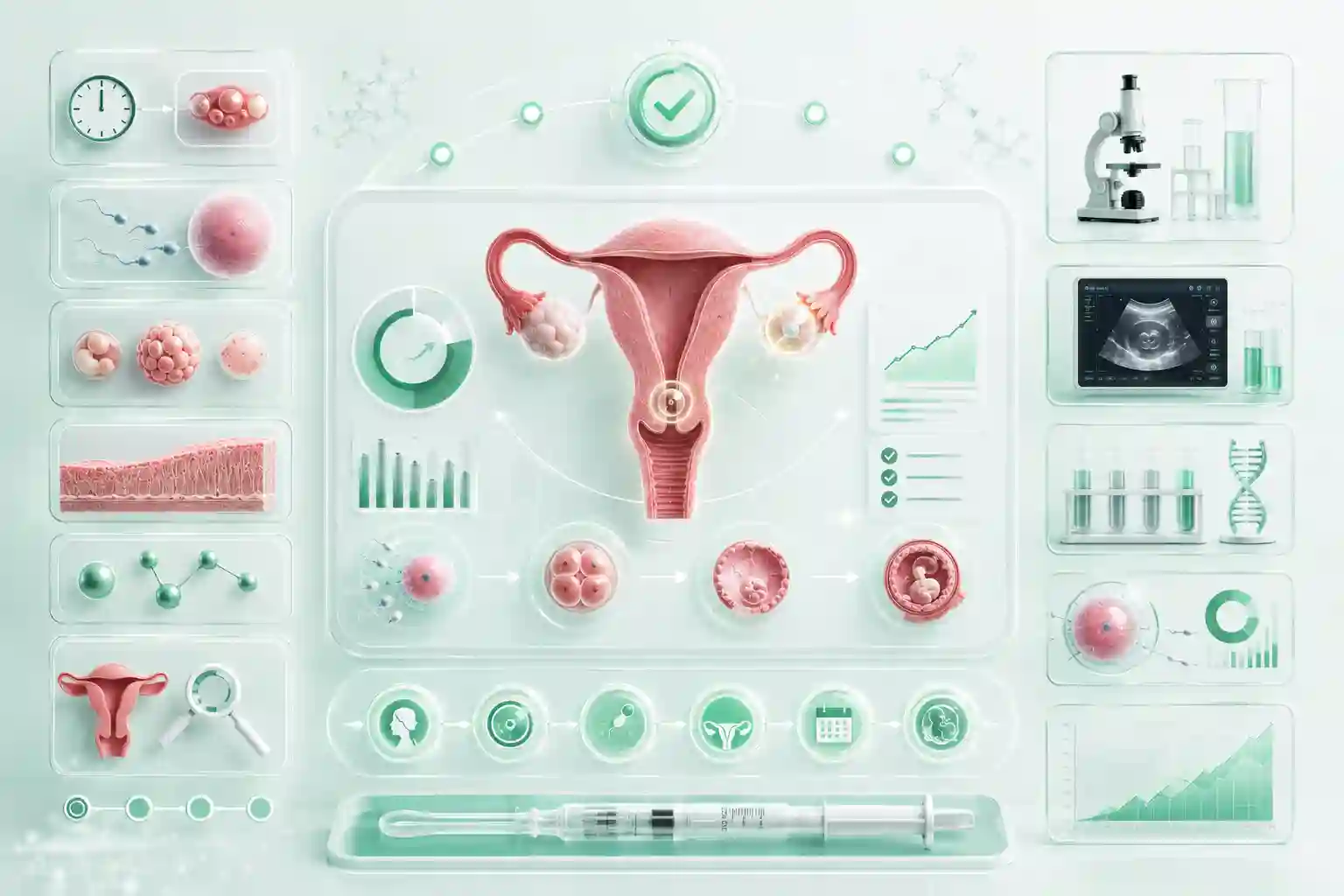
Stepping into a fertility clinic for the first time brings a wave of mixed emotions—hope, anxiety, and an overwhelming desire for clear answers. When your reproductive endocrinologist suggests intrauterine insemination as a starting point, it is completely natural to want statistical reassurance before investing your time, money, and heart into the process. In fact, when deciding on a treatment plan, the most common question patients ask their doctor is simply: is IUI successful?
The answer is not a simple yes or no. Success in the world of fertility is highly individualized, heavily dependent on your unique medical diagnosis, and influenced by a variety of biological factors. While it may not have the towering success percentages of more advanced treatments like IVF, intrauterine insemination remains an incredibly valuable, effective, and widely used tool for aspiring parents.
This comprehensive guide breaks down the true success rates of this procedure, explaining who it works best for and how to maximize your chances of bringing home a healthy baby.
What Does “Is IUI Successful” Actually Mean?
In the medical community, the definition of success can vary depending on what metric you are looking at. A clinical pregnancy simply means a heartbeat was detected on an early ultrasound. However, for patients, the only metric that truly matters is the “live birth rate”—meaning the treatment resulted in a healthy baby being born.
When you are reviewing clinic statistics or asking your doctor about your odds, always ensure you are looking at the live birth rate rather than just the positive pregnancy test rate. True success means an embryo implanted safely, developed normally, and resulted in a successful delivery.
Why Is IUI Successful for Some Patients?
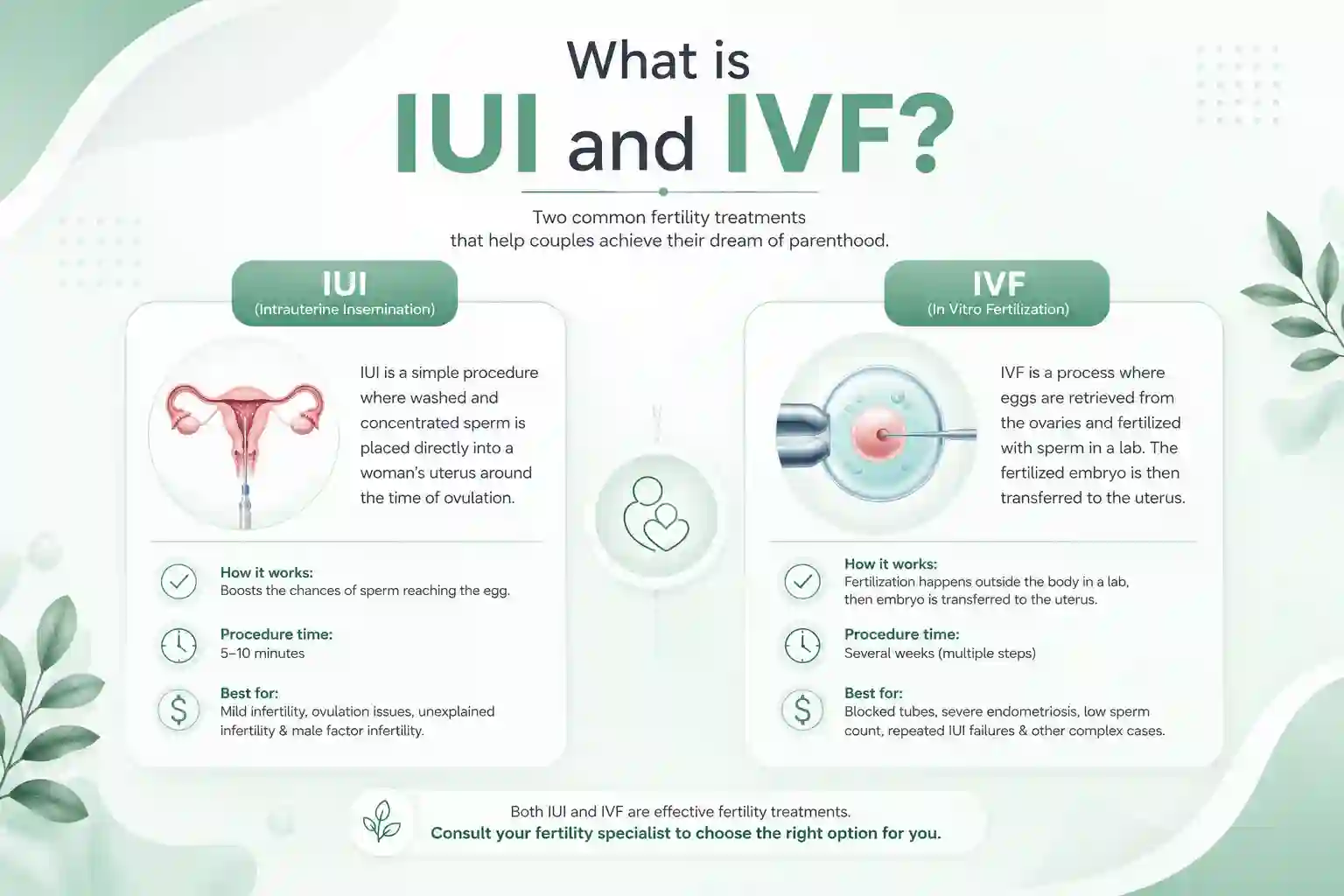
To understand why this treatment works, you have to look at the barriers it removes. In natural conception, sperm must swim from the vagina, survive the acidic environment of the cervix, navigate the cervical mucus, and travel all the way up the fallopian tubes to meet the egg. This is a massive journey, and many sperm simply do not make it.
Intrauterine insemination gives sperm a massive head start. By washing the semen sample in a laboratory to isolate the strongest, most highly motile sperm, and then using a catheter to place them directly into the uterus, the procedure bypasses the cervix entirely. This drastically reduces the distance the sperm have to travel, placing thousands of strong swimmers right at the entrance of the fallopian tubes exactly when an egg is released.
How Does the Procedure Work?
The process is remarkably straightforward, which is one of the reasons it is such an appealing first-line treatment. A standard cycle involves three main phases:
- Monitoring and Medication You will likely take oral fertility medications (such as Clomid or Letrozole) for five days early in your menstrual cycle to stimulate the ovaries. Your doctor will monitor your follicle growth using transvaginal ultrasounds and blood work.
- The Trigger Shot Once your ultrasound shows mature follicles, you administer an injection of synthetic hCG at home. This medication tells your ovaries to release the mature egg, allowing the clinic to time the insemination perfectly.
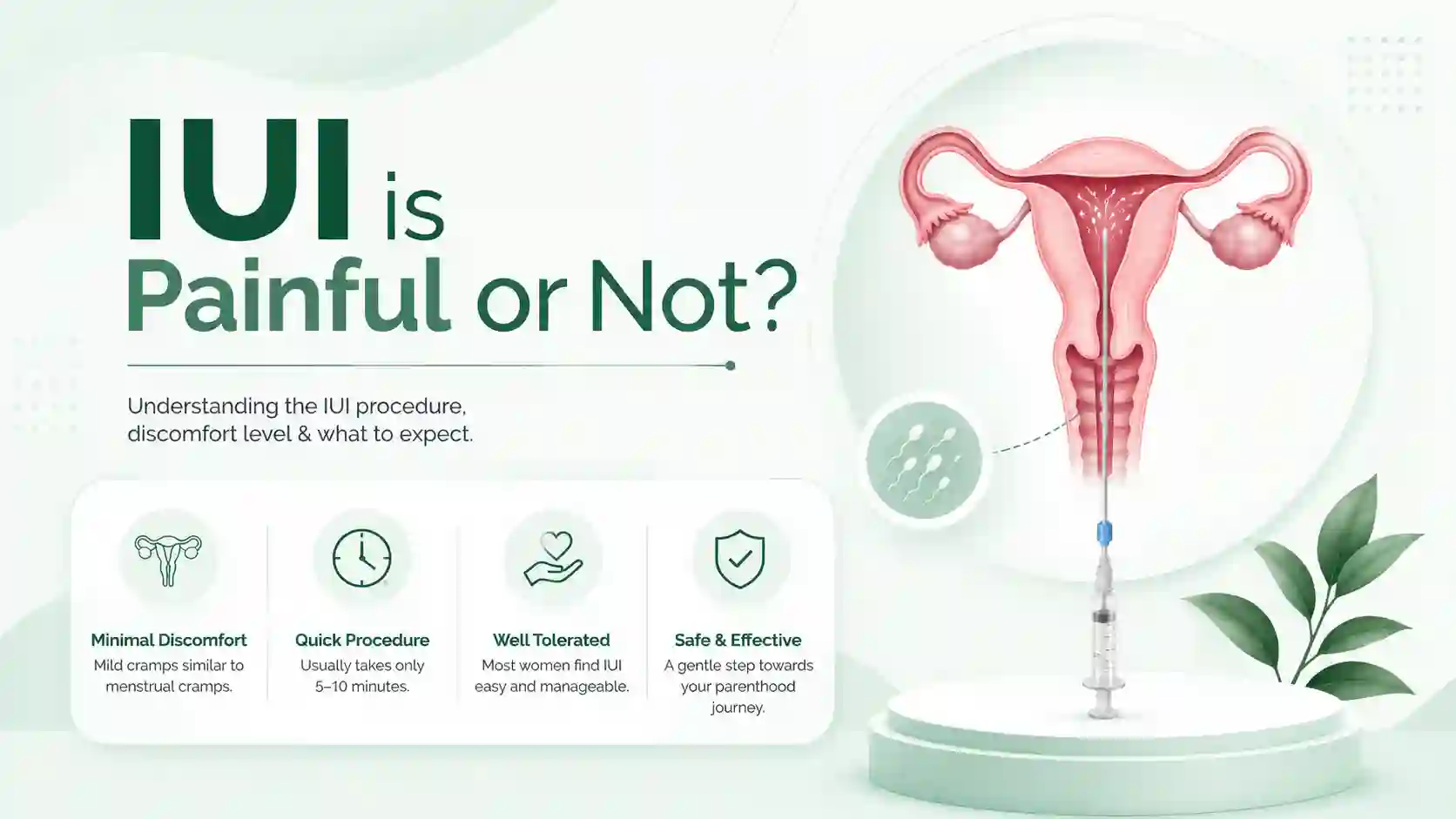
- The Insemination Exactly 36 hours after your trigger shot, you will visit the clinic. The doctor will insert a small, flexible catheter through your cervix and inject the washed sperm directly into your uterine cavity. The procedure takes less than five minutes and requires no anesthesia.
The Benefits of Intrauterine Insemination
For many couples, this procedure offers a comfortable middle ground between timed intercourse at home and highly invasive medical procedures. The primary benefits include:
- Less Invasive: There is no surgery, no anesthesia, and the daily medication load is incredibly light compared to in vitro fertilization.
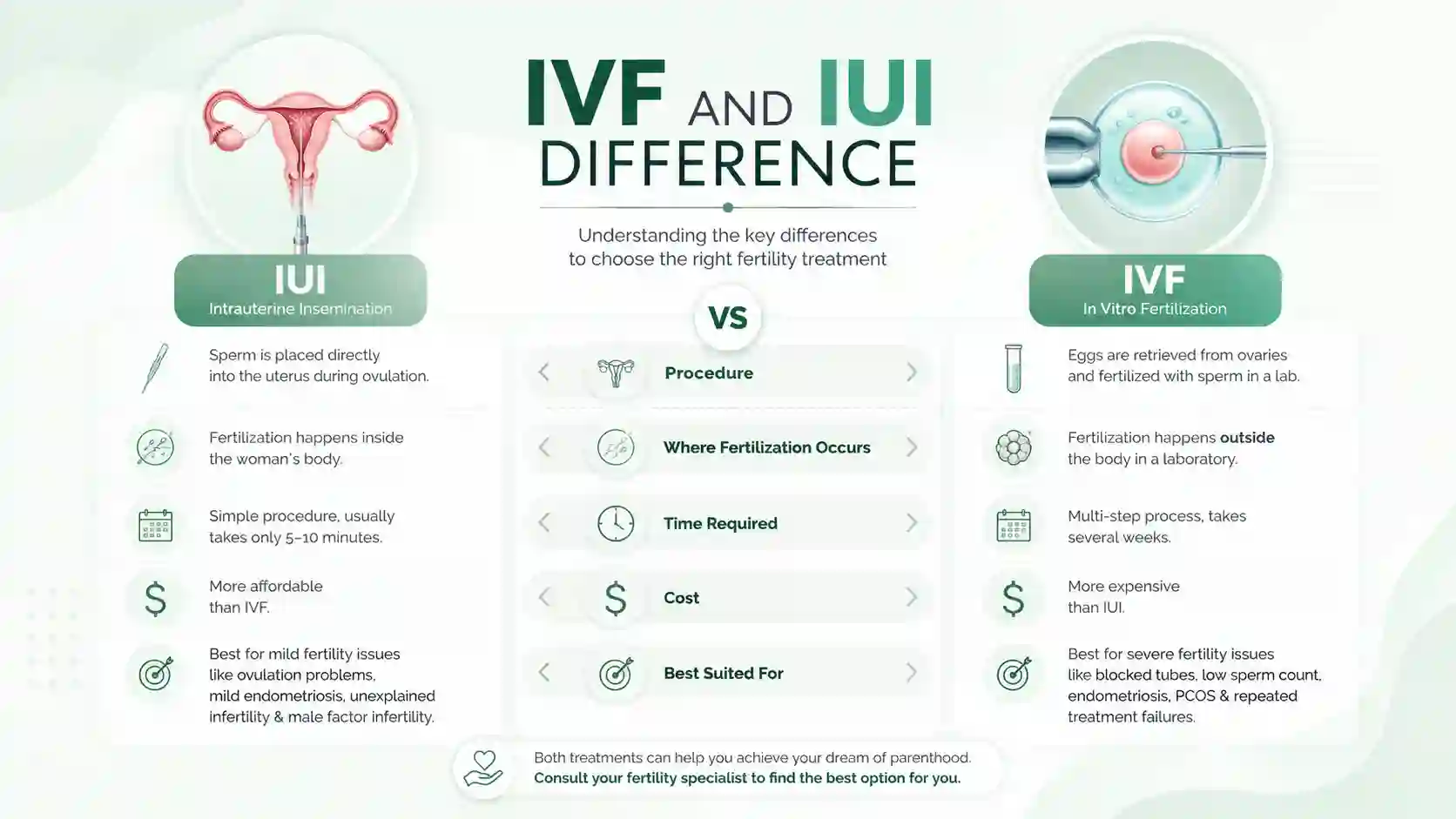
- Cost-Effective: It is significantly cheaper than advanced reproductive technologies, making it an accessible entry point for couples paying out of pocket.
- Natural Fertilization: Fertilization still occurs naturally inside the body, which is a comforting factor for many patients.
Risks, Side Effects, or Limitations
While generally considered a low-risk procedure, the main medical risk comes from the ovulation-stimulating medications. If your body produces too many mature follicles, there is a higher risk of a multiple pregnancy (twins, triplets, or more). A multiple pregnancy carries significantly higher risks for both the mother and the babies, including premature birth.
Additionally, this treatment is highly limited by certain diagnoses. If a patient has bilaterally blocked fallopian tubes, the procedure will fail, because the egg and sperm will never be able to meet. It is also ineffective for severe male factor infertility where the post-wash sperm count is exceptionally low.
So, Is IUI Successful Overall? Cost, Timeline, and Rates
When looking at the broad data, the success rates are modest but meaningful. For women under the age of 35, the success rate is generally between 10% and 20% per cycle.
Because it is a “numbers game,” reproductive endocrinologists look at cumulative success. The odds of success increase with each attempt, maxing out around the third or fourth cycle. By the third attempt, the cumulative success rate for a woman under 35 can reach up to 40% to 50%. After three or four failed cycles, the statistical likelihood of a future cycle working drops dramatically, and doctors usually recommend moving on.
Financially, a single cycle ranges from $300 to $1,000, making it possible for patients to attempt multiple cycles for a fraction of the cost of one IVF cycle.
Factors Affecting Your Results
If you are wondering how these statistics apply to you personally, you have to factor in your specific medical profile. Several variables dictate your individual odds:
- Maternal Age: This is the heaviest determining factor. Success rates drop to around 10% for women ages 35 to 39, and fall to 5% or less for women over 40 due to declining egg quality.
- Sperm Quality: The total motile sperm count (TMSC) after washing is critical. Clinics generally want to see at least 5 to 10 million moving sperm for a good chance of conception.
- Underlying Diagnosis: Patients with unexplained infertility, mild endometriosis, or cervical factor infertility tend to see the best results with this procedure.
The Emotional and Patient Perspective
The hardest part of this treatment is managing your expectations. Because the procedure is heavily monitored and meticulously timed by a doctor, it is easy to assume it is a guaranteed fix. When a cycle fails, the disappointment is often profound.
Understanding that the success rate is 10% to 20% means acknowledging that there is an 80% to 90% chance a single cycle will not work. Guarding your heart, preparing for the possibility of multiple attempts, and finding a support system during the agonizing “two-week wait” are vital steps for preserving your mental health.
Tips and Preparation Guide
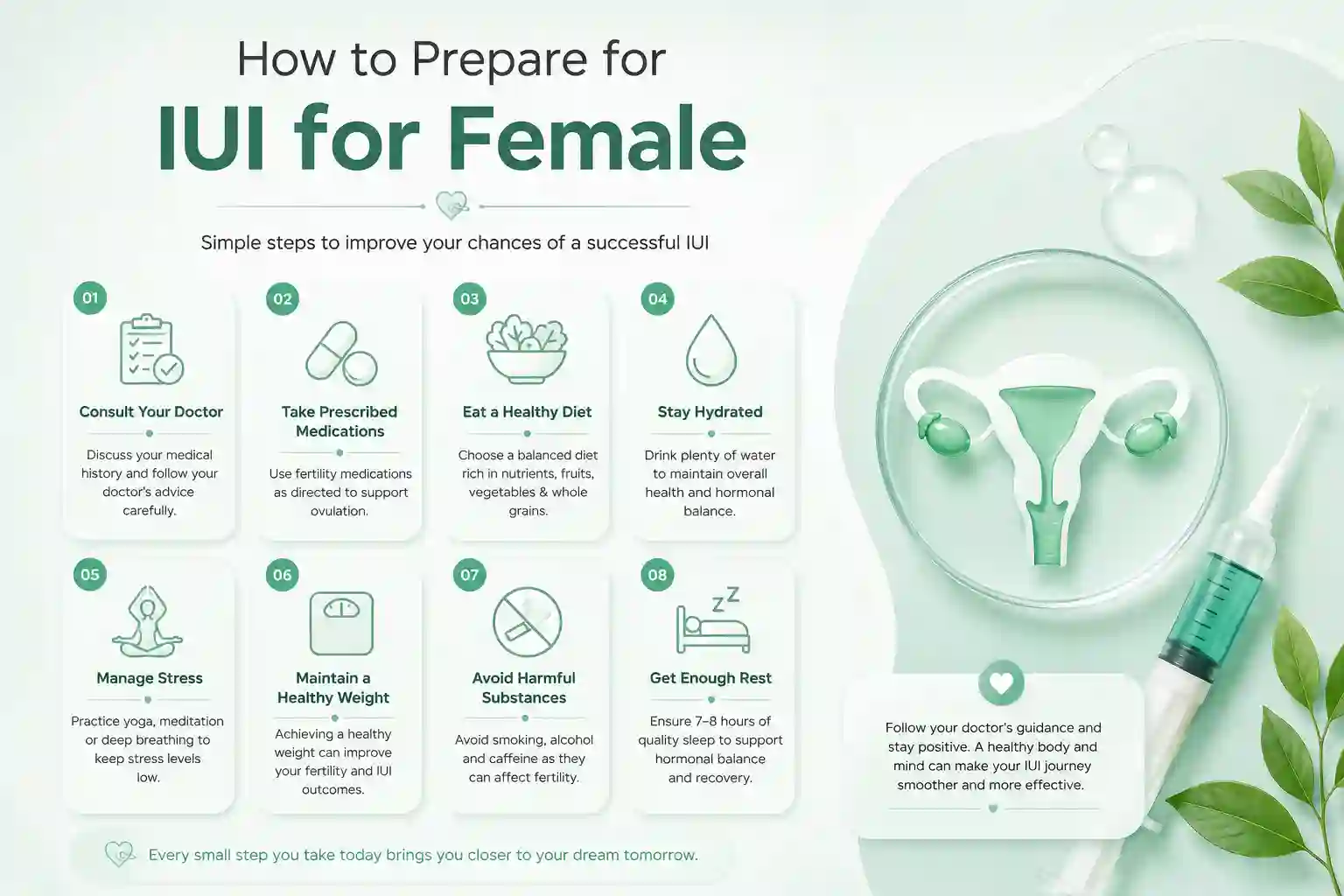
To optimize your body for a successful cycle, focus on cellular health in the months leading up to your procedure:
- Take CoQ10: Both partners can benefit from this antioxidant, which is heavily studied for its ability to improve egg and sperm quality.
- Limit Caffeine and Alcohol: Keep caffeine under 200mg a day and reduce alcohol intake to create a favorable environment for implantation.
- Trust the Timeline: Do not test early. Wait the full 14 to 15 days after your procedure to take a pregnancy test to avoid false positives from the trigger shot.
When to See a Fertility Specialist
If you have been undergoing monitored cycles with a general OBGYN without success, it is time to move to a dedicated fertility clinic. A reproductive endocrinologist has specialized training and highly controlled laboratory environments that can significantly improve outcomes. Furthermore, if you have completed three or four cycles without a positive pregnancy test, it is time to schedule a regroup with your doctor to discuss transitioning to IVF.
Ultimately, the answer to “is IUI successful” depends entirely on your age, your diagnosis, and your persistence. While it is not a magic bullet, it is a scientifically proven, highly effective first step for millions of couples facing the daunting hurdle of infertility. By going into the process with realistic expectations, a solid understanding of the statistics, and a trusted medical team, you can confidently navigate your family-building journey.
FAQs About Is IUI Successful
Is IUI successful on the first try?
It certainly can be, but it is not guaranteed. For patients under 35 with a favorable diagnosis, there is roughly a 10% to 20% chance of achieving a successful pregnancy on the very first attempt.
Why would an IUI fail?
Failures can happen for many reasons, including poor egg quality, a sperm sample that did not survive the washing process well, an embryo that formed but failed to implant, or undetected issues like mild endometriosis.
How many IUI cycles should I try before giving up?
Most fertility specialists recommend a maximum of three to four cycles. Statistics show that if the procedure is going to work for your body, it almost always happens within the first three attempts.
Is IUI successful for patients over 40?
The success rate for women over 40 is quite low, generally hovering between 2% and 5% per cycle. Because time is of the essence at this age, many specialists recommend bypassing this treatment and moving straight to IVF.
Does using donor sperm make the procedure more successful?
If the female partner has no underlying fertility issues, using healthy, thoroughly screened donor sperm can yield excellent success rates, often on the higher end of the 20% spectrum.
Does taking Letrozole make IUI more successful than Clomid?
Recent studies suggest that Letrozole often produces higher live birth rates and a lower risk of multiple pregnancies than Clomid, especially in patients diagnosed with Polycystic Ovary Syndrome (PCOS).
Is IUI successful if you have unexplained infertility?
Yes, it is the standard first-line treatment for unexplained infertility. Combining ovulation induction medications with intrauterine insemination significantly improves the odds of conception for these patients compared to trying naturally.