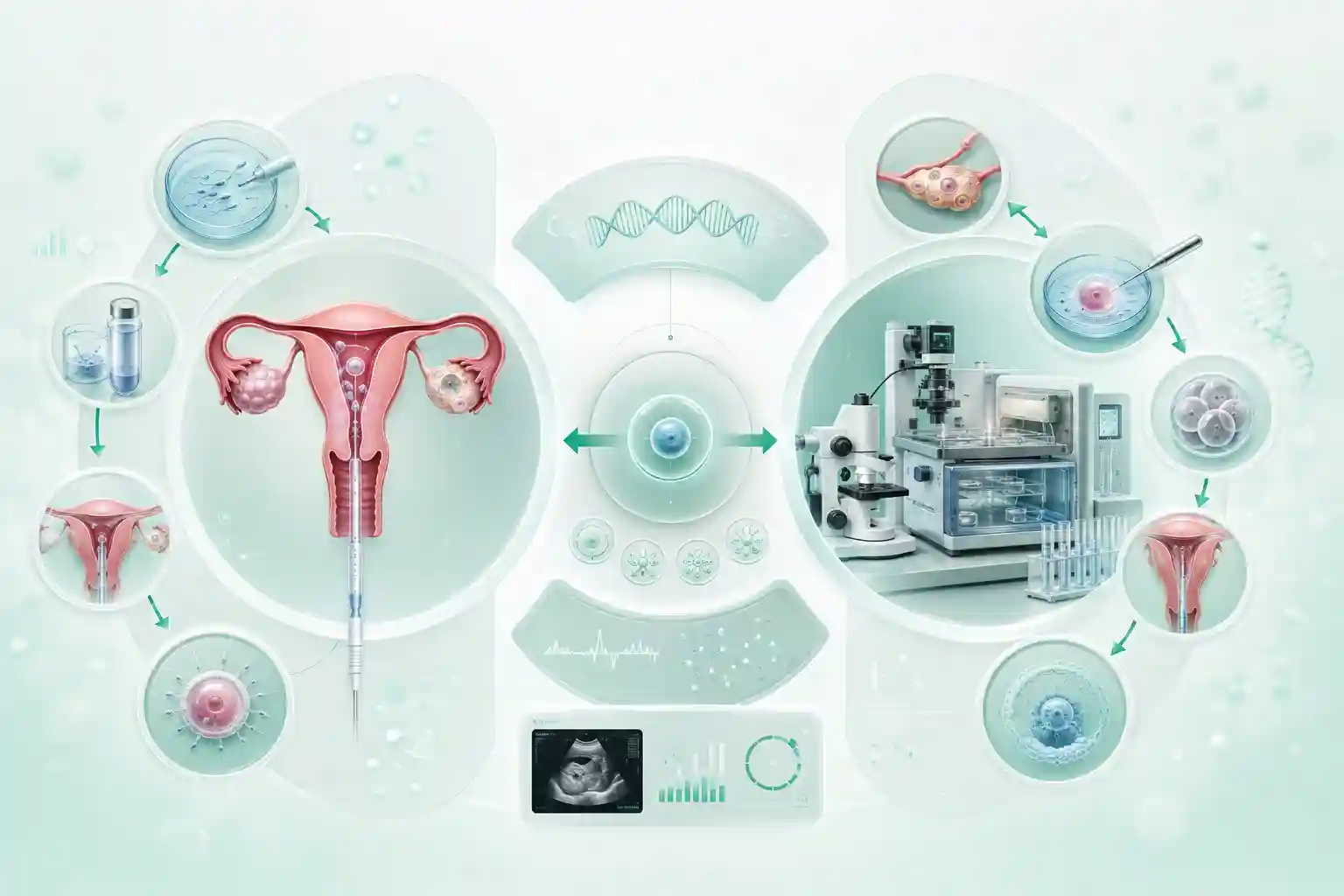
If you’re researching fertility treatments, you may be wondering, “iui is invivo or in vitro?” This is a common question among patients exploring assisted reproductive technologies. Understanding whether iui is invivo or in vitro can help you better understand how IUI works and how it differs from IVF.
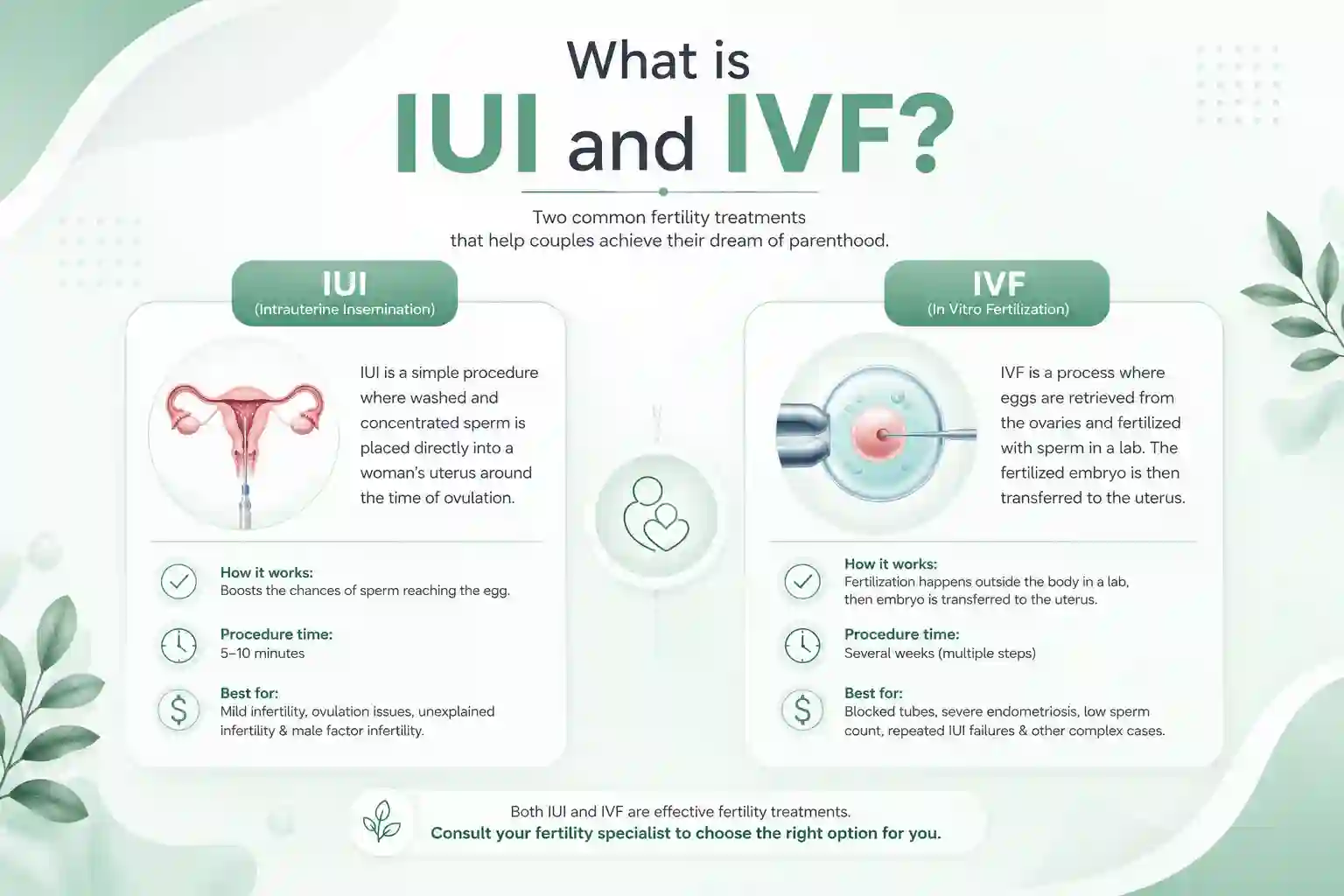
The simple answer is that iui is invivo or in vitro is a question with a clear answer: IUI is an invivo fertility treatment because fertilization occurs inside the body, while IVF is an in vitro treatment because fertilization takes place in a laboratory.
What Does In Vivo Mean?
The Latin term in vivo means “within the living body.”
In reproductive medicine, an in vivo procedure means that fertilization happens naturally inside the woman’s body.
Examples include:
- Natural conception
- Intrauterine Insemination (IUI)
Although medical assistance may help sperm reach the egg, fertilization itself still occurs naturally inside the fallopian tube.
What Does In Vitro Mean?
The Latin term in vitro means “in glass” or “outside the body.”
In fertility treatment, this refers to fertilization occurring in a laboratory rather than inside the body.
The best-known example is In Vitro Fertilization (IVF), where:
- Eggs are retrieved from the ovaries.
- Eggs and sperm are combined in the laboratory.
- Fertilization occurs outside the body.
- The resulting embryo is later transferred into the uterus.
Is IUI In Vivo or In Vitro?
For patients asking “iui is invivo or in vitro,” the answer is that IUI is considered an invivo fertility treatment. During IUI, sperm is placed directly into the uterus, but fertilization still occurs naturally inside the reproductive tract.
Because fertilization happens within the body, fertility specialists classify IUI as invivo rather than in vitro. This is the primary reason why the answer to iui is invivo or in vitro is invivo.
How Does IUI Work?
Step 1: Ovulation
Ovulation is monitored naturally or with fertility medications.
Step 2: Sperm Washing
A semen sample is processed in the laboratory to concentrate healthy, motile sperm.
Step 3: Insemination
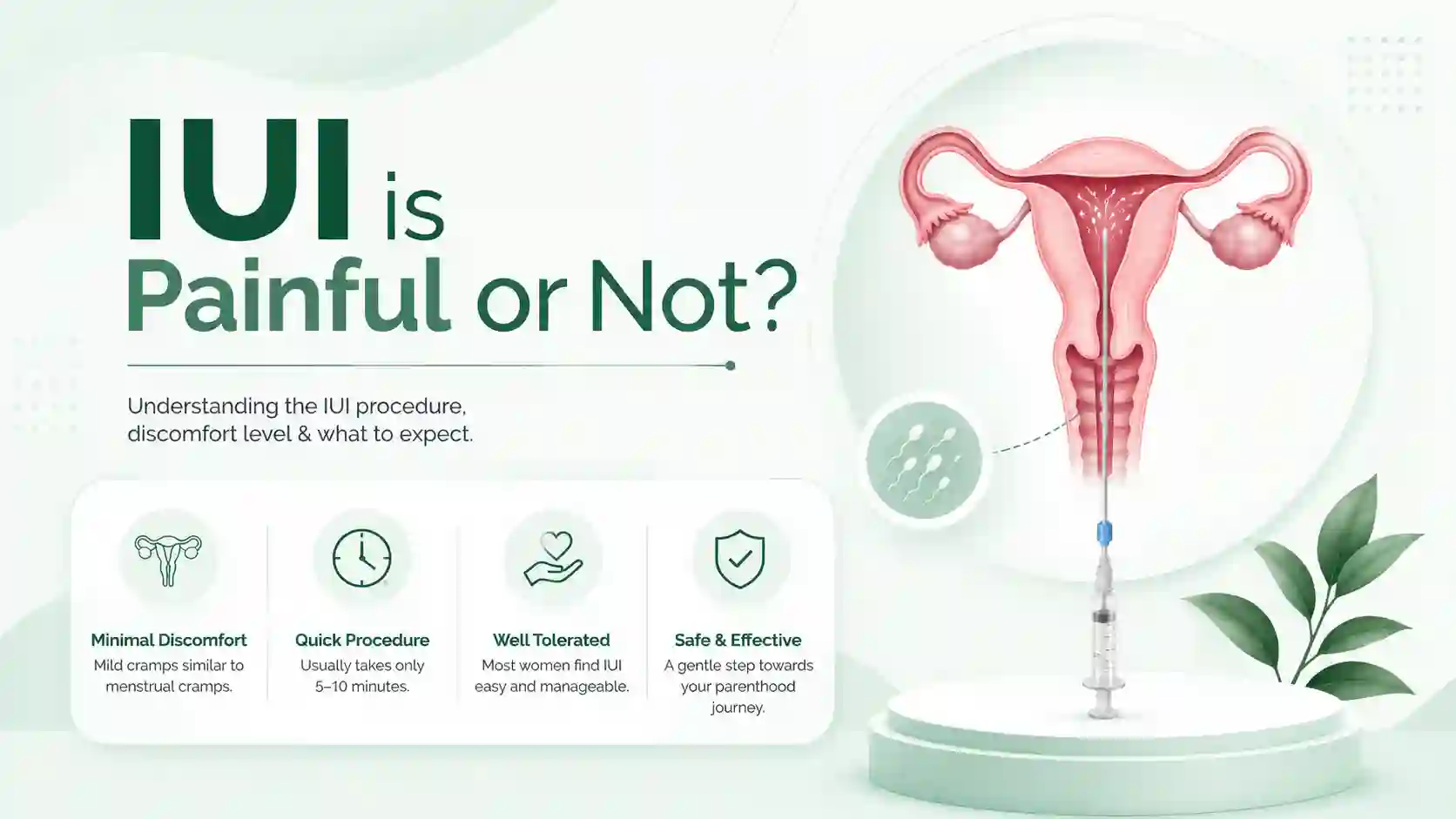
A thin catheter is used to place the prepared sperm directly into the uterus.
Step 4: Natural Fertilization
The sperm swims through the reproductive tract to the fallopian tube, where fertilization may occur naturally.
Step 5: Implantation
If fertilization occurs, the embryo develops and later implants in the uterine lining.
How Does IVF Work?
Step 1: Ovarian Stimulation
Fertility medications stimulate multiple eggs to mature.
Step 2: Egg Retrieval
The mature eggs are collected from the ovaries.
Step 3: Laboratory Fertilization
Eggs and sperm are combined in a laboratory dish.
Step 4: Embryo Development
The fertilized embryos are cultured for several days.
Step 5: Embryo Transfer
One or more embryos are transferred into the uterus.
Because fertilization occurs outside the body, IVF is classified as in vitro.
IUI vs IVF: Key Differences
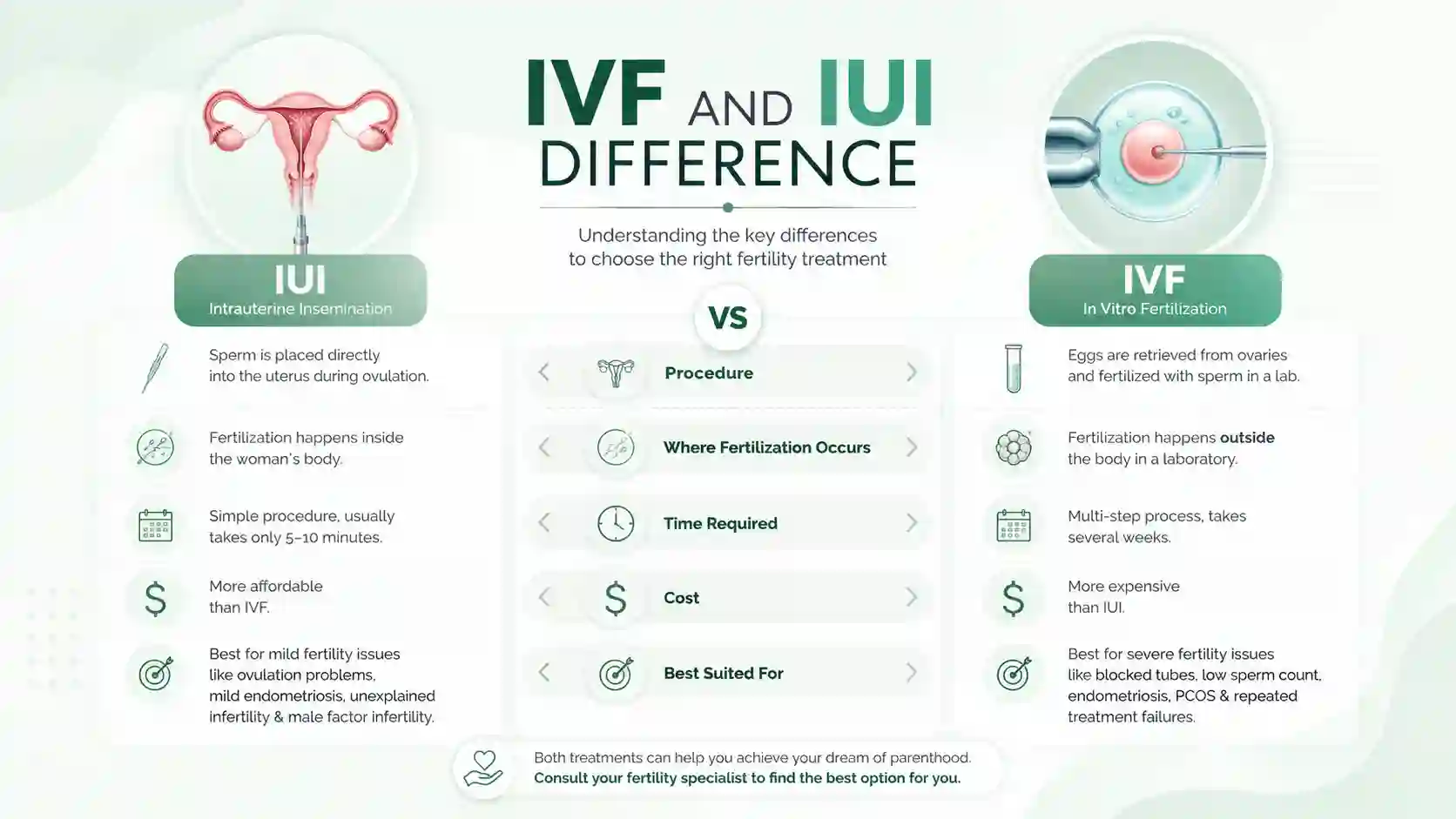
| Feature | IUI | IVF |
| Type of Fertilization | In vivo | In vitro |
| Where Fertilization Occurs | Inside the fallopian tube | In the laboratory |
| Egg Retrieval Needed | No | Yes |
| Sperm Preparation | Yes | Yes |
| Embryo Culture | No | Yes |
| Embryo Transfer | No | Yes |
| Procedure Complexity | Lower | Higher |
| Cost | Usually lower | Usually higher |
Benefits of IUI
IUI offers several advantages for appropriate candidates.
These include:
- Minimally invasive
- Lower treatment cost than IVF
- No surgery required
- Usually no anesthesia
- Short recovery time
- Fertilization occurs naturally inside the body
Risks, Side Effects, or Limitations
Although IUI is generally safe, it has some limitations.
These include:
- Lower pregnancy rates than IVF for some fertility conditions
- Requires at least one open fallopian tube
- Less suitable for severe male factor infertility
- May require multiple treatment cycles
Your fertility specialist will recommend the most appropriate treatment based on your individual diagnosis.
Factors Affecting Treatment Choice
Several factors determine whether IUI or IVF is recommended.
Female Age
Age influences egg quality and treatment success.
Cause of Infertility
Some fertility conditions respond better to IUI, while others are better treated with IVF.
Sperm Quality
Severe male factor infertility may require IVF with intracytoplasmic sperm injection (ICSI).
Fallopian Tube Health
At least one open fallopian tube is generally necessary for IUI because fertilization occurs naturally inside the body.
Emotional & Patient Perspective
Choosing between IUI and IVF can feel overwhelming.
Many patients initially worry about:
- Procedure complexity
- Cost
- Success rates
- Physical discomfort
Understanding that IUI is an in vivo treatment often reassures patients who prefer a less invasive approach. However, IVF may provide a better chance of pregnancy for certain fertility conditions. Your fertility specialist can help determine which treatment is most appropriate for your individual circumstances.
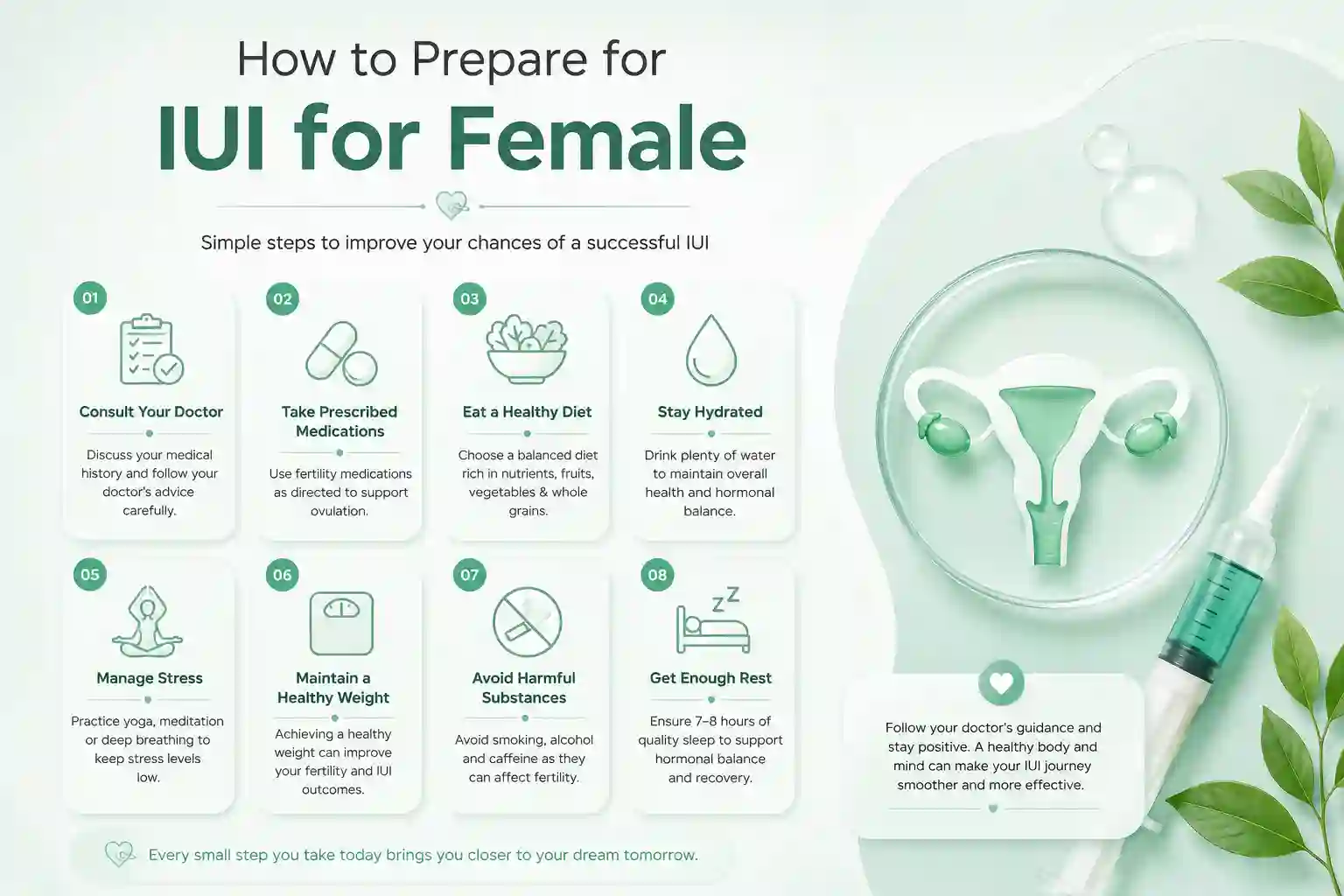
Tips Before Starting Fertility Treatment
Before beginning treatment:
- Complete all recommended fertility evaluations.
- Discuss treatment options with your specialist.
- Understand the differences between IUI and IVF.
- Ask about expected success rates based on your diagnosis.
- Follow your medication and appointment schedule carefully.
Making informed decisions can help you feel more confident throughout your fertility journey.
When to See a Fertility Specialist
Consider consulting a fertility specialist if:
- You have been trying to conceive for one year (or six months if you are 35 or older).
- You have irregular menstrual cycles.
- You have known fertility concerns.
- You have experienced recurrent pregnancy loss.
- You would like to discuss IUI or IVF treatment options.
Early evaluation can help identify the most appropriate treatment plan.
To summarize, if you’re asking “iui is invivo or in vitro,” the answer is invivo. Although sperm preparation takes place in a laboratory, the actual fertilization occurs naturally inside the body. In contrast, IVF is an in vitro procedure because fertilization occurs outside the body before embryo transfer. Understanding whether iui is invivo or in vitro can help you make informed decisions about fertility treatment options.
FAQs About Is IUI In Vivo or In Vitro?
1. Is IUI considered in vivo?
Yes. IUI is an in vivo fertility treatment because fertilization occurs naturally inside the body.
2. Why is IUI not considered in vitro?
Although sperm is prepared in the laboratory, fertilization does not occur there. The sperm and egg meet naturally inside the fallopian tube.
3. Is IVF an in vitro procedure?
Yes. IVF is an in vitro treatment because fertilization takes place outside the body in a laboratory.
4. Does sperm washing make IUI an in vitro procedure?
No. Sperm washing is simply a laboratory preparation step. The actual fertilization still occurs inside the body, so IUI remains an in vivo treatment.
5. Which treatment is less invasive, IUI or IVF?
IUI is generally less invasive because it does not require egg retrieval or laboratory fertilization.
6. Can IUI be successful without fertility medications?
Yes. Some patients undergo natural-cycle IUI without ovarian stimulation medications, depending on their fertility diagnosis.
7. How does a fertility specialist decide between IUI and IVF?
The choice depends on factors such as age, cause of infertility, sperm quality, ovarian reserve, fallopian tube health, previous treatment history, and overall reproductive health.