If you’re exploring fertility treatment, one of the first questions you may ask is, “Which is more painful IUI or IVF?” It’s a valid concern, especially if you’re feeling anxious about medical procedures.
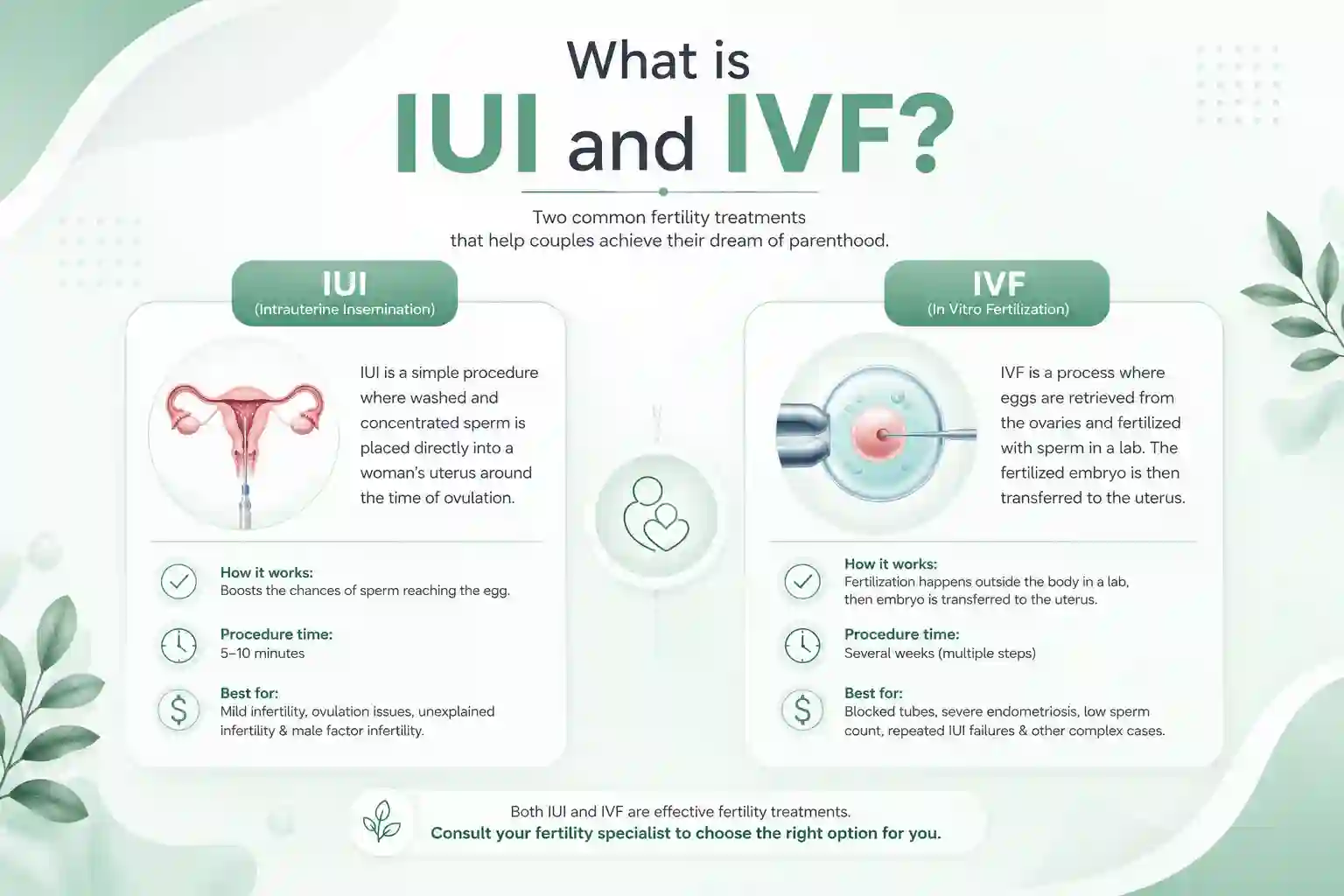
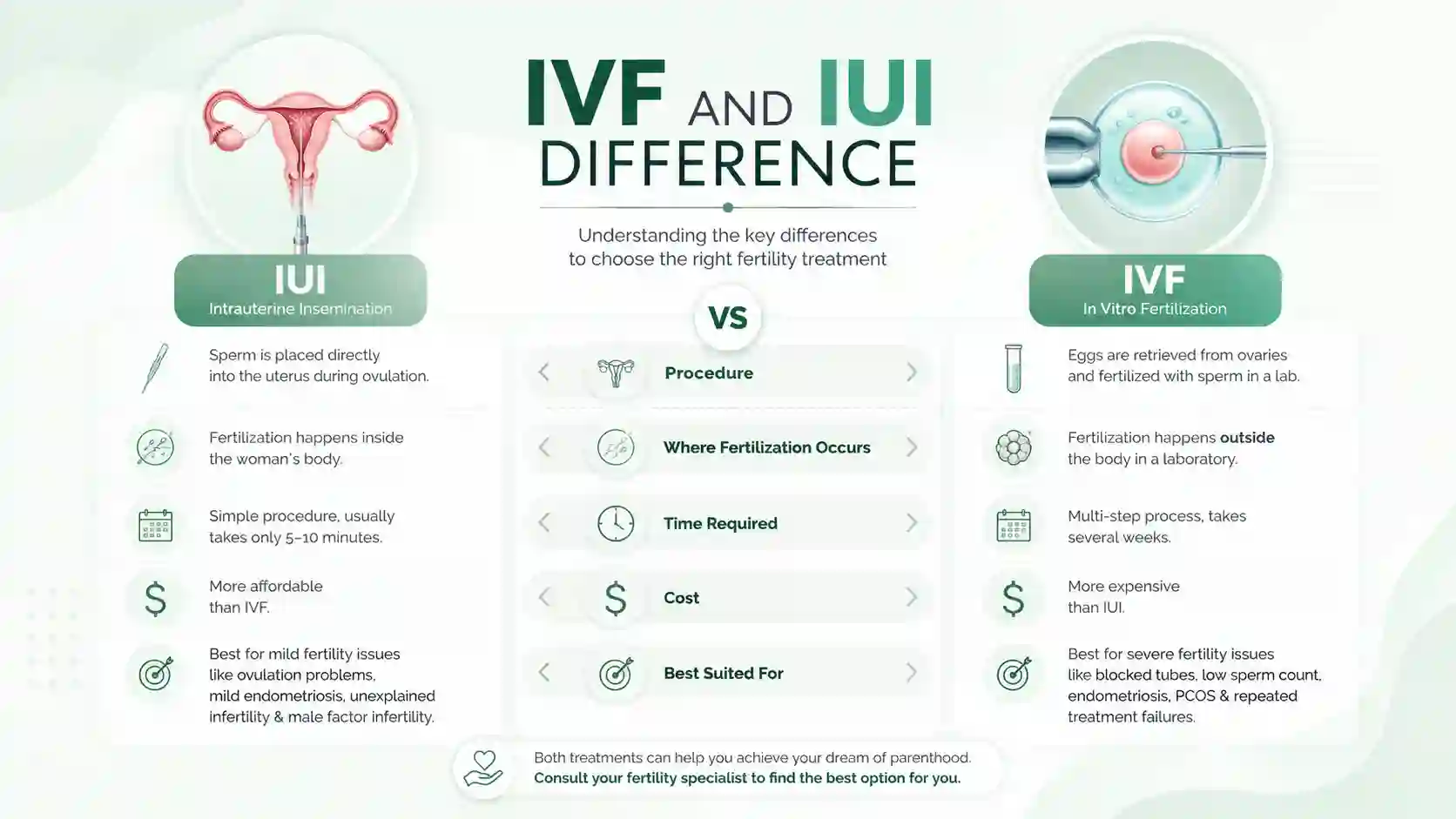
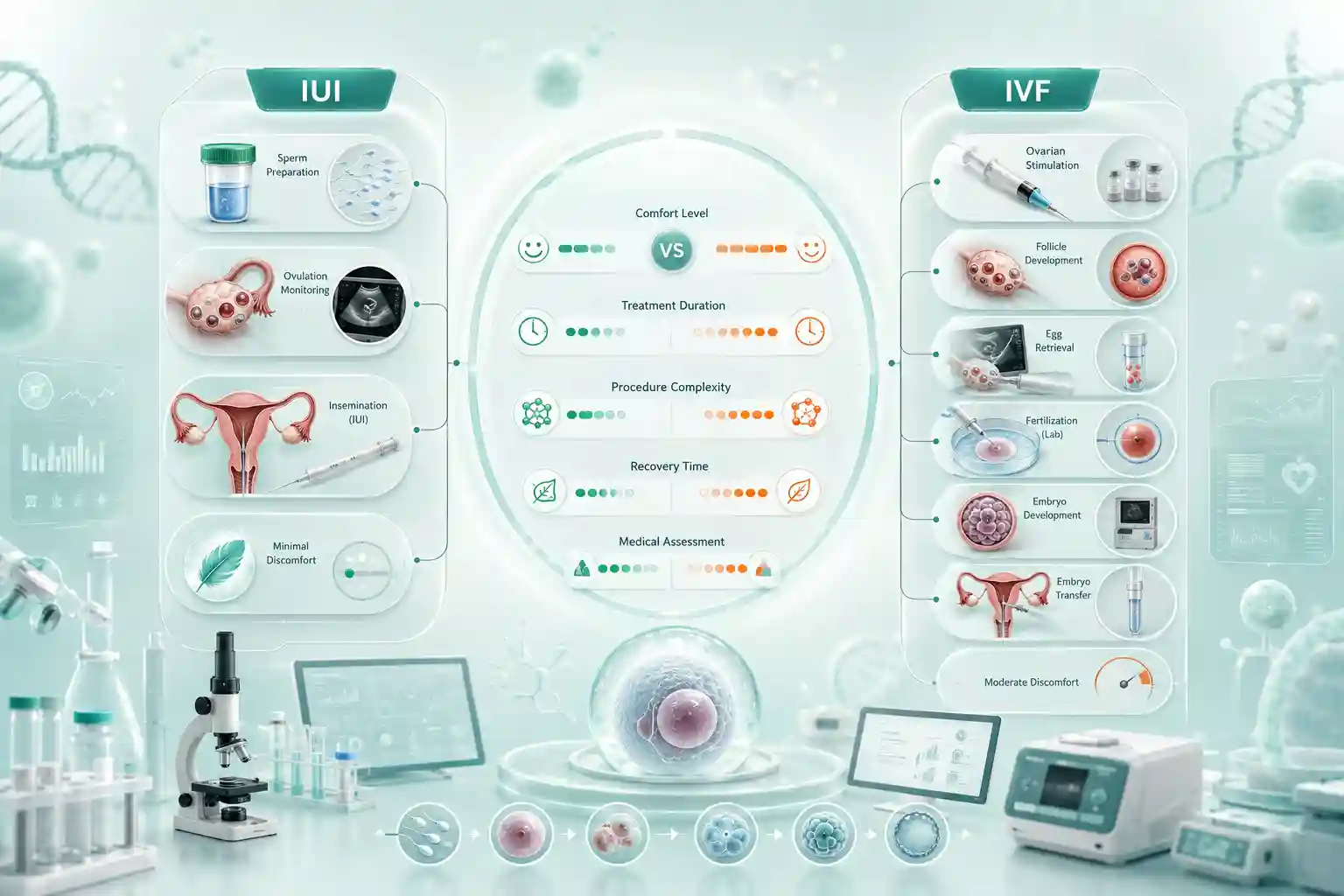
The good news is that both intrauterine insemination (IUI) and in vitro fertilization (IVF) are generally well tolerated. However, IVF is usually more physically demanding than IUI because it involves fertility injections, frequent monitoring, egg retrieval, and embryo transfer. In contrast, IUI is a simpler, minimally invasive procedure that typically causes only mild discomfort, if any.
This guide compares which is more painful IUI or IVF, explains what to expect during each treatment, and helps you understand why the experience differs.
Which Is More Painful IUI or IVF?
For most patients, IVF is considered more painful or physically uncomfortable than IUI.
Here’s why:
- IVF involves daily hormone injections.
- IVF requires multiple ultrasound scans and blood tests.
- Egg retrieval is a minor surgical procedure performed under sedation or anesthesia.
- Ovarian stimulation can cause bloating and pelvic discomfort.
By comparison, IUI usually involves:
- Ovulation monitoring
- Sperm washing
- A short catheter insertion into the uterus
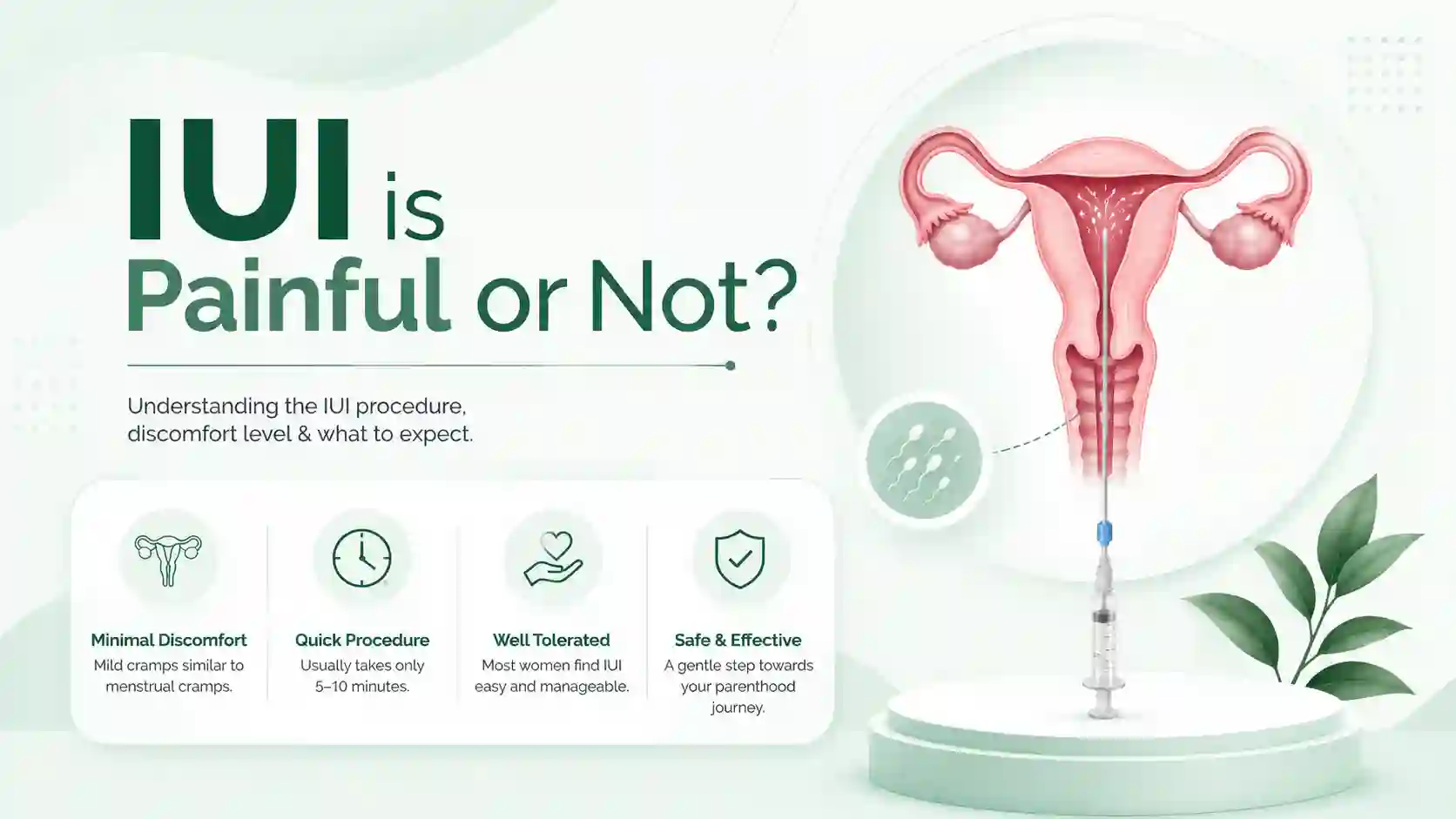
Most people describe IUI as causing mild cramping or pressure similar to a routine pelvic examination.
Why Is This Comparison Important?
Understanding the differences can help you:
- Set realistic expectations.
- Reduce anxiety before treatment.
- Prepare for recovery.
- Make informed decisions with your fertility specialist.
- Understand that treatment choice should be based on medical need, not pain alone.
The most appropriate fertility treatment depends on your individual diagnosis, age, and reproductive health.
How Does IUI Work?
Step 1: Ovulation Monitoring
Your fertility specialist tracks ovulation using ultrasound, blood tests, or ovulation predictor kits.
Step 2: Sperm Washing
A semen sample is processed to separate healthy, motile sperm.
Step 3: Insemination
A thin, flexible catheter is inserted through the cervix to place the prepared sperm directly into the uterus.
Step 4: Recovery
Most patients resume normal daily activities shortly afterward.
How Does IVF Work?
Step 1: Ovarian Stimulation
Daily fertility medications stimulate multiple eggs to mature.
Step 2: Monitoring
Several ultrasounds and blood tests monitor follicle growth.
Step 3: Egg Retrieval
Mature eggs are collected using a needle guided by ultrasound while the patient is under sedation or anesthesia.
Step 4: Fertilization
Eggs and sperm are combined in the laboratory.
Step 5: Embryo Transfer
A healthy embryo is transferred into the uterus using a thin catheter.
Pain Comparison Between IUI and IVF
IUI
Most patients experience:
- Mild pressure
- Slight cramping
- Brief discomfort
- Little or no pain
The procedure usually lasts only a few minutes.
IVF Injections
Hormone injections may cause:
- Mild stinging
- Bruising
- Injection-site soreness
These symptoms are usually temporary.
IVF Egg Retrieval
During egg retrieval:
- Sedation or anesthesia is commonly used.
- Most patients do not feel pain during the procedure.
- Mild to moderate cramping afterward is common.
Recovery typically takes one to several days.
Embryo Transfer
Embryo transfer is generally similar to IUI.
Most patients report:
- Mild pressure
- Minimal cramping
- No significant pain
Benefits of IUI
IUI offers several advantages.
These include:
- Minimally invasive
- Short outpatient procedure
- Usually no anesthesia
- Lower treatment cost
- Short recovery
- Mild discomfort for most patients
Benefits of IVF
IVF may be recommended when more advanced treatment is needed.
Benefits include:
- Higher pregnancy rates for many infertility conditions
- Effective treatment for blocked fallopian tubes
- Useful for severe male factor infertility
- Option for embryo freezing
- Opportunity for preimplantation genetic testing when indicated
Risks, Side Effects, or Limitations
IUI
Common side effects include:
- Mild cramping
- Light spotting
- Temporary pelvic discomfort
Serious complications are rare.
IVF
Possible side effects include:
- Bloating
- Pelvic discomfort
- Fatigue
- Injection-site soreness
- Temporary pain after egg retrieval
- Ovarian Hyperstimulation Syndrome (OHSS) in some medicated cycles
Your fertility specialist will explain these risks before treatment begins.
Factors Affecting Pain
Not everyone experiences fertility treatment the same way.
Pain may vary depending on:
Individual Pain Tolerance
Everyone responds differently to medical procedures.
Fertility Medications
Hormonal stimulation affects each patient differently.
Previous Pelvic Conditions
Conditions such as endometriosis or pelvic adhesions may increase discomfort.
Anxiety and Stress
Feeling anxious can make physical sensations seem more intense.
Emotional & Patient Perspective
It’s completely normal to feel nervous before fertility treatment.
Many patients are pleasantly surprised that:
- IUI is much quicker and easier than expected.
- IVF injections become easier with practice.
- Egg retrieval is generally comfortable because sedation or anesthesia is used.
- Recovery is often smoother than anticipated.
Remember that the goal of both treatments is to maximize your chances of achieving pregnancy, and your fertility team will work to keep you as comfortable as possible throughout the process.
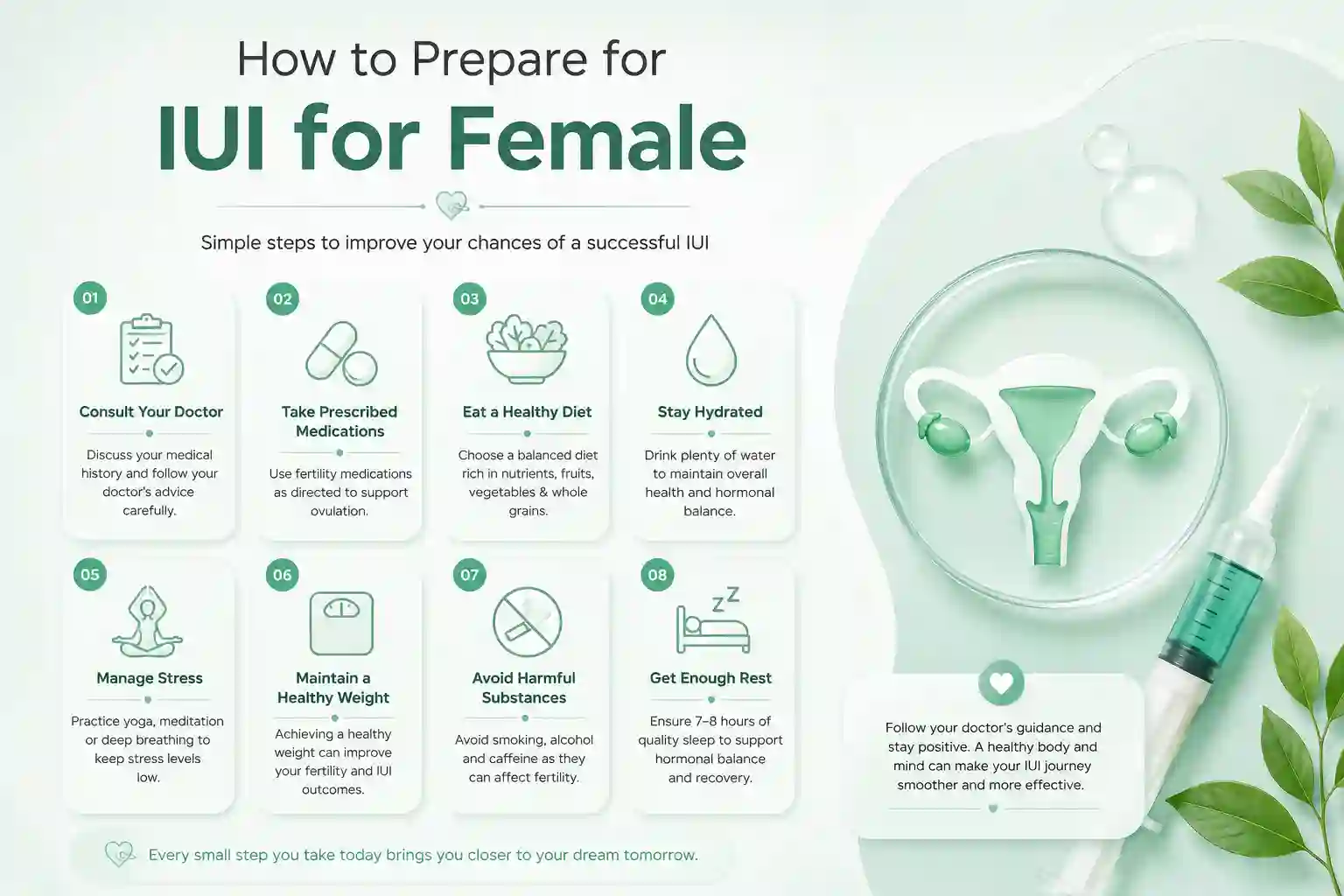
Tips to Make Fertility Treatment More Comfortable
Whether you’re undergoing IUI or IVF:
- Follow all medication instructions carefully.
- Stay hydrated.
- Eat balanced, nutritious meals.
- Wear loose, comfortable clothing to appointments.
- Get enough rest.
- Practice stress-reduction techniques such as deep breathing or meditation.
- Communicate any concerns with your fertility specialist.
When to See a Fertility Specialist
Speak with your fertility specialist if:
- You’re unsure whether IUI or IVF is the right treatment.
- You’re concerned about pain during fertility procedures.
- You experience severe pain, heavy bleeding, fever, or significant abdominal swelling after treatment.
- You would like to discuss pain management options before your procedure.
Your specialist can explain what to expect based on your individual treatment plan.
When asking which is more painful IUI or IVF, the answer for most patients is IVF. While IUI is a quick, minimally invasive procedure that usually causes only mild cramping or pressure, IVF involves hormone injections, ovarian stimulation, and egg retrieval, making it a more physically intensive treatment. However, egg retrieval is typically performed under sedation or anesthesia, and most patients tolerate IVF well. The best fertility treatment should be based on your medical condition, fertility goals, and your specialist’s recommendation—not solely on concerns about pain.
FAQs About Which Is More Painful IUI or IVF
1. Which is more painful, IUI or IVF?
IVF is generally more physically demanding because it includes hormone injections and egg retrieval, while IUI usually causes only mild cramping or pressure.
2. Is IUI painful?
Most people experience little or no pain during IUI. Some report mild cramping similar to menstrual cramps or a routine pelvic examination.
3. Is egg retrieval during IVF painful?
Egg retrieval is usually performed under sedation or anesthesia, so most patients do not feel pain during the procedure. Mild cramping afterward is common.
4. Is embryo transfer painful?
Embryo transfer is usually not painful. Most patients feel only mild pressure or brief discomfort similar to IUI.
5. Which treatment has a longer recovery time?
IUI usually requires little to no recovery time. IVF may require a few days of recovery after egg retrieval, depending on individual symptoms.
6. Can fertility medications cause pain?
Fertility medications may cause bloating, breast tenderness, injection-site soreness, mood changes, and temporary pelvic discomfort.
7. Should pain determine whether I choose IUI or IVF?
No. Treatment decisions should be based on your fertility diagnosis, age, reproductive health, and your fertility specialist’s recommendations rather than pain alone.