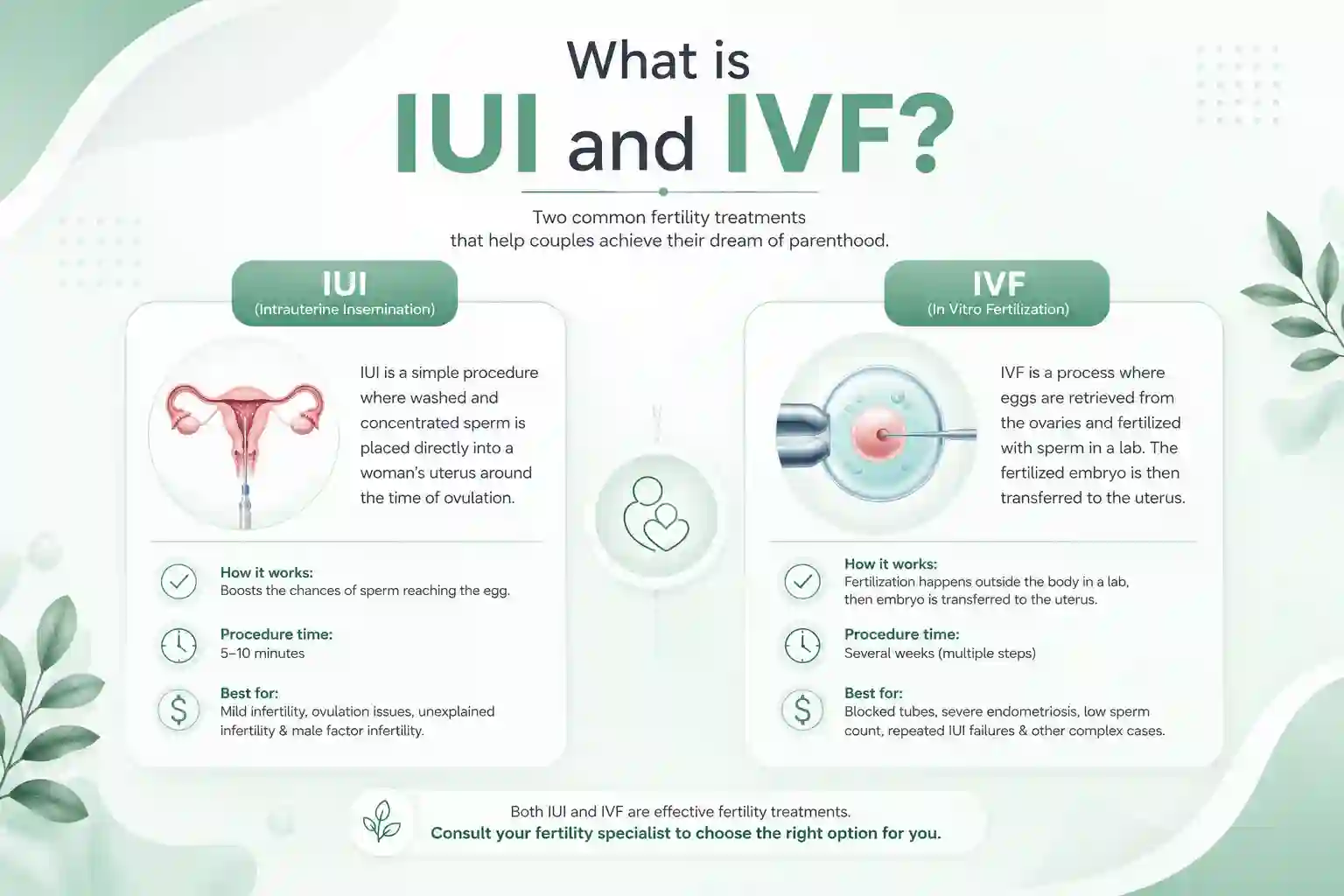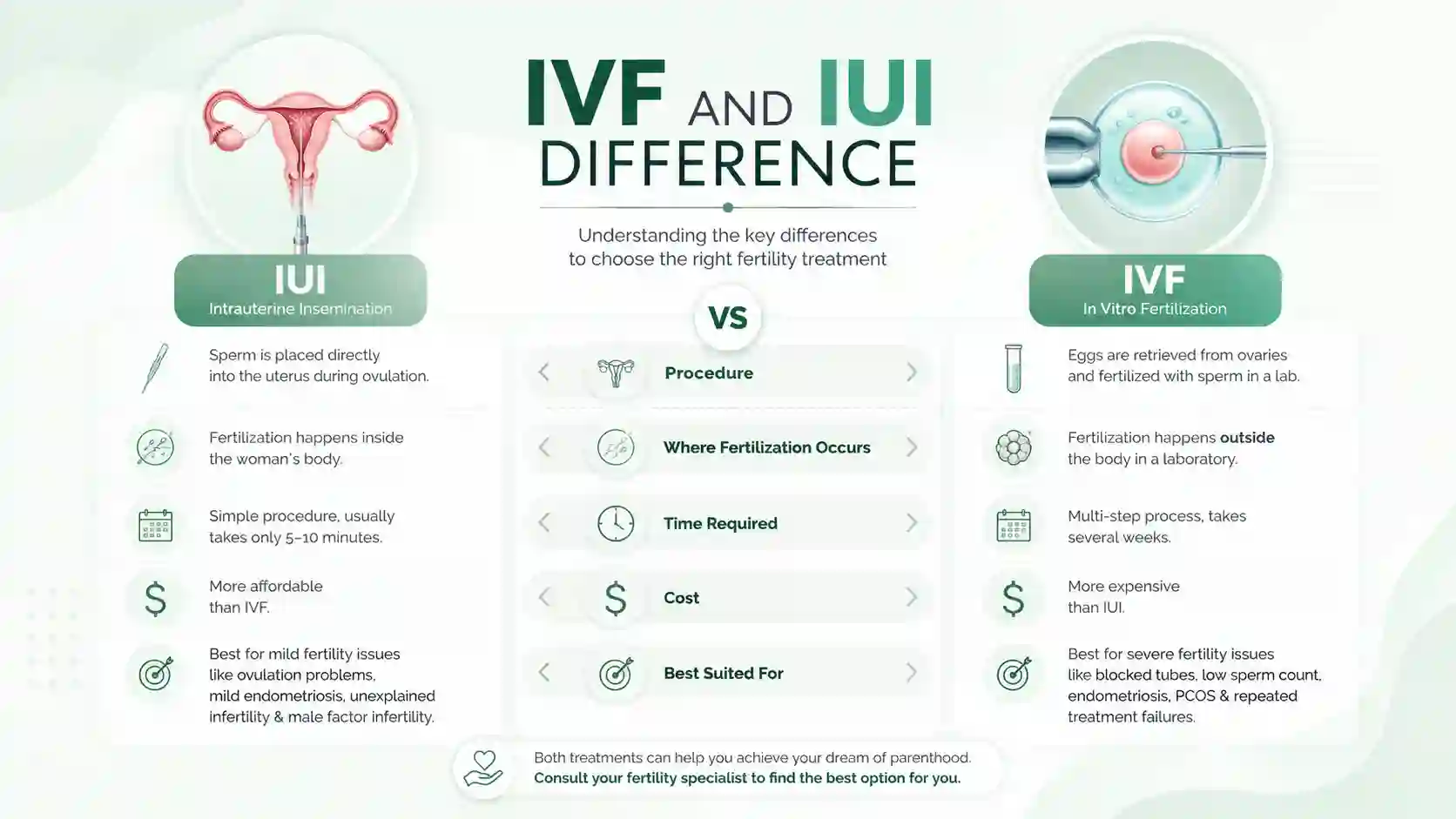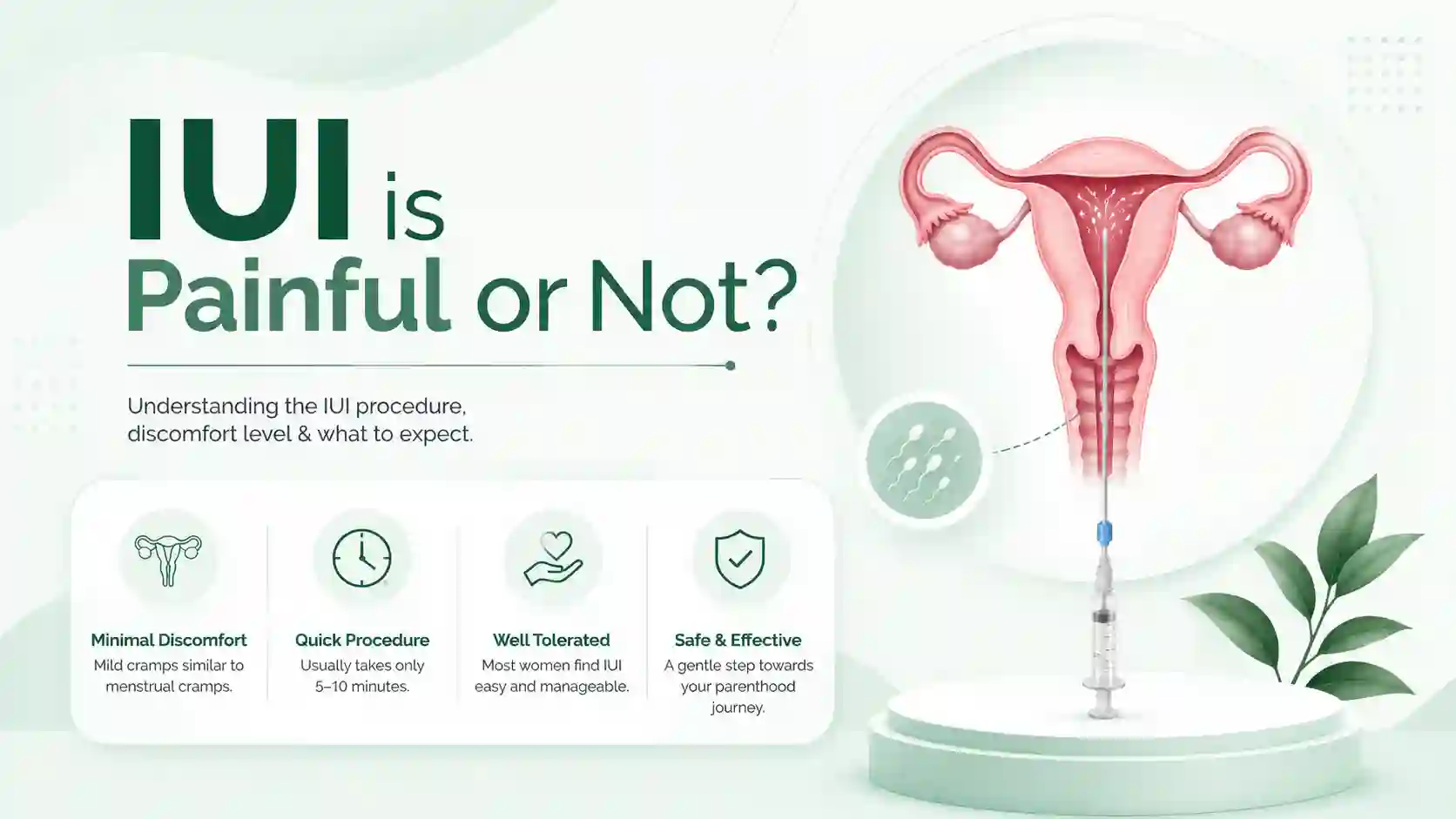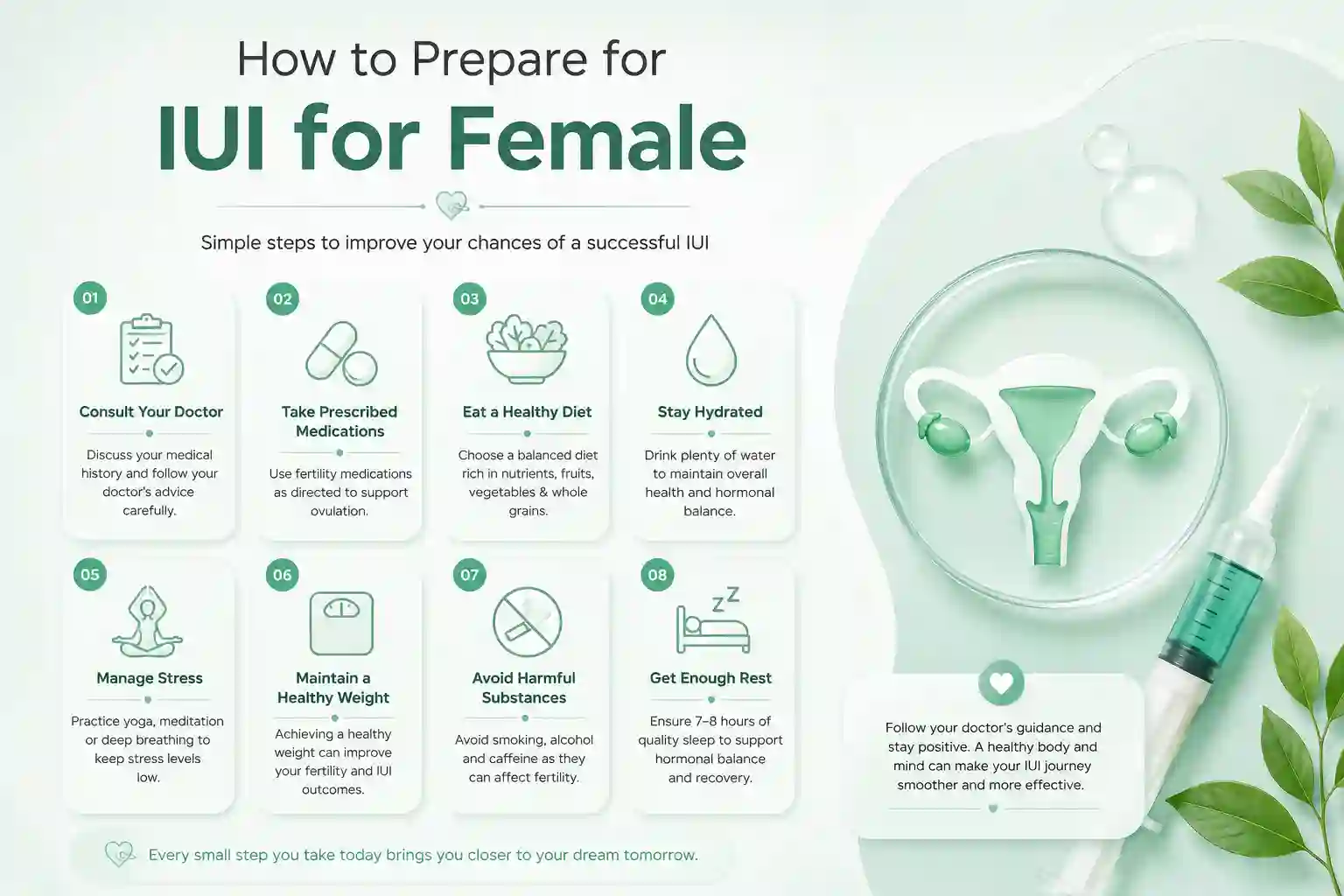
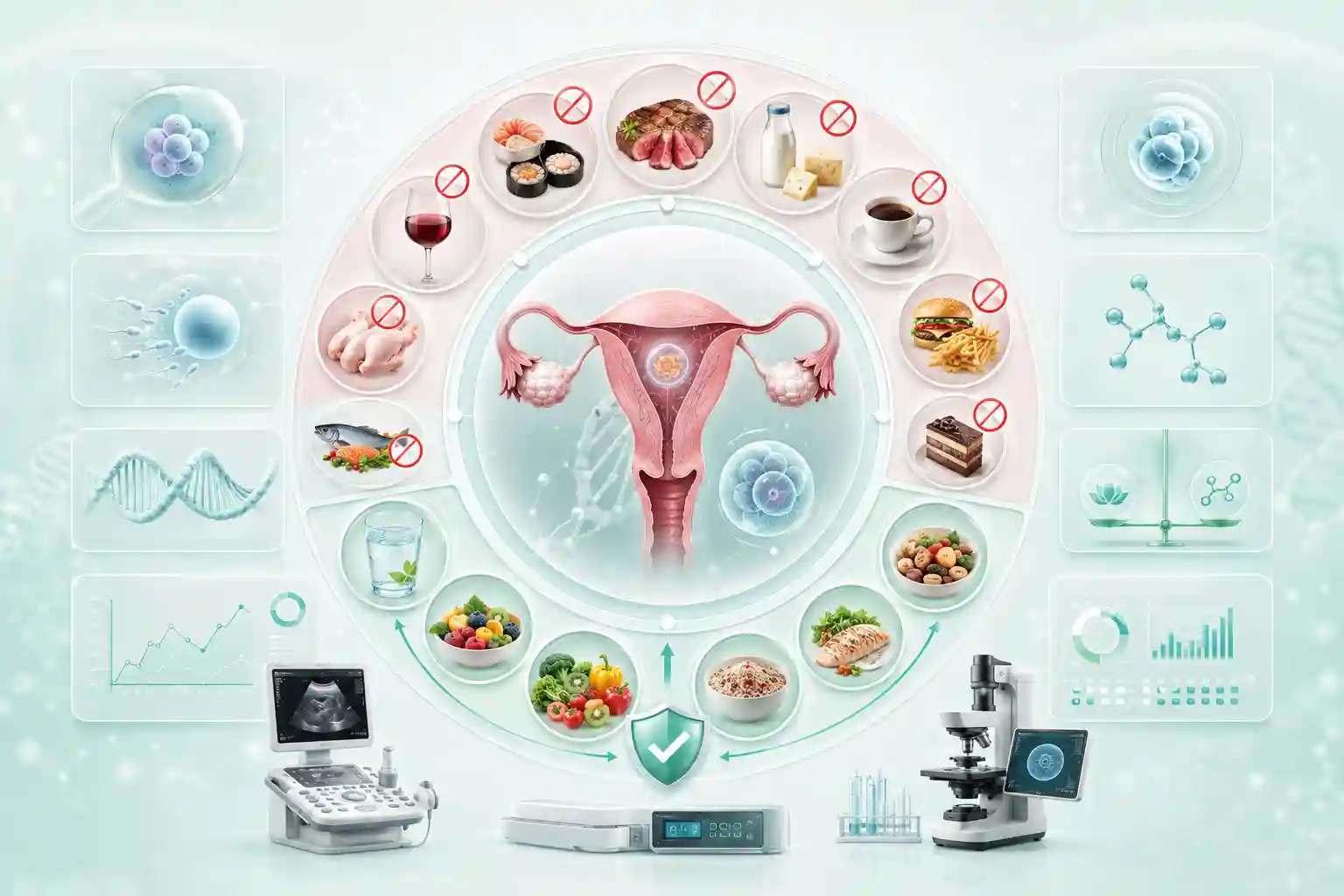
After an intrauterine insemination (IUI) procedure, many patients wonder whether certain foods can improve or reduce their chances of pregnancy. A common question is about after IUI food to avoid during the two-week wait before taking a pregnancy test.
While no specific food has been proven to increase implantation or guarantee pregnancy, maintaining a balanced, nutritious diet and avoiding certain foods that may pose risks during early pregnancy is a sensible approach. Following healthy eating habits can support your overall well-being while your body goes through the early stages of conception.
This guide explains after IUI food to avoid, foods that are generally considered safe, and practical nutrition tips for the two-week wait.
What Is the Recommended Diet After IUI?
There is no special “IUI diet,” but fertility specialists generally recommend eating as though you could already be pregnant.
A healthy diet should include:
- Fresh fruits
- Vegetables
- Whole grains
- Lean protein
- Healthy fats
- Dairy or calcium-rich alternatives
- Plenty of water
These foods support overall health, although they cannot guarantee pregnancy.
Why Is Diet Important After IUI?
Eating well after IUI may help:
- Support overall health.
- Provide essential nutrients.
- Maintain healthy energy levels.
- Promote good hydration.
- Encourage healthy habits during early pregnancy.
Diet alone does not determine whether IUI will be successful, but it contributes to your general well-being.
How Does Pregnancy Develop After IUI?
Understanding the timeline helps explain why healthy habits are encouraged.
Step 1: Ovulation
An egg is released naturally or after fertility medication.
Step 2: Fertilization
Prepared sperm may fertilize the egg inside the fallopian tube.
Step 3: Embryo Development
The fertilized egg divides while traveling toward the uterus.
Step 4: Implantation
Several days later, the embryo may attach to the uterine lining.
Step 5: Early Pregnancy
If implantation is successful, pregnancy hormone (hCG) production begins.
Since pregnancy may already be developing before you know the result, many specialists recommend following pregnancy-safe dietary habits.
After IUI Food to Avoid
Alcohol
Avoid alcohol during the two-week wait unless your healthcare provider advises otherwise.
Raw or Undercooked Meat
Avoid meat that is not fully cooked because it may carry harmful bacteria or parasites.
Raw Seafood
Raw fish and shellfish, including sushi made with raw seafood, should generally be avoided.
High-Mercury Fish
Limit or avoid fish known to contain high levels of mercury, such as:
- Shark
- Swordfish
- King mackerel
- Tilefish
Choose lower-mercury options if you eat seafood.
Unpasteurized Dairy Products
Avoid milk, cheese, or dairy products made from unpasteurized milk because they may contain harmful bacteria.
Raw Eggs
Avoid foods containing raw or undercooked eggs, such as homemade cookie dough, some desserts, or certain sauces.
Excessively Processed Foods
Try to limit foods that are:
- High in added sugar
- High in saturated fat
- Highly processed
These foods provide fewer nutrients than whole-food alternatives.
Excessive Caffeine
Moderate caffeine intake is generally considered acceptable for many people, but excessive amounts are not recommended.
Discuss your caffeine intake with your fertility specialist.
Foods to Include After IUI
Instead of focusing only on after IUI food to avoid, include nutritious foods such as:
Fruits
- Apples
- Oranges
- Berries
- Bananas
- Kiwi
Vegetables
- Spinach
- Broccoli
- Carrots
- Bell peppers
- Tomatoes
Lean Protein
- Chicken
- Turkey
- Fish with low mercury levels
- Eggs (fully cooked)
- Lentils
- Beans
Whole Grains
- Brown rice
- Oats
- Whole wheat bread
- Quinoa
Healthy Fats
- Avocados
- Nuts
- Seeds
- Olive oil
Benefits of a Healthy Diet After IUI
Healthy eating may help:
- Support overall reproductive health.
- Maintain healthy energy levels.
- Provide vitamins and minerals.
- Encourage healthy pregnancy habits.
- Improve overall well-being.
Although diet supports health, it cannot guarantee implantation or pregnancy.
Risks, Side Effects, or Limitations
There is no scientific evidence that eating one specific food causes IUI to fail or guarantees success.
However, avoiding foods that may increase the risk of foodborne illness during early pregnancy is generally recommended.
Always discuss individual dietary concerns with your healthcare provider.
Factors Affecting IUI Success
Many factors influence IUI outcomes more than diet alone.
Female Age
Egg quality naturally changes with age.
Ovulation Timing
Proper timing remains essential.
Sperm Quality
Healthy sperm improves the chance of fertilization.
Underlying Fertility Diagnosis
Different fertility conditions respond differently to IUI.
Overall Health
Maintaining a healthy lifestyle, including balanced nutrition, regular sleep, and avoiding smoking, supports reproductive health.
Emotional & Patient Perspective
During the two-week wait, it’s common to worry that eating the “wrong” food could affect implantation.
Fortunately, there is no evidence that one meal or one particular food determines whether IUI succeeds.
Instead of focusing on perfection, aim for a balanced, nutritious diet and follow your fertility specialist’s recommendations.
Tips for Healthy Eating After IUI
- Eat regular, balanced meals.
- Stay hydrated throughout the day.
- Wash fruits and vegetables thoroughly.
- Choose freshly prepared foods when possible.
- Cook meat, seafood, and eggs thoroughly.
- Limit processed foods and sugary drinks.
- Continue prenatal vitamins if recommended by your fertility specialist.
When to See a Fertility Specialist
Contact your fertility specialist if:
- You have severe nausea or vomiting.
- You cannot tolerate food or fluids.
- You have questions about medications or supplements.
- You have concerns about your diet during fertility treatment.
Your healthcare provider can provide personalized nutritional guidance.
Understanding after IUI food to avoid can help you make healthy choices during the two-week wait. While no specific food can guarantee pregnancy or prevent implantation, eating a balanced diet rich in fruits, vegetables, whole grains, lean proteins, and healthy fats supports your overall health. Limiting alcohol, raw or undercooked foods, unpasteurized dairy products, high-mercury fish, and excessive caffeine is generally recommended because pregnancy may already be developing before your test result. Focus on nourishing your body, following your fertility specialist’s advice, and maintaining healthy lifestyle habits throughout your fertility journey.
FAQs About After IUI Food to Avoid
1. What foods should I avoid after IUI?
It’s generally recommended to avoid alcohol, raw or undercooked meat and seafood, unpasteurized dairy products, raw eggs, high-mercury fish, and excessive caffeine.
2. Can spicy food affect IUI success?
There is no scientific evidence that spicy foods reduce the chances of pregnancy after IUI unless they cause digestive discomfort for you.
3. Can I drink coffee after IUI?
Moderate caffeine intake is often acceptable, but it’s best to discuss your daily caffeine intake with your fertility specialist.
4. Is it safe to eat eggs after IUI?
Yes, as long as the eggs are fully cooked. Avoid raw or undercooked eggs.
5. Should I avoid sugar after IUI?
There is no need to eliminate sugar completely, but limiting foods high in added sugars is part of a balanced, healthy diet.
6. Should I take prenatal vitamins after IUI?
Many fertility specialists recommend continuing prenatal vitamins, especially those containing folic acid, if you are trying to conceive.
7. Can diet alone improve IUI success?
No. A healthy diet supports overall health, but factors such as age, egg quality, sperm quality, ovulation timing, and underlying fertility conditions have a much greater impact on IUI success.