
If you’re exploring fertility treatment, you may be wondering, “what is IVF baby?” An IVF baby is a baby conceived through In Vitro Fertilization (IVF), a type of assisted reproductive technology (ART). In this process, fertilization occurs in a specialized laboratory rather than inside the fallopian tube. Once the embryo develops, it is transferred into the uterus, where the pregnancy continues naturally. Understanding what is IVF baby can help prospective parents feel more confident about fertility treatment and the journey to parenthood.
What Is IVF Baby?
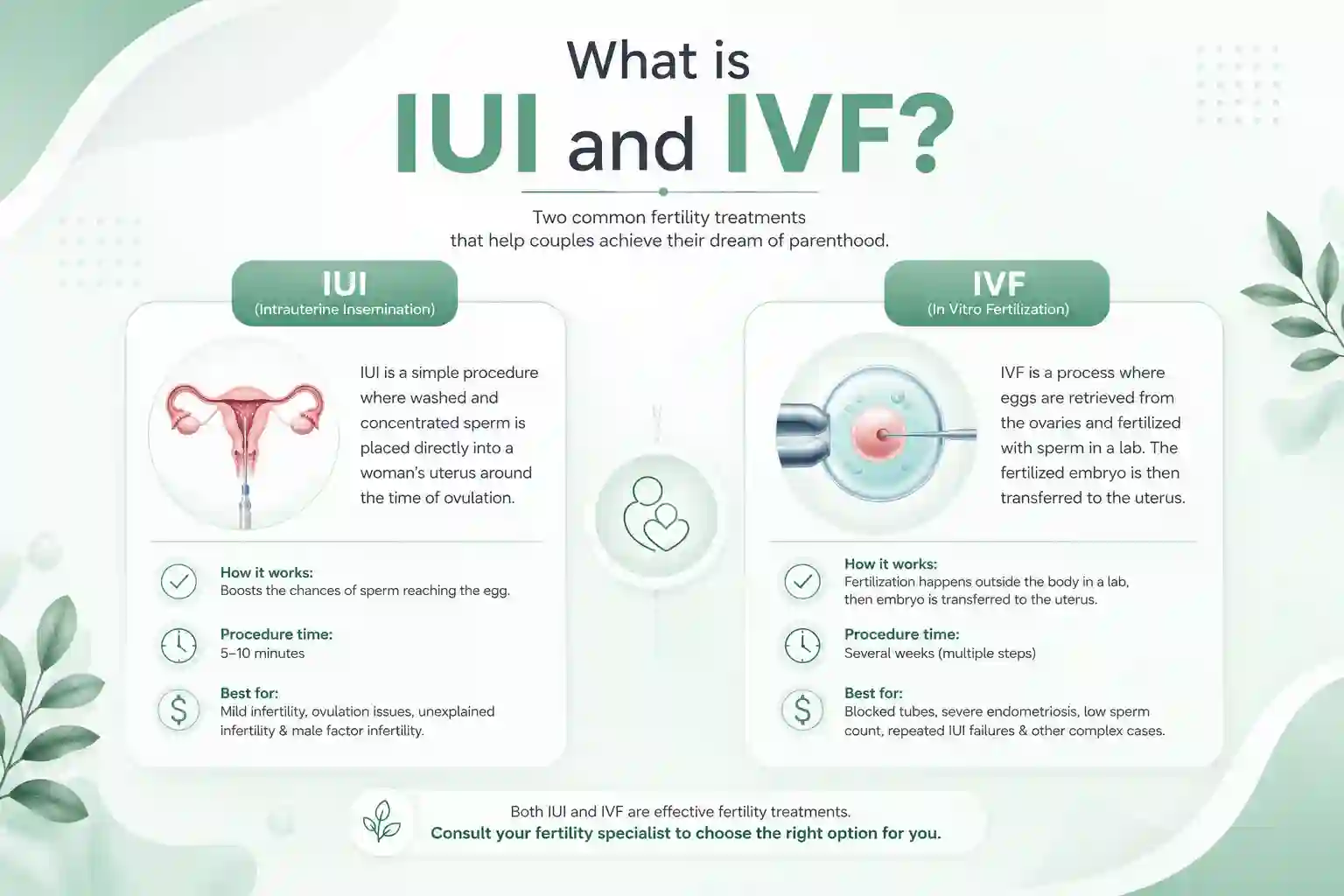
An IVF baby is a child conceived through In Vitro Fertilization (IVF).
During IVF:
- Eggs are collected from the ovaries.
- A sperm fertilizes the egg in a laboratory.
- The fertilized egg develops into an embryo.
- One healthy embryo is transferred into the uterus.
- If implantation occurs, pregnancy develops in the same way as a naturally conceived pregnancy.
The only difference is where fertilization takes place—in the laboratory instead of the fallopian tube.
How Is an IVF Baby Conceived?
The IVF process generally includes the following steps:
Step 1: Ovarian Stimulation
Fertility medications stimulate the ovaries to produce multiple mature eggs.
Step 2: Egg Retrieval
The mature eggs are collected using a minor procedure performed under sedation.
Step 3: Fertilization
The eggs are fertilized with sperm in the laboratory using:
- Conventional IVF, or
- Intracytoplasmic Sperm Injection (ICSI), when indicated.
Step 4: Embryo Culture
The embryos are monitored for several days as they develop.
Step 5: Embryo Transfer
A selected embryo is transferred into the uterus.
Step 6: Pregnancy
If the embryo implants successfully, pregnancy progresses naturally until birth.
Are IVF Babies Healthy?
Yes.
The vast majority of IVF babies are born healthy and develop normally.
Research over several decades has shown that most IVF children:
- Reach developmental milestones on time.
- Attend regular schools.
- Have normal physical growth.
- Develop normal intelligence.
- Lead healthy adult lives.
A child’s long-term health depends on many factors, including genetics, maternal health, pregnancy care, and lifestyle—not simply the method of conception.
Are IVF Babies Different from Naturally Conceived Babies?
In most cases, no.
Once pregnancy is established, an IVF pregnancy develops in the same way as a naturally conceived pregnancy.
IVF babies:
- Grow normally during pregnancy.
- Have similar physical development.
- Learn and develop like other children.
- Can participate in normal daily activities.
- Have similar life expectancy.
The way a baby is conceived does not determine personality, intelligence, or future abilities.
Why Do People Choose IVF?
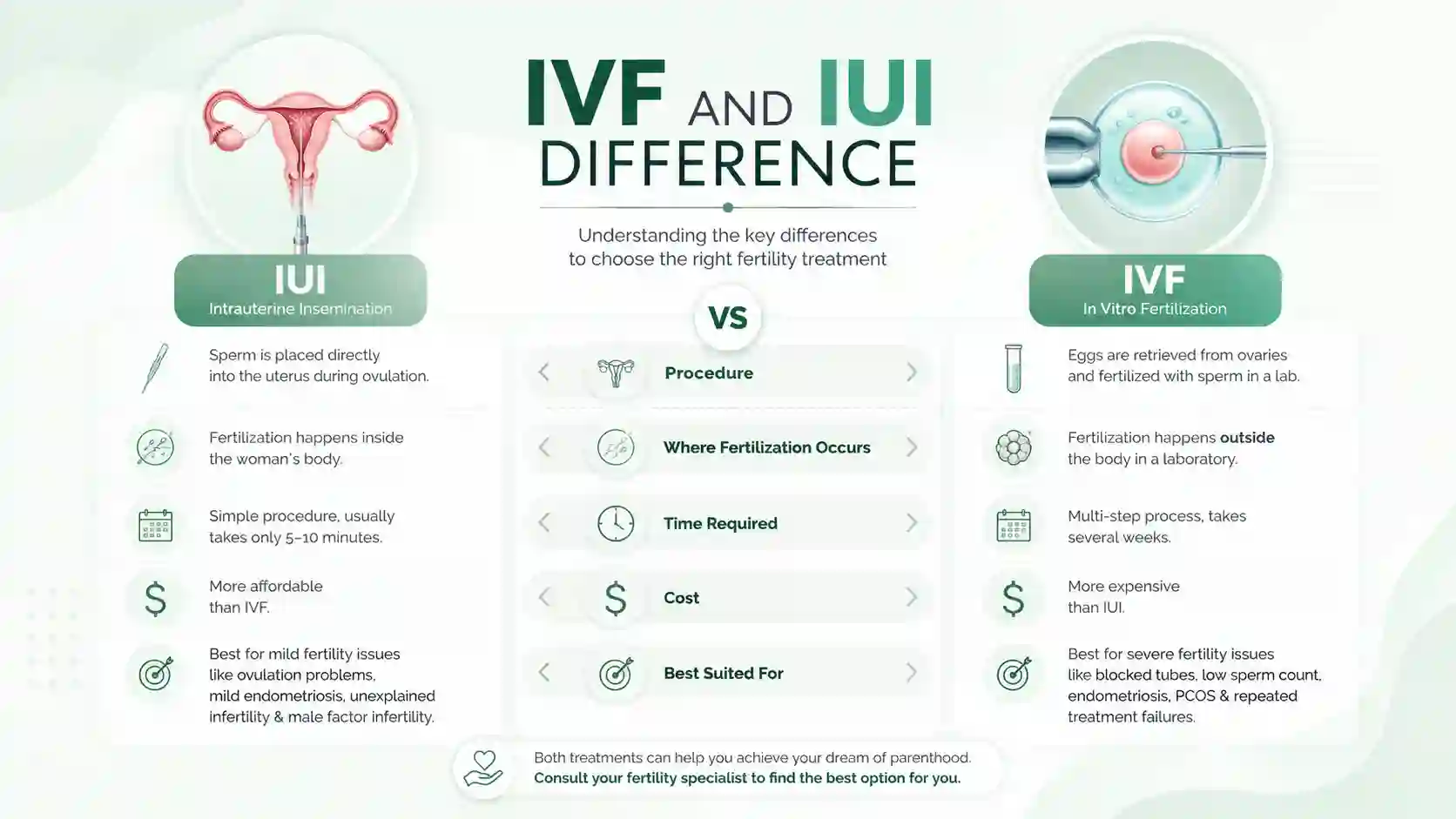
IVF may be recommended for:
- Blocked fallopian tubes
- Severe male infertility
- Ovulation disorders
- Endometriosis
- Unexplained infertility
- Diminished ovarian reserve
- Certain genetic conditions
- Previous unsuccessful fertility treatments
Your fertility specialist recommends IVF based on your individual medical history.
Benefits of IVF
IVF offers several advantages.
These include:
- Effective treatment for many infertility conditions
- Opportunity to use frozen embryos
- Option for donor eggs or donor sperm when needed
- Ability to preserve fertility through egg or embryo freezing
- Preimplantation Genetic Testing (PGT) for selected patients
- Higher pregnancy rates than many other fertility treatments in appropriate cases
Risks, Side Effects, or Limitations
Although IVF is generally safe, patients should understand that:
- Pregnancy cannot be guaranteed.
- Some patients require multiple IVF cycles.
- Fertility medications may cause temporary side effects.
- Multiple pregnancy is possible if more than one embryo is transferred.
- IVF may not be appropriate for every infertility diagnosis.
Discuss your treatment plan and potential risks with your fertility specialist.
Common Myths About IVF Babies
Myth: IVF babies are unhealthy.
Fact: Most IVF babies are healthy and develop normally.
Myth: IVF babies are genetically different.
Fact: IVF changes the method of fertilization, not the baby’s genetic makeup (unless donor eggs, donor sperm, or specific genetic treatments are involved).
Myth: IVF babies cannot have children.
Fact: Most IVF-conceived individuals are expected to have normal fertility, although fertility depends on many individual factors.
Myth: IVF babies are born only through cesarean delivery.
Fact: Many IVF pregnancies result in vaginal births. The method of delivery depends on obstetric factors, not IVF alone.
Emotional & Patient Perspective
Many prospective parents worry that an IVF baby may somehow be “different.”
These concerns are understandable, especially when starting fertility treatment.
The reassuring news is that decades of research show that most IVF babies grow up healthy and thrive just like children conceived naturally. While IVF helps achieve fertilization, the pregnancy itself develops in the uterus in the same biological way as any other pregnancy.
Talking openly with your fertility specialist can help address any concerns and provide evidence-based information.
Tips for a Healthy IVF Pregnancy
To support a healthy pregnancy:
- Attend all prenatal appointments.
- Take prescribed prenatal vitamins.
- Eat a balanced diet.
- Avoid smoking and alcohol.
- Stay physically active as advised.
- Follow your fertility specialist’s instructions.
- Manage any chronic medical conditions.
Good prenatal care is important regardless of how pregnancy is achieved.
When to See a Fertility Specialist
Consult a fertility specialist if:
- You have been trying to conceive without success.
- You have known fertility problems.
- You have experienced repeated pregnancy loss.
- You would like to discuss IVF treatment.
- You have questions about IVF and pregnancy.
Early evaluation helps identify the most appropriate fertility treatment.
Understanding what is IVF baby can help dispel many common misconceptions about fertility treatment. An IVF baby is simply a baby conceived through In Vitro Fertilization, with fertilization occurring in a laboratory before the embryo is transferred to the uterus. Once pregnancy begins, development proceeds naturally. Millions of healthy IVF babies have been born worldwide, making IVF a safe and effective option for many individuals and couples experiencing infertility.
FAQs About IVF Babies
1. What is IVF baby?
An IVF baby is a baby conceived through In Vitro Fertilization (IVF), where fertilization takes place in a laboratory before embryo transfer to the uterus.
2. Are IVF babies healthy?
Yes. Most IVF babies are healthy and experience normal growth, development, and overall well-being.
3. Is there any difference between an IVF baby and a naturally conceived baby?
No. After implantation, IVF babies develop in the same way as naturally conceived babies.
4. Why do people search for what is IVF baby?
Many people want to understand how IVF works and whether babies conceived through IVF are healthy and develop normally.
5. Can IVF babies have children in the future?
Most IVF-conceived individuals are expected to have normal fertility, although fertility varies from person to person.
6. Is IVF safe for babies?
Yes. IVF has been used successfully for decades, and millions of healthy babies have been born through this treatment worldwide.
7. Who may need IVF treatment to have a baby?
IVF may be recommended for people with blocked fallopian tubes, severe male infertility, ovulation disorders, endometriosis, unexplained infertility, or other fertility challenges.