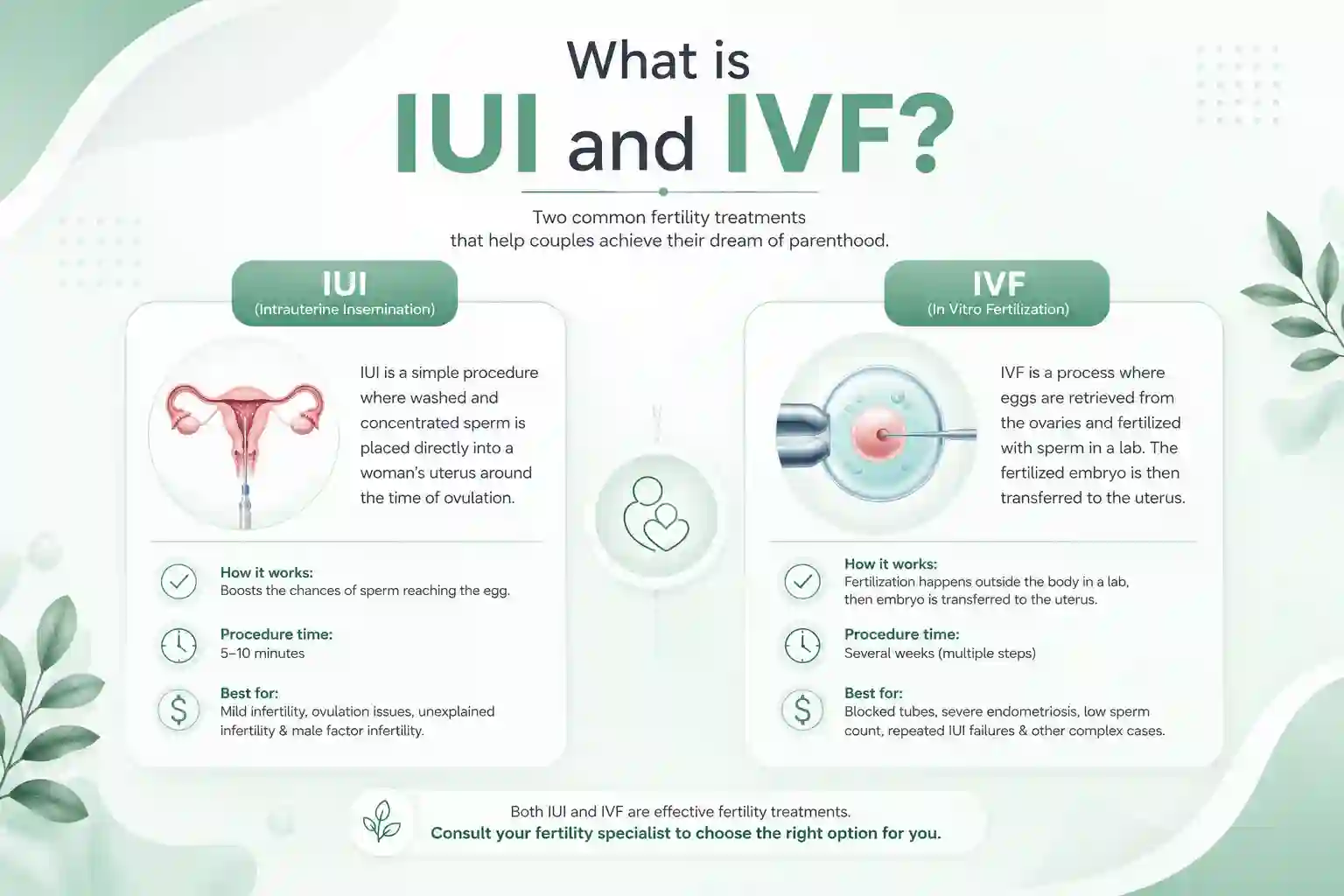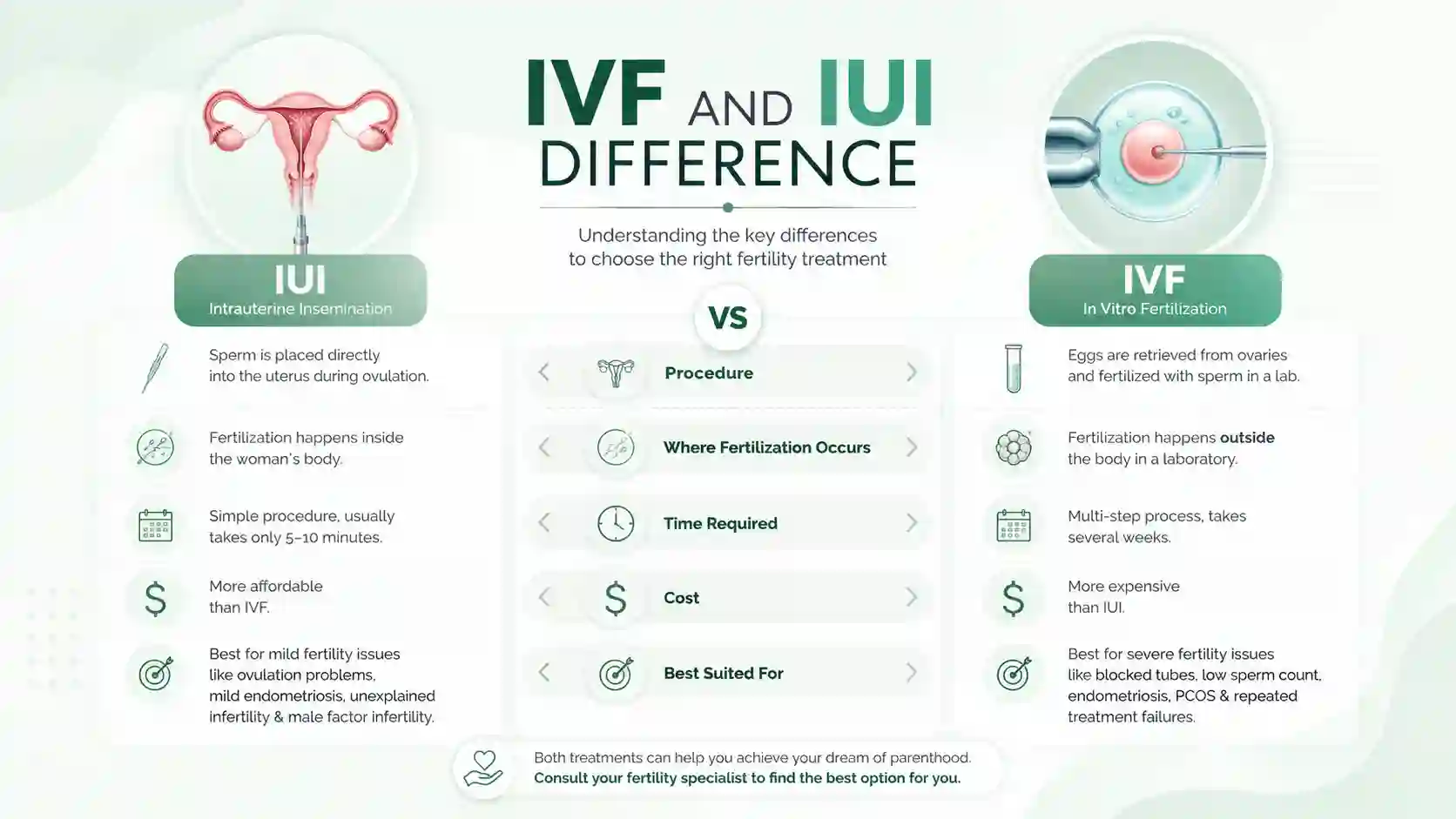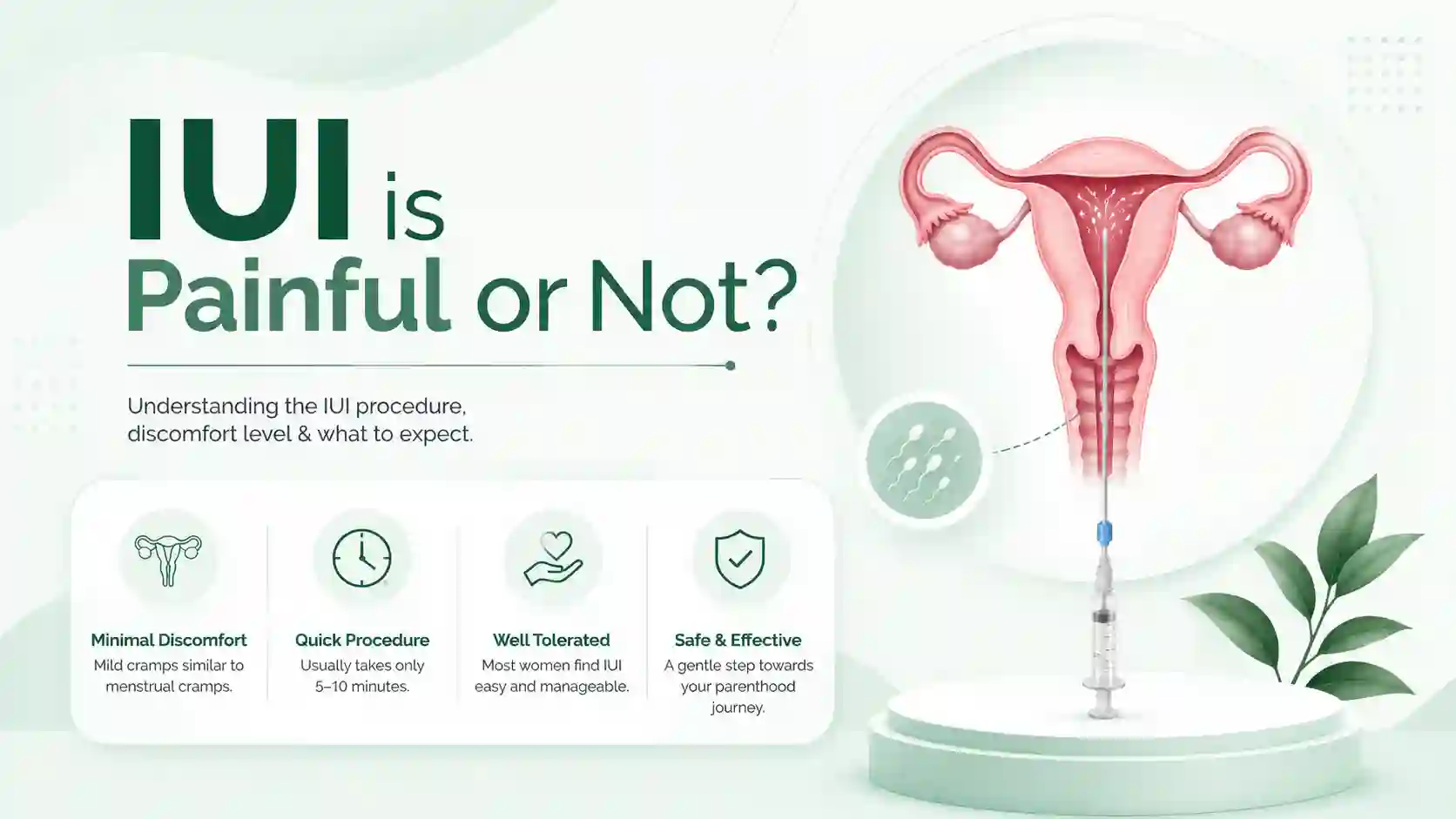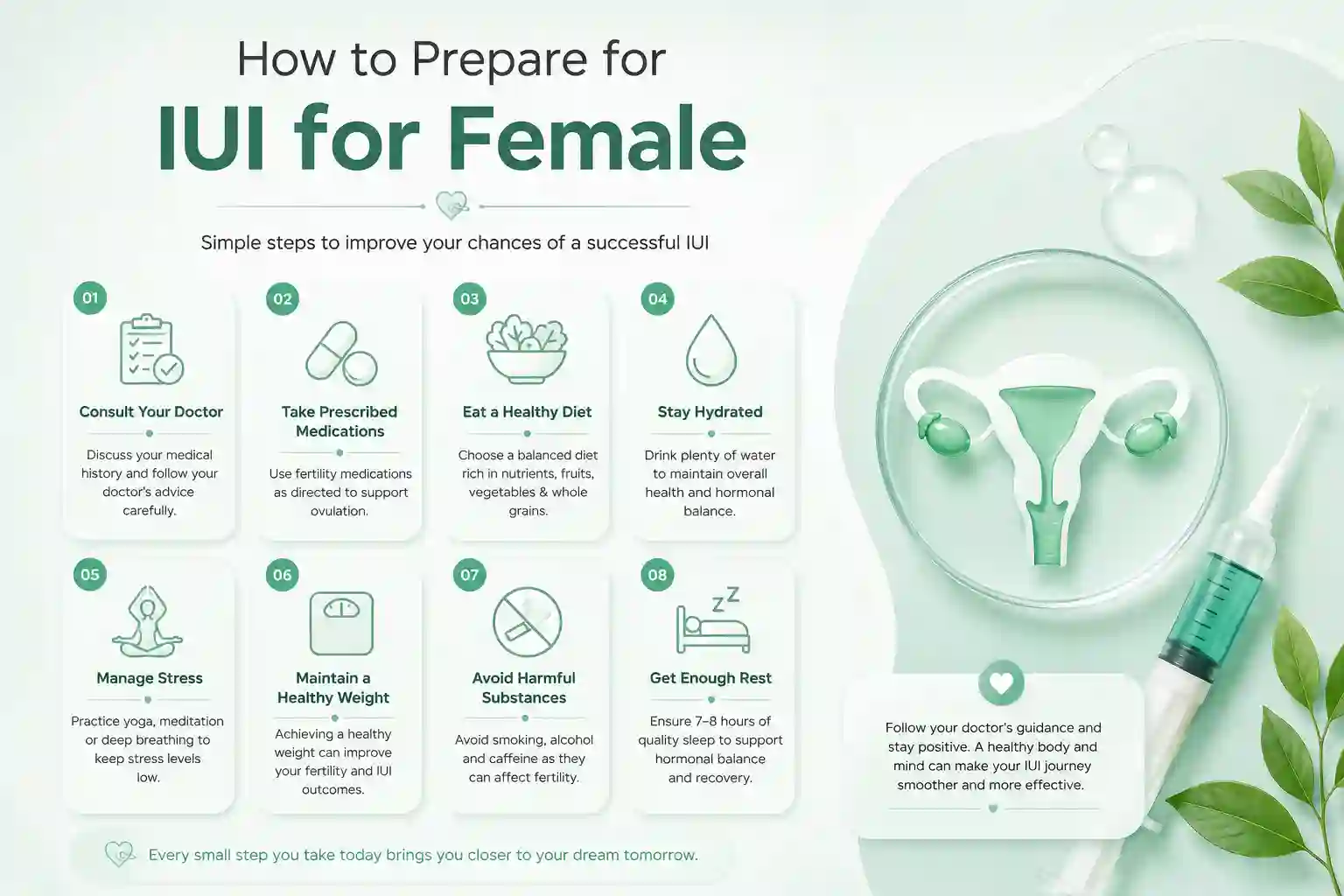
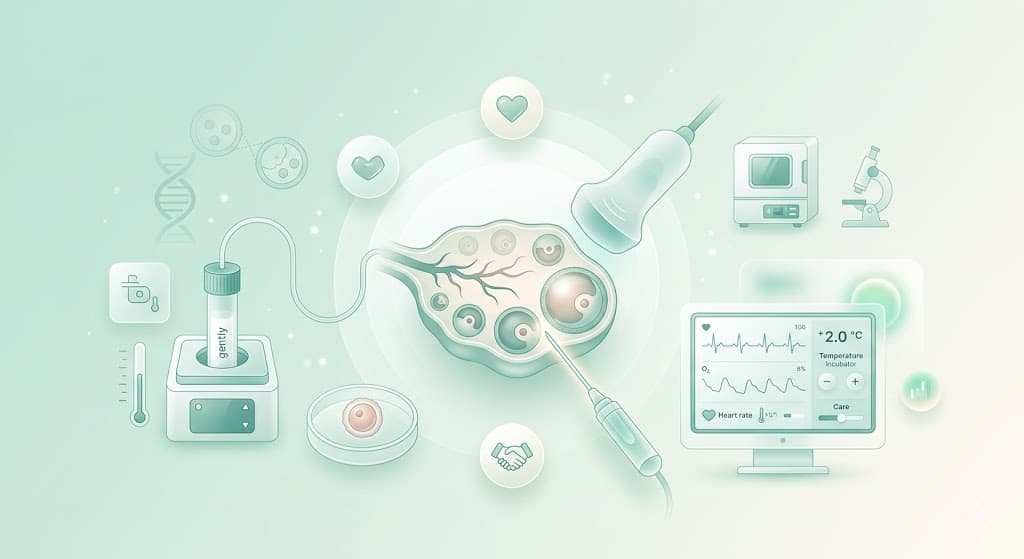
One of the biggest concerns for patients starting fertility treatment is the painful egg retrieval IVF process. Many people worry that egg retrieval will be extremely painful because it involves collecting eggs directly from the ovaries.
The good news is that most patients report that the egg retrieval procedure itself is not painful, because it is usually performed under sedation or anesthesia. However, some discomfort, cramping, bloating, and soreness can occur before and after the procedure.
Understanding what happens during egg retrieval can help reduce anxiety and prepare you for this important step in the IVF journey.
What Is the Painful Egg Retrieval IVF Process?
The term painful egg retrieval IVF process refers to concerns about the egg collection stage of IVF treatment.
Egg retrieval is a minor medical procedure where fertility specialists collect mature eggs from the ovaries after ovarian stimulation.
The procedure is an essential part of IVF because the eggs are needed for fertilization in the laboratory.
Why Is Egg Retrieval Important?
Egg retrieval allows doctors to:
- Collect mature eggs
- Create embryos through IVF
- Perform ICSI if needed
- Freeze eggs or embryos
- Increase the chances of successful fertilization
Without egg retrieval, IVF cannot proceed.
How Does the Egg Retrieval IVF Process Work?
Step 1: Ovarian Stimulation
Patients take fertility injections for approximately:
8–14 days
The medications help multiple eggs mature.
Step 2: Monitoring
Doctors perform:
- Ultrasound scans
- Blood tests
to track follicle growth.
Step 3: Trigger Shot
A trigger injection helps mature the eggs.
Egg retrieval is usually scheduled:
34–36 hours later
Step 4: Sedation or Anesthesia
Most clinics provide:
- Conscious sedation
- Intravenous sedation
- Light anesthesia
This helps ensure patient comfort.
Step 5: Egg Retrieval Procedure
Using ultrasound guidance:
- A thin needle passes through the vaginal wall.
- Follicular fluid containing eggs is collected.
- Eggs are immediately transferred to the laboratory.
Step 6: Recovery
Most patients go home the same day.
Is Egg Retrieval Painful?
During the Procedure
For most patients:
No.
Because sedation or anesthesia is commonly used, many people remember little or nothing about the procedure.
Some patients describe:
- Mild pressure
- Slight pelvic discomfort
but severe pain during retrieval is uncommon.
After the Procedure
Mild to moderate symptoms are more common after egg retrieval.
These may include:
- Cramping
- Bloating
- Pelvic soreness
- Mild spotting
- Fatigue
Most symptoms improve within a few days.
What Does Egg Retrieval Feel Like?
Patient experiences vary.
Common descriptions include:
Mild Menstrual Cramps
Many patients compare recovery discomfort to menstrual cramps.
Fullness or Pressure
The ovaries remain enlarged after stimulation.
Temporary Bloating
Fluid shifts and ovarian enlargement can cause bloating.
Mild Fatigue
Sedation and the procedure itself may cause tiredness.
Benefits of Egg Retrieval in IVF
Although some discomfort is possible, egg retrieval provides important benefits.
Enables Fertilization
Collected eggs can be fertilized in the laboratory.
Creates Multiple Embryo Opportunities
More eggs may result in more embryos.
Supports Fertility Preservation
Eggs can be frozen for future use.
Allows Advanced Fertility Treatments
Procedures such as:
- IVF
- ICSI
- Embryo freezing
- Genetic testing
all depend on successful egg retrieval.
Risks, Side Effects, or Limitations
Most egg retrieval procedures are safe, but potential risks include:
Mild Cramping
Common during the first few days.
Bloating
Often caused by enlarged ovaries.
Spotting
Light vaginal bleeding may occur.
Ovarian Hyperstimulation Syndrome (OHSS)
A small percentage of patients experience excessive ovarian response.
Symptoms may include:
- Significant bloating
- Abdominal pain
- Nausea
- Rapid weight gain
Rare Complications
Although uncommon, risks include:
- Infection
- Bleeding
- Injury to nearby structures
Cost, Timeline, or Recovery
Procedure Duration
Egg retrieval usually takes:
20–30 minutes
Recovery Time
Most patients return home within a few hours.
Return to Normal Activities
Many patients resume normal activities within:
24–48 hours
although strenuous exercise is usually discouraged temporarily.
IVF Timeline Context
| IVF Stage | Duration |
| Ovarian stimulation | 8–14 days |
| Trigger shot | 1 day |
| Egg retrieval | 20–30 minutes |
| Embryo development | 3–5 days |
| Embryo transfer | 1 day |
Factors Affecting Pain Levels
Some patients experience more discomfort than others.
Number of Eggs Retrieved
More follicles may lead to increased post-procedure soreness.
Ovarian Response
Larger ovaries can contribute to bloating.
Individual Pain Tolerance
Pain perception varies from person to person.
Endometriosis or Pelvic Conditions
Existing pelvic conditions may affect recovery experiences.
Emotional & Patient Perspective
Fear of pain is one of the most common concerns before egg retrieval.
Many patients report:
- Anxiety before the procedure
- Relief afterward
- Surprise that discomfort was less than expected
Understanding what to expect can significantly reduce stress.
Remember that fertility teams perform egg retrievals regularly and prioritize patient comfort throughout the process.
Tips for a More Comfortable Recovery
After egg retrieval:
- Rest for the remainder of the day
- Stay hydrated
- Follow your clinic’s instructions
- Avoid intense exercise
- Wear comfortable clothing
- Use approved pain relief if recommended
Contact your clinic if symptoms become severe.
When to Contact Your Fertility Specialist
Seek medical advice if you experience:
- Severe abdominal pain
- Heavy bleeding
- Fever
- Difficulty breathing
- Significant abdominal swelling
- Persistent nausea or vomiting
Prompt evaluation can help identify complications early.
When people search for the painful egg retrieval IVF process, they are often worried about how much discomfort they will experience. Fortunately, most patients find that the procedure itself is not painful because sedation or anesthesia is commonly used.
While mild cramping, bloating, and soreness are normal during recovery, severe pain is uncommon. Understanding the egg retrieval process, following your fertility clinic’s instructions, and knowing what symptoms are expected can help make this important step of IVF feel less intimidating and more manageable.
FAQs About Painful Egg Retrieval IVF Process
Is egg retrieval painful during IVF?
Most patients experience little or no pain during egg retrieval because sedation or anesthesia is usually provided.
How long does egg retrieval take?
The procedure typically takes about 20–30 minutes.
How painful is recovery after egg retrieval?
Most patients experience mild to moderate cramping, bloating, and soreness for a few days.
Can I go home after egg retrieval?
Yes. Most patients return home the same day.
When can I return to work?
Many patients resume normal activities within 24–48 hours, depending on how they feel.
Is bloating normal after egg retrieval?
Yes. Temporary bloating is a common part of recovery.
When should I call my doctor after egg retrieval?
Contact your fertility specialist if you experience severe pain, heavy bleeding, fever, difficulty breathing, or significant abdominal swelling.