If you’re considering fertility treatment, understanding the IVF treatment procedure can help you feel more informed and prepared. IVF (In Vitro Fertilization) is one of the most effective assisted reproductive technologies available today and has helped millions of couples and individuals achieve pregnancy.
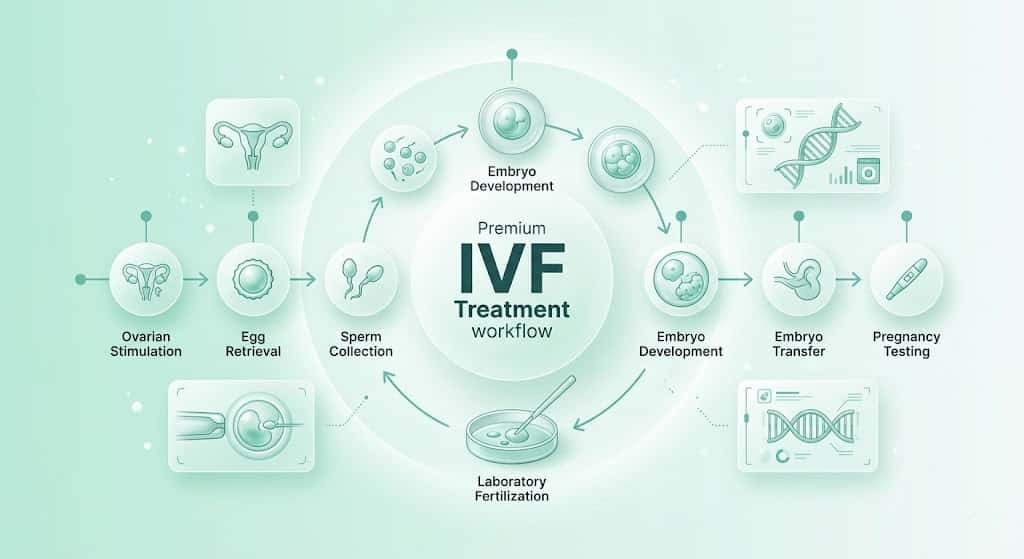
The IVF process involves stimulating the ovaries, collecting eggs, fertilizing them in a laboratory, and transferring an embryo into the uterus. While the procedure may seem complex, it follows a carefully planned series of steps designed to maximize the chances of a successful pregnancy.
What Is the IVF Treatment Procedure?
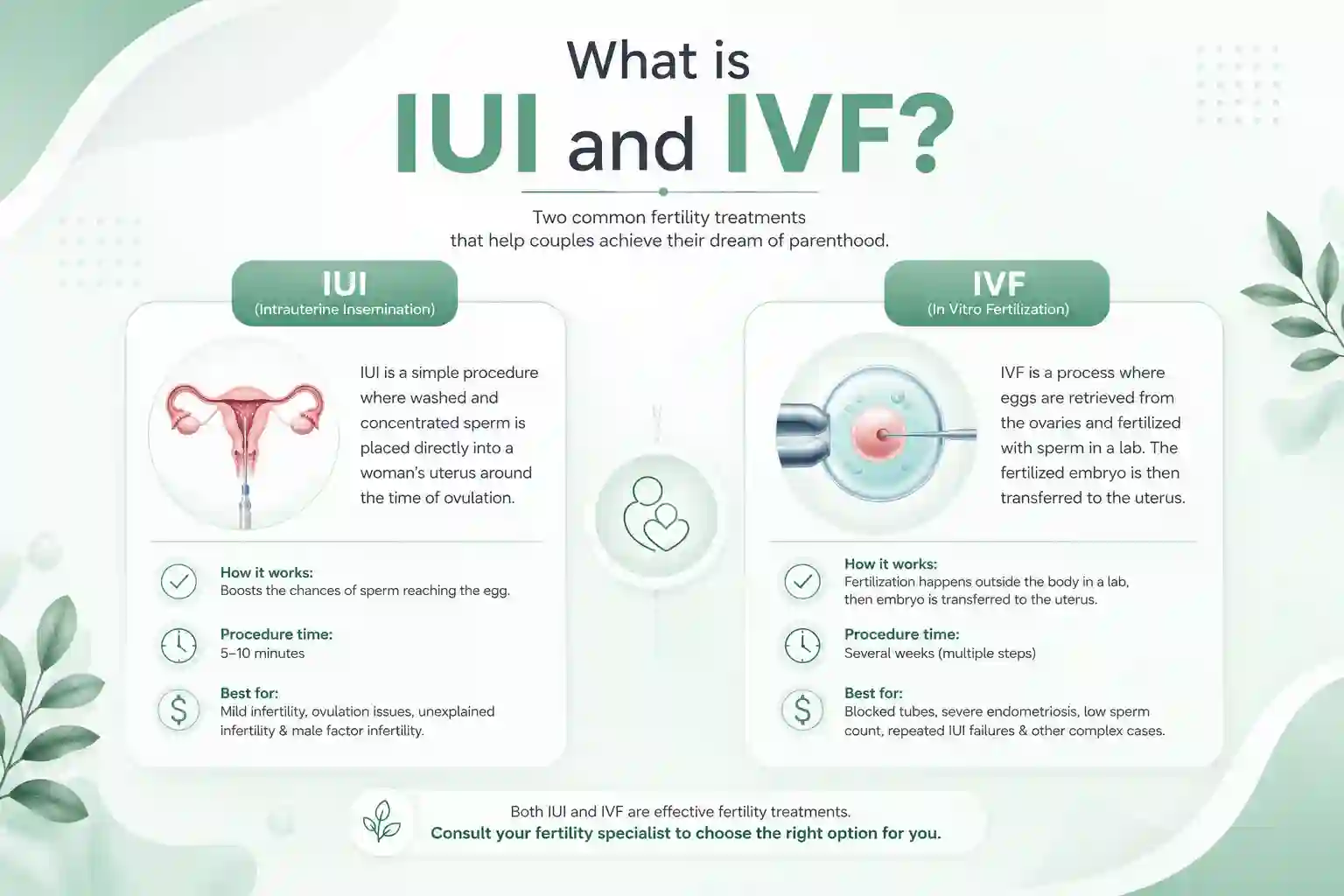
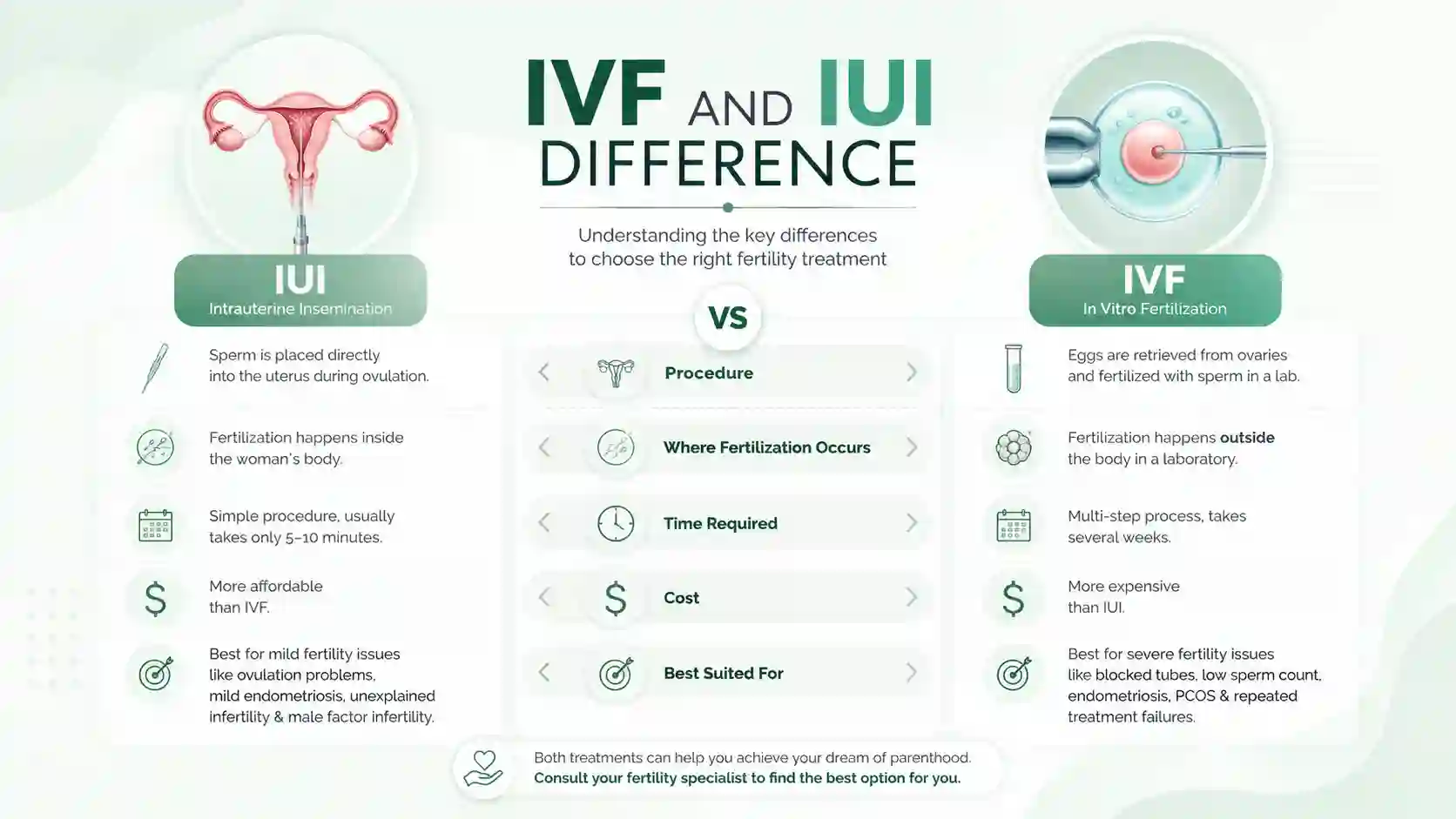
The IVF treatment procedure is a fertility treatment in which fertilization occurs outside the body in a specialized laboratory.
The process typically includes:
- Fertility evaluation
- Ovarian stimulation
- Egg retrieval
- Fertilization
- Embryo development
- Embryo transfer
- Pregnancy testing
IVF may be recommended for various fertility conditions affecting both men and women.
Why Is the IVF Treatment Procedure Important?
IVF can help overcome many causes of infertility, including:
- Blocked fallopian tubes
- Male infertility
- Endometriosis
- Ovulation disorders
- Unexplained infertility
- Age-related fertility decline
For many patients, IVF offers a higher chance of pregnancy than other fertility treatments.
How Does the IVF Treatment Procedure Work?
Step 1: Initial Fertility Consultation
The fertility specialist evaluates:
- Medical history
- Fertility history
- Previous pregnancies
- Lifestyle factors
The goal is to identify the cause of infertility and create a personalized treatment plan.
Step 2: Fertility Testing
Female Fertility Tests
Common tests include:
- Hormone blood tests
- AMH testing
- Ultrasound scans
- Ovarian reserve assessment
Male Fertility Tests
Common tests include:
- Semen analysis
- Hormonal evaluation if needed
These tests help determine the most appropriate IVF protocol.
Step 3: Ovarian Stimulation
One of the most important parts of the IVF treatment procedure is ovarian stimulation.
IVF Injections
Patients take fertility medications for approximately:
8–14 days
The goal is to encourage the ovaries to produce multiple mature eggs.
Monitoring
Doctors monitor progress using:
- Ultrasound scans
- Blood tests
Medication doses may be adjusted based on ovarian response.
Step 4: Trigger Shot
When the follicles reach the desired size, a trigger injection is given.
The trigger shot:
- Finalizes egg maturation
- Prepares the eggs for retrieval
Egg retrieval is typically scheduled:
34–36 hours later
Step 5: Egg Retrieval
Procedure
Egg retrieval is performed under sedation or anesthesia.
Using ultrasound guidance:
- A thin needle collects mature eggs from the ovaries.
Duration
The procedure usually takes:
20–30 minutes
Most patients return home the same day.
Step 6: Sperm Collection
On the day of egg retrieval:
- A sperm sample is collected.
- The sperm is processed in the laboratory.
If needed, surgically retrieved sperm may be used.
Step 7: Fertilization
Conventional IVF
Eggs and sperm are combined in a laboratory dish.
ICSI (Intracytoplasmic Sperm Injection)
A single sperm is injected directly into an egg.
ICSI is often recommended for male infertility.
Step 8: Embryo Development
Embryologists monitor embryo growth carefully.
Culture Period
Embryos typically develop for:
3–5 days
before transfer or freezing.
The laboratory evaluates:
- Cell division
- Embryo quality
- Developmental progress
Step 9: Embryo Transfer
Procedure
A selected embryo is transferred into the uterus using a thin catheter.
The procedure:
- Is generally painless
- Takes only a few minutes
- Does not require surgery
After Transfer
Patients may receive progesterone support to help prepare the uterine lining.
Step 10: Pregnancy Test
Approximately:
9–14 days after embryo transfer
a blood test measures pregnancy hormone levels.
Positive Result
Further blood tests and ultrasound monitoring are scheduled.
Negative Result
The fertility specialist discusses future treatment options.
Benefits of the IVF Treatment Procedure
Helps Overcome Infertility
IVF can address a wide range of fertility challenges.
Higher Pregnancy Potential
For many conditions, IVF offers higher success rates than other fertility treatments.
Fertility Preservation
Eggs and embryos can be frozen for future use.
Advanced Reproductive Options
IVF may include:
- ICSI
- Embryo freezing
- Genetic testing
- Donor egg programs
Risks, Side Effects, or Limitations
Medication Side Effects
Patients may experience:
- Bloating
- Fatigue
- Mood changes
- Breast tenderness
Ovarian Hyperstimulation Syndrome (OHSS)
Rarely, fertility medications may overstimulate the ovaries.
Emotional Stress
The fertility journey can be emotionally challenging.
No Guaranteed Success
Even healthy embryos may not result in pregnancy.
Cost, Timeline, or Success Rate
Typical IVF Timeline
| IVF Stage | Duration |
| Fertility testing | 1–2 weeks |
| Ovarian stimulation | 8–14 days |
| Egg retrieval | 1 day |
| Embryo development | 3–5 days |
| Embryo transfer | 1 day |
| Pregnancy testing | 9–14 days later |
A complete IVF cycle generally takes:
4–8 weeks
Success Rates
Success depends on:
- Female age
- Egg quality
- Embryo quality
- Sperm quality
- Uterine health
Younger patients generally have higher success rates.
Factors Affecting IVF Results
Several factors influence treatment outcomes.
Female Age
Age remains one of the strongest predictors of IVF success.
Embryo Quality
Healthy embryos improve implantation potential.
Uterine Health
A healthy uterine environment supports pregnancy.
Male Fertility
Sperm quality affects fertilization and embryo development.
Lifestyle Factors
Smoking, obesity, excessive alcohol use, and poor sleep habits may affect outcomes.
Emotional & Patient Perspective
The IVF treatment procedure can be both exciting and emotionally demanding.
Patients often experience:
- Hope
- Anticipation
- Anxiety
- Optimism
Understanding each step of the process can help reduce uncertainty and improve confidence throughout treatment.
Support from fertility specialists, counselors, and loved ones can make the journey more manageable.
Tips Before Starting IVF
Before beginning treatment:
- Schedule a fertility evaluation
- Learn about each stage of IVF
- Follow medication instructions carefully
- Attend all monitoring appointments
- Maintain a healthy lifestyle
- Ask questions whenever needed
Being informed can help you feel more prepared for the process.
When to See a Fertility Specialist
Consider consulting a fertility specialist if:
- You have been trying to conceive for over one year
- You are over age 35 and have been trying for six months
- You have irregular menstrual cycles
- You have recurrent miscarriages
- Male infertility concerns exist
- You have known reproductive health conditions
Early evaluation can improve treatment planning and outcomes.
The IVF treatment procedure is a carefully structured fertility treatment designed to help individuals and couples achieve pregnancy when natural conception is difficult. From fertility testing and ovarian stimulation to egg retrieval, embryo transfer, and pregnancy testing, each stage plays an important role in the IVF journey.
Although IVF cannot guarantee pregnancy, it remains one of the most effective fertility treatments available today. Understanding the process, following medical advice, and working closely with an experienced fertility team can help patients approach treatment with greater confidence and realistic expectations.
FAQs About IVF Treatment Procedure
What is the IVF treatment procedure?
IVF is a fertility treatment in which eggs are fertilized with sperm in a laboratory before an embryo is transferred to the uterus.
How long does the IVF treatment procedure take?
A complete IVF cycle usually takes approximately 4–8 weeks.
How many days are IVF injections taken?
Most patients take ovarian stimulation injections for 8–14 days.
Is egg retrieval painful?
Egg retrieval is usually performed under sedation, so most patients experience minimal discomfort during the procedure.
When is the pregnancy test after IVF?
A blood test is typically performed 9–14 days after embryo transfer.
Can IVF help male infertility?
Yes. IVF, especially when combined with ICSI, can help many forms of male infertility.
Does IVF guarantee pregnancy?
No. IVF improves the chances of conception but cannot guarantee a successful pregnancy.