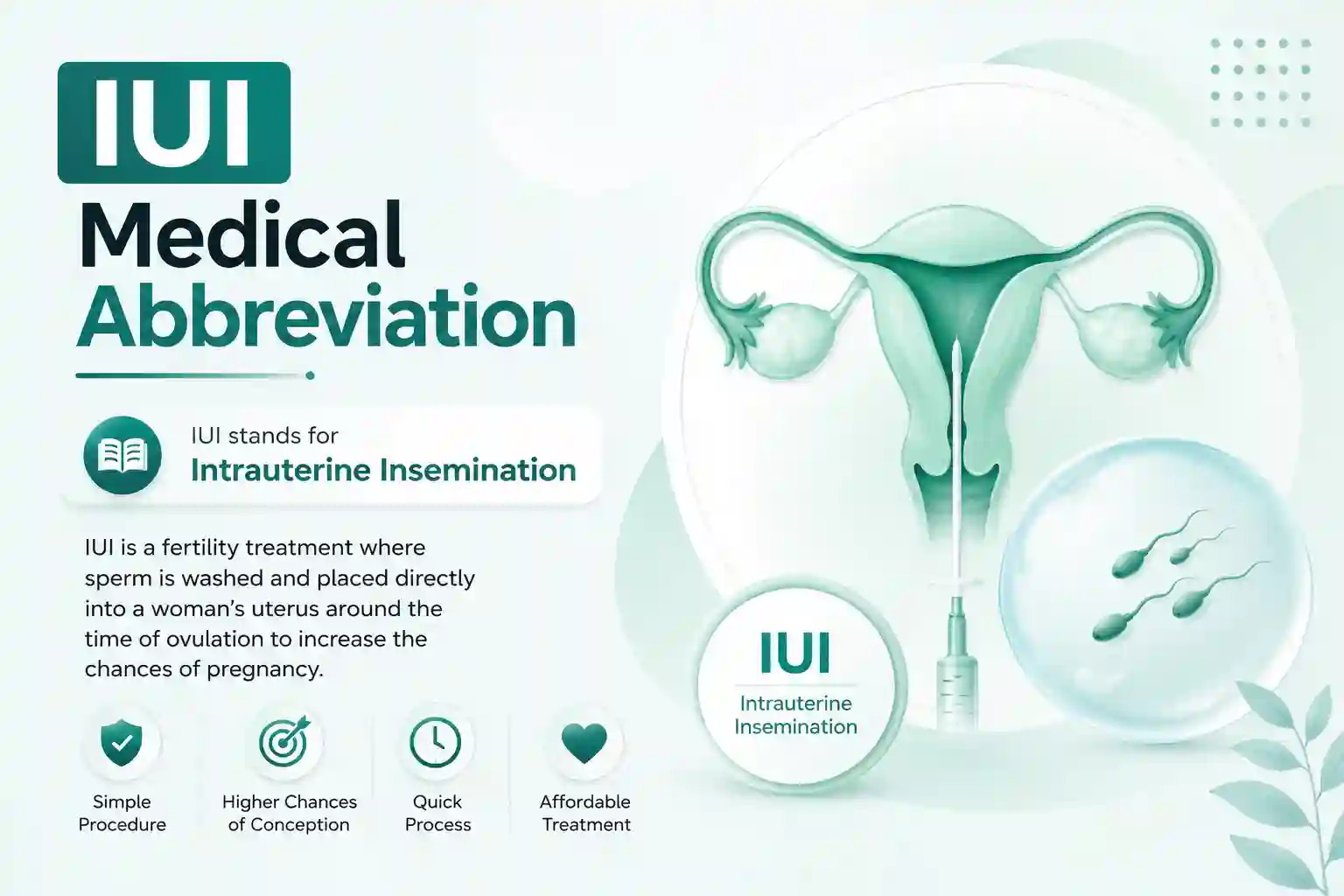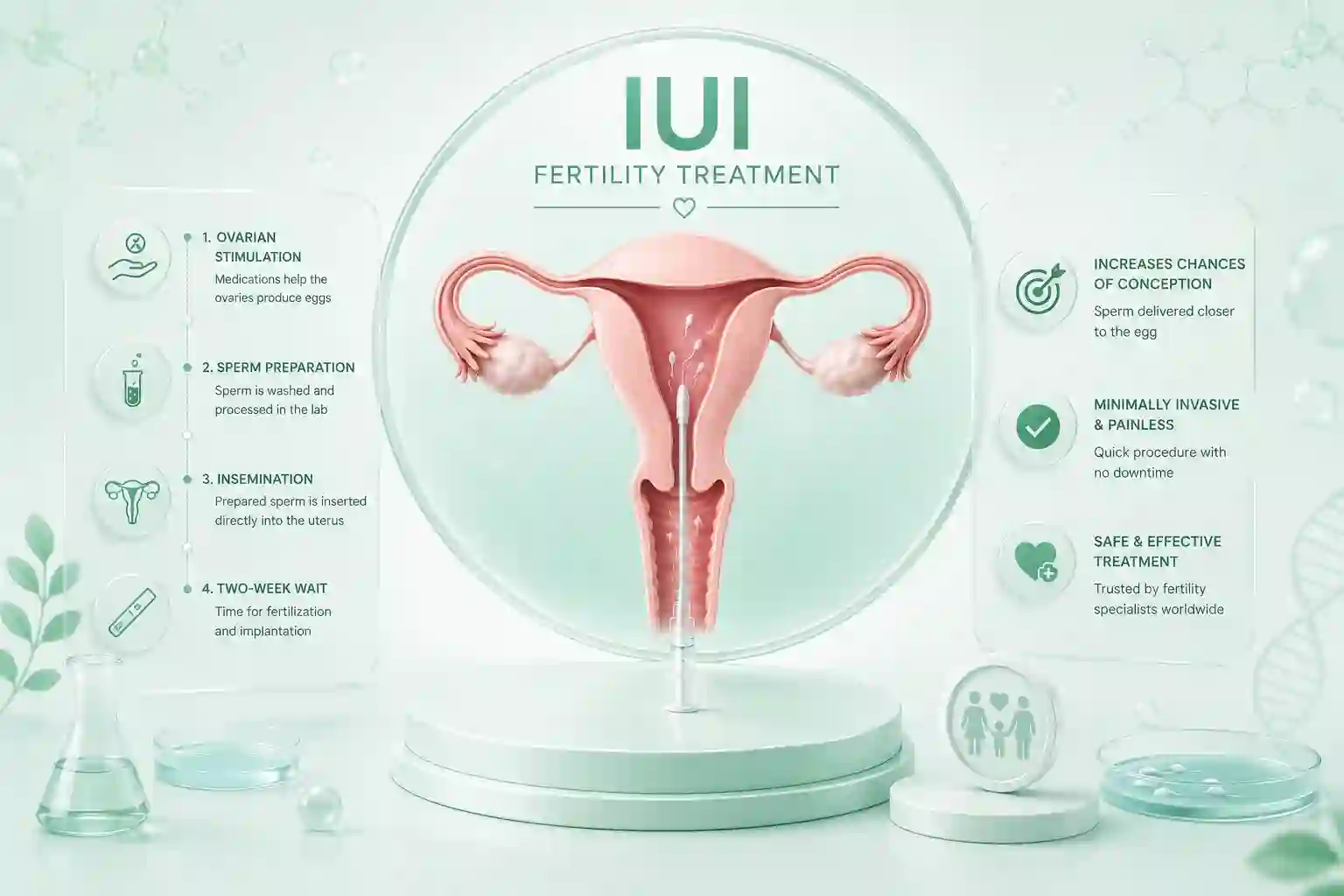
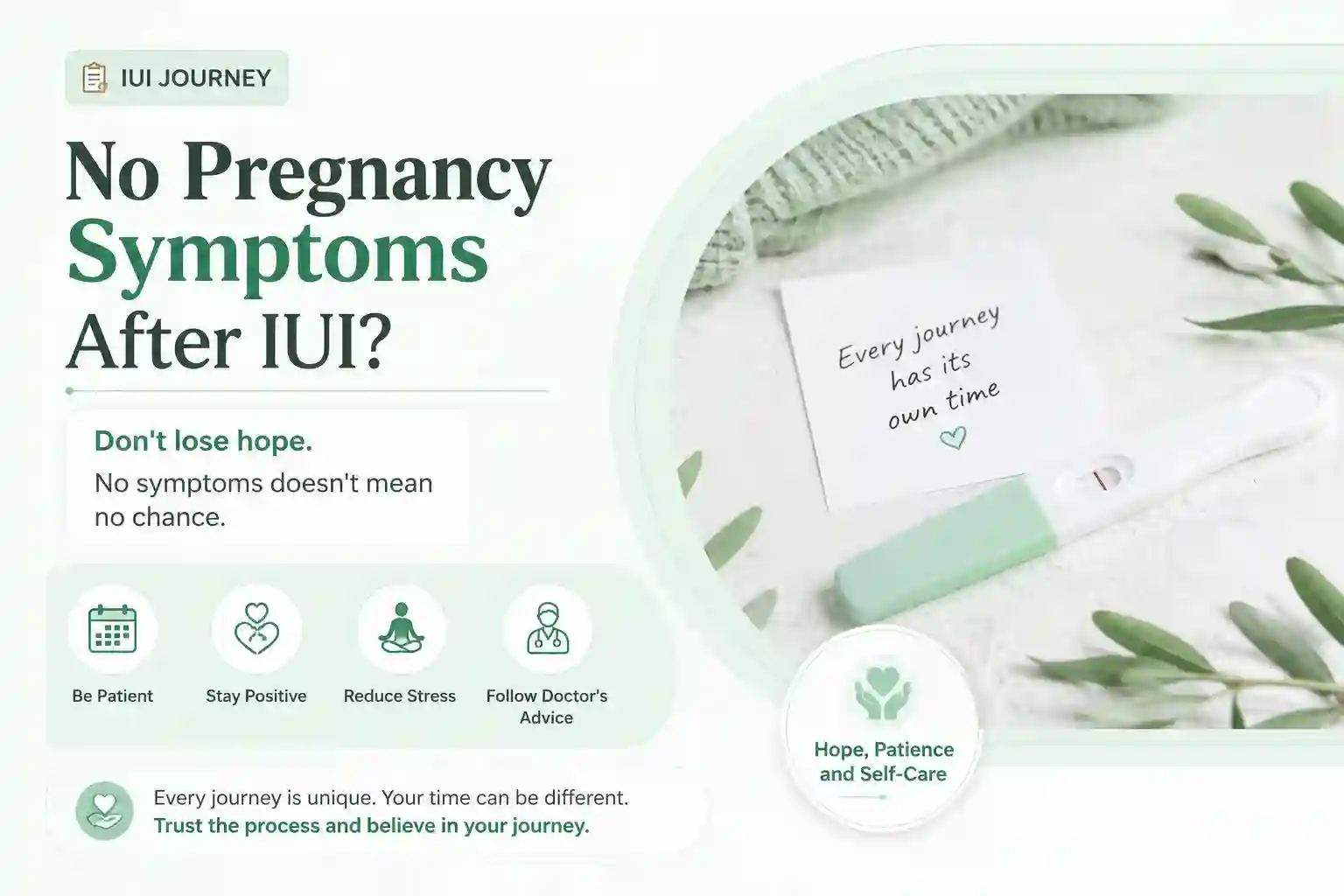
If you’ve had Intrauterine Insemination (IUI) and aren’t experiencing any pregnancy symptoms, you’re not alone. Many people worry that no pregnancy symptoms after IUI means the treatment has failed. However, the absence of symptoms does not necessarily indicate that you are not pregnant.
Some individuals experience early pregnancy symptoms before a positive test, while others have no noticeable symptoms at all and go on to have healthy pregnancies. Early pregnancy affects everyone differently, and symptoms—or the lack of them—are not reliable indicators of whether IUI has been successful.
This guide explains why you may have no pregnancy symptoms after IUI, what to expect during the two-week wait, and when to take a pregnancy test.
Is It Normal to Have No Pregnancy Symptoms After IUI?
Yes. It is completely normal to have no pregnancy symptoms after IUI.
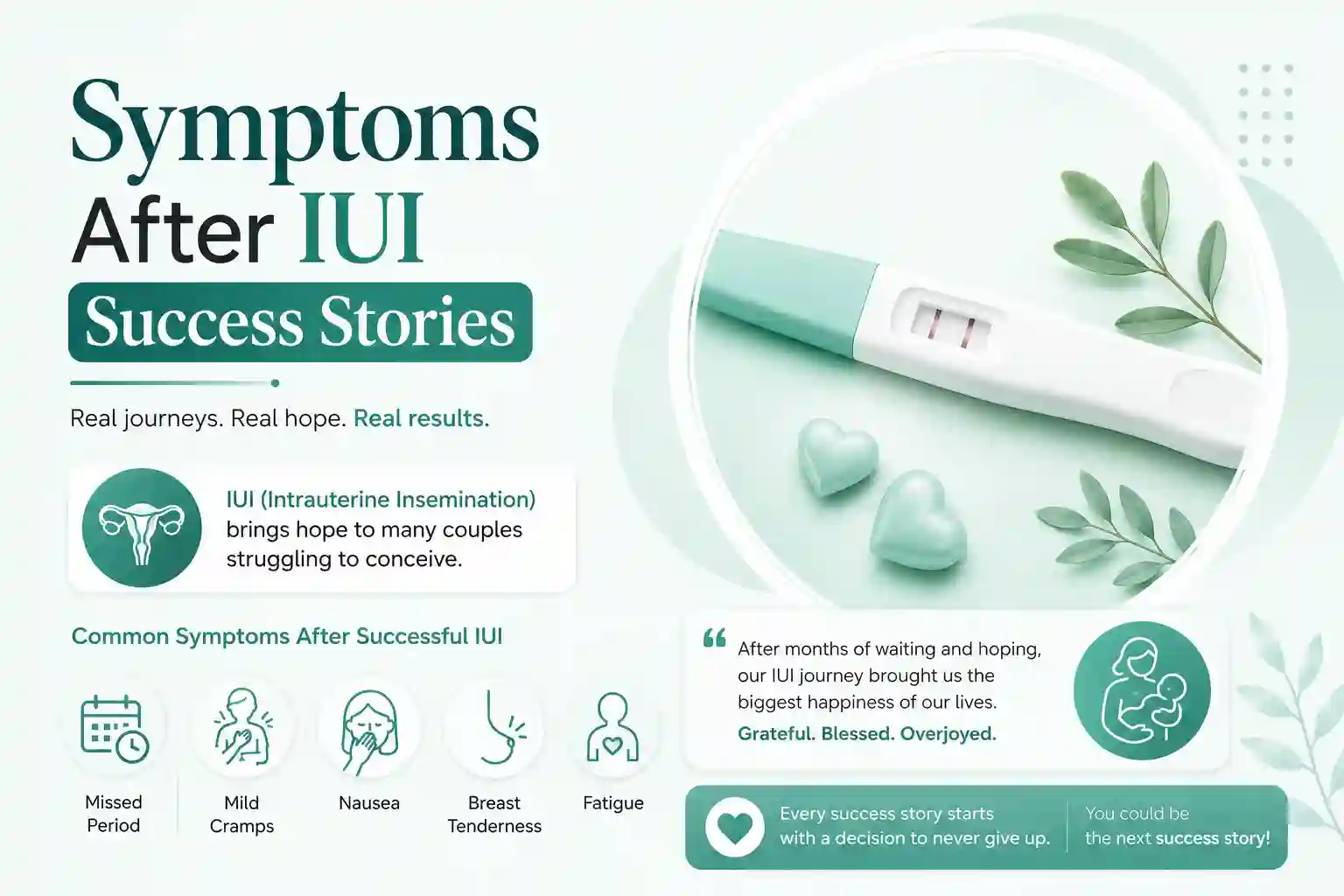
Many successful pregnancies begin without:
- Breast tenderness
- Nausea
- Fatigue
- Cramping
- Spotting
- Food cravings
- Frequent urination
Some people notice symptoms only after their pregnancy test, while others may not experience obvious symptoms until several weeks into pregnancy.
Why Might You Have No Symptoms?
There are several reasons why you may not notice any symptoms after IUI.
Pregnancy Hormones Are Still Low
In the earliest stages of pregnancy, levels of human chorionic gonadotropin (hCG) may still be too low to produce noticeable symptoms.
Every Pregnancy Is Different
Each person’s body responds differently to hormonal changes. Some pregnancies produce noticeable symptoms early, while others do not.
Symptoms Usually Develop Gradually
Many common pregnancy symptoms become more noticeable after a missed menstrual period rather than immediately after implantation.
Fertility Medications Affect Symptoms
Some people taking progesterone experience pregnancy-like symptoms, while others experience very few side effects. Both responses can be completely normal.
Can You Still Be Pregnant Without Symptoms?
Yes.
Many individuals who receive a positive pregnancy test after IUI report that they experienced no symptoms at all during the two-week wait.
The absence of symptoms is not a reliable indicator that implantation did or did not occur.
When Does Implantation Usually Occur?
After IUI, implantation generally occurs about 6–12 days after ovulation or insemination if fertilization has been successful.
Even after implantation, it may take several more days before hormone levels rise enough to cause symptoms.
When Should You Take a Pregnancy Test?
Most fertility clinics recommend waiting approximately 14 days after IUI before taking a pregnancy test.
Testing too early may result in:
- A false-negative result because hCG levels are still low.
- A false-positive result if you recently received an hCG trigger injection.
A beta-hCG blood test performed at your fertility clinic is generally the most accurate way to confirm pregnancy.
Symptoms That Are Not Reliable Signs of Pregnancy
Whether you have symptoms or not, the following are not reliable indicators of pregnancy after IUI:
- Mild cramping
- Bloating
- Breast tenderness
- Fatigue
- Mood changes
- Increased vaginal discharge
These symptoms may be caused by normal hormonal changes, ovulation, menstruation, or fertility medications.
Benefits of Staying Patient During the Two-Week Wait
Understanding that symptoms vary from person to person may help you:
- Reduce unnecessary stress.
- Avoid overanalyzing every physical sensation.
- Set realistic expectations.
- Focus on following your fertility specialist’s instructions.
Risks, Side Effects, or Limitations
It’s important to remember:
- No symptoms do not mean IUI has failed.
- Having symptoms does not confirm pregnancy.
- Every pregnancy is unique.
- Only a pregnancy test can determine whether conception has occurred.
Factors Affecting IUI Success
Several factors influence pregnancy after IUI, including:
Female Age
Egg quality and ovarian reserve generally decline with age.
Ovulation Timing
Proper timing of insemination is essential for successful fertilization.
Sperm Quality
Healthy sperm count, motility, and morphology contribute to pregnancy chances.
Fallopian Tube Health
At least one open fallopian tube is generally necessary because fertilization occurs naturally after IUI.
Underlying Fertility Diagnosis
The cause of infertility significantly influences treatment outcomes.
Emotional & Patient Perspective
The two-week wait after IUI can be emotionally challenging, especially when you are looking for signs that the treatment worked. It’s natural to compare your experience with others, but symptoms vary widely. Some people with successful pregnancies feel completely normal, while others experience several early pregnancy symptoms. Try to remember that your body’s response is unique, and the absence of symptoms does not predict the outcome of your IUI cycle.
Tips During the Two-Week Wait
To support yourself during this period:
- Continue taking prescribed medications.
- Avoid taking repeated pregnancy tests too early.
- Stay hydrated and eat a balanced diet.
- Maintain light daily activities unless advised otherwise.
- Contact your fertility clinic if you experience severe pain or heavy bleeding.
When to See a Fertility Specialist
Seek medical advice promptly if you experience:
- Severe pelvic or abdominal pain.
- Heavy vaginal bleeding.
- Fever or signs of infection.
- Difficulty breathing.
- Symptoms of ovarian hyperstimulation syndrome (OHSS), if applicable.
Having no pregnancy symptoms after IUI is completely normal and does not mean the procedure was unsuccessful. Some people experience early pregnancy symptoms before a positive test, while many others have no noticeable symptoms until weeks later—or throughout early pregnancy. Because symptoms vary so much, they should not be used to determine whether IUI has worked. The most reliable way to know the outcome is to follow your fertility clinic’s recommendation for pregnancy testing, typically with a beta-hCG blood test about 14 days after IUI.
FAQs About No Pregnancy Symptoms After IUI
1. Is it normal to have no pregnancy symptoms after IUI?
Yes. Many people who become pregnant after IUI have no noticeable symptoms during the two-week wait.
2. Can I still be pregnant if I feel completely normal?
Yes. Early pregnancy symptoms vary widely, and some individuals experience very few or no symptoms before receiving a positive pregnancy test.
3. When do pregnancy symptoms usually begin after IUI?
If symptoms develop, they may appear after implantation, which typically occurs about 6–12 days after ovulation or insemination. Many symptoms become more noticeable after a missed period.
4. Does the absence of implantation symptoms mean implantation didn’t happen?
No. Many successful pregnancies occur without implantation cramping, spotting, or other noticeable signs.
5. Can progesterone affect pregnancy symptoms?
Yes. Progesterone supplements may cause symptoms such as breast tenderness, bloating, and fatigue—or in some people, very few symptoms at all.
6. When should I take a pregnancy test after IUI?
Most fertility clinics recommend a beta-hCG blood test about 14 days after IUI or following your healthcare provider’s instructions.
7. Should I worry if I have no symptoms after IUI?
Not necessarily. The absence of symptoms is common and is not a reliable indicator of whether IUI has been successful. If you have concerns or develop severe pain, heavy bleeding, or other unusual symptoms, contact your fertility specialist.