“Joy: The Birth of IVF” refers to the remarkable story behind the development of In Vitro Fertilization (IVF), one of the most significant medical breakthroughs in reproductive medicine. The story follows the scientists, doctors, and patients whose determination led to the birth of the world’s first IVF baby, opening the door to parenthood for millions of families worldwide.
Today, IVF is a widely used fertility treatment, but its journey was filled with scientific challenges, ethical debates, and years of perseverance.
What Is Joy: The Birth of IVF?
Joy: The Birth of IVF tells the story of the pioneering work that led to the successful birth of the first baby conceived through IVF.
The title highlights the hope and happiness that IVF brought to families struggling with infertility.
The story centers around:
- Groundbreaking fertility research
- Early IVF experiments
- The challenges faced by researchers
- The birth of the first IVF baby
- The global impact of IVF treatment
Why Is the Birth of IVF Important?
Before IVF was developed, many couples facing infertility had very limited treatment options.
The success of IVF changed reproductive medicine by helping people with:
- Blocked fallopian tubes
- Male infertility
- Endometriosis
- Ovulation disorders
- Unexplained infertility
Today, millions of children have been born through IVF around the world.
The Story Behind the Birth of IVF
The Vision
Researchers believed it might be possible to fertilize a human egg outside the body and then transfer the resulting embryo into the uterus.
At the time, this idea was considered revolutionary.
The Scientists
Two key pioneers were:
- Robert Edwards
- Patrick Steptoe
Their collaboration helped lay the foundation for modern IVF.
Years of Research
The team spent years studying:
- Human reproduction
- Egg maturation
- Fertilization techniques
- Embryo development
The work required patience, innovation, and persistence.
The Historic Birth
In 1978, the world’s first IVF baby, Louise Brown, was born in the United Kingdom.
This historic event proved that IVF could successfully help people achieve pregnancy.
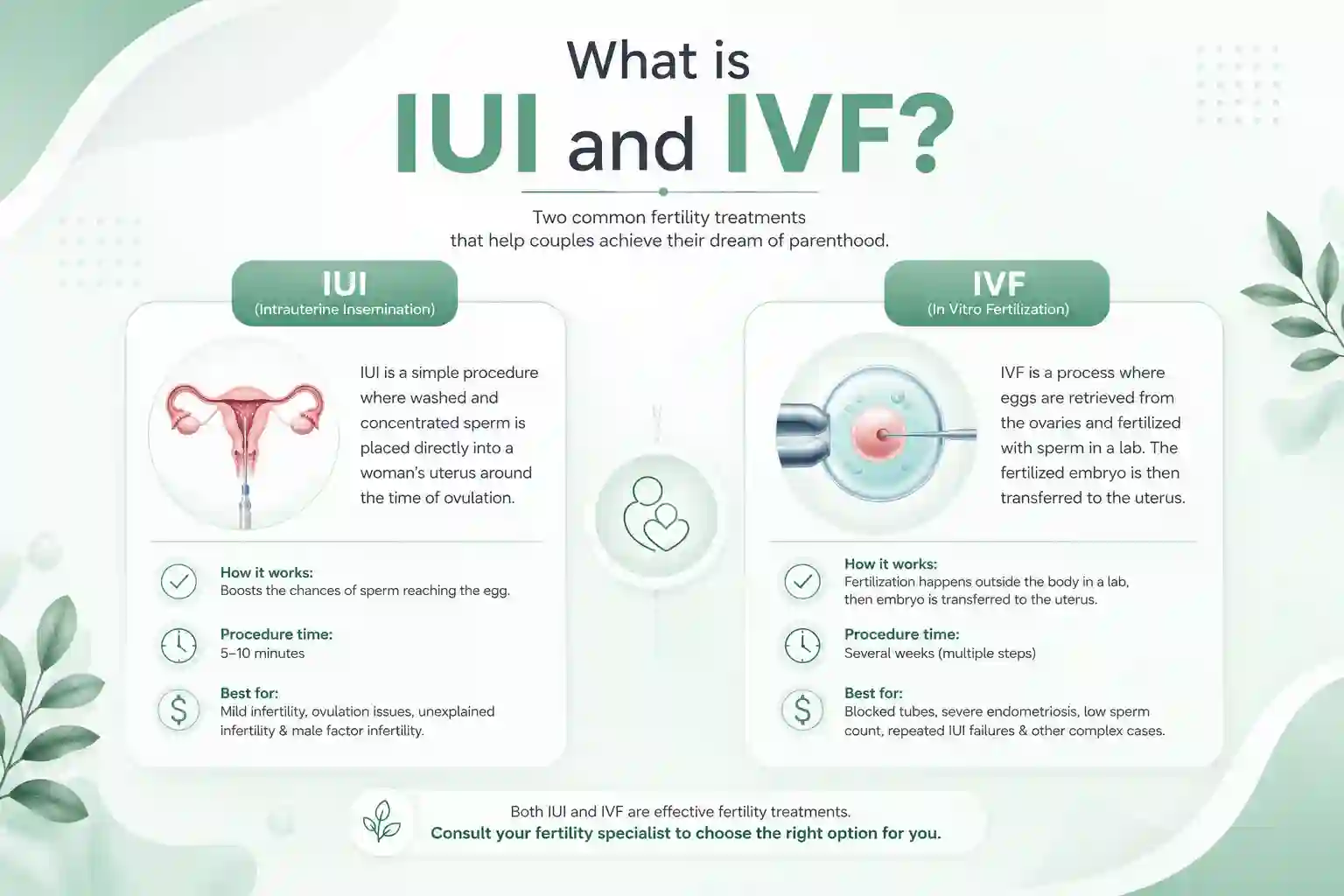
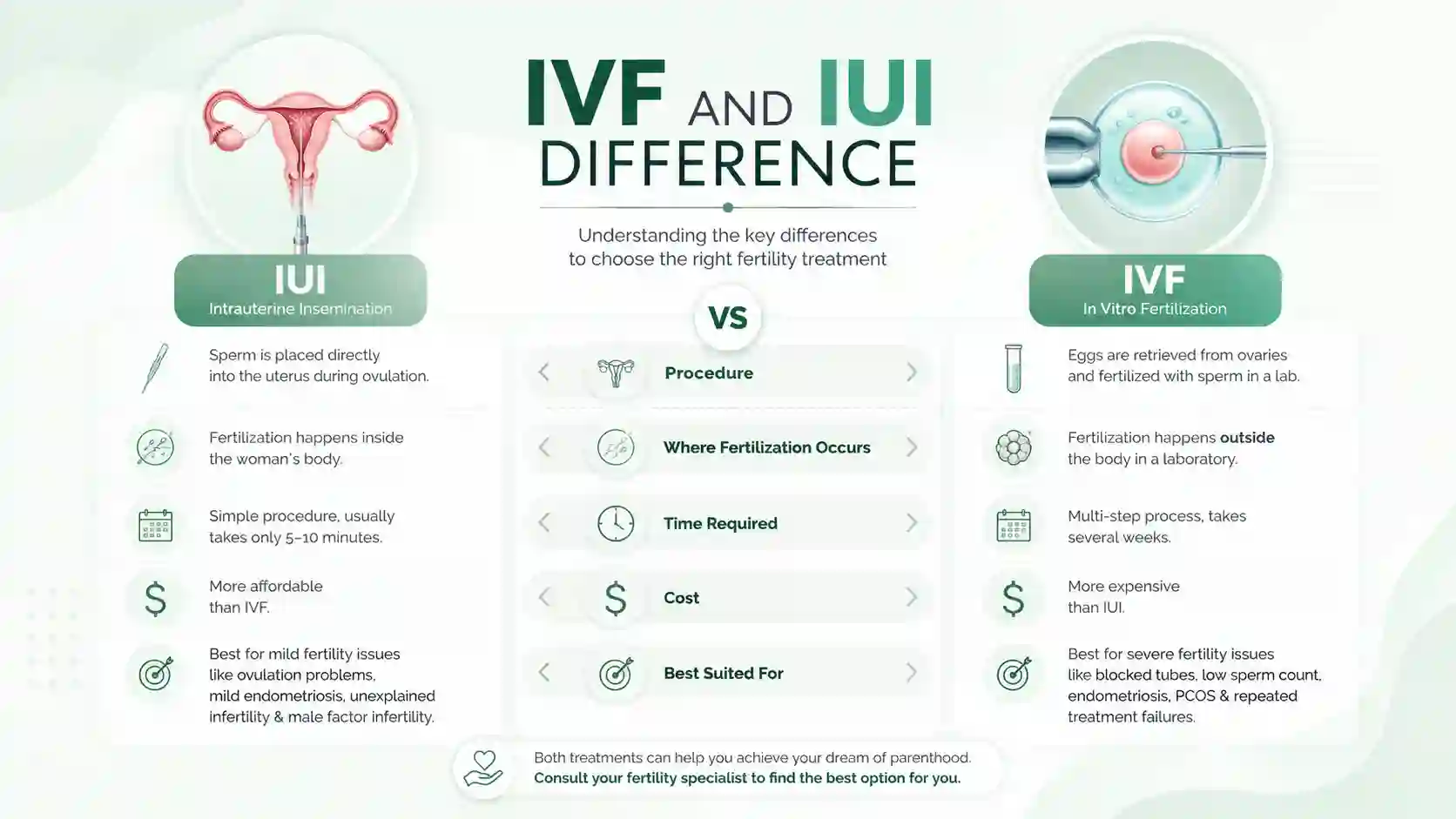
How Does IVF Work Today?
Modern IVF has evolved significantly since the first successful treatment.
Step 1: Ovarian Stimulation
Fertility medications stimulate the ovaries to produce multiple eggs.
Step 2: Egg Retrieval
Doctors collect mature eggs from the ovaries.
Step 3: Fertilization
Eggs and sperm are combined in a specialized laboratory.
Step 4: Embryo Development
Embryos are cultured and monitored for several days.
Step 5: Embryo Transfer
A selected embryo is transferred into the uterus.
Step 6: Pregnancy Test
A blood test confirms whether implantation has occurred.
Benefits of IVF
The birth of IVF transformed fertility treatment worldwide.
Helps Overcome Infertility
IVF can help patients with many fertility conditions.
Supports Family Building
IVF has expanded reproductive options for:
- Couples experiencing infertility
- Same-sex couples
- Single parents by choice
Advanced Reproductive Technology
Modern IVF may include:
- ICSI
- Embryo freezing
- Genetic testing
- Donor egg programs
Fertility Preservation
Eggs and embryos can be stored for future use.
Challenges Faced During the Development of IVF
The path to IVF success was not easy.
Researchers faced:
Scientific Challenges
Many early attempts were unsuccessful.
Ethical Concerns
The concept of fertilizing eggs outside the body raised ethical questions.
Public Skepticism
Some people doubted whether IVF would ever work.
Funding Difficulties
Research support was limited during the early years.
Despite these obstacles, the pioneers continued their work.
The Impact of IVF on Modern Medicine
The success of IVF has influenced many areas of reproductive healthcare.
Millions of Births Worldwide
Millions of babies have been born through IVF since 1978.
New Fertility Technologies
IVF paved the way for:
- ICSI
- Embryo freezing
- Egg freezing
- Preimplantation Genetic Testing (PGT)
Expanded Reproductive Options
Many individuals who once had little chance of pregnancy now have additional opportunities to build families.
Emotional & Patient Perspective
The story behind Joy: The Birth of IVF is ultimately a story about hope.
For many patients, infertility can be emotionally challenging.
IVF offers:
- New possibilities
- Greater reproductive choices
- Hope for future parenthood
The success of IVF continues to impact families around the world every day.
Factors Affecting IVF Success Today
Although IVF has advanced significantly, success still depends on factors such as:
Female Age
Age remains one of the strongest predictors of IVF success.
Egg Quality
Healthy eggs contribute to healthy embryos.
Embryo Quality
Embryo development influences implantation potential.
Uterine Health
A healthy uterus supports pregnancy.
Overall Reproductive Health
Both female and male fertility factors play important roles.
When to See a Fertility Specialist
Consider consulting a fertility specialist if:
- You have been trying to conceive for over one year
- You are over age 35 and have been trying for six months
- You have recurrent miscarriages
- You have known fertility concerns
- Male infertility factors are present
Early evaluation can help identify appropriate treatment options.
Joy: The Birth of IVF represents one of the most important milestones in modern medicine. The development of IVF transformed fertility treatment and created new opportunities for millions of individuals and couples who dream of becoming parents.
From the pioneering work of researchers like Robert Edwards and Patrick Steptoe to the historic birth of Louise Brown, the story of IVF is a powerful reminder of how scientific innovation can change lives. Today, IVF continues to bring hope, joy, and new beginnings to families around the world.
FAQs About Joy: The Birth of IVF
What is Joy: The Birth of IVF?
It refers to the story of how IVF was developed and how it led to the birth of the world’s first IVF baby.
Who was the first IVF baby?
Louise Brown was the world’s first baby born through IVF in 1978.
Who developed IVF?
The pioneers of IVF included Robert Edwards and Patrick Steptoe.
Why is the birth of IVF important?
It created a new fertility treatment option for millions of people experiencing infertility.
How many babies have been born through IVF?
Millions of children worldwide have been born through IVF since the first successful treatment.
Is IVF still widely used today?
Yes. IVF remains one of the most effective fertility treatments available.