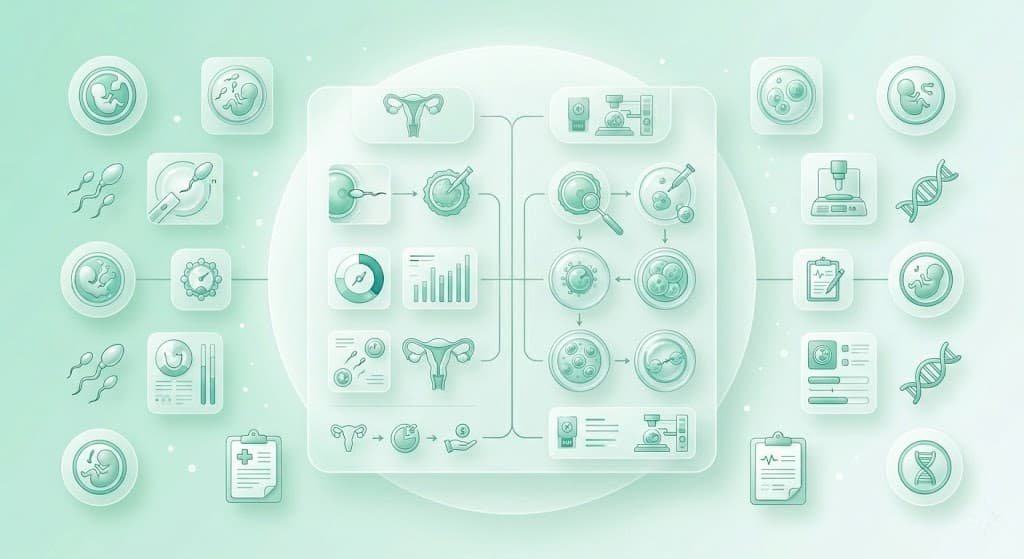
If you’re exploring fertility treatment options, you’ve likely come across IVF and IUI. These are two of the most commonly recommended treatments for couples experiencing difficulty conceiving. While both aim to help achieve pregnancy, they differ significantly in complexity, cost, success rates, and how fertilization occurs.
Understanding the differences between IVF and IUI can help you make informed decisions and have more productive conversations with your fertility specialist.
What Are IVF and IUI?
What Is IUI?
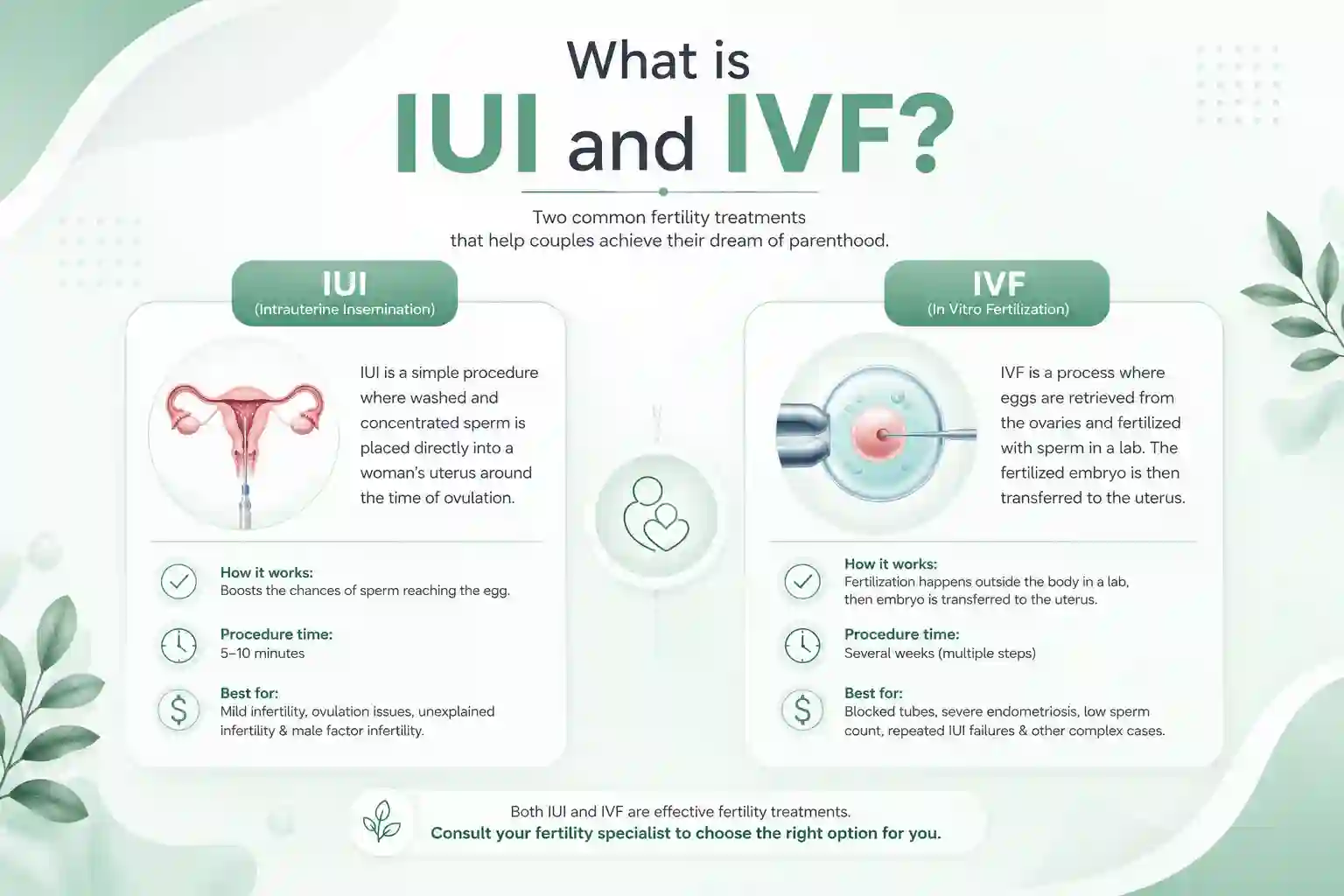
IUI (Intrauterine Insemination) is a fertility treatment where specially prepared sperm is placed directly into the uterus around the time of ovulation.
The goal is to increase the chances of sperm reaching the egg naturally.
With IUI:
- Fertilization occurs inside the body.
- No eggs are removed.
- The procedure is relatively simple and minimally invasive.
What Is IVF?
IVF (In Vitro Fertilization) is a more advanced fertility treatment.
With IVF:
- Eggs are collected from the ovaries.
- Sperm and eggs are combined in a laboratory.
- Fertilization occurs outside the body.
- Embryos are transferred into the uterus.
IVF bypasses several natural barriers to conception and is often recommended for more complex fertility issues.
Why Are IVF and IUI Important?
Both treatments help people overcome infertility, but they are suited to different situations.
They may help individuals and couples facing:
- Ovulation disorders
- Male infertility
- Endometriosis
- Unexplained infertility
- Blocked fallopian tubes
- Age-related fertility decline
Choosing the right treatment depends on the underlying cause of infertility.
How Does IUI Work?
Step 1: Ovulation Monitoring
Doctors track ovulation using:
- Ultrasound scans
- Blood tests
- Ovulation predictor kits
Step 2: Sperm Preparation
The sperm sample is washed and processed to select the healthiest sperm.
Step 3: Insemination
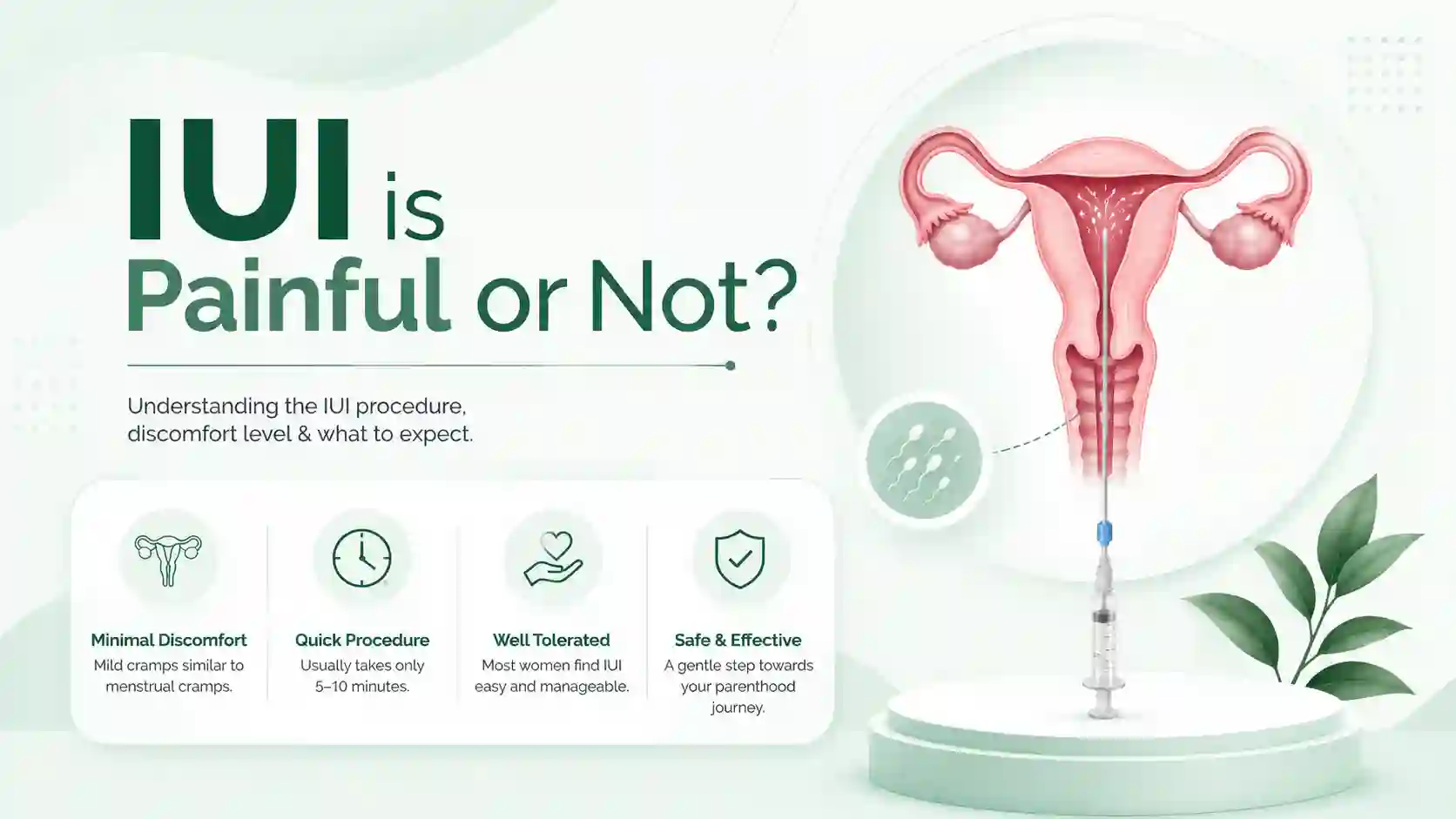
A thin catheter places sperm directly into the uterus.
Step 4: Natural Fertilization
The sperm travels through the reproductive tract to fertilize the egg naturally.
The procedure usually takes only a few minutes.
How Does IVF Work?
Step 1: Ovarian Stimulation
Fertility medications stimulate the ovaries to produce multiple eggs.
Step 2: Egg Retrieval
Doctors collect mature eggs through a minor procedure.
Step 3: Fertilization
Eggs and sperm are combined in a laboratory.
In some cases, ICSI may be used to inject a single sperm into an egg.
Step 4: Embryo Development
Embryos are cultured and monitored for several days.
Step 5: Embryo Transfer
A selected embryo is transferred into the uterus.
Step 6: Pregnancy Testing
A blood test confirms whether implantation and pregnancy have occurred.
IVF and IUI: Key Differences
| Feature | IUI | IVF |
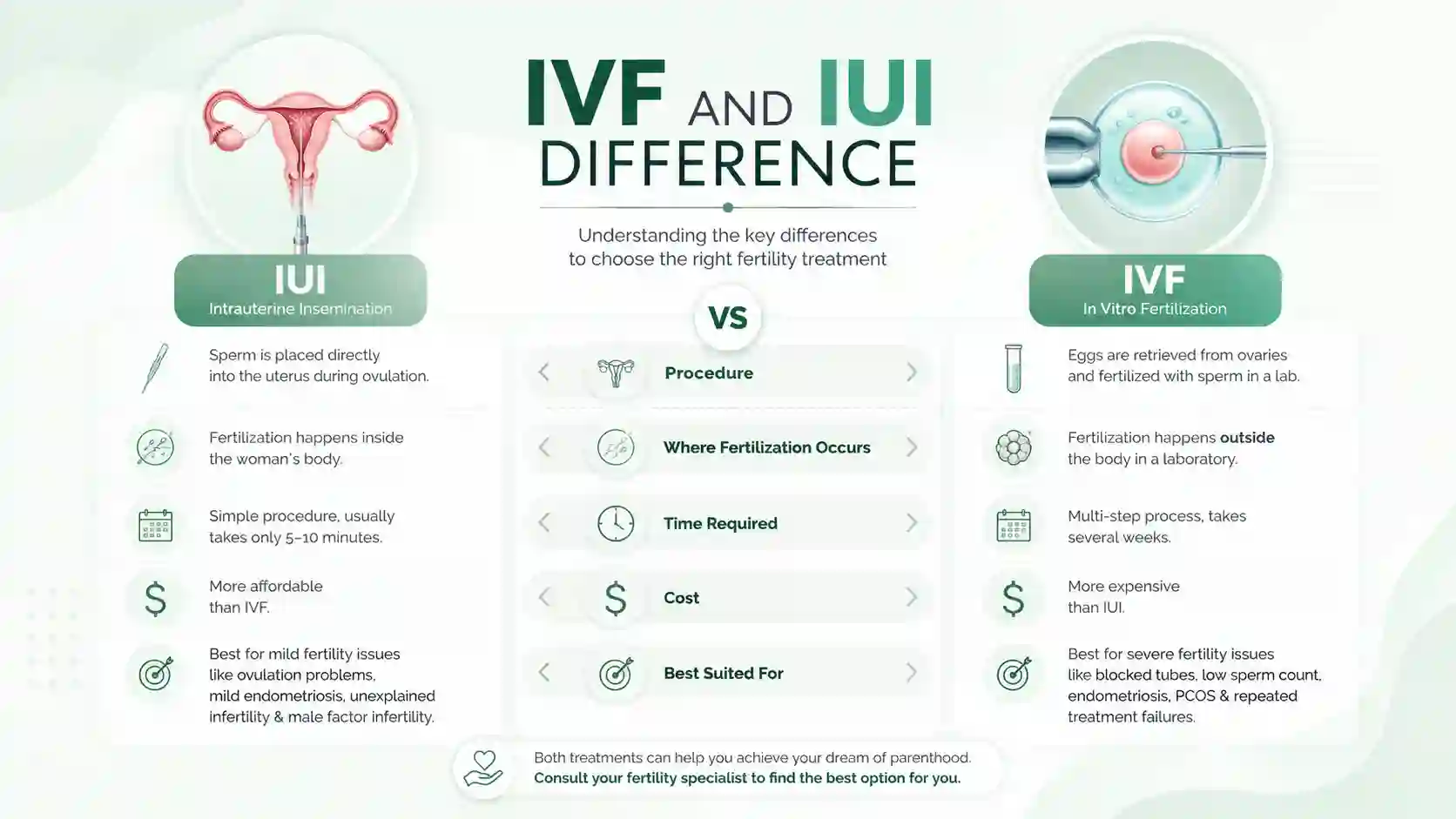
| Fertilization | Inside the body | In the laboratory |
| Egg retrieval | Not required | Required |
| Complexity | Simpler | More advanced |
| Cost | Lower | Higher |
| Success rates | Generally lower | Generally higher |
| Fertility medications | Mild or optional | Usually required |
| Embryo selection | No | Yes |
| Genetic testing | Not available | Available |
Benefits of IUI
Less Invasive
IUI does not require surgery or egg retrieval.
Lower Cost
IUI is generally more affordable than IVF.
Simpler Process
The treatment cycle is shorter and less complex.
Useful for Certain Fertility Conditions
IUI may be helpful for:
- Mild male infertility
- Cervical factor infertility
- Unexplained infertility
- Donor sperm treatment
Benefits of IVF
Higher Success Rates
IVF often provides higher pregnancy rates than IUI, especially in more complex fertility cases.
Effective for Multiple Fertility Problems
IVF may help with:
- Blocked fallopian tubes
- Severe male infertility
- Endometriosis
- Recurrent IVF or IUI failure
Embryo Selection
Doctors can monitor embryo development before transfer.
Genetic Testing Options
IVF allows for preimplantation genetic testing (PGT) when medically appropriate.
Risks, Side Effects, or Limitations
IUI Risks
Potential risks include:
- Mild cramping
- Spotting
- Multiple pregnancy risk if fertility drugs are used
IVF Risks
Potential risks include:
- Ovarian Hyperstimulation Syndrome (OHSS)
- Medication side effects
- Egg retrieval complications
- Emotional stress
Important Limitation
Neither IVF nor IUI guarantees pregnancy.
Cost, Timeline, or Success Rate
IUI Cost
IUI is generally one of the most affordable fertility treatments.
Typical costs depend on:
- Monitoring requirements
- Medication use
- Clinic location
IVF Cost
IVF is more expensive because it includes:
- Medications
- Egg retrieval
- Laboratory fertilization
- Embryo culture
- Embryo transfer
Timeline Comparison
| Treatment | Typical Duration |
| IUI | One menstrual cycle |
| IVF | Approximately 4–8 weeks |
Success Rates
Success depends on:
- Female age
- Fertility diagnosis
- Egg quality
- Sperm quality
- Overall reproductive health
In many situations, IVF offers higher success rates than IUI.
Factors Affecting Results
Female Age
Age significantly affects fertility treatment outcomes.
Sperm Quality
Male fertility plays an important role in both treatments.
Fallopian Tube Health
Blocked tubes often make IVF the preferred option.
Fertility Diagnosis
The cause of infertility helps determine which treatment is most appropriate.
Previous Treatment History
Patients with unsuccessful IUI cycles may eventually be advised to consider IVF.
Emotional & Patient Perspective
Choosing between IVF and IUI can be emotionally challenging.
Patients often think about:
- Treatment costs
- Success rates
- Physical discomfort
- Time commitment
- Emotional stress
Many people begin with IUI because it is less invasive and less expensive. Others may move directly to IVF if their fertility diagnosis suggests a higher chance of success.
Working closely with a fertility specialist can help patients feel more confident about their treatment decisions.
Tips Before Choosing IVF or IUI
Before starting treatment:
- Get a complete fertility evaluation
- Understand your diagnosis
- Ask about age-specific success rates
- Discuss treatment costs
- Review the benefits and limitations of each option
- Consider your long-term family-building goals
Personalized recommendations are usually the most helpful.
When to See a Fertility Specialist
Consider consulting a fertility specialist if:
- You have been trying to conceive for over one year
- You are over age 35 and have been trying for six months
- You have irregular periods
- You have recurrent miscarriages
- Male infertility concerns exist
- You have known reproductive health conditions
Early evaluation can improve treatment planning and outcomes.
Understanding IVF and IUI is essential when exploring fertility treatment options. IUI is a simpler, less invasive, and lower-cost treatment that allows fertilization to occur naturally inside the body. IVF is a more advanced procedure where fertilization takes place in a laboratory and generally offers higher success rates.
The right choice depends on factors such as age, fertility diagnosis, sperm quality, fallopian tube health, treatment goals, and budget. A fertility specialist can help determine which approach offers the best chance of achieving a healthy pregnancy based on your individual circumstances.
FAQs About IVF and IUI
What is the main difference between IVF and IUI?
IUI allows fertilization to occur inside the body, while IVF involves fertilization in a laboratory.
Is IVF more successful than IUI?
In many cases, IVF provides higher pregnancy rates than IUI, especially for more complex fertility conditions.
Is IUI cheaper than IVF?
Yes. IUI is generally less expensive because it is a simpler procedure.
Does IUI require egg retrieval?
No. Egg retrieval is only part of the IVF process.
Can male infertility be treated with IUI?
Mild male infertility may respond to IUI, while severe cases often require IVF with ICSI.
How long does IVF take compared with IUI?
An IUI cycle usually follows one menstrual cycle, while IVF typically takes around 4–8 weeks.