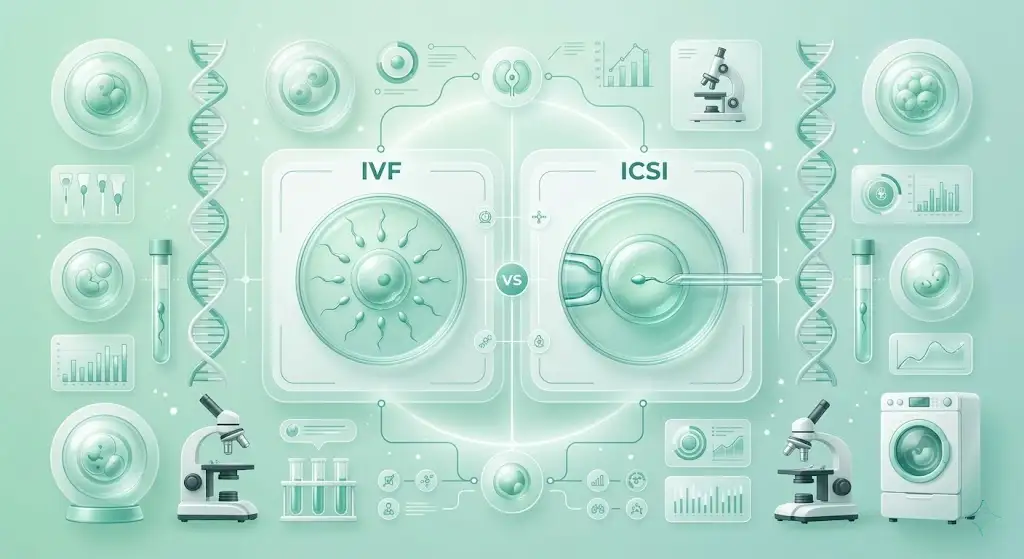
When exploring fertility treatment options, many couples come across the terms IVF and ICSI and wonder whether they are the same thing. Understanding IVF vs ICSI is important because while both treatments aim to help achieve pregnancy, they differ in how fertilization occurs.
In fact, ICSI is not a separate fertility treatment from IVF. Rather, it is a specialized laboratory technique that can be used as part of an IVF cycle, particularly when male infertility factors are present.
This guide explains the differences between IVF and ICSI, their benefits, risks, success rates, and when each approach may be recommended.
What Is IVF vs ICSI?
What Is IVF?
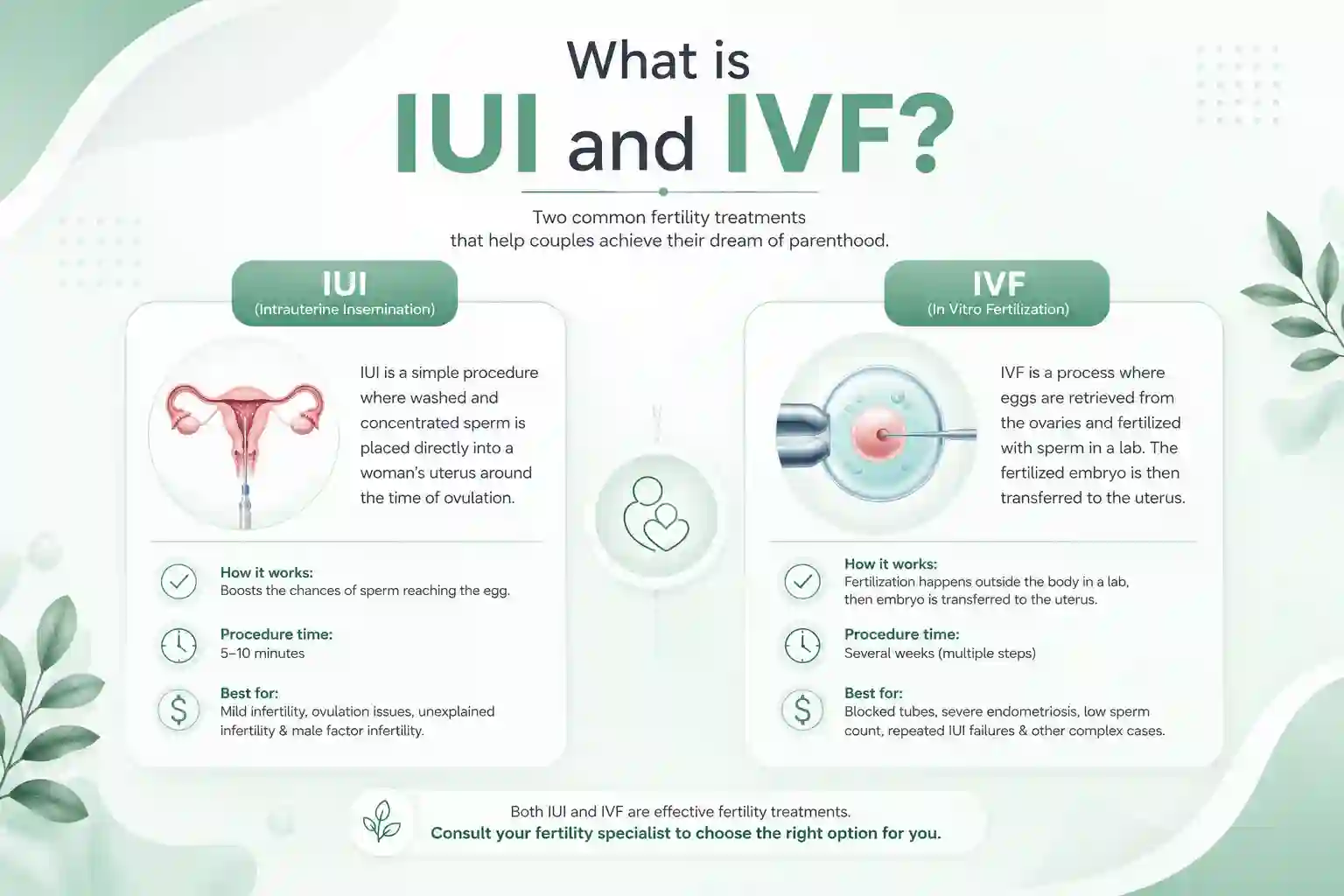
IVF (In Vitro Fertilization) is a fertility treatment where:
- Eggs are retrieved from the ovaries.
- Sperm is collected and prepared.
- Eggs and sperm are combined in a laboratory dish.
- Fertilization occurs naturally in the laboratory.
- Resulting embryos are transferred to the uterus.
In conventional IVF, the sperm must penetrate the egg on its own.
What Is ICSI?
ICSI stands for Intracytoplasmic Sperm Injection.
During ICSI:
- A single healthy sperm is selected.
- The sperm is injected directly into an egg using specialized laboratory equipment.
- Fertilization occurs with direct assistance from the embryologist.
ICSI is performed during an IVF cycle and is considered an advanced fertilization technique.
Why Is Understanding IVF vs ICSI Important?
Knowing the difference helps patients:
- Understand treatment recommendations
- Make informed decisions
- Evaluate treatment costs
- Set realistic expectations
- Better understand fertility diagnoses
The best option depends on the specific cause of infertility.
How Does Conventional IVF Work?
Step 1: Ovarian Stimulation
Fertility medications stimulate the ovaries to produce multiple eggs.
Step 2: Egg Retrieval
Mature eggs are collected from the ovaries.
Step 3: Sperm Preparation
A sperm sample is processed to identify healthy sperm.
Step 4: Fertilization
Thousands of sperm are placed around each egg.
One sperm must naturally penetrate the egg.
Step 5: Embryo Development
Fertilized eggs develop into embryos.
Step 6: Embryo Transfer
A selected embryo is transferred into the uterus.
How Does ICSI Work?
The first stages are identical to IVF.
Ovarian Stimulation
Egg production is stimulated.
Egg Retrieval
Mature eggs are collected.
Sperm Collection
Sperm is obtained and processed.
Microscopic Sperm Injection
Instead of allowing sperm to fertilize the egg naturally:
- An embryologist selects a single sperm.
- The sperm is injected directly into the egg.
Embryo Development
Embryos are monitored and cultured.
Embryo Transfer
A healthy embryo is transferred to the uterus.
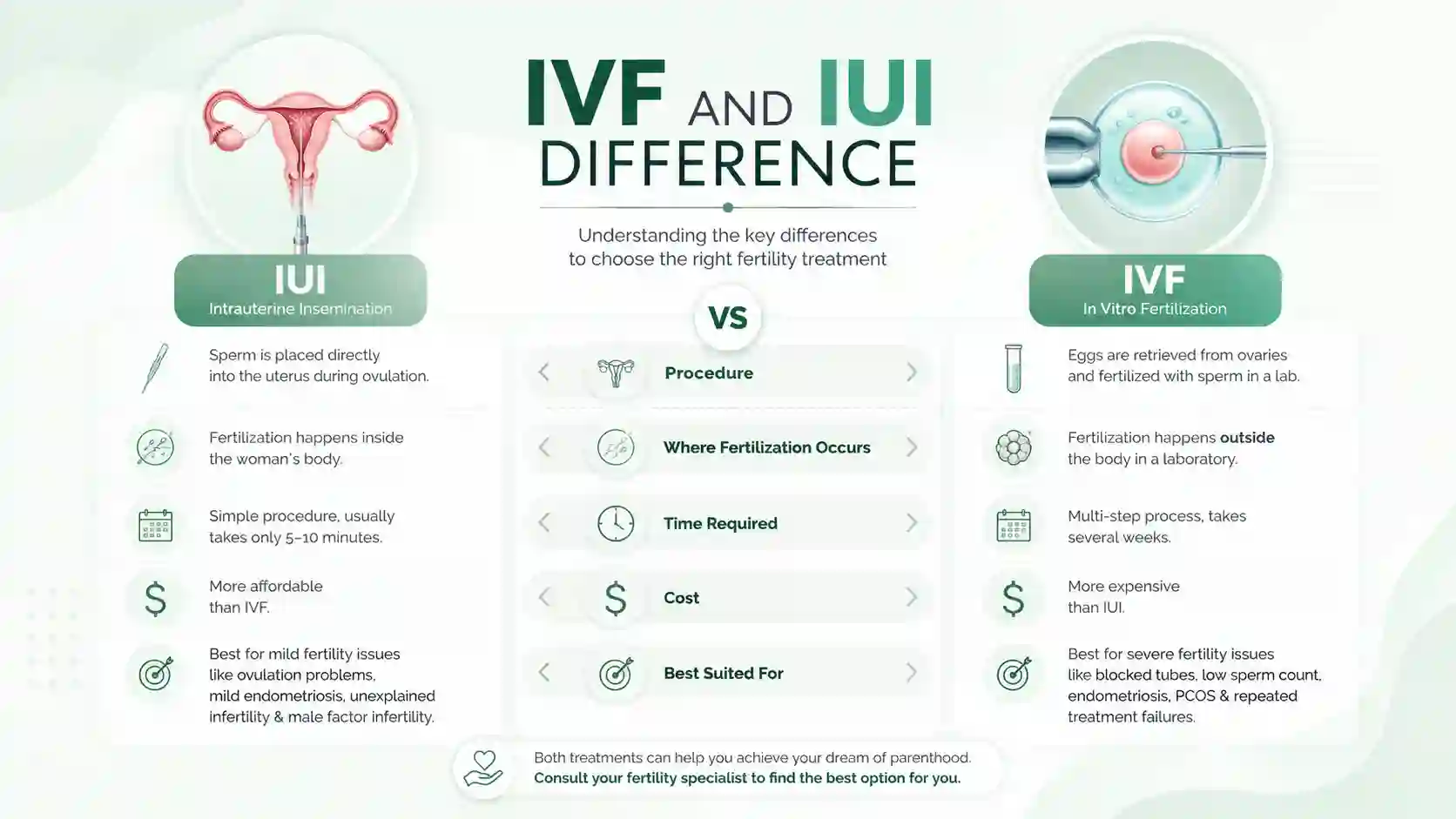
IVF vs ICSI: Side-by-Side Comparison
|
Feature |
IVF |
ICSI |
|
Fertilization Method |
Natural fertilization in lab |
Direct sperm injection |
|
Number of Sperm Used |
Thousands per egg |
One sperm per egg |
|
Male Infertility Treatment |
Limited |
Highly effective |
|
Laboratory Complexity |
Lower |
Higher |
|
Cost |
Lower |
Higher |
|
Embryologist Intervention |
Minimal |
Significant |
|
Fertilization Assistance |
No |
Yes |
When Is IVF Recommended?
Conventional IVF may be recommended for:
- Blocked fallopian tubes
- Ovulation disorders
- Endometriosis
- Unexplained infertility
- Mild male factor infertility
When sperm quality is reasonably good, conventional IVF often works well.
When Is ICSI Recommended?
ICSI is commonly recommended for:
Low Sperm Count
When sperm numbers are significantly reduced.
Poor Sperm Motility
When sperm struggle to swim effectively.
Abnormal Sperm Morphology
When sperm shape affects fertilization potential.
Previous IVF Fertilization Failure
When eggs failed to fertilize during a prior IVF cycle.
Surgically Retrieved Sperm
When sperm are obtained directly from the testicles or reproductive tract.
Benefits of IVF
More Natural Fertilization Process
Sperm fertilize the egg without direct manipulation.
Lower Cost
IVF is generally less expensive than IVF with ICSI.
Effective for Many Infertility Conditions
Many couples achieve pregnancy successfully through conventional IVF.
Benefits of ICSI
Helps Severe Male Infertility
ICSI can overcome many sperm-related fertility challenges.
Improves Fertilization Chances
Direct sperm injection may increase fertilization when sperm quality is poor.
Useful After Previous Fertilization Failure
ICSI can be valuable when conventional IVF has not produced fertilized eggs.
Risks, Side Effects, or Limitations
IVF Risks
Potential risks include:
- Fertilization failure
- Medication side effects
- Emotional stress
ICSI Risks
Potential considerations include:
- Additional laboratory manipulation
- Higher treatment cost
- Not every injected egg fertilizes successfully
Important Limitation
Neither IVF nor ICSI guarantees pregnancy.
Cost, Timeline, or Success Rate
IVF Cost
A standard IVF cycle in India typically ranges from:
₹1,00,000 – ₹2,50,000
IVF with ICSI Cost
IVF plus ICSI generally ranges from:
₹1,50,000 – ₹4,00,000+
depending on clinic and treatment complexity.
Timeline
Both IVF and ICSI follow a similar timeline:
|
Stage |
Duration |
|
Stimulation |
8–14 days |
|
Egg retrieval |
1 day |
|
Fertilization |
Same day |
|
Embryo development |
3–5 days |
|
Pregnancy test |
9–14 days after transfer |
Total treatment duration is usually 4–8 weeks.
Success Rates
Success depends on:
- Female age
- Egg quality
- Embryo quality
- Uterine health
- Fertility diagnosis
ICSI often improves fertilization rates in severe male infertility cases, but overall pregnancy success still depends on multiple factors.
Factors Affecting Results
Female Age
Age significantly affects egg quality and embryo development.
Sperm Quality
Male fertility factors often determine whether ICSI is recommended.
Embryo Quality
Healthy embryos have higher implantation potential.
Laboratory Expertise
Embryologist experience is particularly important during ICSI procedures.
Underlying Fertility Conditions
Different diagnoses may respond differently to treatment.
Emotional & Patient Perspective
Many patients feel confused when doctors recommend ICSI after discussing IVF.
It’s important to remember:
- ICSI is not necessarily a sign of severe infertility.
- It is often used to maximize fertilization chances.
- Many successful pregnancies result from both IVF and ICSI.
Patients should feel comfortable discussing treatment recommendations with their fertility specialist and asking questions about why a particular approach is being suggested.
Tips Before Choosing IVF or ICSI
Before starting treatment:
- Ask why your doctor recommends IVF or ICSI.
- Review sperm analysis results carefully.
- Discuss previous fertility treatment outcomes.
- Understand the additional cost of ICSI.
- Ask about clinic fertilization rates.
Personalized treatment decisions usually provide the best outcomes.
When to See a Fertility Specialist
Consider consulting a fertility specialist if:
- You have been trying to conceive for over one year
- You are over age 35 and have been trying for six months
- You have irregular periods
- You have recurrent miscarriages
- Male infertility concerns exist
- You have known fertility conditions
Early evaluation can help identify the most appropriate fertility treatment.
When comparing IVF vs ICSI, it is important to understand that ICSI is a specialized fertilization technique used during an IVF cycle. Conventional IVF allows sperm to fertilize the egg naturally in the laboratory, while ICSI involves the direct injection of a single sperm into an egg.
IVF is often suitable for many infertility conditions, while ICSI is particularly valuable in cases involving male infertility or previous fertilization failure. The best option depends on individual fertility factors, sperm quality, egg quality, and medical history. A fertility specialist can help determine which approach offers the greatest chance of success.
FAQs About IVF vs ICSI
What is the main difference between IVF and ICSI?
In IVF, sperm fertilizes the egg naturally in the laboratory. In ICSI, a single sperm is injected directly into the egg.
Is ICSI better than IVF?
Not necessarily. ICSI is most beneficial when male infertility factors or fertilization problems are present.
Does ICSI increase pregnancy rates?
ICSI often improves fertilization rates in severe male infertility cases, but overall pregnancy outcomes depend on many factors.
Why would a doctor recommend ICSI?
ICSI may be recommended for low sperm count, poor sperm motility, abnormal sperm morphology, or previous IVF fertilization failure.
Is ICSI more expensive than IVF?
Yes. ICSI usually adds additional laboratory costs to a standard IVF cycle.