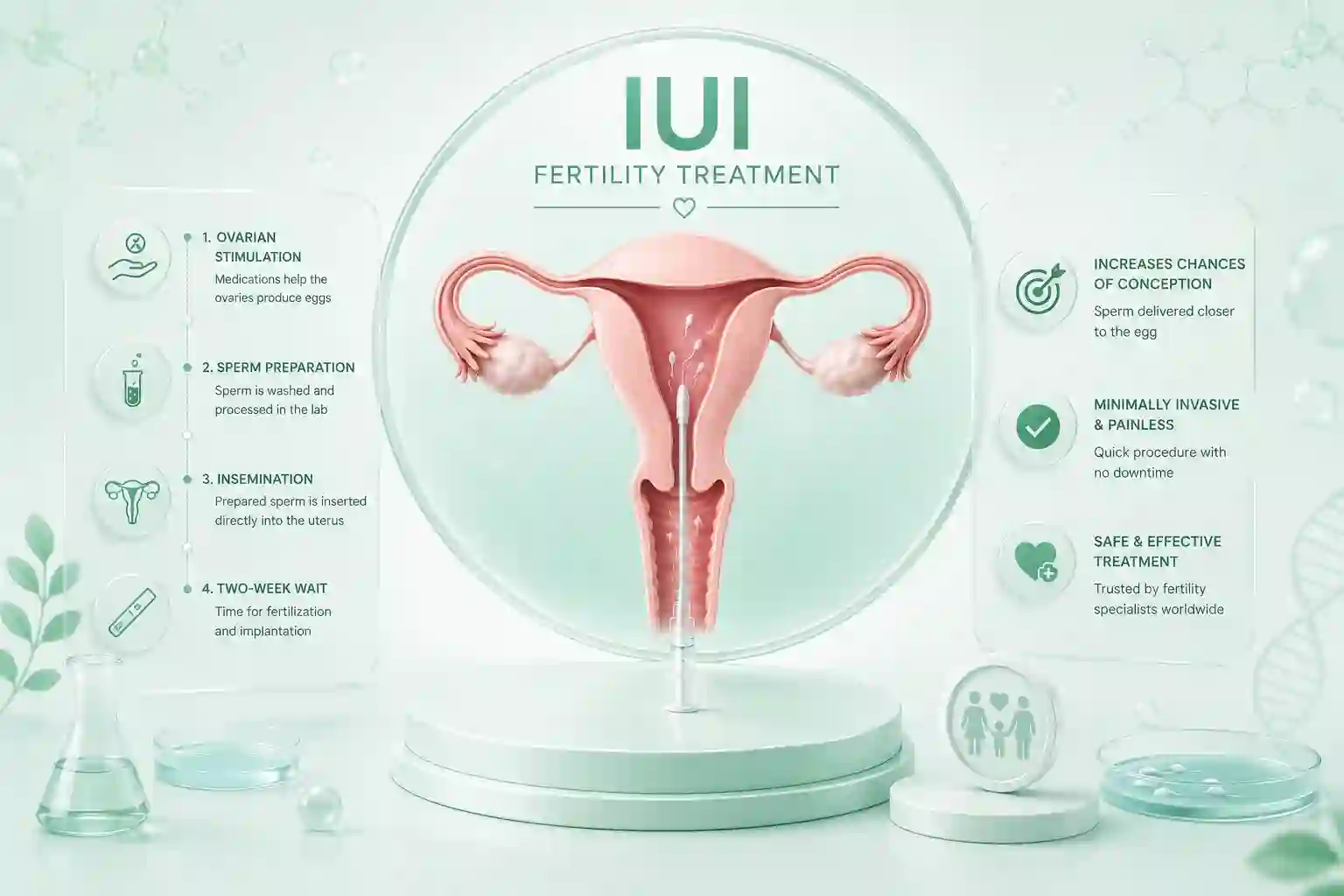
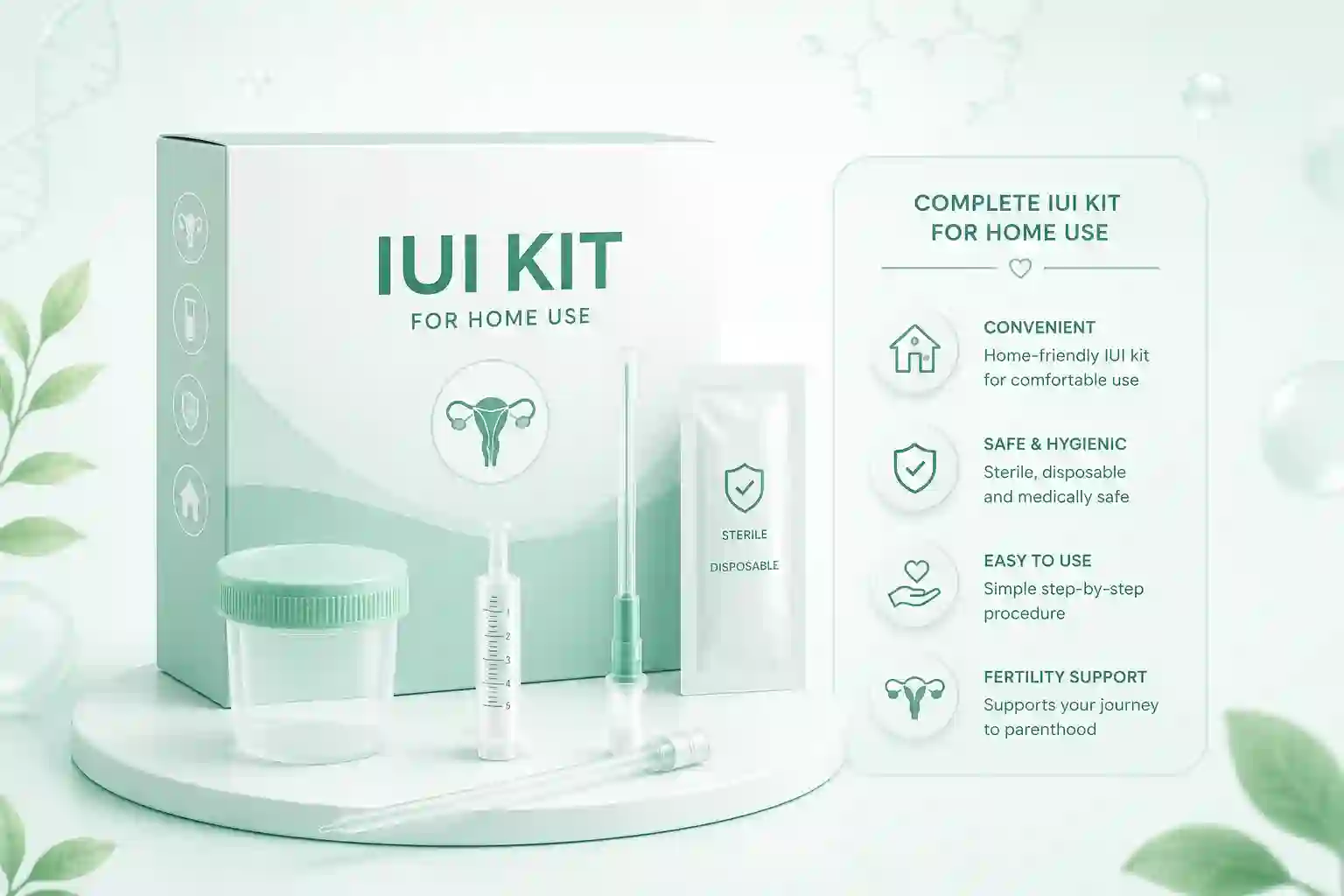
Many people searching for an IUI kit for home want a convenient and more affordable way to try insemination. However, it’s important to understand that a true Intrauterine Insemination (IUI) procedure cannot be safely performed at home. Medical IUI requires specially processed (washed) sperm and placement of the sperm directly inside the uterus by a trained healthcare professional using sterile equipment.
Products marketed as an IUI kit for home are typically home insemination kits, not true IUI kits. These kits are designed for intravaginal insemination (IVI) or intracervical insemination (ICI), where semen is placed in or near the vagina or cervix rather than inside the uterus.
This guide explains what an IUI kit for home is, how it differs from clinical IUI, and what to consider before using a home insemination kit.
Is There an IUI Kit for Home?
A true IUI kit for home is not available because IUI involves procedures that require a fertility clinic.
Clinical IUI includes:
- Laboratory sperm washing
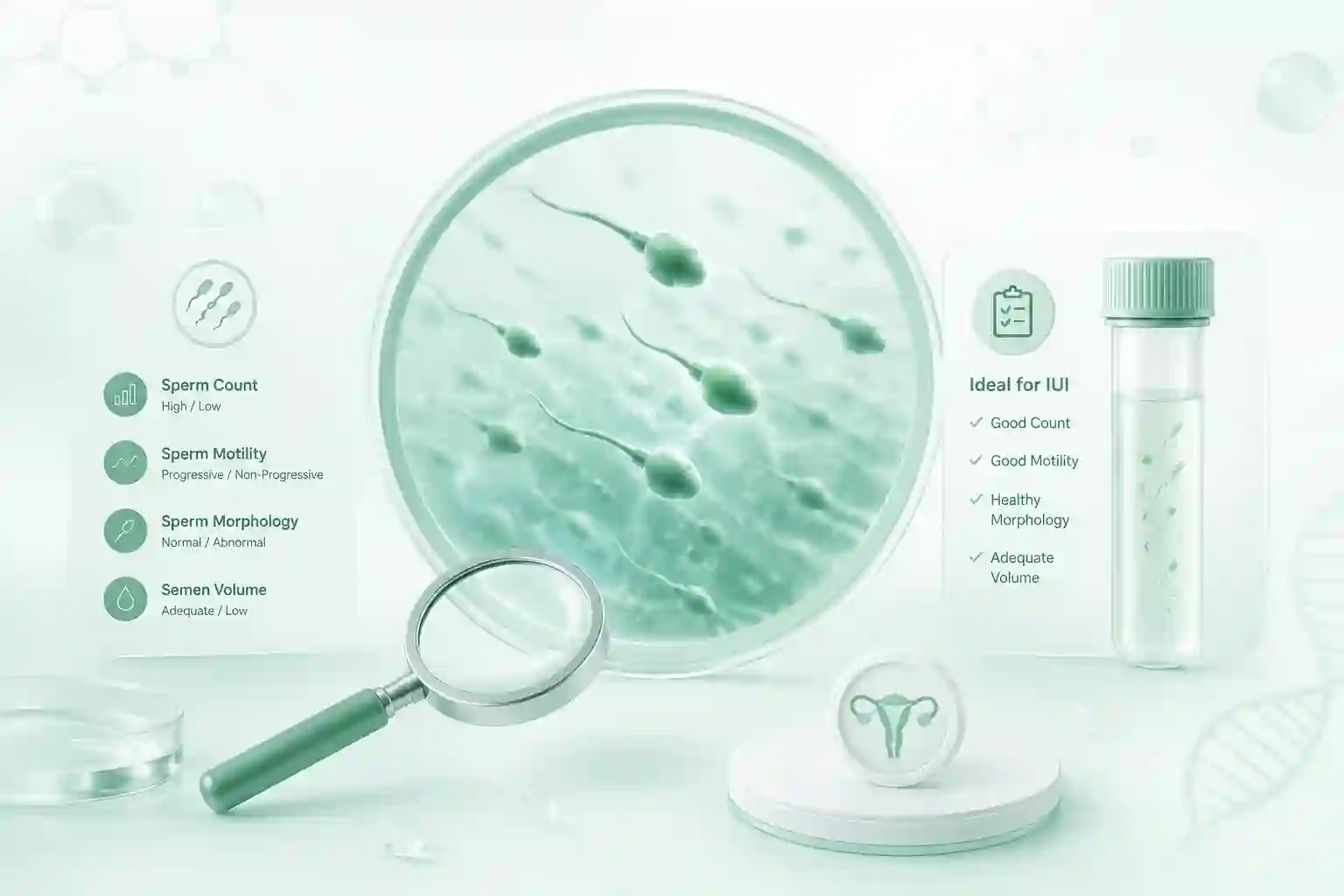
- Preparation of highly motile sperm
- Sterile intrauterine catheter placement
- Medical supervision
- Careful timing with ovulation
Attempting to place unwashed semen directly into the uterus at home is not considered safe, as seminal fluid contains substances that can cause severe uterine cramping, infection, or other complications.
What Do Home Insemination Kits Include?
Products sold as home insemination kits may contain:
- Sterile collection cup
- Needle-free syringe or insemination applicator
- Specimen container
- Collection instructions
- Ovulation tracking guidance (in some kits)
These products are intended for vaginal or cervical insemination, not intrauterine insemination.
Home Insemination vs. Clinical IUI
| Home Insemination Kit | Clinical IUI |
| Semen placed in the vagina or near the cervix | Washed sperm placed directly into the uterus |
| No sperm washing | Laboratory sperm washing performed |
| Can be done at home | Performed in a fertility clinic |
| No catheter passes through the cervix into the uterus | Thin catheter inserts sperm into the uterus |
| Lower level of medical supervision | Procedure performed by trained professionals |
Because these procedures are different, a home insemination kit should not be considered a substitute for IUI.
Who May Consider a Home Insemination Kit?
Home insemination may be considered in some situations, such as:
- Couples with difficulty having vaginal intercourse.
- Individuals or couples using donor sperm.
- People seeking a lower-cost option before pursuing fertility treatment.
Whether this approach is appropriate depends on the individual’s medical history and fertility evaluation.
Benefits of Home Insemination Kits
Potential advantages include:
- Greater privacy.
- Lower cost than clinic-based fertility treatment.
- Convenience of home use.
- Less invasive than medical procedures.
These kits may be suitable for some individuals, but they do not provide the same treatment as clinical IUI.
Risks, Side Effects, or Limitations
Home insemination kits also have limitations.
These include:
- They are not true IUI.
- No sperm washing is performed.
- Success rates may differ from clinic-based IUI.
- They do not address blocked fallopian tubes or many other causes of infertility.
- Improper use may reduce effectiveness or increase the risk of infection.
Follow the manufacturer’s instructions carefully and seek medical advice if you have questions.
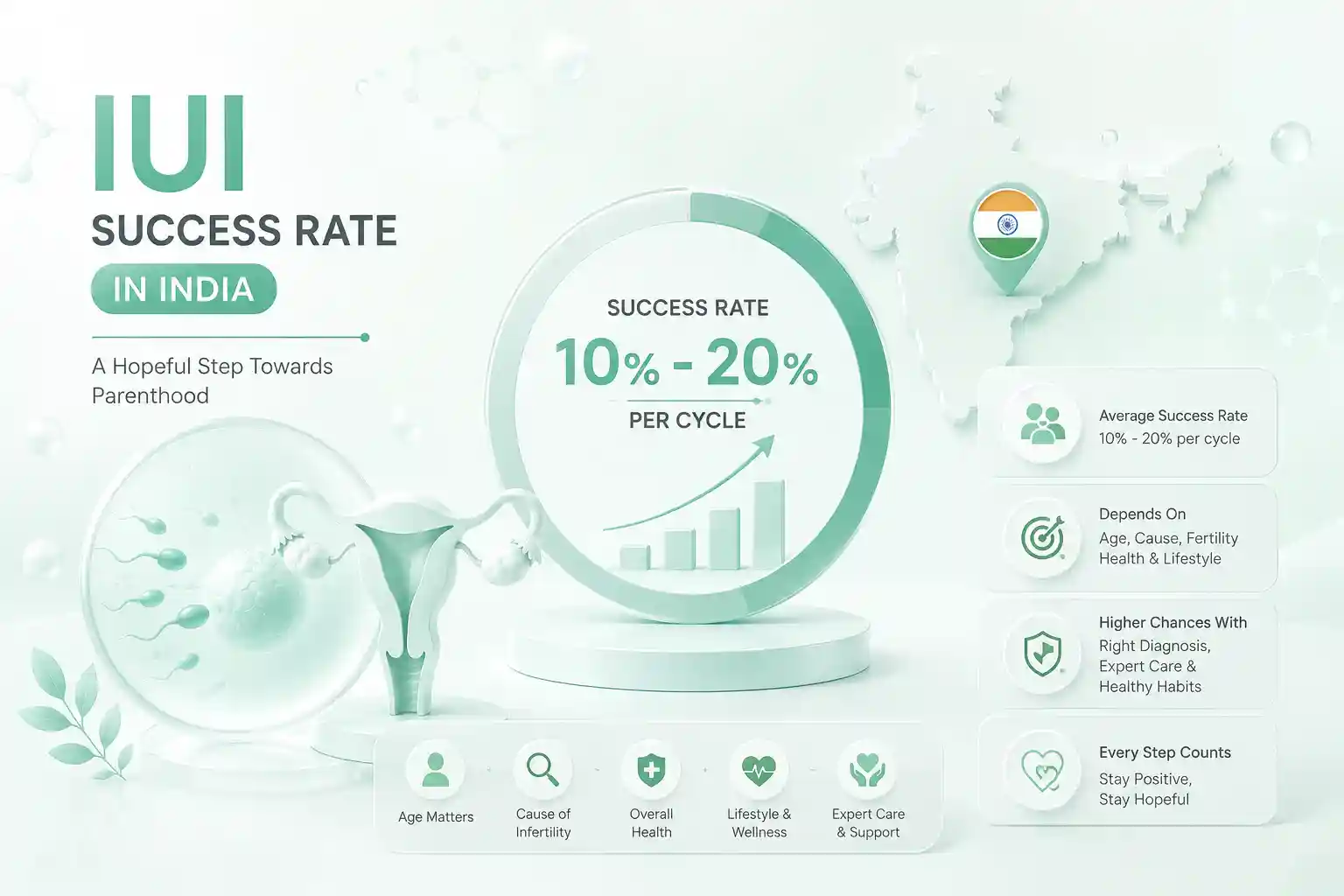
Factors Affecting Success
Whether using a home insemination kit or undergoing clinical IUI, pregnancy depends on several factors:
Female Age
Egg quality generally declines with age, influencing fertility.
Ovulation Timing
Timing insemination close to ovulation is one of the most important factors.
Sperm Quality
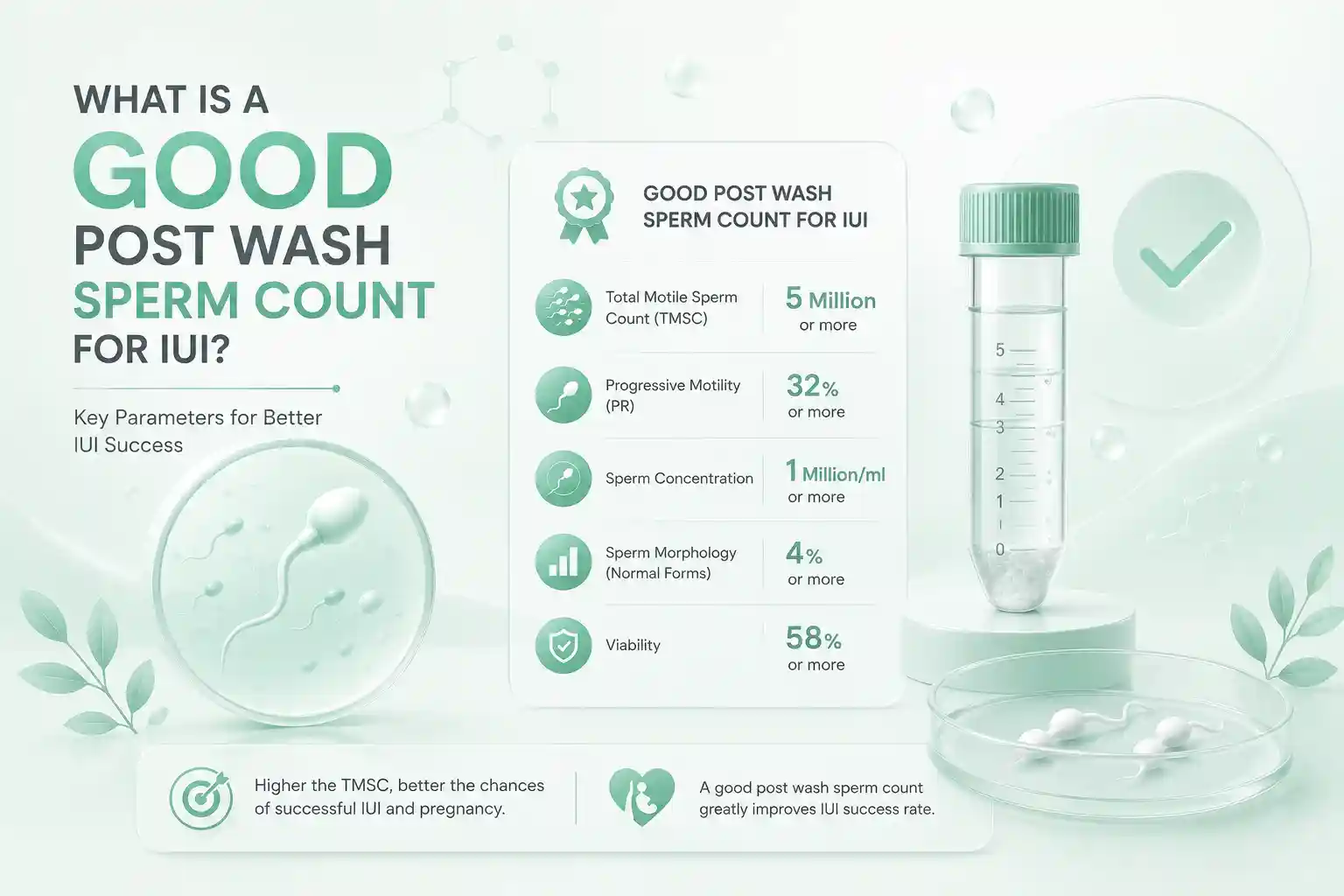
Healthy sperm count, motility, and morphology improve the likelihood of fertilization.
Fallopian Tube Health
At least one open fallopian tube is generally required for natural fertilization.
Underlying Fertility Condition
The cause of infertility significantly influences treatment success.
Emotional & Patient Perspective
Choosing between a home insemination kit and clinic-based fertility treatment can feel overwhelming. Some people appreciate the privacy and convenience of home insemination, while others prefer the monitoring and guidance offered by a fertility clinic. Understanding the differences between these approaches can help you make an informed decision that fits your medical needs and personal circumstances.
Tips Before Using a Home Insemination Kit
Before trying home insemination:
- Read the manufacturer’s instructions carefully.
- Track ovulation accurately.
- Use only sterile equipment supplied with the kit.
- Discuss the approach with a fertility specialist if you have known fertility concerns.
- Seek medical evaluation if pregnancy has not occurred after an appropriate period of trying.
When to See a Fertility Specialist
Consider consulting a fertility specialist if:
- You have been trying to conceive for one year (or six months if you are 35 years or older).
- You have irregular menstrual cycles.
- You have known infertility.
- You have blocked fallopian tubes or severe male factor infertility.
- You want to know whether home insemination, IUI, or IVF is the most appropriate option.
Although many people search for an IUI kit for home, there is no true at-home IUI kit. Medical IUI requires sperm washing and placement of prepared sperm directly into the uterus by trained healthcare professionals in a clinical setting. Products sold for home use are typically designed for vaginal or cervical insemination and are different from IUI. If you are considering home insemination, discussing your options with a fertility specialist can help you choose the safest and most appropriate approach.
FAQs About IUI Kit for Home
1. Can I perform IUI at home?
No. True IUI requires laboratory-prepared sperm and intrauterine placement by a trained healthcare professional.
2. What is sold as an IUI kit for home?
Most products marketed this way are actually home insemination kits intended for vaginal or cervical insemination rather than intrauterine insemination.
3. Are home insemination kits safe?
When used according to the manufacturer’s instructions, they may be appropriate for some individuals. However, they are not a replacement for medical IUI and should never be used to place unwashed semen directly into the uterus.
4. Do home insemination kits work as well as IUI?
They are different procedures. Success depends on many factors, including age, sperm quality, ovulation timing, and the underlying cause of infertility.
5. Do home insemination kits include sperm washing?
No. Sperm washing is a laboratory procedure performed in fertility clinics before clinical IUI.
6. Who may benefit from home insemination?
Some couples with intercourse difficulties and some individuals using donor sperm may consider home insemination after discussing it with a healthcare professional.
7. When should I consider clinic-based IUI instead?
If you have known infertility, blocked fallopian tubes, abnormal semen analysis, repeated unsuccessful attempts with home insemination, or have been trying to conceive for the recommended period without success, a fertility specialist can determine whether clinical IUI or another fertility treatment is more appropriate.