After completing fertility treatment, the moment you’ve been waiting for arrives—IVF pregnancy.
Whether you’ve just had an embryo transfer or received a positive test, understanding IVF pregnancy can help you feel more confident and prepared for the journey ahead.
What is IVF Pregnancy?
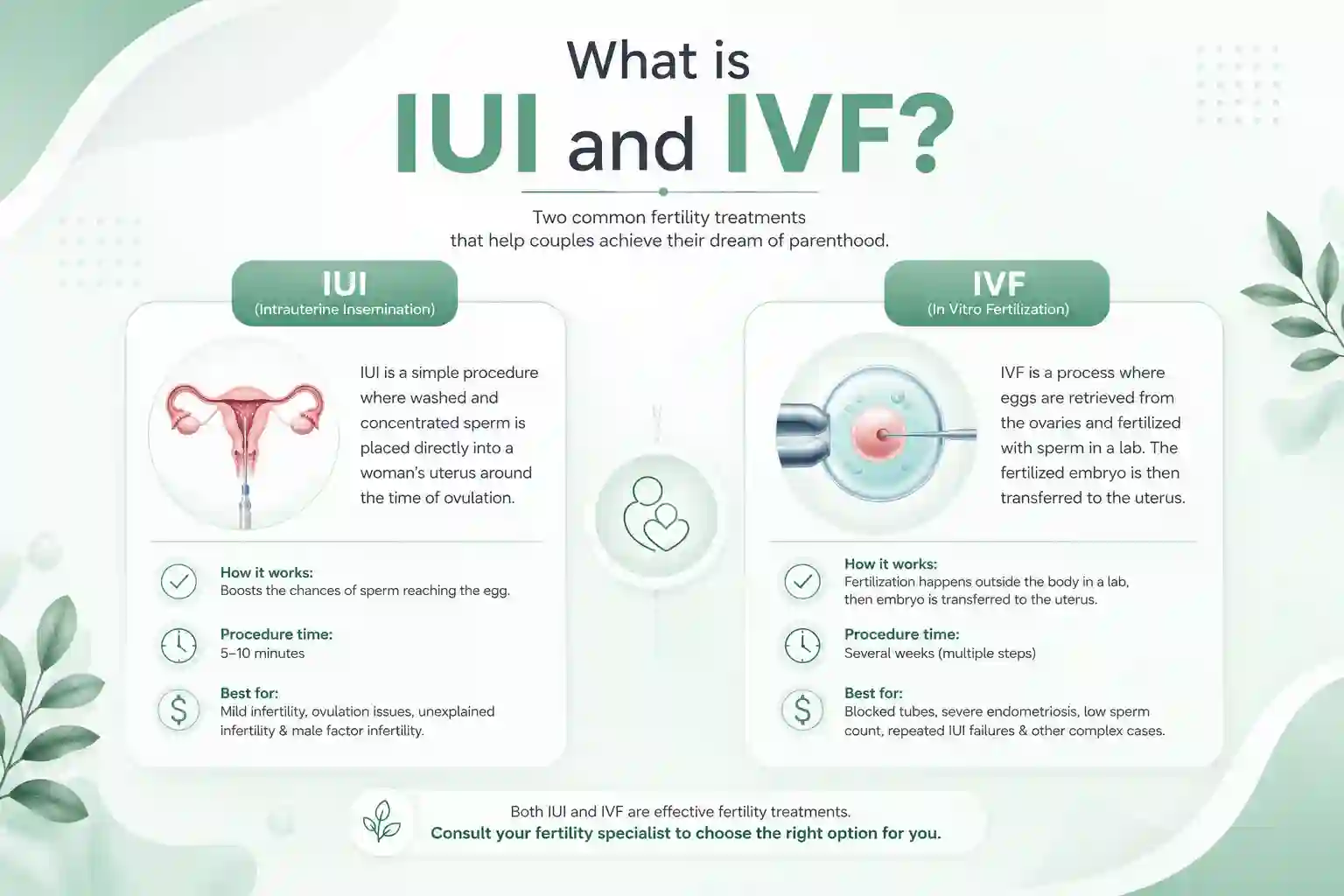
IVF pregnancy occurs when an embryo created outside the body (in a lab) successfully implants in the uterus and begins to grow.
Although the conception process is different, the pregnancy itself develops similarly to a natural pregnancy.
Why IVF Pregnancy Matters
For many couples facing infertility, IVF pregnancy offers:
- A real chance to conceive
- Hope after failed attempts
- A medically guided and monitored journey
It has helped millions of families worldwide achieve parenthood.
Early Signs of IVF Pregnancy
After embryo transfer, early IVF pregnancy symptoms may include:
- Mild cramping
- Light spotting (implantation bleeding)
- Breast tenderness
- Fatigue
- Nausea
These symptoms can vary and may also be caused by medications.
IVF Pregnancy Timeline
1. Embryo Transfer Day
- Embryo is placed into the uterus
2. Days 1–5 After Transfer
- Implantation begins
3. Day 10–14
- Pregnancy test confirms results
4. Weeks 5–6
- First ultrasound (heartbeat may be visible)
5. Weeks 8–12
- Regular monitoring continues
IVF Pregnancy Symptoms vs Natural Pregnancy
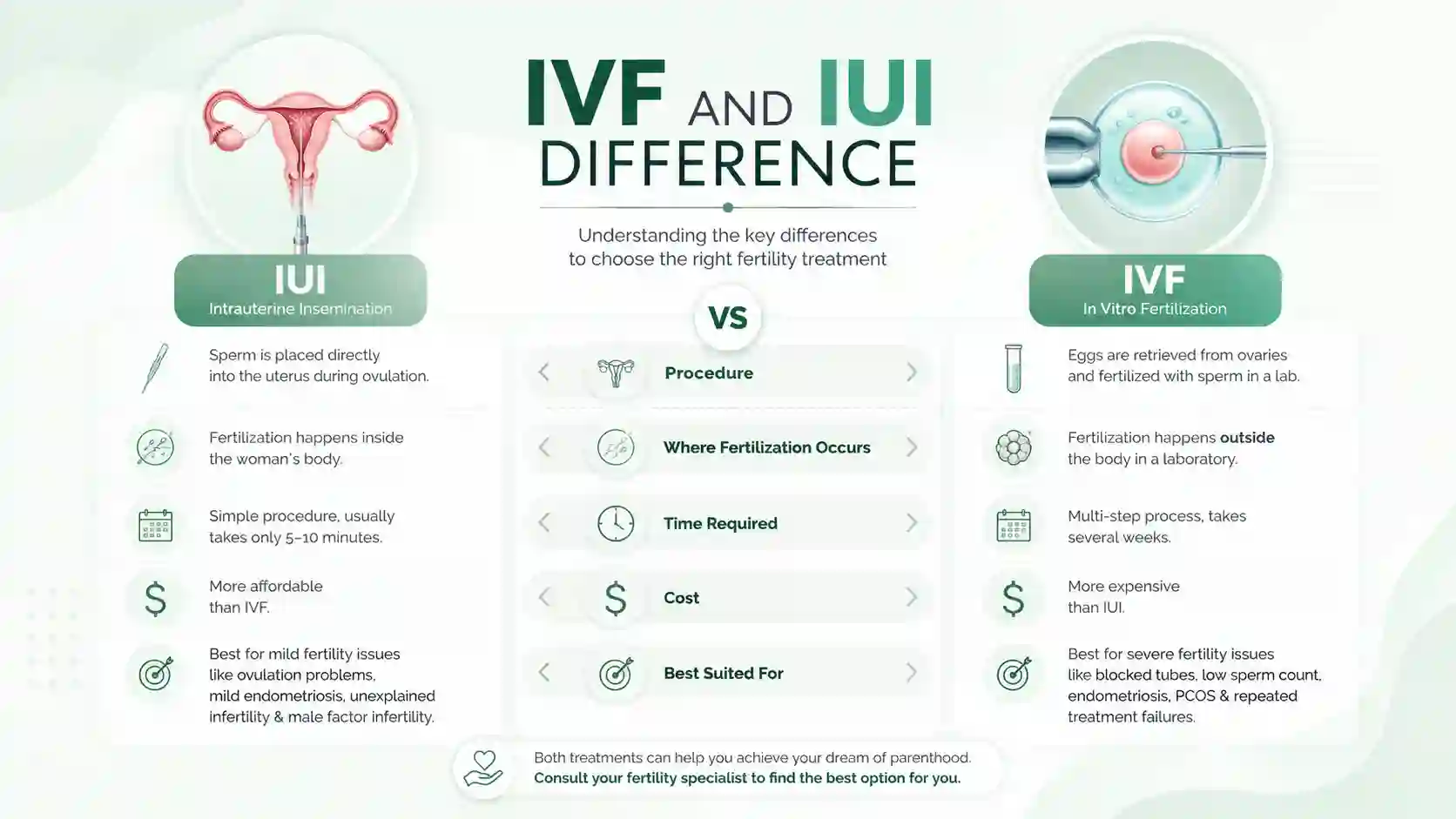
IVF pregnancy symptoms are very similar to natural pregnancy.
Key difference:
- IVF pregnancies are more closely monitored in early stages
Otherwise, development follows the same pattern.
IVF Pregnancy Success Rate
Success depends on several factors:
- Age
- Egg and sperm quality
- Embryo quality
- Uterine health
On average, IVF pregnancy success rates range from 30% to 50% per cycle.
Risks in IVF Pregnancy
IVF pregnancy is generally safe, but may have slightly higher risks:
- Multiple pregnancy (twins or more)
- Preterm birth
- Hormonal side effects
Doctors monitor closely to manage risks.
Tips for a Healthy IVF Pregnancy
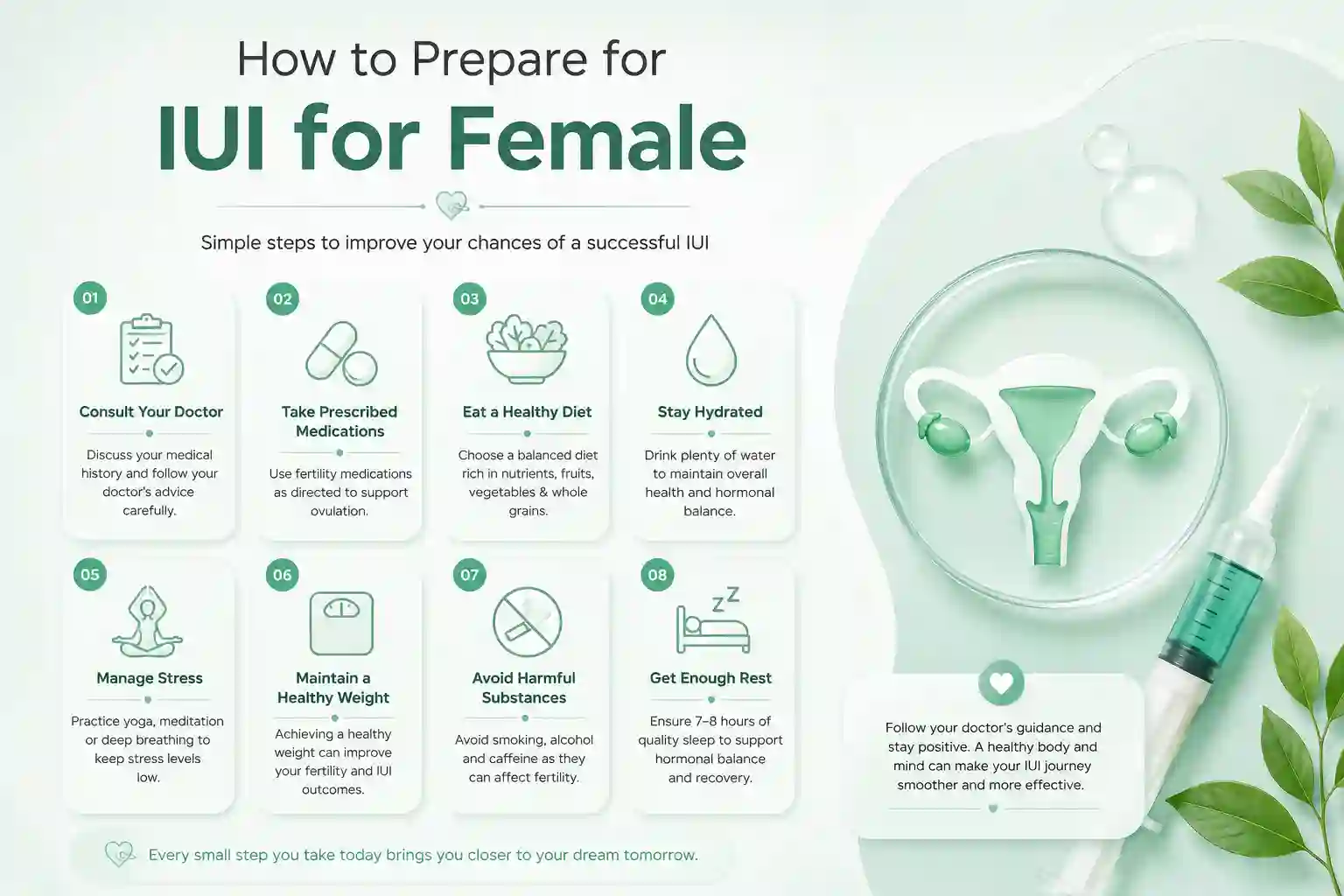
- Follow your doctor’s instructions strictly
- Take prescribed medications regularly
- Avoid smoking and alcohol
- Manage stress
- Attend all follow-up visits
These steps support a healthy pregnancy.
When to See a Doctor
Contact your doctor if you notice:
- Heavy bleeding
- Severe abdominal pain
- Sudden loss of symptoms
- Fever or discomfort
Early care is essential.
An IVF pregnancy is a major milestone in your fertility journey. While the process may feel complex, the outcome can be life-changing.
With proper medical care and guidance, IVF pregnancy can lead to a healthy and successful birth. If you’re planning or undergoing IVF, staying informed and connected with your doctor is key.
FAQs About IVF Pregnancy
Is IVF pregnancy different from natural pregnancy?
The conception process is different, but pregnancy development is similar.
How soon can IVF pregnancy be confirmed?
Usually 10–14 days after embryo transfer.
Are IVF pregnancy symptoms different?
No, they are mostly the same as natural pregnancy.
Is IVF pregnancy high risk?
Not necessarily, but it requires closer monitoring.
Can IVF pregnancy fail after a positive test?
Yes, early miscarriage can occur, like in natural pregnancy.