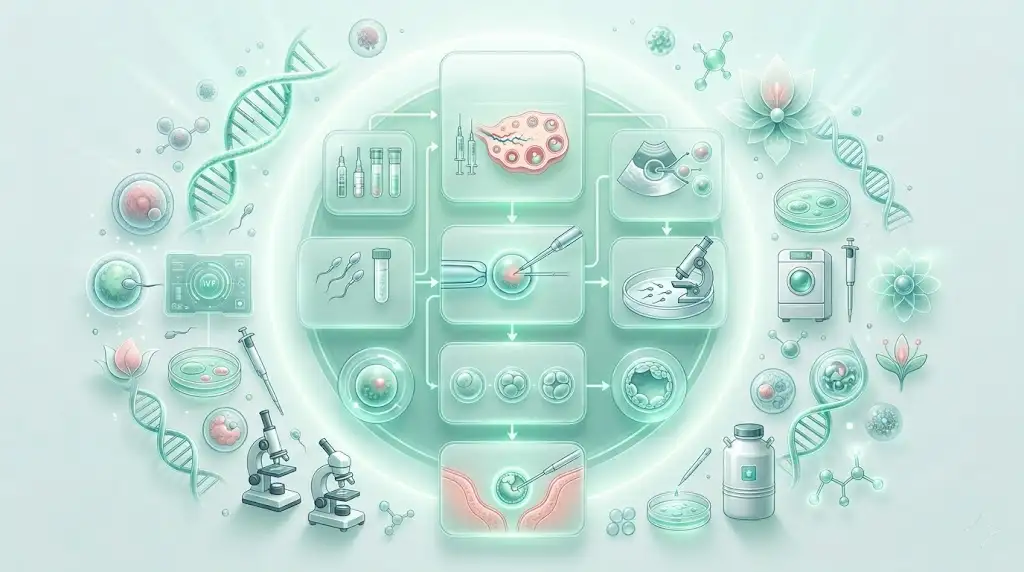
Many patients searching for an IVF diagram want a simple explanation of how IVF treatment works from start to finish. IVF (In Vitro Fertilization) involves several carefully planned medical and laboratory stages designed to help couples achieve pregnancy.
Understanding the IVF process visually and step by step can make fertility treatment feel less confusing and easier to follow.
What Is an IVF Diagram?
An IVF diagram is a visual representation of the stages involved in IVF treatment. It helps explain:
- How eggs are collected
- How fertilization happens in a laboratory
- How embryos develop
- How pregnancy occurs after embryo transfer
IVF diagrams are commonly used in fertility clinics to educate patients before treatment begins.
What Is IVF?
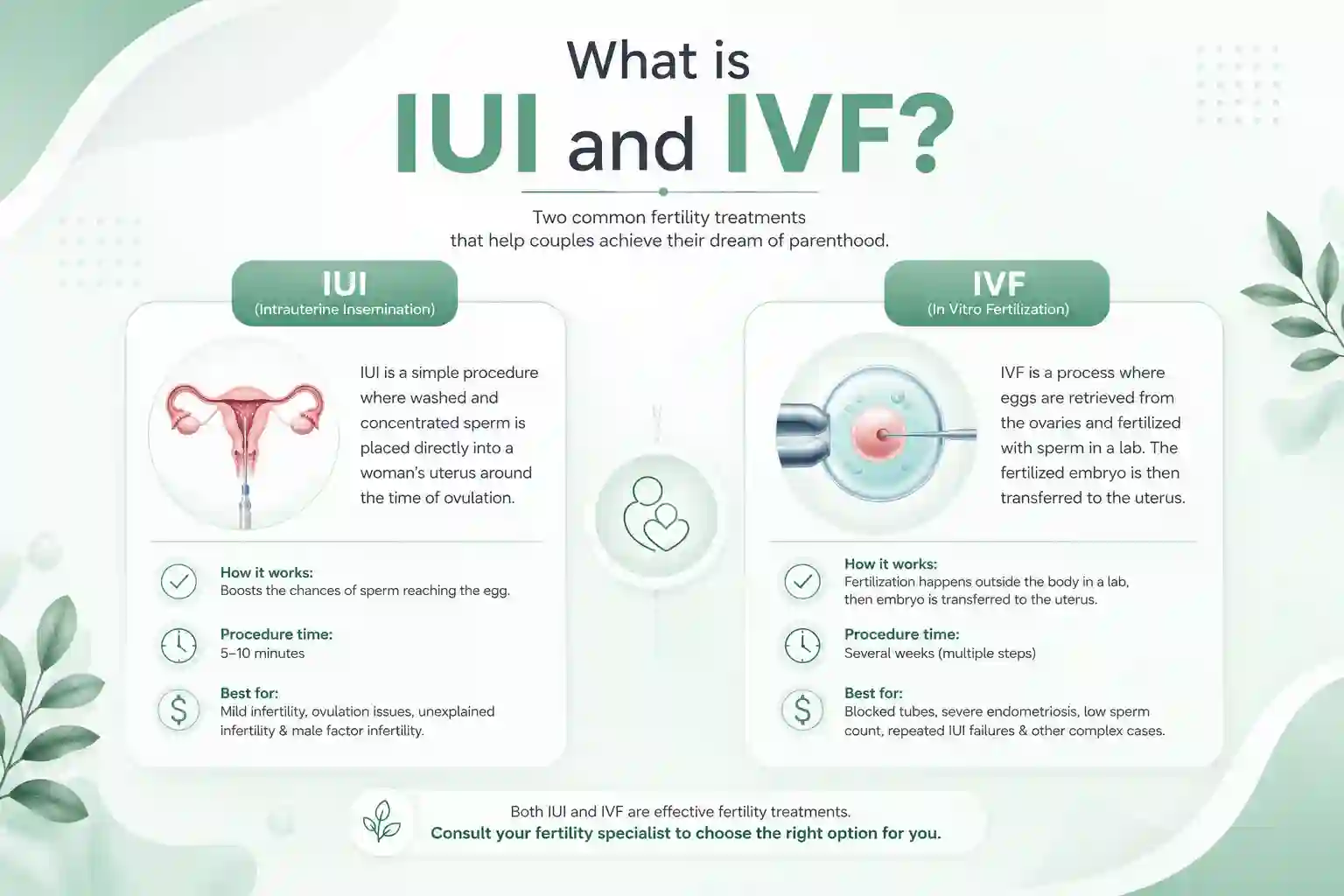
IVF (In Vitro Fertilization) is a fertility treatment where:
- Eggs are retrieved from the ovaries
- Fertilized with sperm in a laboratory
- Healthy embryos are transferred into the uterus
Once implantation occurs, pregnancy develops naturally inside the body.
IVF Diagram Step by Step
The IVF process usually follows several important stages.
IVF Procedure Step-by-Step
Main stages involved in the IVF treatment process.
| Stage | Order |
| Fertility Testing | 1 |
| Ovarian Stimulation | 2 |
| Egg Retrieval | 3 |
| Laboratory Fertilization | 4 |
| Embryo Development | 5 |
| Embryo Transfer | 6 |
| Pregnancy Test | 7 |
Step 1: Fertility Testing
Before IVF begins, fertility specialists perform:
- Hormone blood tests
- Ultrasound scans
- Semen analysis
- Ovulation evaluation
These tests help identify fertility problems and create a personalized treatment plan.
Step 2: Ovarian Stimulation
The ovaries are stimulated using hormone injections.
The goal is to:
- Produce multiple mature eggs instead of a single egg
Doctors monitor:
- Follicle growth
- Hormone levels
- Egg development through ultrasound scans
This stage usually lasts 8 to 14 days.
Step 3: Egg Retrieval
Once the eggs mature:
- A minor procedure is performed to collect the eggs from the ovaries
The procedure is usually done:
- Under sedation
- Using ultrasound guidance
Most patients return home the same day.
Step 4: Laboratory Fertilization
Inside the IVF laboratory:
- Eggs and sperm are combined for fertilization
Depending on fertility conditions:
- Standard IVF or ICSI may be used
ICSI involves injecting one sperm directly into the egg.
Step 5: Embryo Development
Fertilized eggs develop into embryos inside specialized incubators.
Embryologists monitor:
- Cell growth
- Embryo quality
- Development over several days
The healthiest embryo is selected for transfer.
Step 6: Embryo Transfer
A healthy embryo is transferred into the uterus using a thin catheter.
The procedure is:
- Quick
- Usually painless
- Performed without anesthesia in most cases
Step 7: Pregnancy Test
About 10 to 14 days after embryo transfer:
- A blood test confirms pregnancy
If positive:
- Ultrasound monitoring follows in the coming weeks.
Why IVF Diagrams Are Helpful
An IVF diagram helps patients:
- Understand treatment stages clearly
- Reduce fear and confusion
- Prepare emotionally for the IVF journey
- Learn how fertilization and embryo development occur
Visual explanations often make complex fertility procedures easier to understand.
IVF Success Rate
IVF success depends on:
- Female age
- Egg quality
- Sperm quality
- Embryo health
- Fertility clinic experience
Younger patients generally have higher success rates.
Emotional Aspects of IVF
The IVF process can feel emotionally demanding.
Patients often experience:
- Anxiety during treatment
- Emotional stress while waiting for results
- Fear of unsuccessful cycles
Counseling and family support may help patients cope better during fertility treatment.
When to See a Fertility Specialist
You should consult a fertility doctor if:
- You’ve been trying to conceive for over one year
- You’re over 35 and trying for 6 months
- You have known fertility problems
- Previous fertility treatments failed
Early fertility evaluation may improve treatment planning and success.
An IVF diagram helps simplify and explain the complete IVF treatment process step by step. From ovarian stimulation and egg retrieval to embryo transfer and pregnancy testing, every stage is carefully designed to improve the chances of conception.
Understanding the IVF process can help patients feel more informed, confident, and emotionally prepared before starting fertility treatment.
FAQs About IVF Diagram
What is an IVF diagram?
A visual explanation of the IVF treatment process.
What are the main IVF steps?
Fertility testing, ovarian stimulation, egg retrieval, fertilization, embryo transfer, and pregnancy testing.
Is IVF fertilization done inside the body?
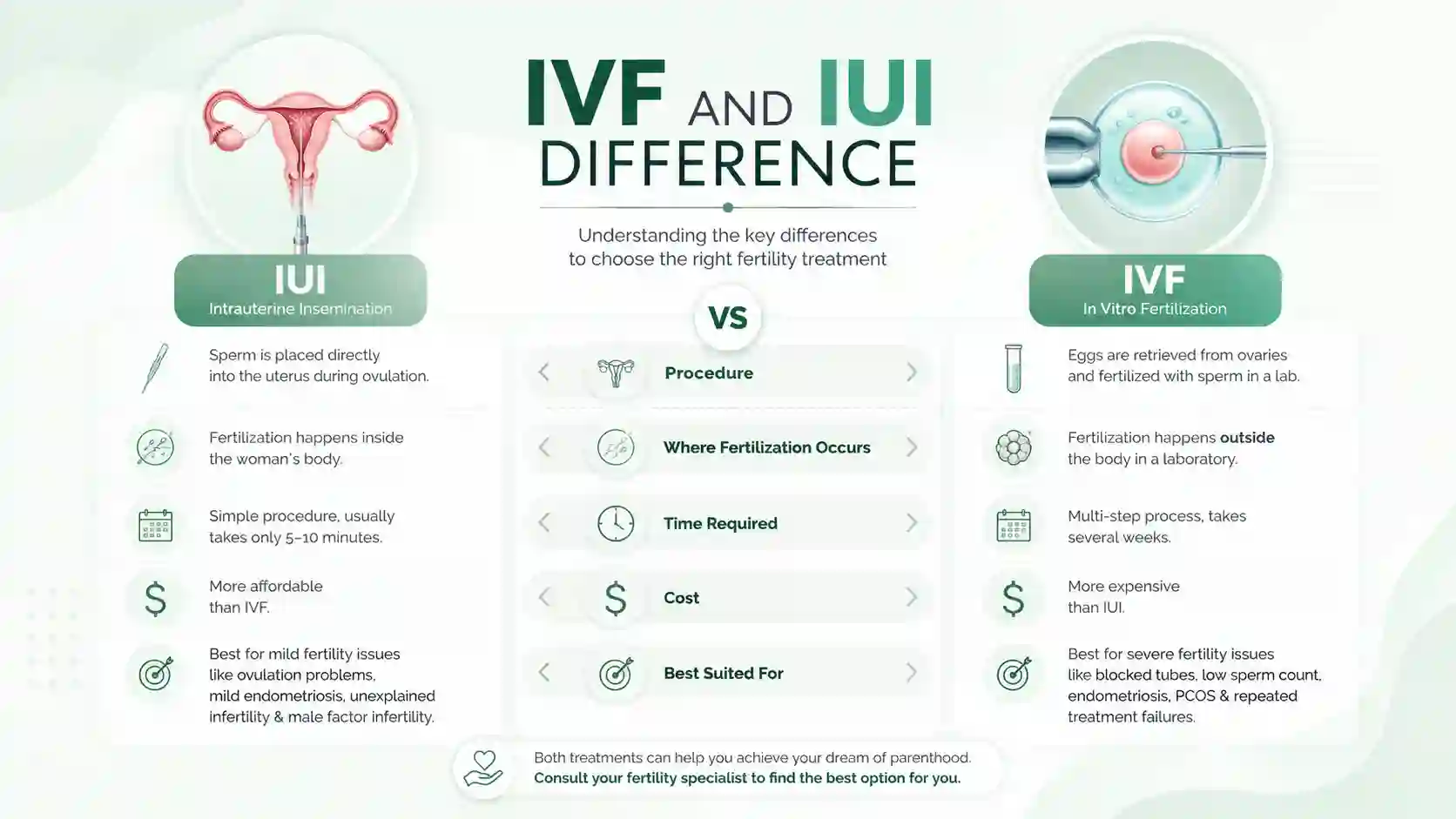
No, fertilization happens in a laboratory.
How long does IVF take?
Usually around 4 to 6 weeks per cycle.
What is embryo transfer?
Placing a healthy embryo into the uterus.