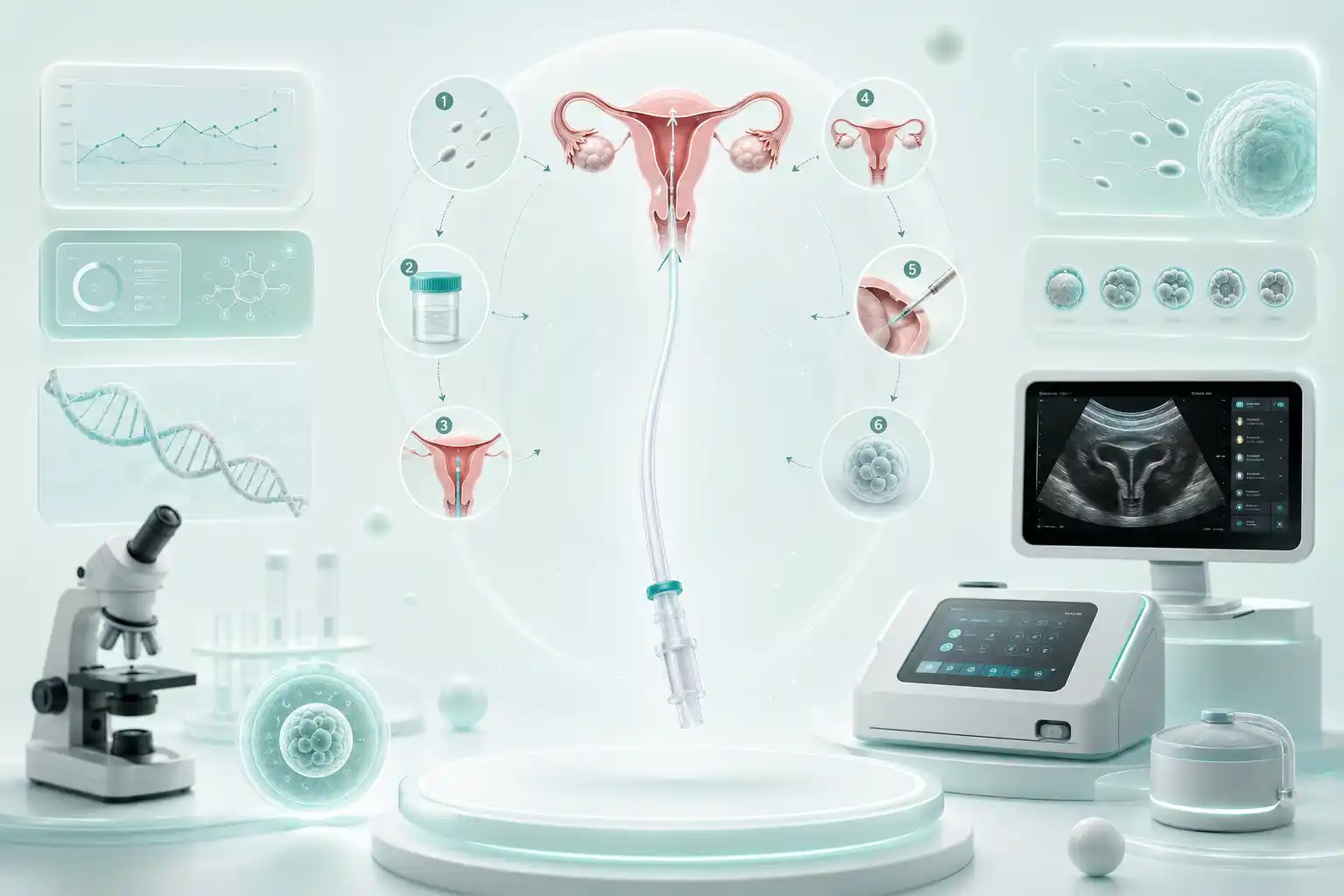
If you’re preparing for an intrauterine insemination (IUI) procedure, you may have heard your fertility specialist mention an IUI catheter. Although it is one of the smallest tools used during fertility treatment, it plays an important role in safely placing prepared sperm inside the uterus.
Many patients worry about whether the catheter is painful, what it looks like, and why different types are used. Understanding how an IUI catheter works can make the procedure feel less intimidating and help you approach treatment with greater confidence.
This guide explains everything you need to know about IUI catheters, including their purpose, types, procedure, benefits, possible risks, and frequently asked questions.
What Is an IUI Catheter?
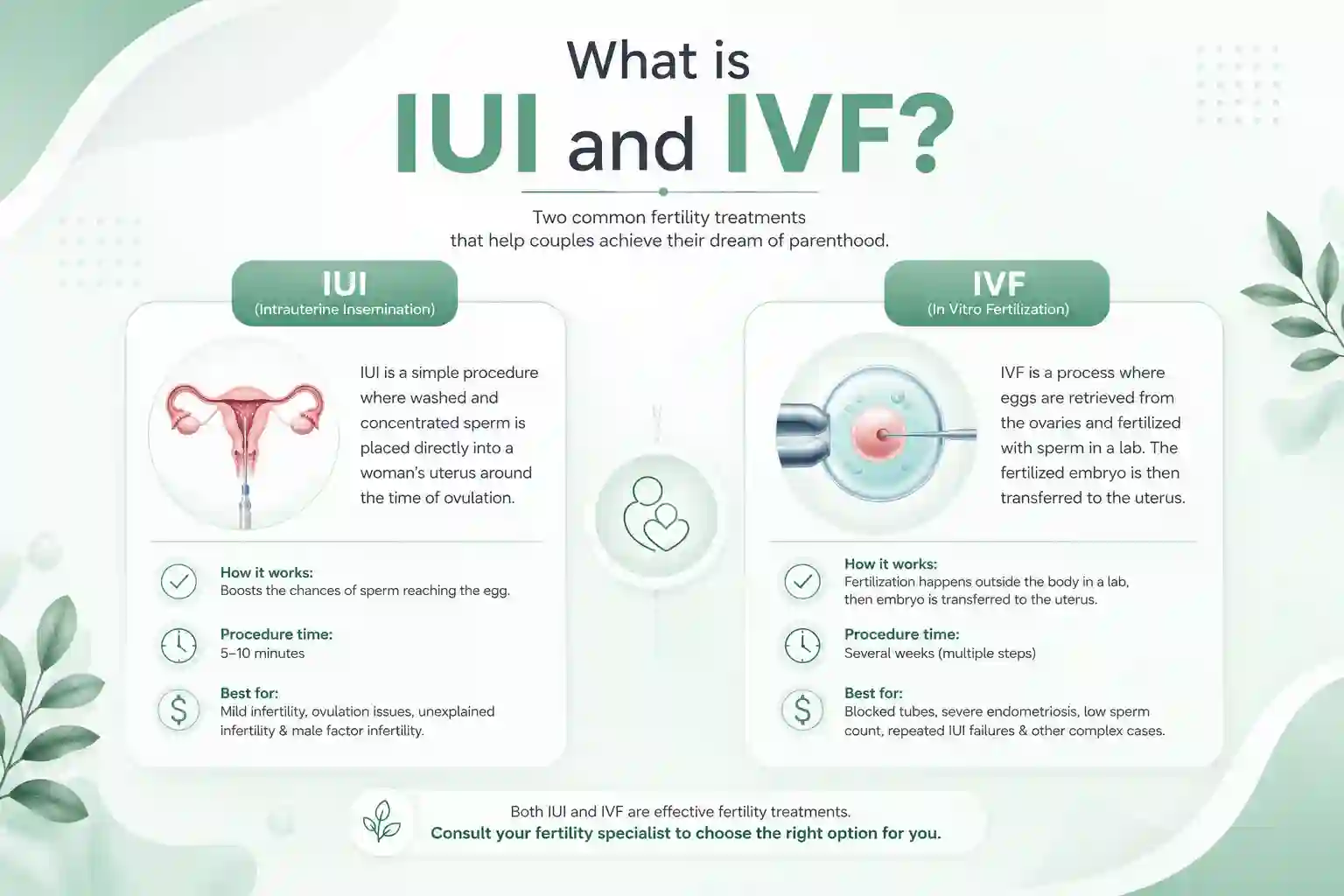
An IUI catheter is a thin, flexible, sterile medical tube used during an intrauterine insemination procedure. Its purpose is to deliver specially prepared sperm directly into the uterus around the time of ovulation.
Unlike a regular syringe or larger medical tube, an IUI catheter is designed to be:
- Soft and flexible
- Very narrow in diameter
- Sterile and single-use
- Gentle on the cervix and uterus
The catheter allows the fertility specialist to bypass the vagina and cervix, placing sperm closer to the fallopian tubes where fertilization naturally occurs.
Why Is an IUI Catheter Important?
The IUI catheter is essential because it helps maximize the chances of sperm reaching the egg.
Its benefits include:
- Places sperm directly inside the uterus
- Reduces the distance sperm need to travel
- Improves sperm delivery compared with intercourse alone
- Minimizes trauma to the cervix
- Supports a quick and minimally invasive procedure
Although the catheter itself does not increase fertility, it enables the IUI procedure to be performed accurately and safely.
How Does an IUI Catheter Work?
The IUI catheter is used as part of a carefully timed fertility procedure.
Step 1: Ovulation Monitoring
Your fertility specialist identifies the optimal time for insemination using ultrasound scans, blood tests, or ovulation tracking.
Step 2: Sperm Preparation
A semen sample is processed in the laboratory. This “sperm washing” removes seminal fluid and selects the healthiest, most motile sperm.
Step 3: Speculum Placement
A speculum is gently inserted into the vagina to visualize the cervix.
Step 4: Catheter Insertion
The IUI catheter is carefully passed through the cervical opening into the uterine cavity.
Step 5: Sperm Injection
The prepared sperm sample is slowly injected through the catheter into the uterus.
Step 6: Catheter Removal
The catheter is removed gently, and the entire procedure usually takes only a few minutes.
Types of IUI Catheters
Different catheters may be used depending on the patient’s anatomy and the fertility clinic’s preference.
Soft IUI Catheter
The most commonly used option.
Features include:
- Highly flexible
- Gentle insertion
- Lower risk of cervical irritation
- Comfortable for most patients
Firm or Semi-Rigid Catheter
Used when passing through the cervix is more difficult.
Advantages include:
- Better control during insertion
- Helpful for certain cervical positions
- May improve access in challenging cases
The choice of catheter depends on the patient’s individual anatomy and the clinician’s judgment.
Benefits of an IUI Catheter
An IUI catheter offers several advantages during fertility treatment.
- Minimally invasive
- Usually does not require anesthesia
- Quick procedure
- Comfortable for most patients
- Helps deliver sperm precisely into the uterus
- Designed to minimize trauma
- Single-use and sterile to reduce infection risk
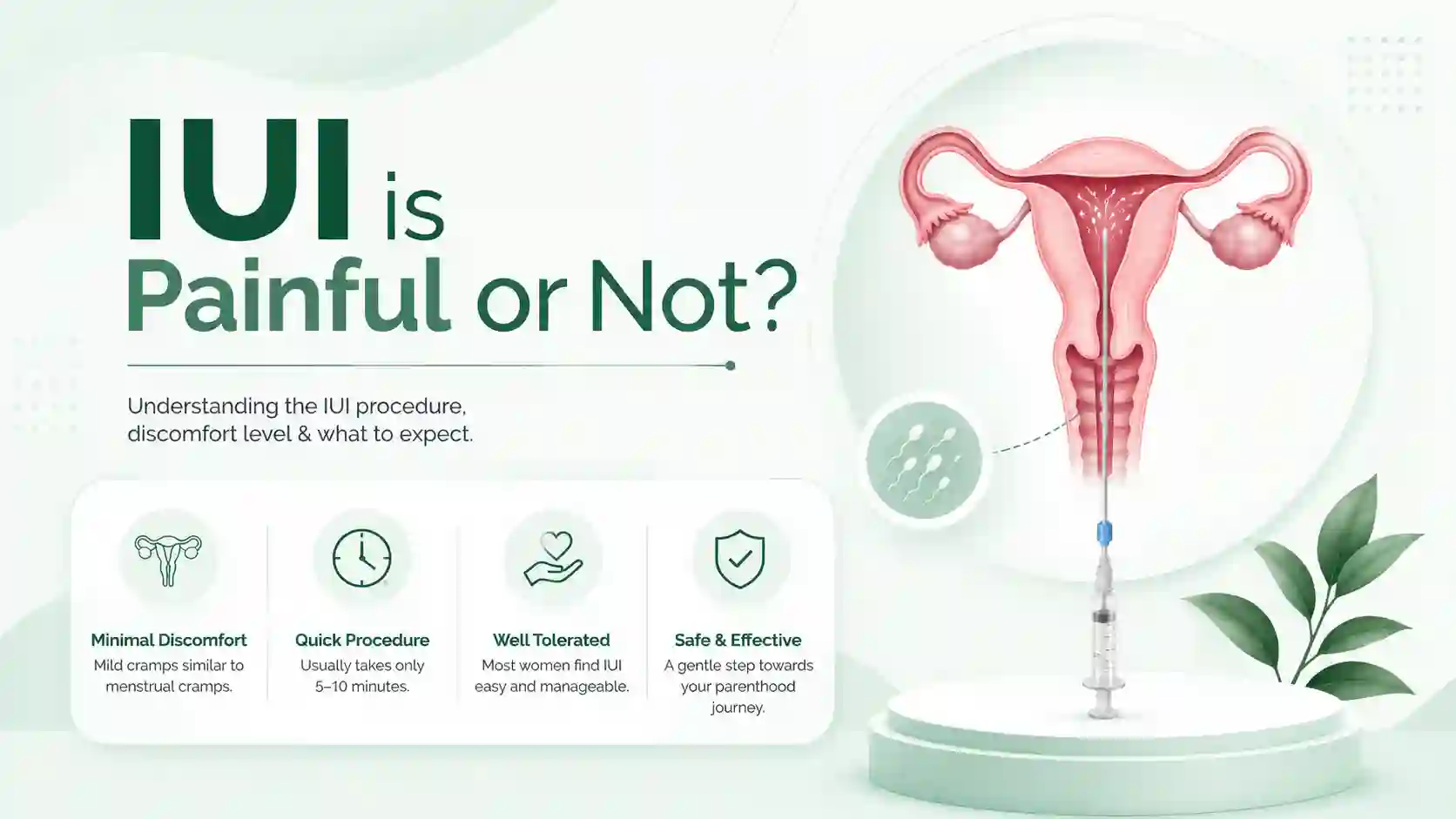
Does an IUI Catheter Hurt?
One of the most common concerns is whether the catheter causes pain.
For most people:
- The procedure causes little or no pain.
- Mild cramping may occur when the catheter passes through the cervix.
- Some patients describe the sensation as similar to a Pap smear.
- Mild spotting after the procedure can happen occasionally.
Pain levels vary depending on factors such as cervical anatomy, individual sensitivity, and underlying gynecological conditions.
Risks, Side Effects, or Limitations
Although IUI is considered very safe, a few minor side effects are possible.
These may include:
- Mild cramping
- Light spotting
- Temporary pelvic discomfort
- Brief dizziness in sensitive individuals
Rare complications include:
- Infection
- Difficulty passing the catheter through the cervix
- Minor cervical irritation
Serious complications related to the catheter itself are uncommon when the procedure is performed by experienced healthcare professionals.
Cost, Timeline, and Success Rate
Cost
The cost of an IUI procedure generally includes:
- Fertility consultation
- Ovulation monitoring
- Ultrasound examinations
- Laboratory sperm preparation
- Use of the sterile IUI catheter
- The insemination procedure
Pricing varies by clinic, country, and whether fertility medications are used.
Timeline
A typical IUI cycle includes:
- Ovarian monitoring
- Ovulation trigger (if needed)
- IUI procedure
- Approximately two-week wait before pregnancy testing
The catheter is used only during the insemination procedure, which usually lasts just a few minutes.
Success Rate
The catheter itself does not determine the success of IUI. Success depends on factors such as:
- Female age
- Egg quality
- Sperm quality
- Ovulation timing
- Cause of infertility
- Overall reproductive health
Factors Affecting Results
Several factors influence the effectiveness of an IUI cycle.
Timing of Ovulation
Accurate timing between ovulation and insemination is critical.
Sperm Quality
Healthy sperm count, movement, and morphology improve the likelihood of fertilization.
Uterine Health
A healthy uterine cavity supports implantation.
Cervical Anatomy
In some cases, cervical shape or narrowing may influence catheter selection and ease of insertion.
Fertility Diagnosis
The underlying cause of infertility often has a greater impact on success than the catheter used.
Emotional & Patient Perspective
It’s natural to feel nervous before your first IUI, especially if you’re unsure what to expect.
Many patients worry that the catheter insertion will be painful. In reality, most describe the procedure as quick and only mildly uncomfortable. Knowing what will happen during the appointment can help reduce anxiety and make the experience feel more manageable.
Remember that asking questions and discussing concerns with your fertility team is an important part of your care.
Tips, Recommendations, or Preparation Guide
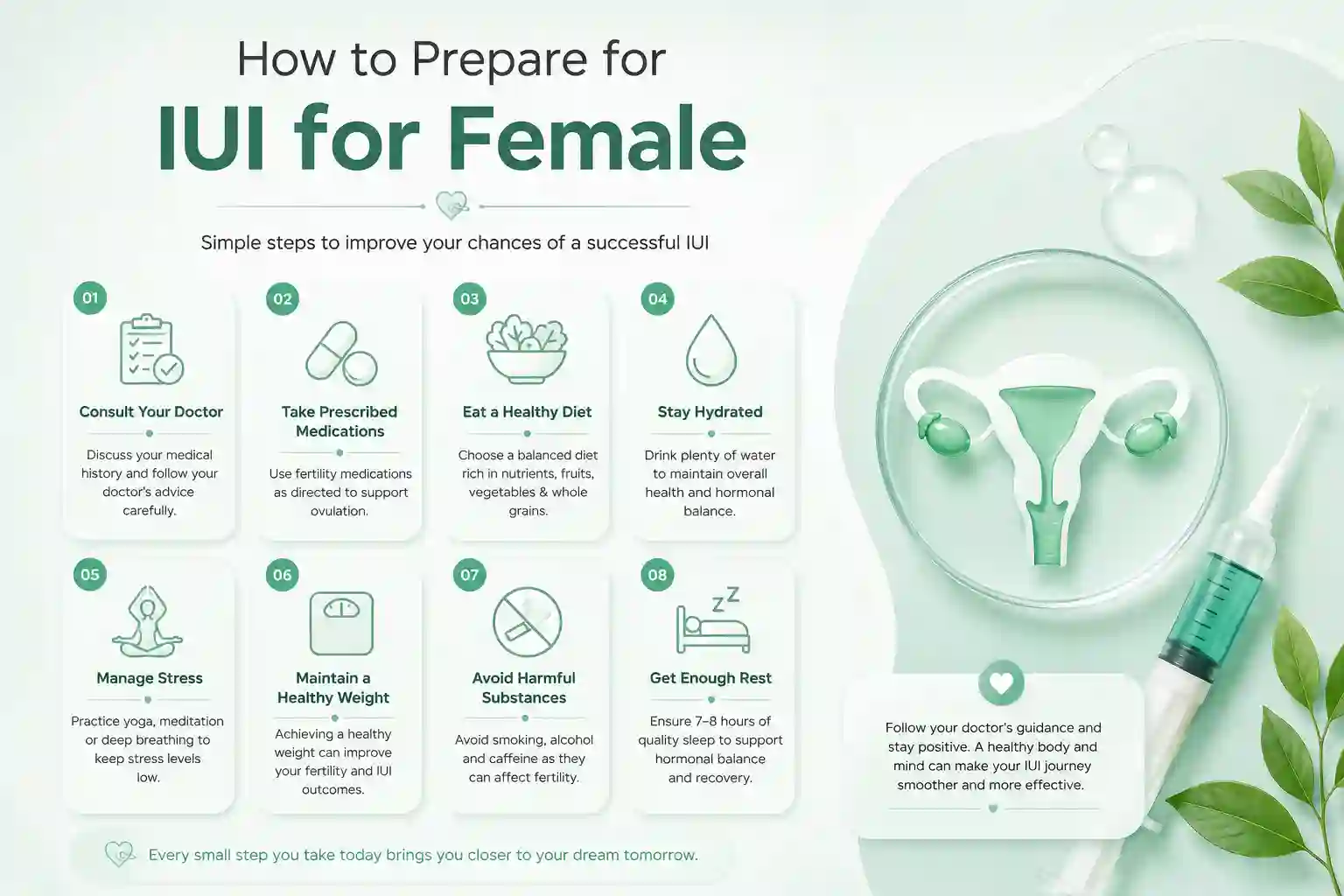
To prepare for your IUI procedure:
- Follow your fertility specialist’s instructions regarding medications.
- Arrive on time for your appointment.
- Wear comfortable clothing.
- Eat a light meal unless advised otherwise.
- Stay hydrated.
- Try relaxation techniques if you’re feeling anxious.
- Avoid comparing your experience with others, as every fertility journey is unique.
After the procedure:
- Resume normal daily activities unless your doctor advises otherwise.
- Continue prescribed medications.
- Wait until the recommended testing date before taking a pregnancy test.
When to See a Fertility Specialist
Contact your fertility specialist if you experience:
- Heavy vaginal bleeding
- Severe pelvic pain
- Fever or chills
- Foul-smelling vaginal discharge
- Persistent abdominal pain
- Concerns after the procedure
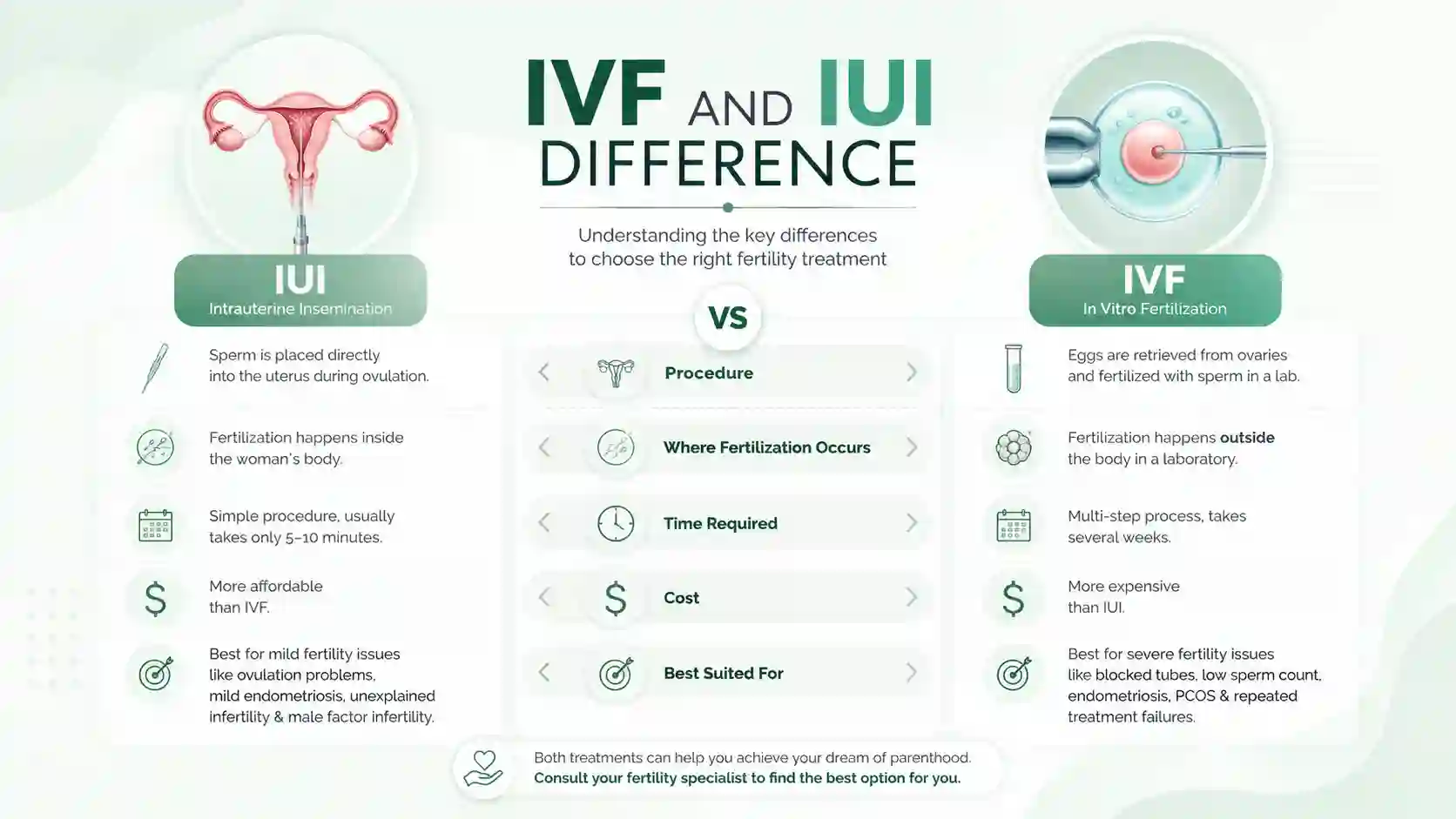
You should also seek medical advice if you’ve had multiple unsuccessful IUI cycles, as your specialist may recommend additional evaluation or discuss alternative fertility treatments such as IVF.
The IUI catheter is a small but essential device that allows prepared sperm to be placed directly inside the uterus during intrauterine insemination. Designed to be soft, sterile, and minimally invasive, it helps make the procedure quick, safe, and comfortable for most patients.
While it’s normal to feel anxious before fertility treatment, understanding how an IUI catheter works can ease many common concerns. If you have questions about the procedure or your treatment plan, your fertility specialist can provide personalized guidance based on your individual needs.
FAQs About IUI Catheter
1. What is an IUI catheter used for?
An IUI catheter is used to place specially prepared sperm directly into the uterus during an intrauterine insemination procedure.
2. Is an IUI catheter painful?
Most patients experience little to no pain. Some may feel mild cramping or temporary discomfort during insertion.
3. How long does the IUI catheter stay inside the uterus?
The catheter remains in place only for a short time while the sperm is injected, usually less than a minute.
4. Are there different types of IUI catheters?
Yes. Fertility clinics may use soft or semi-rigid catheters depending on the patient’s anatomy and the clinician’s preference.
5. Can an IUI catheter damage the uterus?
When used by trained healthcare professionals, an IUI catheter is designed to minimize trauma, and serious injury is very rare.
6. Does the type of IUI catheter affect pregnancy success?
Current evidence does not show that one catheter type consistently improves pregnancy rates. Proper timing, sperm quality, and individual fertility factors are generally more important.
7. Can I return to normal activities after an IUI catheter procedure?
Yes. Most people can resume their normal routine shortly after the procedure unless their fertility specialist recommends otherwise.