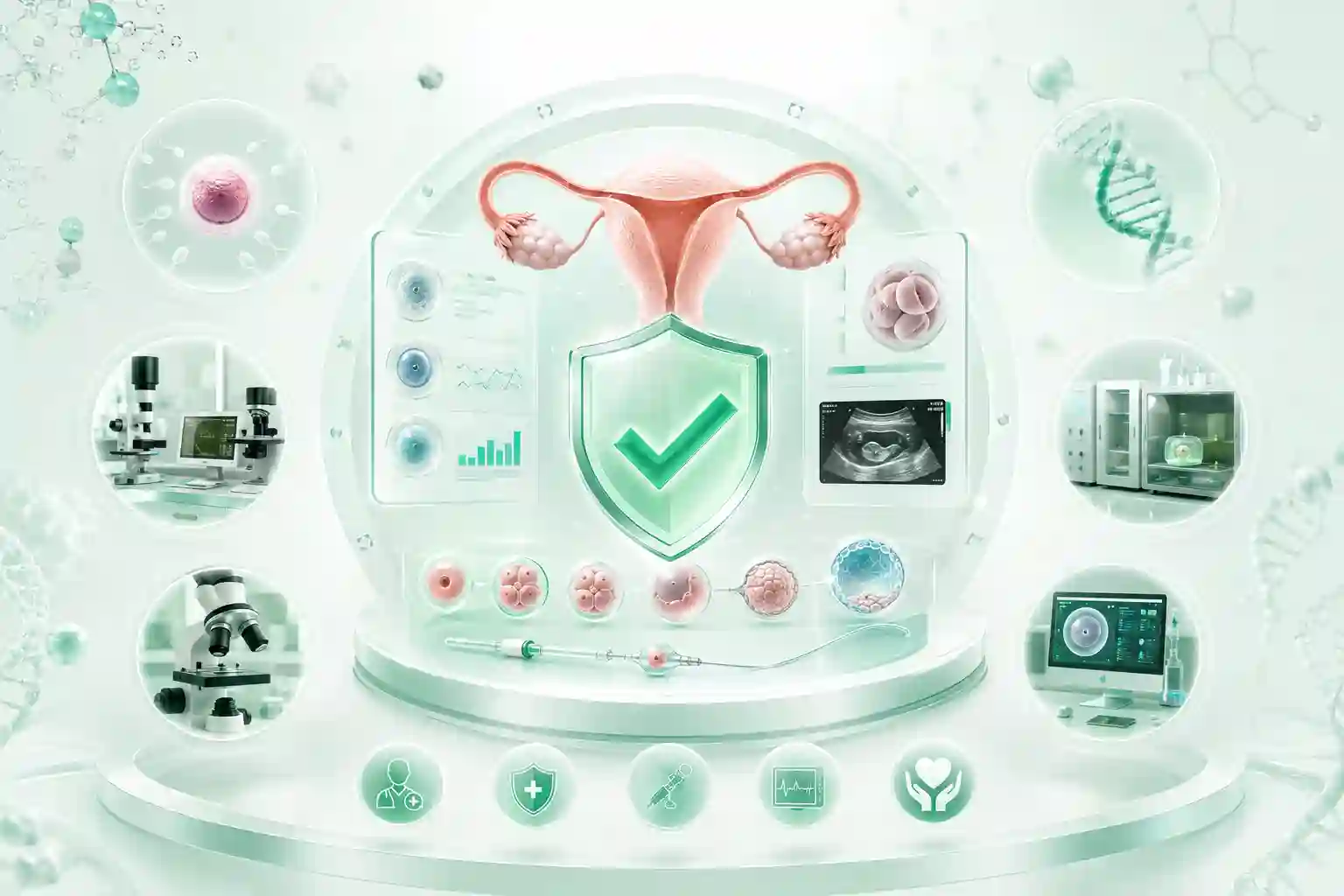
If you’re considering In Vitro Fertilization (IVF), it’s natural to ask, “Is IVF safe?” IVF has been used worldwide for more than four decades and has helped millions of individuals and couples build their families. Advances in reproductive medicine, laboratory technology, and fertility care have made IVF one of the safest and most successful fertility treatments available today.
For most patients, IVF is considered a safe medical procedure when performed by experienced fertility specialists. Like any medical treatment, however, it carries some risks and potential side effects. Understanding both the benefits and possible complications can help you make informed decisions and prepare for your fertility journey.
This guide explains how safe IVF is, the potential risks, side effects, benefits, and factors that contribute to a healthy pregnancy.
Is IVF Safe?
Yes.
For most people, IVF is considered a safe and well-established fertility treatment. It has been used successfully since 1978 and has resulted in the birth of millions of healthy babies worldwide.
Modern IVF is performed under carefully monitored conditions by trained fertility specialists, embryologists, nurses, and laboratory professionals.
Although no medical procedure is completely risk-free, serious complications from IVF are uncommon.
How Does IVF Work Safely?
IVF follows a carefully planned treatment process designed to maximize safety.
Step 1: Fertility Evaluation
Before treatment begins, your fertility specialist performs a comprehensive evaluation, which may include:
- Medical history review
- Physical examination
- Hormone blood tests
- Pelvic ultrasound
- Semen analysis
- Screening for underlying medical conditions
This assessment helps personalize your treatment and reduce potential risks.
Step 2: Ovarian Stimulation
Carefully monitored fertility medications stimulate the ovaries to produce multiple mature eggs.
Regular ultrasounds and blood tests help ensure the ovaries respond safely.
Step 3: Egg Retrieval
Egg retrieval is performed under light sedation using ultrasound guidance.
The procedure usually takes 20–30 minutes, and most patients return home the same day.
Step 4: Fertilization and Embryo Culture
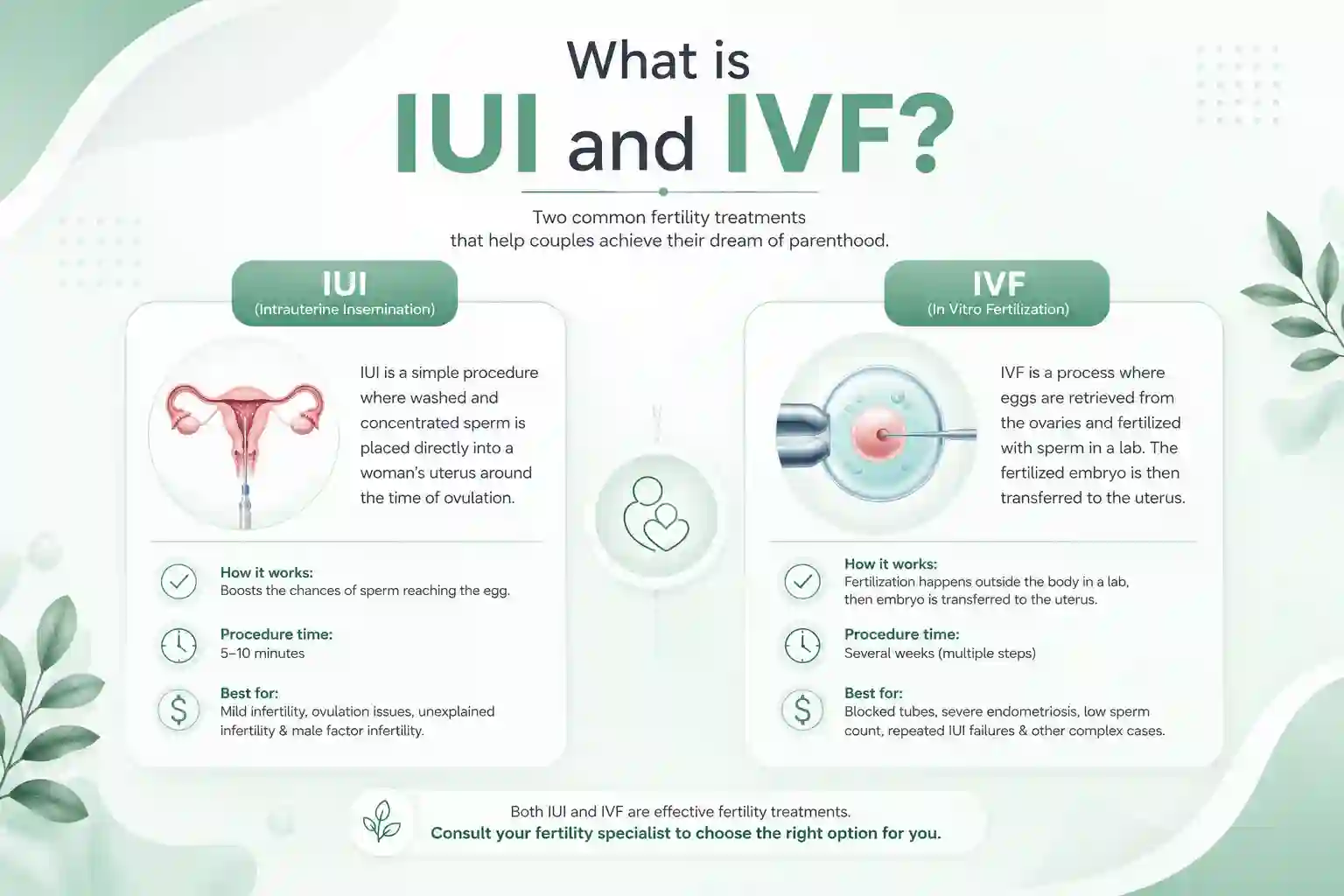
Eggs and sperm are combined in a specialized laboratory to create embryos.
Embryologists closely monitor embryo development under controlled laboratory conditions.
Step 5: Embryo Transfer
A selected embryo is transferred into the uterus using a thin catheter.
The procedure is generally painless and usually does not require anesthesia.
Benefits of IVF
IVF offers several important advantages.
These include:
- High pregnancy rates for many infertility conditions
- Treatment option for blocked fallopian tubes
- Effective treatment for severe male factor infertility
- Ability to freeze embryos for future use
- Opportunity for Preimplantation Genetic Testing (PGT) when medically indicated
- Fertility preservation for selected patients
Possible Risks and Side Effects of IVF
Although IVF is generally safe, it is important to understand the possible risks.
Mild Side Effects
Some patients experience:
- Mild abdominal bloating
- Cramping
- Breast tenderness
- Fatigue
- Temporary spotting
- Mood changes related to fertility medications
These symptoms usually improve within a few days.
Ovarian Hyperstimulation Syndrome (OHSS)
Some patients develop an exaggerated response to fertility medications.
Symptoms may include:
- Abdominal bloating
- Rapid weight gain
- Nausea
- Pelvic discomfort
Modern IVF protocols have significantly reduced the risk of severe OHSS through careful monitoring.
Egg Retrieval Risks
Egg retrieval is generally safe but carries small risks associated with any minor procedure, including:
- Bleeding
- Infection
- Injury to nearby structures (rare)
Multiple Pregnancy
If more than one embryo is transferred, the likelihood of twins or higher-order multiple pregnancies increases.
Many fertility specialists now recommend single embryo transfer for suitable patients to reduce this risk.
Emotional Stress
The IVF process can be emotionally demanding because of:
- Treatment expectations
- Waiting periods
- Financial concerns
- Uncertainty about outcomes
Support from healthcare professionals, family, or counseling services can be helpful.
Is IVF Safe for the Baby?
Current research shows that most babies born through IVF are healthy.
After successful implantation, pregnancy develops in the same biological way as a naturally conceived pregnancy.
Some pregnancy complications may be slightly more common, often because of:
- Advanced maternal age
- Multiple pregnancy
- Underlying infertility
- Existing medical conditions
These factors are usually more influential than the IVF procedure itself.
Factors That Help Improve IVF Safety
Several factors contribute to a safe IVF experience.
Experienced Fertility Specialists
Choosing an experienced fertility team improves treatment planning and monitoring.
Individualized Treatment
Medication doses are adjusted according to age, ovarian reserve, and medical history.
Regular Monitoring
Ultrasound scans and blood tests help identify potential complications early.
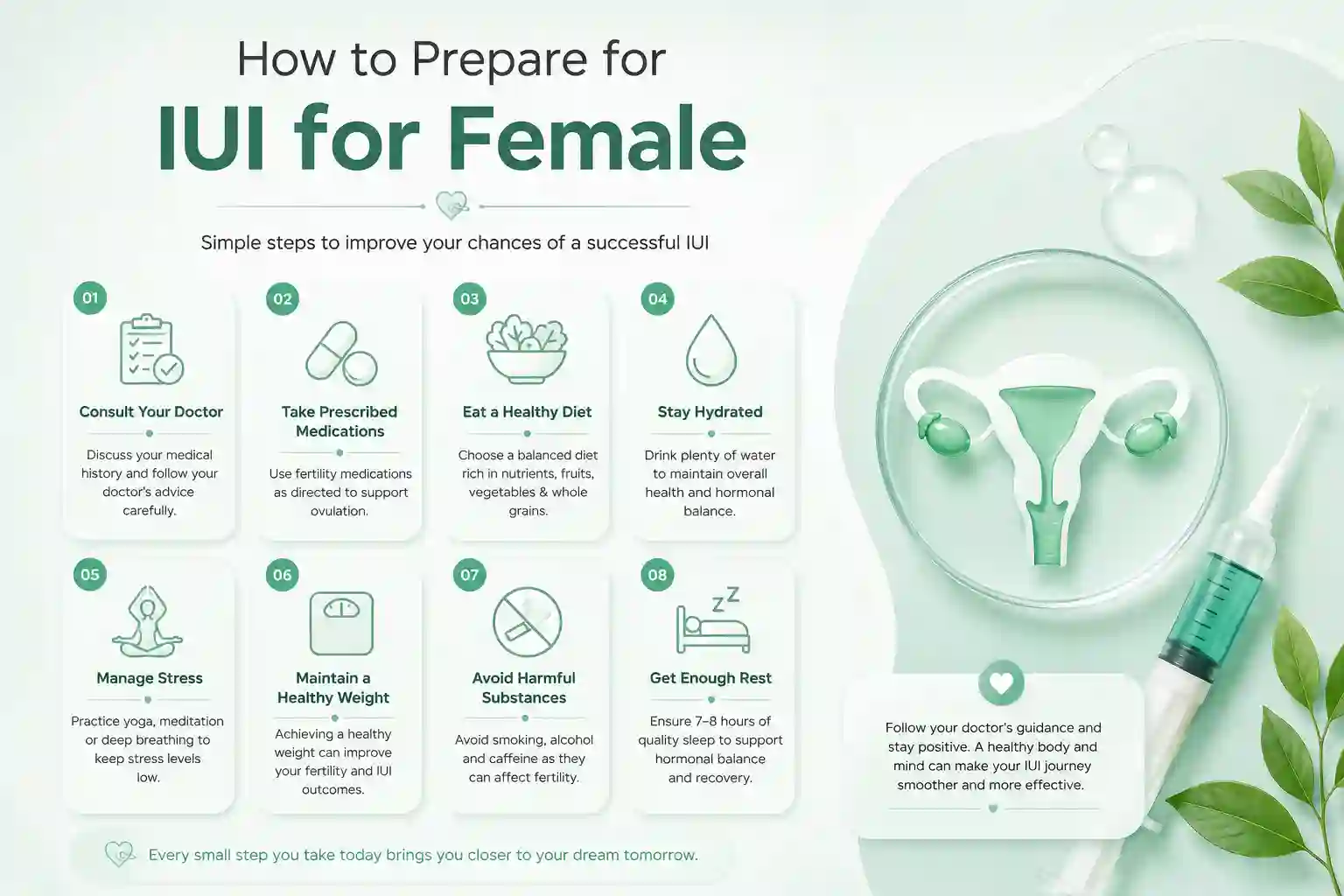
Healthy Lifestyle
Healthy habits include:
- Eating a balanced diet
- Maintaining a healthy weight
- Avoiding smoking
- Limiting alcohol
- Sleeping adequately
- Following prescribed medications carefully
Emotional & Patient Perspective
Many people worry that IVF might be dangerous or harmful to their future child.
These concerns are completely understandable.
Fortunately, decades of medical experience and ongoing research have shown that IVF is a well-established and generally safe treatment. While every medical procedure carries some risk, serious complications are uncommon, and careful monitoring throughout treatment helps identify and manage potential issues promptly.
Discussing your personal medical history with your fertility specialist is the best way to understand your individual risks and treatment options.
Tips for a Safe IVF Journey
To support a safe treatment experience:
- Choose an experienced fertility clinic.
- Attend every monitoring appointment.
- Take medications exactly as prescribed.
- Stay hydrated.
- Eat a balanced diet.
- Avoid smoking and alcohol.
- Report unusual symptoms immediately.
- Follow all instructions provided by your fertility specialist.
When to Contact Your Fertility Specialist
Seek medical advice immediately if you experience:
- Severe abdominal pain
- Heavy vaginal bleeding
- Difficulty breathing
- Rapid abdominal swelling
- Persistent vomiting
- Fever
- Sudden weight gain
- Severe pelvic discomfort
Prompt evaluation helps ensure appropriate treatment if complications occur.
For most individuals and couples, IVF is a safe and well-established fertility treatment with a long history of helping families achieve successful pregnancies. Although mild side effects and rare complications can occur, careful monitoring, individualized treatment plans, and modern fertility techniques have made IVF safer than ever before. Choosing an experienced fertility specialist, following your treatment plan, and attending regular follow-up appointments are important steps in supporting both your safety and your chances of a healthy pregnancy.
FAQs About IVF Safety
1. Is IVF a safe procedure?
Yes. IVF is considered a safe fertility treatment for most patients when performed by experienced fertility specialists.
2. What are the most common side effects of IVF?
Common side effects include mild bloating, cramping, breast tenderness, fatigue, temporary spotting, and mood changes related to fertility medications.
3. Is IVF safe for the baby?
Yes. Most babies born through IVF are healthy and develop normally. After implantation, pregnancy progresses similarly to a naturally conceived pregnancy.
4. What is Ovarian Hyperstimulation Syndrome (OHSS)?
OHSS is a possible reaction to fertility medications that causes the ovaries to become enlarged. Most cases are mild, and careful monitoring helps reduce the risk of severe OHSS.
5. Can IVF increase the chance of twins?
Yes. Transferring more than one embryo increases the likelihood of multiple pregnancy. Many clinics recommend single embryo transfer when appropriate to reduce this risk.
6. Is egg retrieval painful?
Egg retrieval is usually performed under sedation or anesthesia, so most patients experience little discomfort during the procedure. Mild cramping afterward is common.
7. How can I make IVF as safe as possible?
Choose an experienced fertility clinic, attend all monitoring appointments, follow your medication schedule, maintain a healthy lifestyle, and contact your fertility specialist if you experience unusual symptoms during treatment.