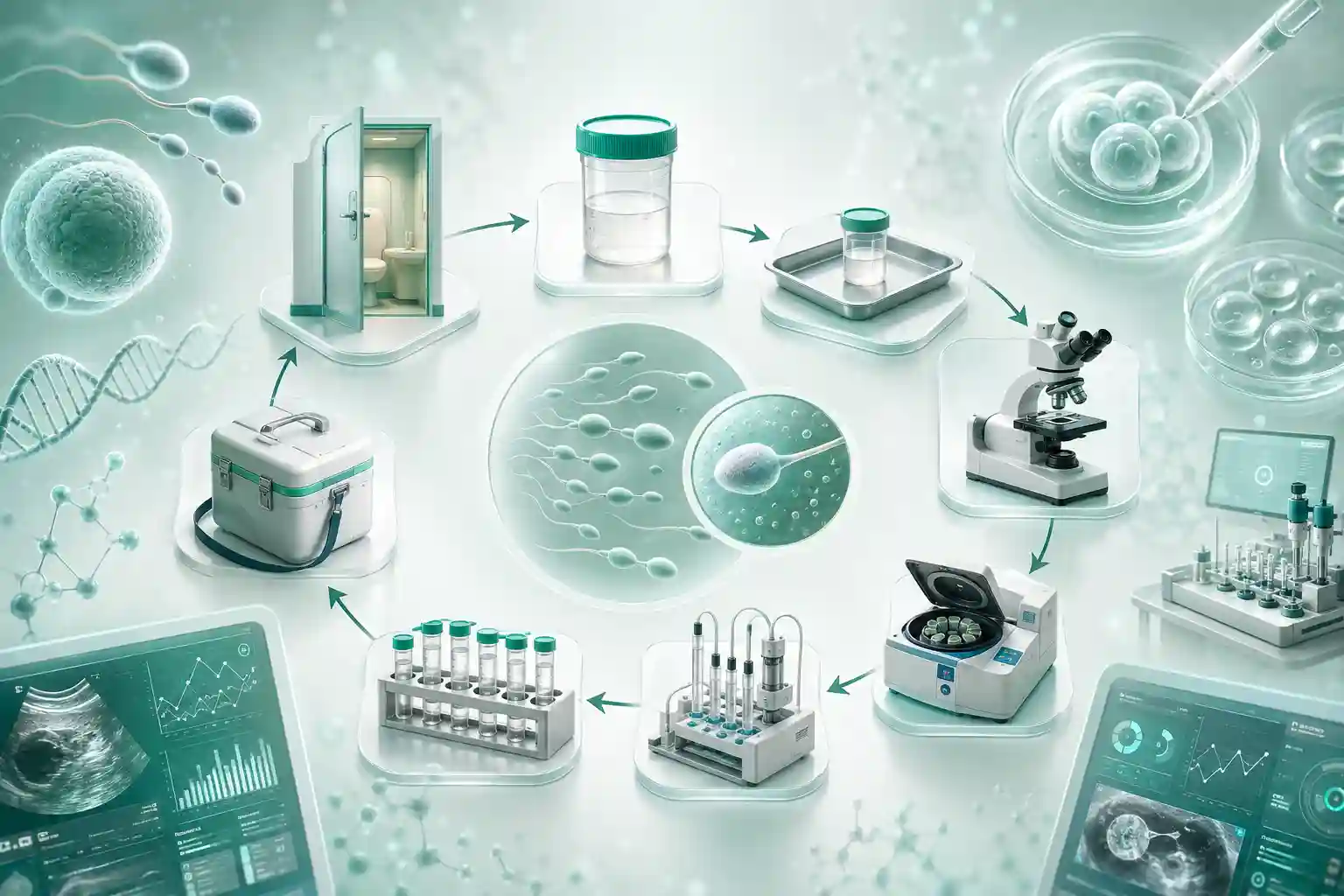
If you’re preparing for In Vitro Fertilization (IVF), you may be wondering how to collect sperm for IVF. Sperm collection is an important part of the IVF process because a healthy semen sample is needed for fertilization in the laboratory. In most cases, sperm is collected on the day of egg retrieval, although frozen sperm collected earlier may also be used.
The method of sperm collection depends on several factors, including sperm quality, medical history, and whether the sperm comes from a partner or a donor. Most men provide a semen sample through ejaculation into a sterile collection container, while others may require surgical sperm retrieval if sperm is not present in the ejaculate.
This guide explains how sperm is collected for IVF, how to prepare, what happens after collection, and what to expect throughout the process.
Why Is Sperm Collection Important for IVF?
Sperm collection is essential because the laboratory requires healthy sperm to fertilize the eggs collected during IVF.
The semen sample is carefully examined and processed to select the healthiest and most motile sperm for fertilization.
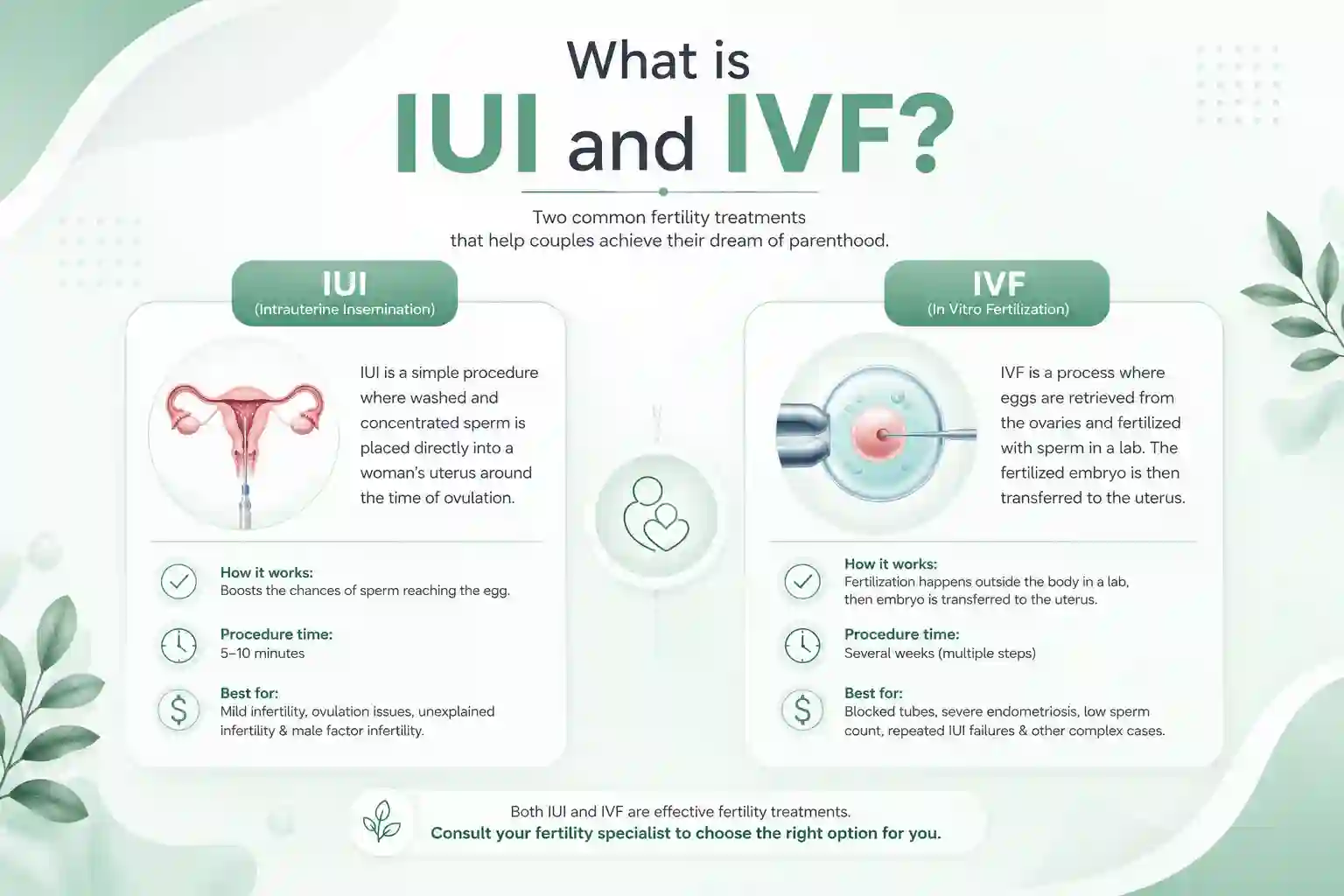
Depending on your treatment plan, fertilization may occur through:
- Conventional IVF
- Intracytoplasmic Sperm Injection (ICSI)
How Is Sperm Collected for IVF?
Several methods may be used depending on your individual situation.
Ejaculation into a Sterile Collection Container
This is the most common method.
The semen sample is usually produced:
- In a private collection room at the fertility clinic, or
- At home if the clinic allows it and the sample can be delivered within the recommended time.
The sample is collected directly into a sterile container provided by the fertility clinic.
Frozen Sperm Sample
Some patients choose to freeze sperm before IVF.
Frozen sperm may be recommended for:
- Men undergoing cancer treatment
- Individuals who will be unavailable on the day of egg retrieval
- Patients with declining fertility
- Donor sperm programs
The frozen sample is thawed in the laboratory before fertilization.
Surgical Sperm Retrieval
If sperm cannot be obtained through ejaculation, a fertility specialist may recommend surgical retrieval.
Common techniques include:
- PESA (Percutaneous Epididymal Sperm Aspiration)
- TESA (Testicular Sperm Aspiration)
- TESE (Testicular Sperm Extraction)
- Micro-TESE (Microsurgical Testicular Sperm Extraction)
These procedures are typically used for men with certain forms of azoospermia (absence of sperm in the ejaculate).
How to Prepare for Sperm Collection
Your fertility specialist may recommend:
- Abstaining from ejaculation for 2–5 days before collection.
- Staying well hydrated.
- Avoiding excessive alcohol.
- Avoiding smoking and recreational drugs.
- Getting adequate sleep.
- Informing the clinic about any fever or recent illness.
- Following all instructions provided by the fertility team.
Following these recommendations may help optimize semen quality.
What Happens After the Sample Is Collected?
Once the semen sample reaches the laboratory:
Semen Analysis
The embryology team evaluates:
- Sperm count
- Sperm motility (movement)
- Sperm morphology (shape)
- Semen volume
Sperm Preparation
The laboratory processes the sample to separate healthy, motile sperm from seminal fluid and other cells.
Fertilization
Depending on your treatment plan:
- In conventional IVF, prepared sperm are placed with the eggs in the laboratory.
- In ICSI, a single healthy sperm is injected directly into each mature egg.
What If You Cannot Produce a Sample?
If producing a semen sample is difficult, inform your fertility clinic in advance.
Depending on your situation, your fertility specialist may recommend:
- Collecting the sample before the egg retrieval day and freezing it.
- Surgical sperm retrieval.
- Alternative collection arrangements approved by the clinic.
Planning ahead can help prevent delays in treatment.
Benefits of Proper Sperm Collection
Proper collection helps:
- Improve laboratory processing.
- Optimize sperm quality.
- Reduce sample contamination.
- Support successful fertilization.
- Ensure the IVF cycle proceeds as planned.
Factors That Affect Sperm Quality
Several factors influence semen quality.
Age
Although men remain fertile longer than women, sperm quality may gradually decline with age.
Lifestyle Habits
Healthy habits include:
- Maintaining a healthy weight
- Regular exercise
- Avoiding smoking
- Limiting alcohol
- Avoiding recreational drugs
Medical Conditions
Certain illnesses, infections, medications, and hormonal disorders may affect sperm production.
Heat Exposure
Frequent exposure to excessive heat, such as hot tubs or saunas, may temporarily reduce sperm production in some men.
Emotional & Patient Perspective
Many men feel anxious or embarrassed about providing a semen sample.
These feelings are completely normal.
Fertility clinics understand that sperm collection can be stressful and are experienced in helping patients through the process with privacy, professionalism, and sensitivity. If you have concerns about producing a sample on the scheduled day, discuss them with your fertility specialist beforehand so alternative options can be considered if needed.
Tips for a Successful Sperm Collection
Before collection:
- Follow the recommended abstinence period.
- Stay hydrated.
- Avoid alcohol and smoking.
- Get a good night’s sleep.
- Use only the sterile container provided by the clinic.
- Follow the clinic’s collection and transportation instructions carefully.
When to See a Fertility Specialist
Consult your fertility specialist if:
- You have difficulty producing a semen sample.
- You have previously been diagnosed with low sperm count or azoospermia.
- You have had testicular surgery or injury.
- You have concerns about male fertility.
- You would like to discuss sperm freezing before IVF.
Early evaluation allows the fertility team to plan the most appropriate sperm collection method.
Knowing how to collect sperm for IVF can help you feel more prepared for your fertility treatment. In most cases, sperm is collected through ejaculation into a sterile container on the day of egg retrieval, although frozen sperm or surgically retrieved sperm may also be used when medically indicated. Following your fertility clinic’s instructions, maintaining healthy lifestyle habits, and communicating any concerns in advance can help ensure the sperm collection process goes as smoothly as possible and support the overall success of your IVF treatment.
FAQs About How to Collect Sperm for IVF
1. How is sperm usually collected for IVF?
Most men provide a semen sample through ejaculation into a sterile collection container supplied by the fertility clinic.
2. How many days should I abstain before sperm collection?
Many fertility specialists recommend 2–5 days of abstinence before providing a semen sample, but always follow your clinic’s specific instructions.
3. Can frozen sperm be used for IVF?
Yes. Frozen sperm can be successfully used for IVF and ICSI after it is thawed and prepared in the laboratory.
4. What happens if I cannot produce a semen sample?
Your fertility specialist may recommend collecting and freezing a sample in advance or performing a surgical sperm retrieval procedure if medically appropriate.
5. Is surgical sperm retrieval painful?
These procedures are usually performed with local or general anesthesia, depending on the technique used. Your specialist will explain the procedure and recovery.
6. Can poor sperm quality prevent IVF?
Poor sperm quality may reduce fertilization potential, but techniques such as ICSI can help many couples achieve successful fertilization.
7. Can I collect the sperm sample at home?
Some fertility clinics allow home collection if the sample can be transported correctly and delivered within the required time. Always follow your clinic’s instructions regarding home collection.