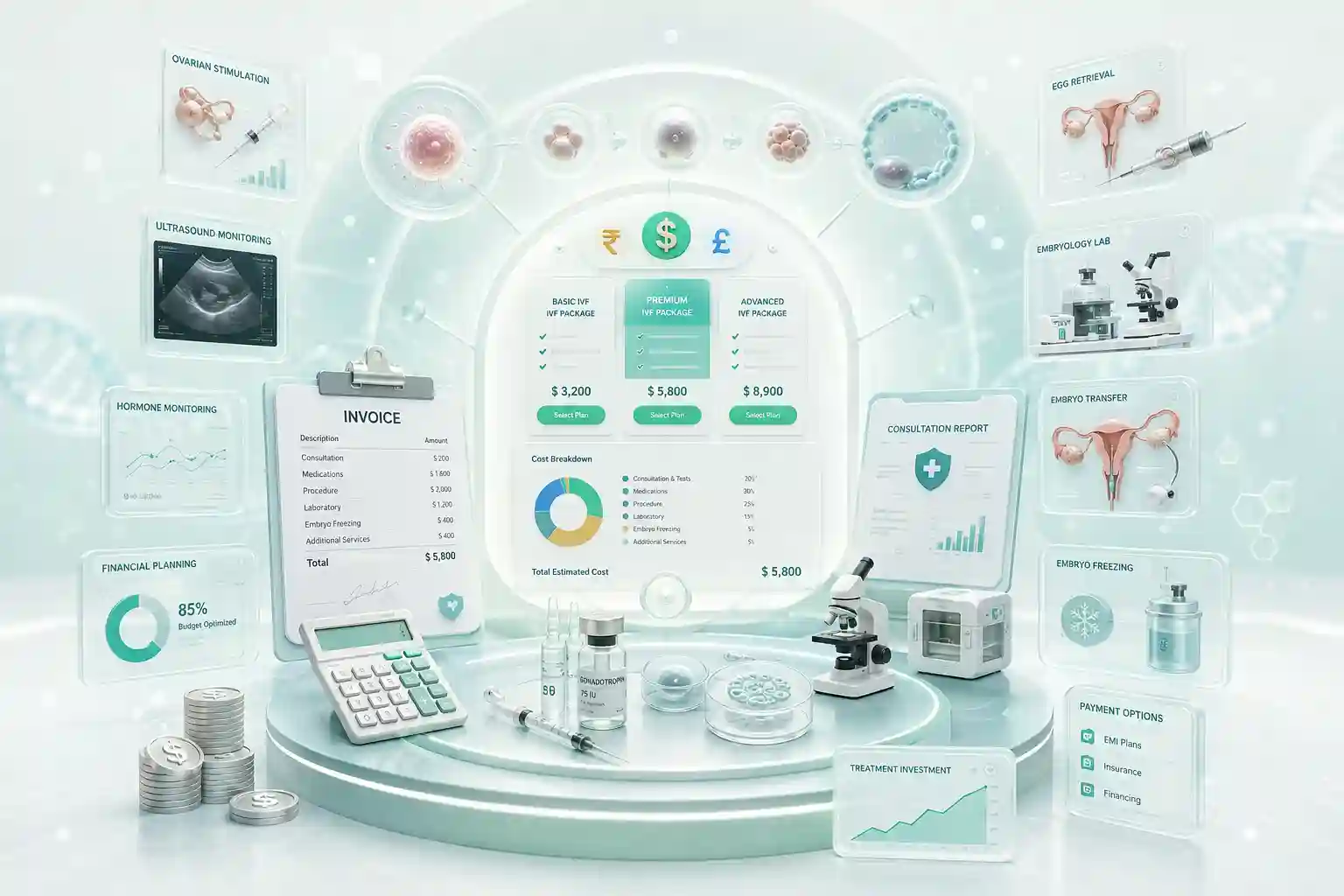
If you’re considering In Vitro Fertilization (IVF), one of the first questions you’ll likely ask is, “What is the IVF treatment price?” IVF is one of the most effective fertility treatments available, helping millions of individuals and couples achieve pregnancy. However, the total cost can vary depending on your fertility diagnosis, treatment plan, medications, and the fertility clinic you choose.
The IVF treatment price includes much more than the embryo transfer procedure. A complete IVF cycle typically involves fertility consultations, diagnostic tests, ovarian stimulation, ultrasound monitoring, egg retrieval, laboratory fertilization, embryo culture, embryo transfer, and pregnancy testing. Additional procedures such as ICSI, embryo freezing, or genetic testing may increase the overall cost.
This guide explains the average IVF treatment price, what is included in the package, factors affecting the cost, and how to prepare financially for treatment.
What Is the Average IVF Treatment Price?
The IVF treatment price varies depending on the country, city, fertility clinic, and individual treatment requirements.
In India, the average IVF treatment price generally ranges from ₹1,20,000 to ₹2,50,000 per cycle.
Below is a typical cost breakdown.
| Treatment Component | Approximate Cost (INR) |
| Initial Consultation | ₹500–₹2,500 |
| Fertility Evaluation & Blood Tests | ₹10,000–₹30,000 |
| Ultrasound Monitoring | ₹5,000–₹20,000 |
| Ovarian Stimulation Medications | ₹40,000–₹80,000 |
| Egg Retrieval Procedure | ₹25,000–₹50,000 |
| IVF Laboratory & Fertilization | ₹35,000–₹70,000 |
| Embryo Transfer | ₹20,000–₹40,000 |
| Estimated Total Per Cycle | ₹1,20,000–₹2,50,000+ |
These figures are approximate and may differ based on the fertility center and treatment protocol.
What Is Included in the IVF Treatment Price?
A standard IVF cycle usually includes several stages.
Initial Consultation
Your fertility specialist reviews:
- Medical history
- Fertility history
- Previous treatments
- Lifestyle factors
- Treatment goals
Fertility Evaluation
Investigations may include:
- Hormone blood tests
- Semen analysis
- Pelvic ultrasound
- Ovarian reserve assessment
- Infectious disease screening
- Additional fertility tests when necessary
Ovarian Stimulation
Hormonal medications are used to stimulate the ovaries to produce multiple mature eggs.
Regular ultrasound scans and blood tests monitor follicle growth.
Trigger Injection
A trigger injection is given when the follicles reach the appropriate size to prepare the eggs for retrieval.
Egg Retrieval
Egg retrieval is performed under light anesthesia or sedation using ultrasound guidance.
The procedure usually takes 20–30 minutes.
Fertilization and Embryo Culture
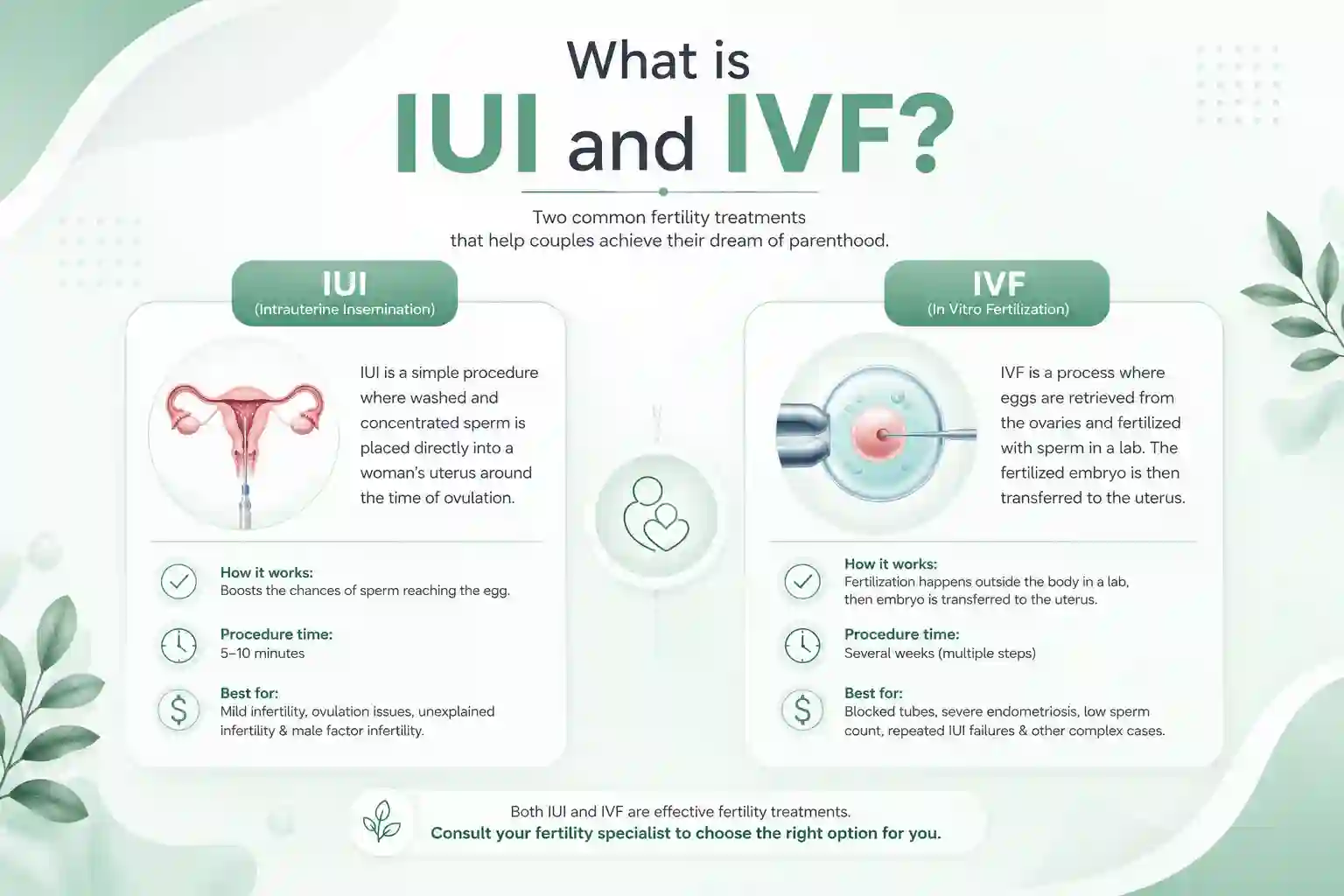
Collected eggs are fertilized with sperm in the embryology laboratory.
The resulting embryos are monitored for several days before transfer.
Embryo Transfer
A healthy embryo is transferred into the uterus using a thin catheter.
The procedure is usually painless and does not require anesthesia.
Pregnancy Test
A blood beta-hCG test is generally performed 10–14 days after embryo transfer.
Factors That Affect IVF Treatment Price
Several factors influence the total treatment cost.
Fertility Clinic
Clinics with experienced fertility specialists, advanced embryology laboratories, and modern technology may charge higher fees.
Fertility Medications
Medication costs vary depending on age, ovarian reserve, and response to treatment.
Advanced Laboratory Procedures
Additional procedures may increase the total cost, including:
- Intracytoplasmic Sperm Injection (ICSI)
- Blastocyst culture
- Assisted hatching
- Time-lapse embryo monitoring
Genetic Testing
Preimplantation Genetic Testing (PGT) is an optional procedure that adds to the treatment cost.
Embryo Freezing
Cryopreservation and annual embryo storage fees are generally billed separately.
Donor Programs
Using donor eggs, donor sperm, or donor embryos usually increases treatment expenses.
Number of IVF Cycles
Some patients achieve pregnancy after one cycle, while others may require multiple treatment cycles.
Additional Costs to Consider
Besides the standard IVF package, additional expenses may include:
- Fertility medications
- Frozen embryo transfer (FET)
- Embryo freezing
- Annual embryo storage
- Genetic testing (PGT)
- Donor egg or donor sperm programs
- Additional laboratory procedures
Always request a detailed written estimate before starting treatment.
Benefits of IVF Treatment
IVF offers several important advantages.
These include:
- Higher pregnancy rates for many infertility conditions
- Treatment option for blocked fallopian tubes
- Effective treatment for severe male factor infertility
- Ability to freeze embryos for future pregnancies
- Genetic testing options when medically appropriate
- Fertility preservation opportunities
Risks, Side Effects, or Limitations
Although IVF is considered safe, possible risks include:
- Ovarian Hyperstimulation Syndrome (OHSS)
- Multiple pregnancy if multiple embryos are transferred
- Mild cramping after egg retrieval
- Temporary bloating
- Procedure-related discomfort
Despite advances in fertility treatment, IVF cannot guarantee pregnancy.
Factors Affecting IVF Success
Several factors influence IVF outcomes.
Female Age
Age is one of the strongest predictors of treatment success.
Egg Quality
Healthy eggs improve embryo development.
Sperm Quality
Healthy sperm supports successful fertilization.
Embryo Quality
High-quality embryos have better implantation potential.
Uterine Health
A healthy uterine lining is essential for successful implantation.
Lifestyle Factors
Maintaining a healthy weight, eating a balanced diet, avoiding smoking, limiting alcohol, and following medical advice may support treatment outcomes.
Emotional & Patient Perspective
Choosing IVF is both an emotional and financial decision.
Many patients worry about:
- Whether one cycle will be enough.
- Managing treatment costs.
- Choosing the right fertility clinic.
- Balancing affordability with quality care.
Rather than selecting a clinic based only on price, consider factors such as the experience of the fertility specialists, laboratory quality, patient support services, treatment transparency, and personalized care. These elements can have a significant impact on your overall treatment experience.
Tips Before Starting IVF Treatment
Before beginning treatment:
- Request a detailed written cost estimate.
- Confirm which services are included in the package.
- Ask whether medications are billed separately.
- Discuss possible additional procedures and their costs.
- Understand embryo storage charges.
- Review available payment plans if offered.
- Follow your fertility specialist’s treatment instructions carefully.
Planning ahead helps reduce financial uncertainty during treatment.
When to See a Fertility Specialist
Consult a fertility specialist if:
- You have been trying to conceive for one year (or six months if you are 35 years or older).
- You have blocked fallopian tubes.
- You have severe male factor infertility.
- You have experienced repeated unsuccessful fertility treatments.
- You would like to discuss IVF treatment and pricing.
A comprehensive fertility evaluation will help determine the most appropriate treatment plan for your individual needs.
The IVF treatment price depends on the fertility clinic, medications, laboratory services, and your personalized treatment plan. In India, the average cost generally ranges from ₹1,20,000 to ₹2,50,000 per cycle, with additional charges possible for medications, ICSI, embryo freezing, genetic testing, or donor programs. Before starting treatment, ask your fertility clinic for a detailed cost breakdown so you can make informed medical and financial decisions. Choosing an experienced fertility specialist and a reputable IVF center often provides the best value and support throughout your fertility journey.
FAQs About IVF Treatment Price
1. What is the average IVF treatment price in India?
The average IVF treatment price in India generally ranges from ₹1,20,000 to ₹2,50,000 per cycle, depending on the clinic and treatment plan.
2. Does the IVF treatment price include medications?
Not always. Many fertility clinics charge separately for ovarian stimulation medications and hormone injections.
3. Are egg retrieval and embryo transfer included in the IVF package?
Most standard IVF packages include egg retrieval and embryo transfer, but you should confirm exactly what is included with your clinic.
4. What additional costs may be involved?
Additional costs may include ICSI, embryo freezing, frozen embryo transfer (FET), genetic testing (PGT), donor programs, fertility medications, and embryo storage fees.
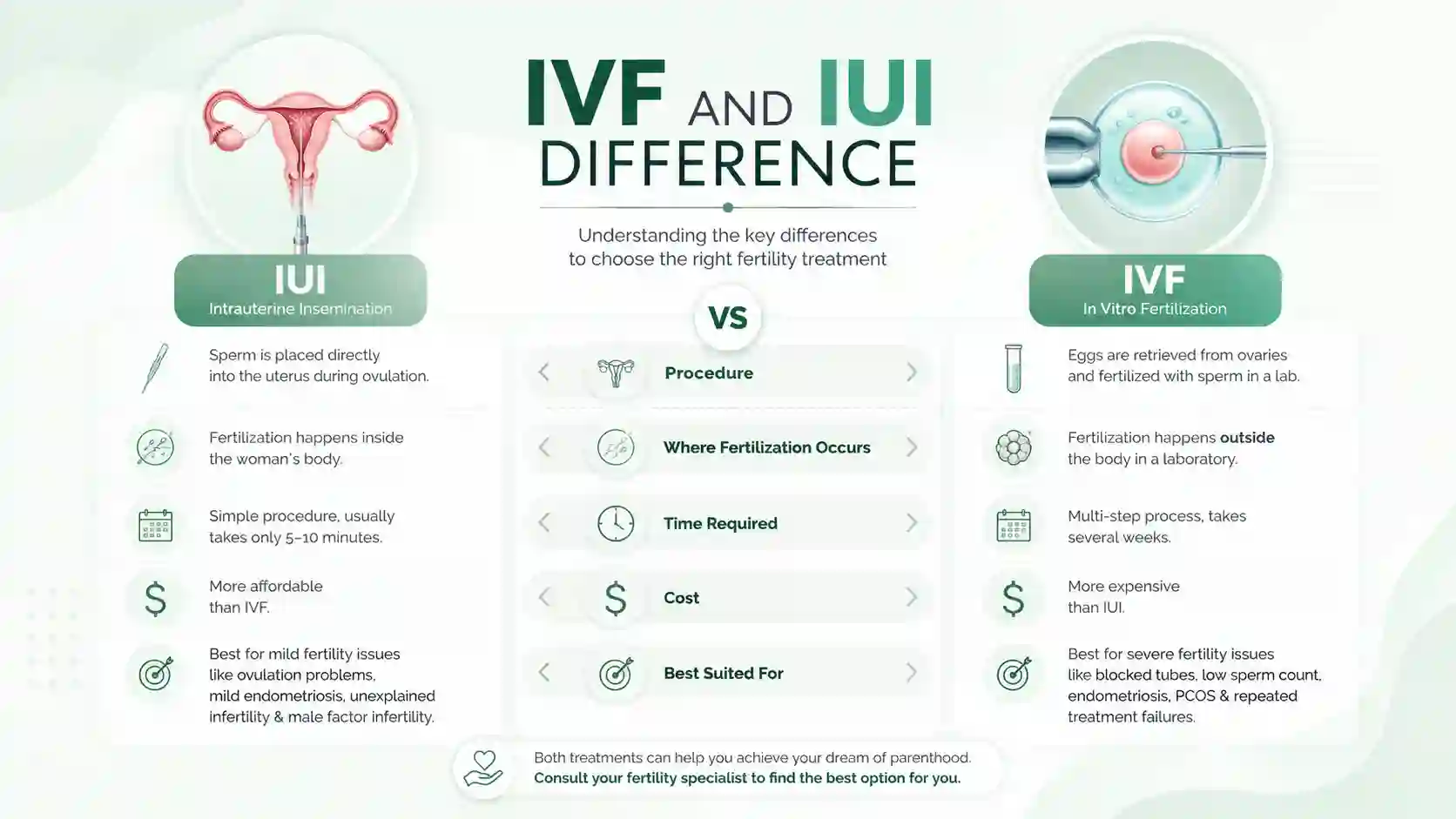
5. Is IVF more expensive than IUI?
Yes. IVF generally costs significantly more than IUI because it includes ovarian stimulation, egg retrieval, laboratory fertilization, embryo culture, and embryo transfer.
6. Does health insurance cover IVF treatment?
Insurance coverage varies depending on your provider and policy. Check with your insurance company to understand your fertility treatment benefits.
7. How can I choose the right IVF clinic?
Look for experienced fertility specialists, advanced embryology laboratories, transparent pricing, personalized treatment plans, strong patient reviews, and comprehensive support throughout your fertility journey.