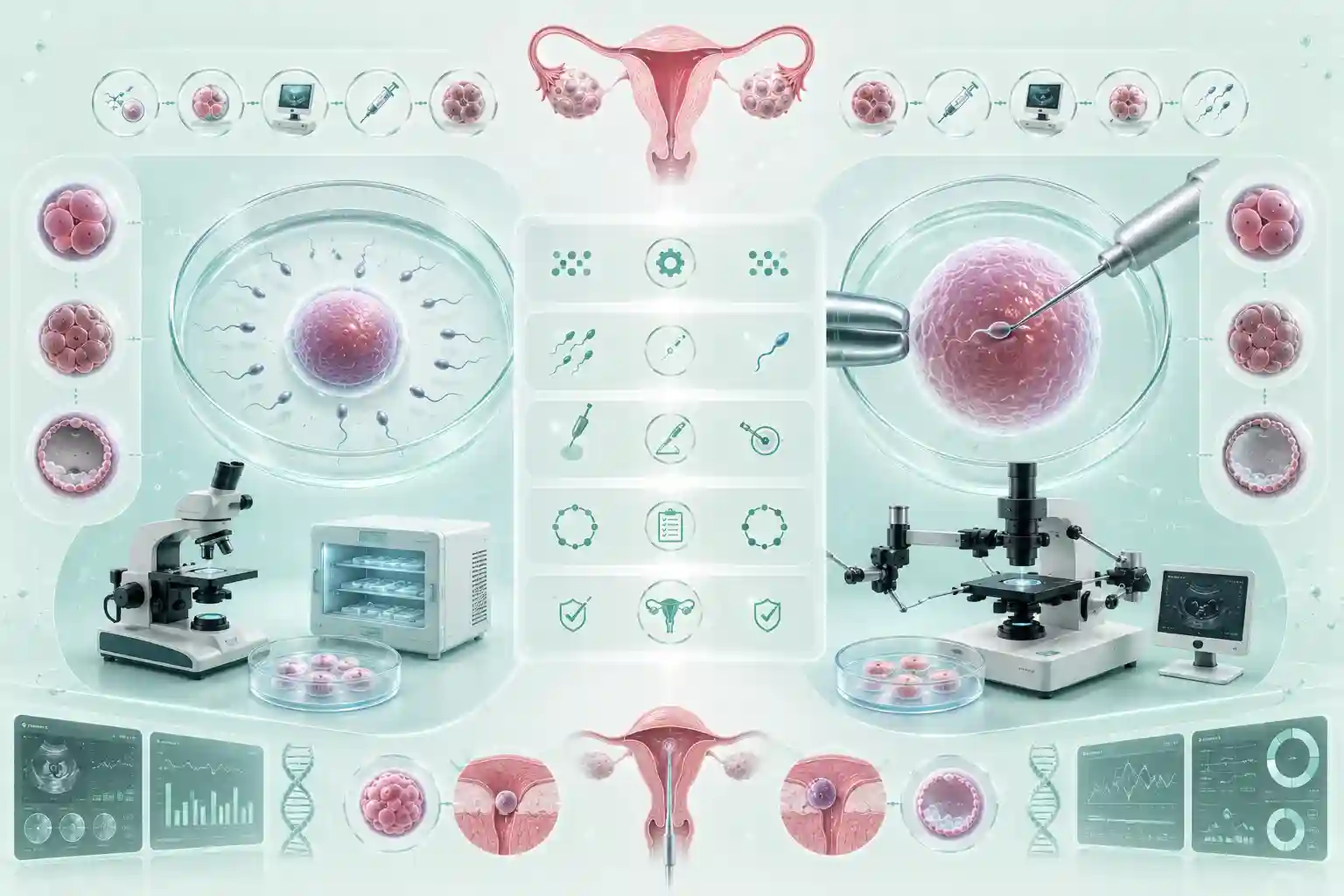
If you’re exploring fertility treatment, you may come across two commonly recommended procedures: In Vitro Fertilization (IVF) and Intracytoplasmic Sperm Injection (ICSI). A common question many couples ask is, “What is the difference between ICSI and IVF?”
Although ICSI and IVF share many treatment steps, the key difference lies in how fertilization occurs in the laboratory. In conventional IVF, eggs and sperm are placed together in a laboratory dish, allowing fertilization to happen naturally. In ICSI, an embryologist selects a single healthy sperm and injects it directly into a mature egg using specialized microscopic equipment.
Both treatments are highly effective, but the best option depends on the underlying cause of infertility.
This guide explains the difference between ICSI and IVF, including how each procedure works, who may benefit, success rates, advantages, risks, and frequently asked questions.
What Is IVF?
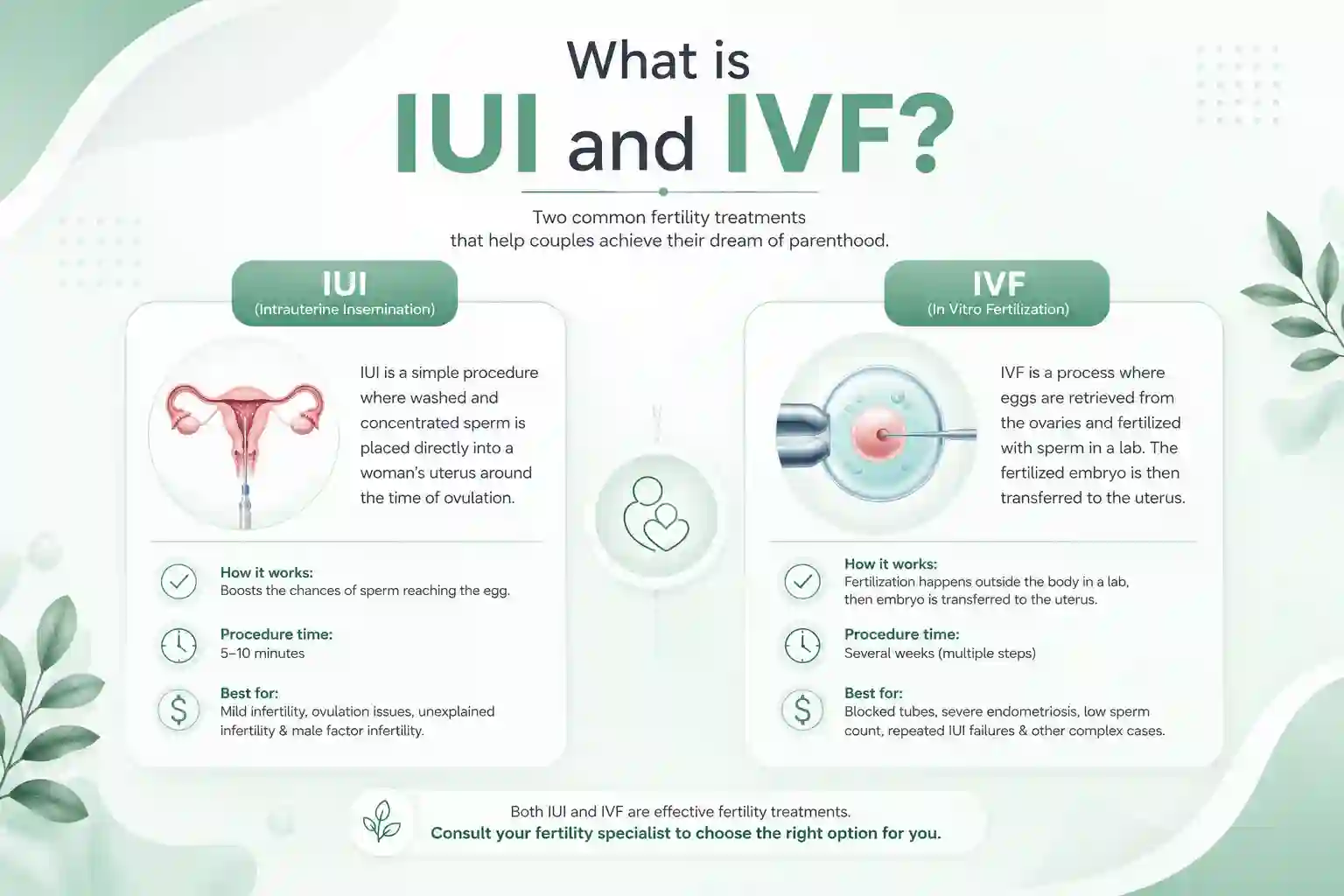
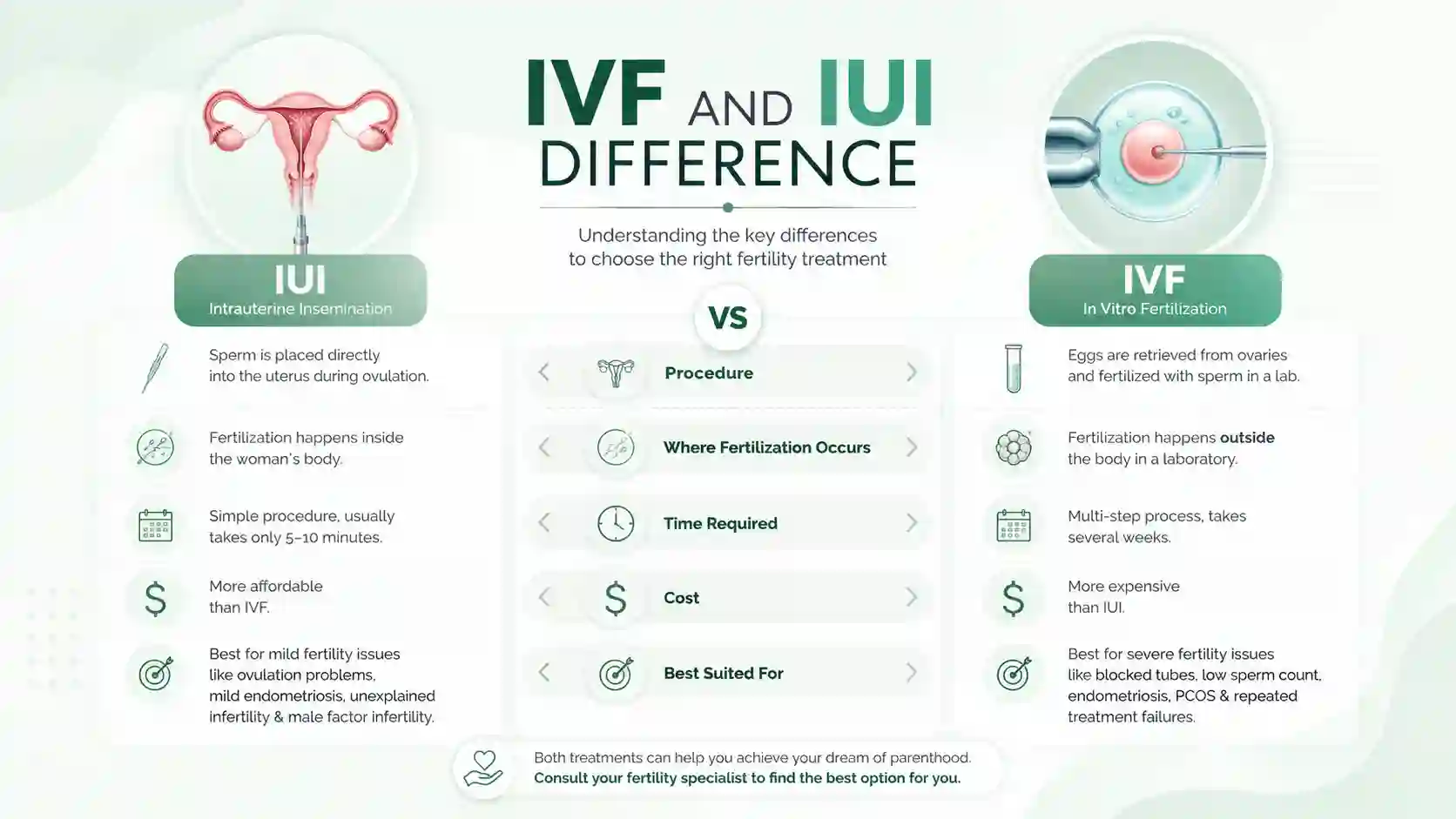
In Vitro Fertilization (IVF) is an assisted reproductive technology in which mature eggs are collected from the ovaries and combined with sperm in a laboratory.
The sperm fertilizes the egg naturally in the culture dish, after which the resulting embryo is transferred into the uterus.
What Is ICSI?
Intracytoplasmic Sperm Injection (ICSI) is an advanced laboratory technique performed during an IVF cycle.
Instead of allowing sperm to fertilize the egg naturally, an embryologist injects one healthy sperm directly into one mature egg using a microscopic needle.
The remaining IVF process is the same.
IVF vs. ICSI: Key Differences
| Feature | IVF | ICSI |
| Fertilization Method | Eggs and sperm are placed together in a laboratory dish | A single sperm is injected directly into each mature egg |
| Best For | Normal or mildly reduced sperm quality | Severe male factor infertility or previous fertilization failure |
| Sperm Requirement | Thousands of motile sperm are needed | Only one healthy sperm is needed per mature egg |
| Laboratory Technique | Natural fertilization in the laboratory | Micromanipulation using specialized equipment |
| Performed During | Standard IVF cycle | As part of an IVF cycle |
| Egg Retrieval | Required | Required |
| Embryo Transfer | Required | Required |
How Do IVF and ICSI Procedures Compare?
Both treatments follow almost the same process until fertilization.
Step 1: Fertility Evaluation
Before treatment, both IVF and ICSI involve:
- Medical history review
- Hormone blood tests
- Pelvic ultrasound
- Semen analysis
- Fertility assessment
Step 2: Ovarian Stimulation
Hormonal medications stimulate the ovaries to produce multiple mature eggs.
Step 3: Egg Retrieval
Egg retrieval is performed under sedation using ultrasound guidance.
Step 4: Fertilization
IVF:
- Eggs and prepared sperm are placed together in the laboratory.
- Fertilization occurs naturally if a sperm successfully enters the egg.
ICSI:
- An embryologist selects a single healthy sperm.
- The sperm is injected directly into the mature egg.
Step 5: Embryo Culture
Embryos are monitored in the laboratory for several days.
Step 6: Embryo Transfer
A selected embryo is transferred into the uterus.
Who Should Choose IVF?
Conventional IVF may be recommended if:
- Sperm quality is normal or only mildly reduced.
- Fallopian tubes are blocked.
- There is unexplained infertility.
- Ovulation disorders are present.
- Fertility treatment is being started for the first time in appropriate cases.
Your fertility specialist will determine whether IVF is suitable based on your evaluation.
Who Should Choose ICSI?
ICSI is commonly recommended for:
- Low sperm count
- Poor sperm motility
- Abnormal sperm morphology
- Previous IVF fertilization failure
- Surgically retrieved sperm
- Frozen sperm with limited numbers
- Certain unexplained infertility cases
The decision depends on your fertility diagnosis.
IVF vs. ICSI Success Rate
ICSI generally improves fertilization rates in patients with male factor infertility, but it does not automatically increase pregnancy or live birth rates compared with conventional IVF for everyone.
Overall success depends on factors such as:
- Female age
- Egg quality
- Embryo quality
- Uterine health
- Overall reproductive health
Your fertility specialist can provide a personalized estimate based on your individual situation.
Benefits of IVF
IVF offers several advantages.
These include:
- Natural laboratory fertilization
- Effective treatment for many infertility conditions
- Suitable when sperm quality is adequate
- Can be combined with embryo freezing and genetic testing
Benefits of ICSI
ICSI offers several advantages.
These include:
- Improves fertilization in severe male infertility
- Requires only one healthy sperm per egg
- Useful after previous fertilization failure
- Can use surgically retrieved sperm
- Can be combined with advanced IVF techniques
Risks, Side Effects, or Limitations
Both IVF and ICSI share similar treatment-related risks, including:
- Ovarian Hyperstimulation Syndrome (OHSS)
- Mild discomfort after egg retrieval
- Multiple pregnancy if multiple embryos are transferred
- Emotional stress during treatment
Additional considerations for ICSI include:
- Not every injected egg fertilizes.
- Not every fertilized egg develops into a healthy embryo.
- ICSI cannot overcome poor egg quality.
Neither IVF nor ICSI can guarantee pregnancy.
Emotional & Patient Perspective
Choosing between IVF and ICSI can feel confusing.
Many couples assume that ICSI is automatically “better” because it is more advanced.
In reality, the best treatment is the one that matches your fertility diagnosis. If sperm quality is normal, conventional IVF may be entirely appropriate. If severe male infertility is present, ICSI often provides the best opportunity for successful fertilization.
Discussing your test results with your fertility specialist can help you understand why one approach is recommended over the other.
Tips Before Starting Treatment
Before beginning IVF or ICSI:
- Complete all recommended fertility tests.
- Discuss your semen analysis results.
- Ask why a specific treatment is being recommended.
- Follow all medication instructions.
- Maintain a healthy lifestyle.
- Attend all monitoring appointments.
When to See a Fertility Specialist
Consult a fertility specialist if:
- You have been trying to conceive without success.
- You have abnormal semen analysis results.
- You have experienced previous IVF fertilization failure.
- You have blocked fallopian tubes or other fertility concerns.
- You would like to know whether IVF or ICSI is more appropriate for your situation.
A comprehensive fertility evaluation will help determine the most suitable treatment.
The difference between ICSI and IVF lies primarily in the method of fertilization. In conventional IVF, sperm and eggs are placed together in the laboratory, allowing fertilization to occur naturally. In ICSI, a single healthy sperm is injected directly into each mature egg to assist fertilization, making it especially useful for severe male factor infertility. Both treatments share the same overall IVF process, and neither is universally better than the other. The most appropriate choice depends on your fertility diagnosis, sperm quality, egg quality, and the recommendations of your fertility specialist.
FAQs About the Difference Between ICSI and IVF
1. What is the main difference between IVF and ICSI?
In IVF, eggs and sperm are combined in a laboratory dish, allowing fertilization to occur naturally. In ICSI, an embryologist injects one healthy sperm directly into each mature egg.
2. Is ICSI more successful than IVF?
ICSI can improve fertilization rates in cases of male factor infertility. However, overall pregnancy and live birth rates depend on factors such as female age, embryo quality, and uterine health.
3. Who needs ICSI instead of IVF?
ICSI is commonly recommended for severe male infertility, low sperm count, poor sperm motility, abnormal sperm morphology, previous fertilization failure, or surgically retrieved sperm.
4. Is ICSI more expensive than IVF?
Yes. Because ICSI requires specialized laboratory equipment and additional embryology procedures, it generally costs more than conventional IVF.
5. Is the egg retrieval procedure different for IVF and ICSI?
No. Egg retrieval, ovarian stimulation, and embryo transfer are essentially the same in both treatments. The difference is only in the laboratory fertilization method.
6. Can ICSI guarantee fertilization?
No. Although ICSI significantly improves the chance of fertilization in selected patients, it cannot guarantee fertilization, embryo development, pregnancy, or live birth.
7. How do I know whether I need IVF or ICSI?
Your fertility specialist will recommend the most appropriate treatment after evaluating your fertility history, semen analysis, egg quality, and the underlying cause of infertility.