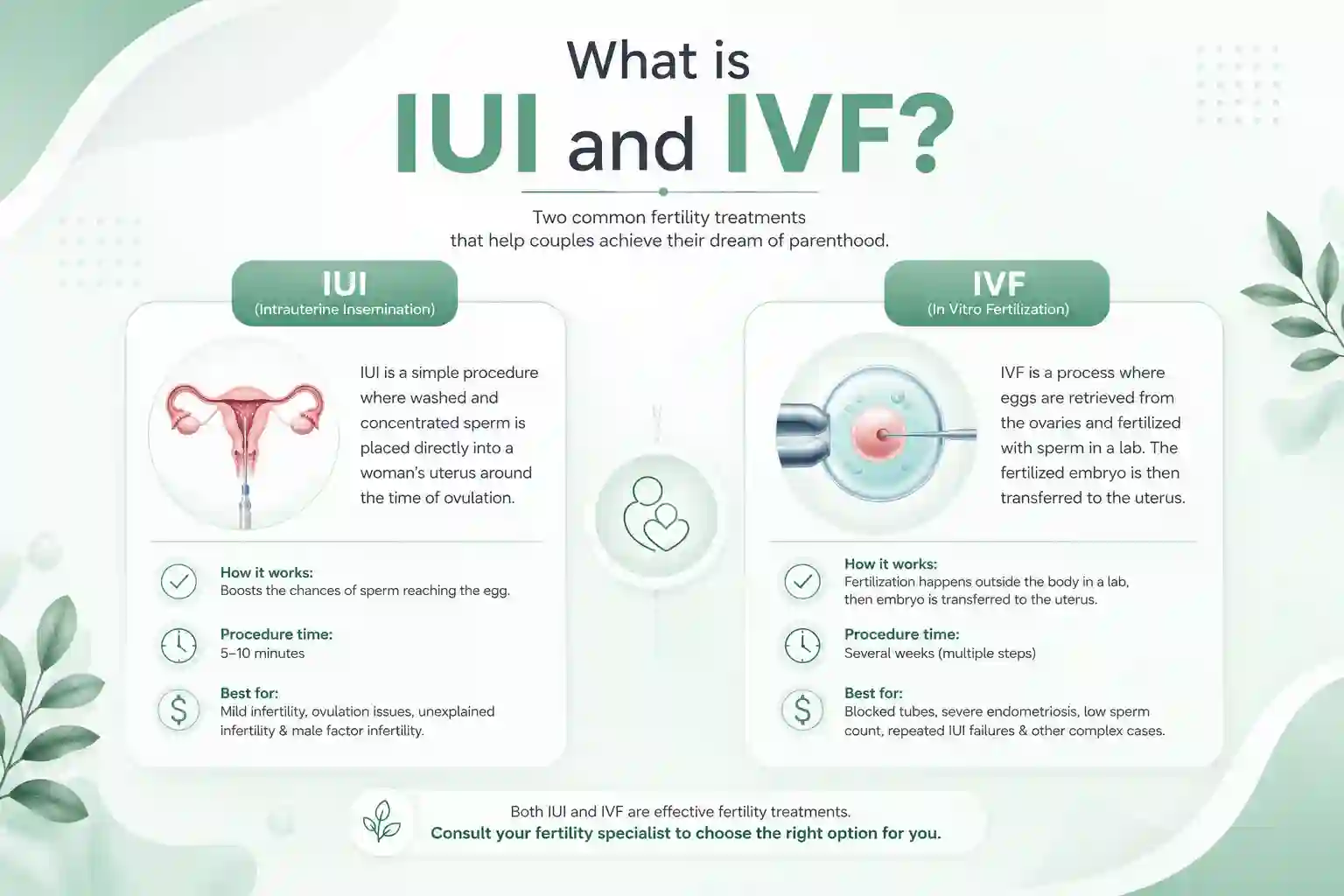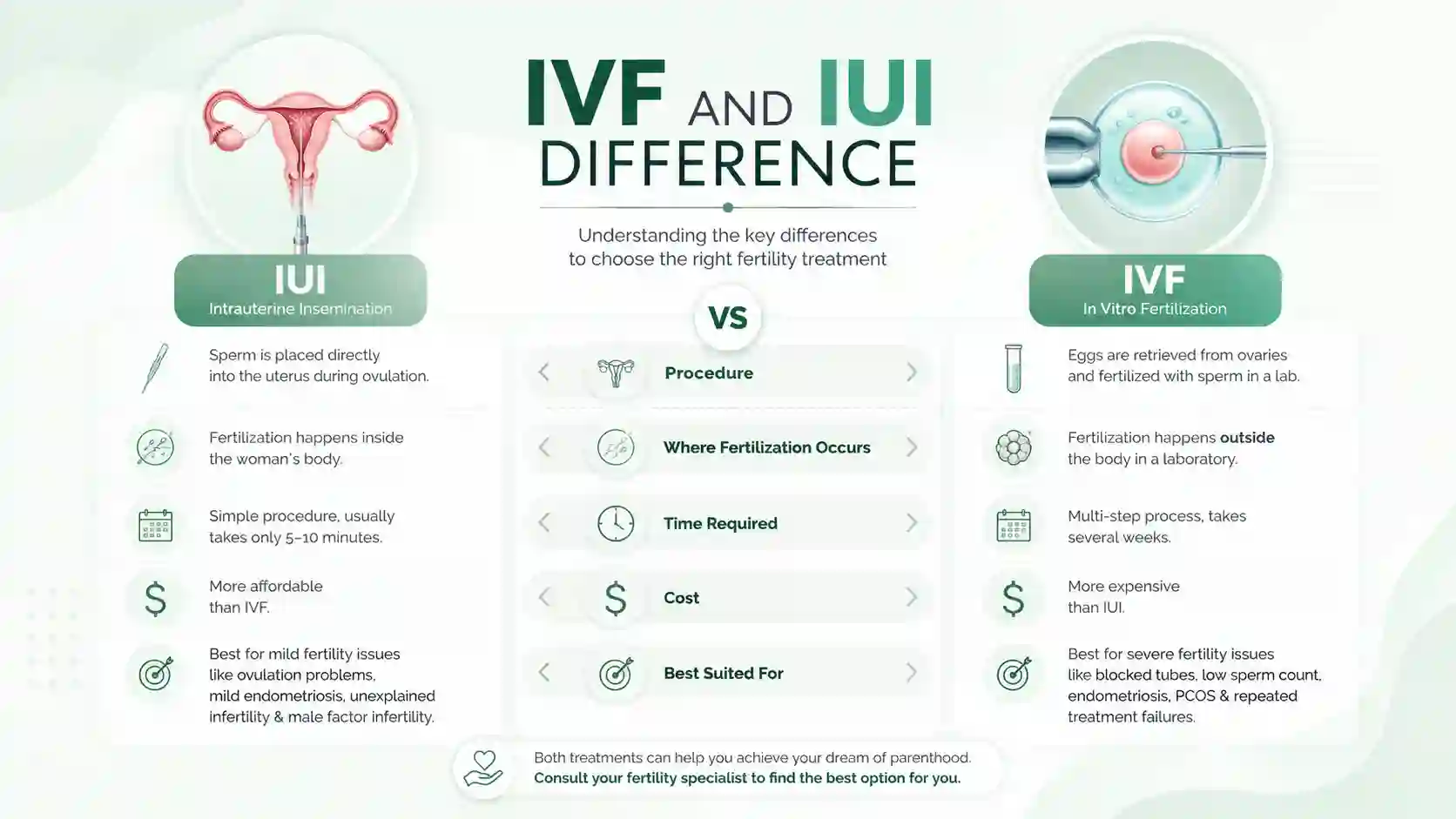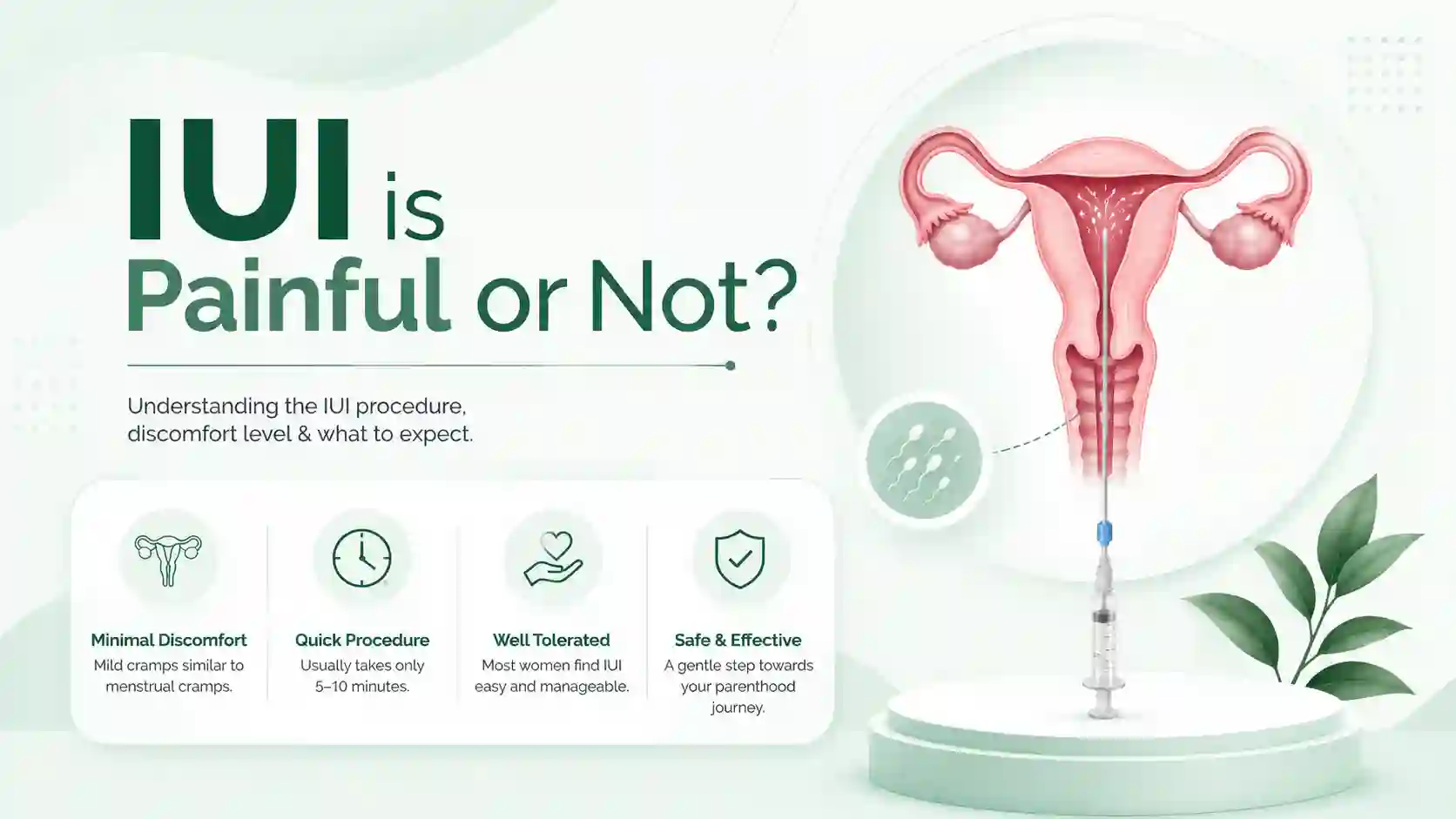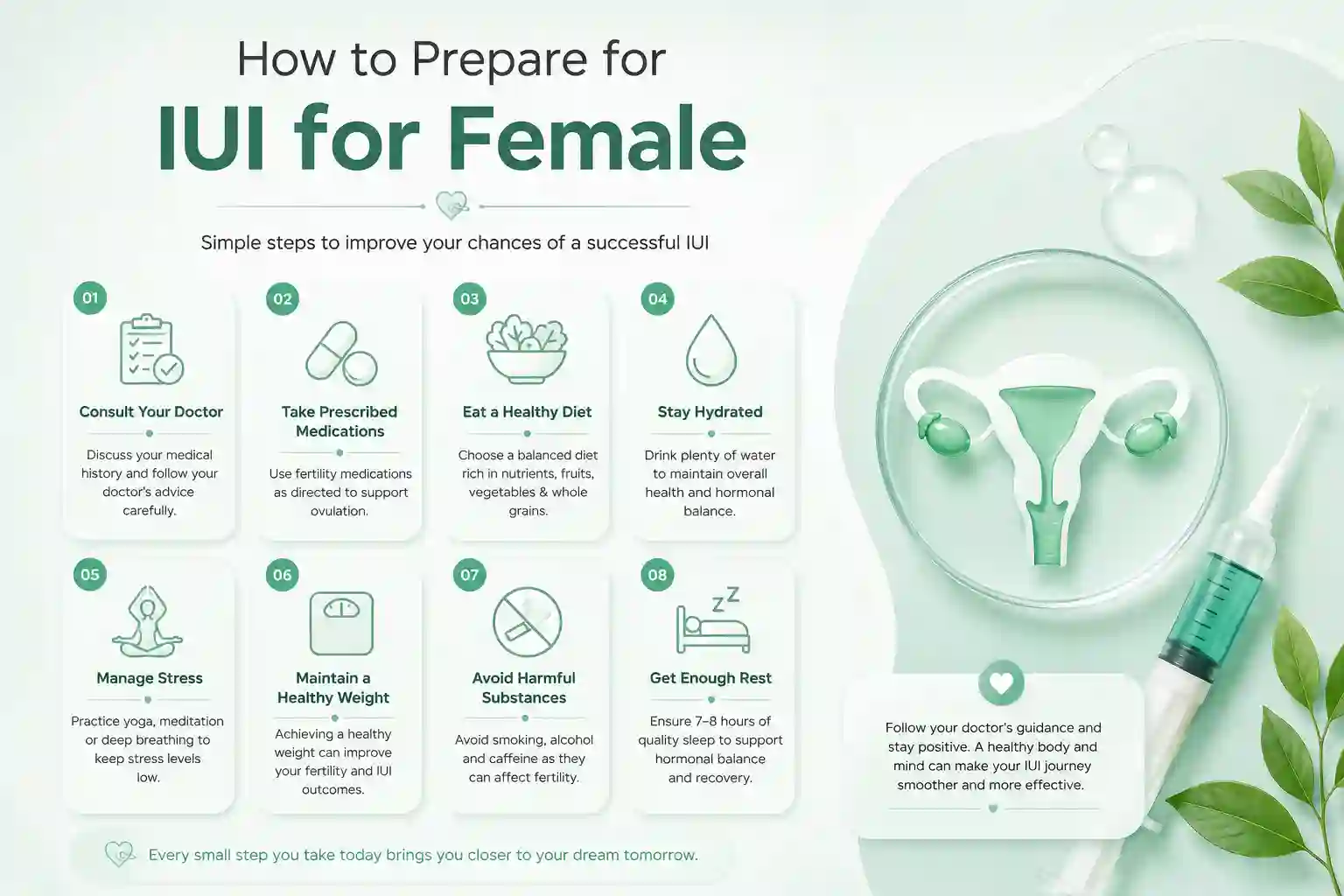
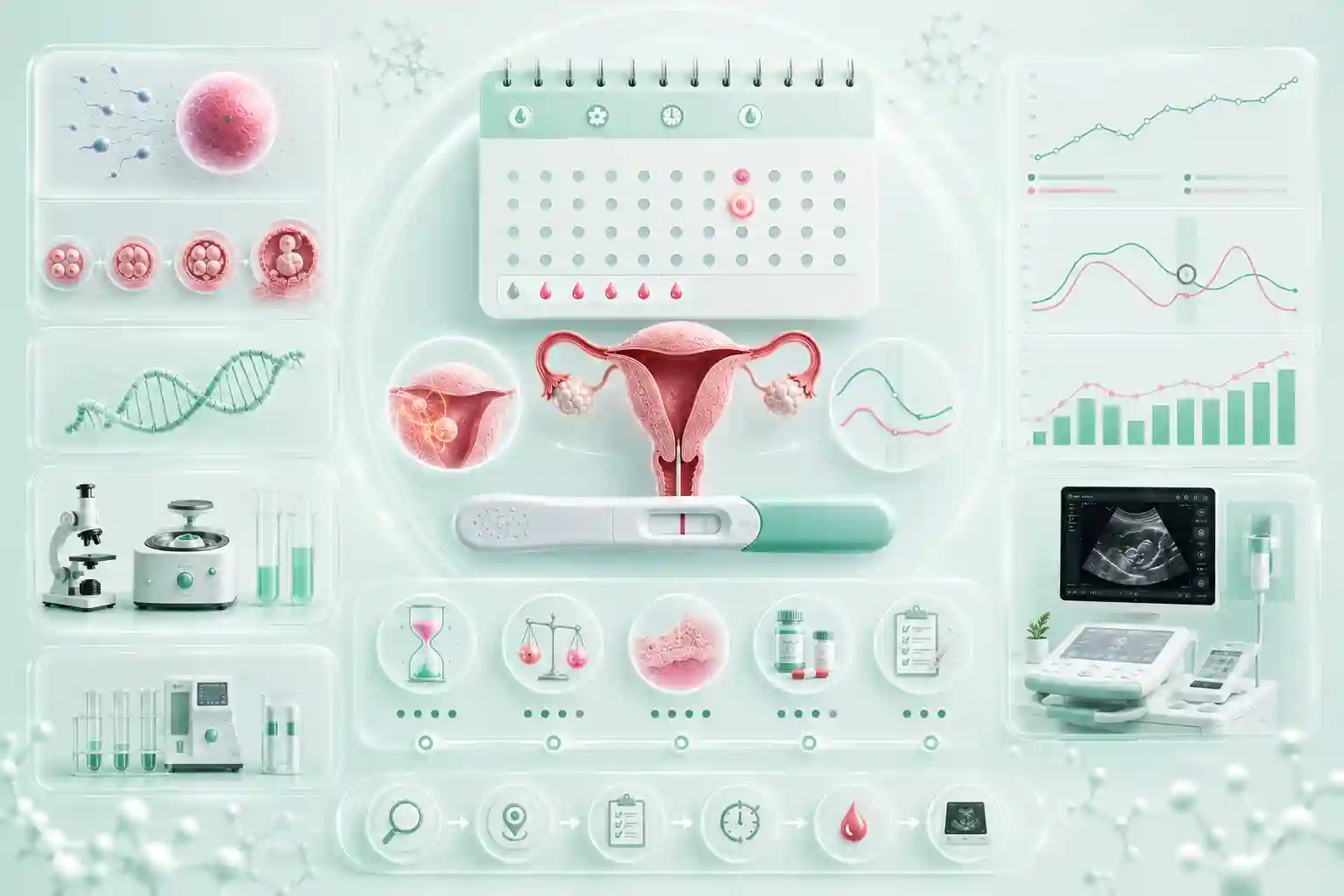
The two-week wait is widely considered the most emotionally grueling part of any fertility treatment. You count down the days, analyze every physical symptom, and finally gather the courage to take a test. But what happens when you are left in a state of medical limbo? Experiencing no periods after IUI but negative pregnancy test results is one of the most confusing, frustrating, and heartbreaking scenarios a fertility patient can face.
You might instantly wonder if you tested too early, if the test brand is faulty, or if something is fundamentally wrong with your cycle.
The reassuring truth is that this situation is incredibly common in reproductive medicine. In most cases, a delayed cycle is not a sign of a medical emergency, but rather a direct biological response to the fertility medications you are taking. This guide will help you understand exactly what is happening in your body and outline the clear steps you should take next.
What Causes No Periods After IUI But Negative Pregnancy Test Outcomes?
During a natural, unmedicated menstrual cycle, your body runs on a strict hormonal clock. After you ovulate, your body produces progesterone to thicken the uterine lining in preparation for a fertilized egg. If an embryo does not implant, your progesterone levels naturally drop. This sudden hormonal drop is the exact trigger that tells your uterus to shed its lining, resulting in your period.
However, an intrauterine insemination cycle is usually medicated. The primary reason you are seeing a delayed cycle with a negative test is that the medications prescribed by your clinic have artificially altered this natural hormonal drop. Until those hormone levels decrease, your menstrual cycle cannot begin, regardless of whether you are pregnant or not.
The Role of Progesterone Supplements
The most common culprit for a delayed period during fertility treatment is supplemental progesterone. After your insemination procedure, your reproductive endocrinologist likely prescribed vaginal suppositories (such as Endometrin or Crinone) or oral progesterone.
Doctors prescribe this because it stabilizes the uterine lining, creating the perfect, nutrient-rich environment for an embryo to implant. However, because you are constantly supplying your body with synthetic progesterone, your hormone levels never experience that natural drop.
As long as you are inserting or taking these supplements, your body is being tricked into thinking it needs to hold onto the uterine lining. This is why you will not get your period, even if the embryo failed to implant and the home pregnancy test is accurate.
Could I Still Be Pregnant? (Late Implantation)
The most agonizing question during this time is whether the test is simply wrong. While home pregnancy tests are highly accurate by day 14 or 15 post-IUI, false negatives can occasionally happen.
Implantation usually occurs between 6 to 10 days past ovulation. However, in rare cases, an embryo might implant on the later end of the spectrum (days 11 or 12). If this happens, your body will not have had enough time to produce detectable levels of human chorionic gonadotropin (hCG). If you take a home urine test on day 14, it might read negative simply because the hormone levels have not yet reached the test’s detection threshold.
This is exactly why clinics mandate a highly sensitive beta hCG blood test. A blood test can detect microscopic levels of pregnancy hormones that a standard pharmacy urine test will completely miss.
Other Factors Affecting Your Cycle
If you are not taking progesterone supplements, other factors might be delaying your cycle:
- Ovulation Induction Medications: Drugs like Clomid or Letrozole, taken at the beginning of your cycle to stimulate egg growth, can occasionally cause the formation of benign ovarian cysts. These cysts can produce rogue hormones that temporarily delay your menstrual cycle.
- Extreme Stress: The fertility journey places an immense burden on your central nervous system. High levels of cortisol (the stress hormone) can interfere with your brain’s communication with your ovaries, occasionally stalling your menstrual cycle.
- Miscalculated Ovulation: If you did not use a trigger shot and relied on natural ovulation tracking, you may have ovulated a few days later than you originally thought, meaning your period is not actually late yet.
The Emotional and Patient Perspective
The clinical explanations often do little to soothe the emotional ache of this situation. Experiencing the symptoms of early pregnancy—such as bloating, fatigue, and sore breasts—only to see a single line on a test is a unique type of grief. Because progesterone causes all of these symptoms, you may feel like your body is playing a cruel trick on you.
It is completely normal to feel angry, confused, or deeply sad when you are stuck in this waiting period. The lack of closure makes it incredibly difficult to mourn a failed cycle and mentally prepare for the next one. Give yourself permission to step back, cry, and lean heavily on your support system during these confusing days.
How to Handle No Periods After IUI But Negative Pregnancy Test Results
If you find yourself in this situation, you need a clear action plan. Here is a step-by-step preparation guide on what to do next:
- Do NOT Stop Your Medications: This is the most critical rule. Never stop taking your progesterone supplements just because you saw a negative urine test at home. If you are experiencing late implantation, stopping the medication will cause your lining to shed, potentially causing a miscarriage.
- Schedule Your Blood Test: Call your fertility clinic and inform them of your home test results. They will bring you in for a beta hCG blood test to confirm the result with 100% medical certainty.
- Wait for the Hormones to Clear: If the blood test is definitively negative, your doctor will officially instruct you to stop taking the progesterone. Once you stop, it typically takes anywhere from two to five days for your hormone levels to crash and your period to begin.
When to See a Fertility Specialist
If your doctor has confirmed a negative blood test and instructed you to stop all medications, your period should return shortly. However, if it has been more than a full week since you took your last progesterone dose and your period still has not started, you need to call your reproductive endocrinologist.
They will likely bring you in for a baseline transvaginal ultrasound to ensure no ovarian cysts have formed from the stimulation medications. If a cyst is present, they may prescribe a short course of birth control pills to help shrink it and reset your cycle so you can safely try again.
Navigating the emotional highs and lows of assisted reproduction requires immense resilience. Dealing with no periods after IUI but negative pregnancy test results is an incredibly frustrating roadblock, but it is rarely a sign of a deeper medical issue. In almost all cases, it is simply your body reacting properly to the supportive hormones prescribed by your medical team. Follow your doctor’s instructions, insist on a blood test for absolute confirmation, and know that your cycle will naturally reset itself, allowing you to move forward with your family-building journey.
FAQs About Having No Periods After IUI But Negative Pregnancy Test Results
Why is my period late if I am not pregnant after IUI?
The most common reason for a late period during a fertility cycle is the use of progesterone supplements (like suppositories or pills). Progesterone tells the body to maintain the uterine lining, physically preventing your period from starting until you stop taking the medication.
Can I stop my progesterone if my home test is negative on day 14?
No. You should never stop your prescribed medications based solely on a home urine test. Always wait for your clinic to perform a beta hCG blood test to confirm the negative result before discontinuing any hormonal support.
How long after stopping progesterone will my period start?
Every body metabolizes hormones at a different rate, but most patients will get their period within two to five days after taking their final dose of progesterone.
Could a negative home test actually be wrong?
Yes. While modern home tests are very sensitive, they require a certain threshold of hCG to turn positive. If the embryo implanted late, your urine may not yet contain enough hormone to trigger the test, even if a highly sensitive blood test would show you are pregnant.
Do Clomid or Letrozole make your period late?
Sometimes. These ovulation-inducing medications can occasionally cause a corpus luteum cyst to persist on the ovary after ovulation. These cysts are generally harmless, but they can produce hormones that temporarily delay the onset of your menstrual cycle.
Is it normal to have pregnancy symptoms with a negative test?
Yes, this is incredibly common. The progesterone your doctor prescribes mimics the exact physical symptoms of early pregnancy, including sore breasts, fatigue, mild cramping, and bloating, regardless of whether an embryo has implanted.
What happens if my period still doesn’t come after stopping medications?
If a week passes after you stop your progesterone and you still do not have a period, contact your clinic. They will perform a quick ultrasound and blood test to check your hormone levels and may give you medication to safely induce a period and reset your cycle.