
Making the decision to seek medical help for your fertility is a massive and brave step. The moment you decide you are ready for assistance, you are immediately faced with a flurry of choices. Usually, the very first action patients take is pulling up their phone and typing “IUI centre near me” into a search engine.
However, seeing a long list of local fertility clinics and hospitals can feel overwhelming. How do you know which one offers the best care? Because intrauterine insemination requires precision, state-of-the-art laboratory protocols, and frequent visits, selecting the right local clinic is critical to your success and peace of mind.
This comprehensive guide breaks down exactly what you should look for in a local reproductive endocrinologist, why location matters for this specific treatment, and how to confidently choose the best facility to help you build your family.
What Is a Dedicated Fertility Clinic?
While a standard OBGYN can sometimes prescribe basic ovulation medications, a dedicated fertility clinic—often led by a board-certified Reproductive Endocrinologist (RE)—offers advanced, specialized care. These centers are equipped with high-tech embryology and andrology laboratories designed specifically for processing gametes (eggs and sperm).
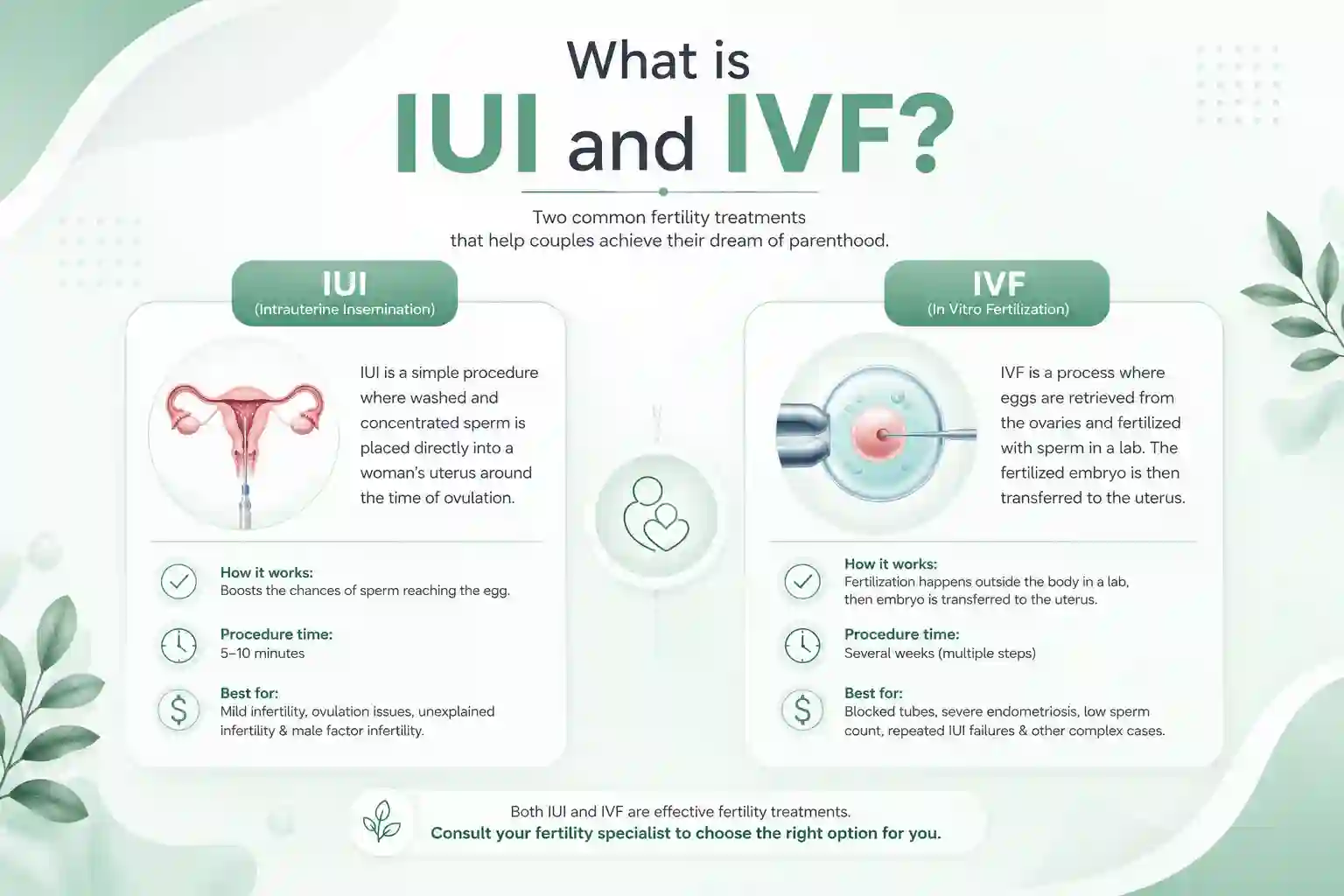
When you seek out an IUI centre, you are looking for a facility that handles the entire process in-house. This includes your baseline ultrasounds, daily blood work, meticulous sperm washing, and the actual insemination procedure.
Why Is Finding a Top-Rated IUI Centre Near Me Important?
Proximity and quality are two of the most critical factors in fertility treatment. Because an intrauterine insemination cycle is heavily dependent on the exact timing of your ovulation, the process requires highly frequent “morning monitoring” appointments.
During the two weeks leading up to your procedure, you may need to visit the clinic three to five times for quick blood draws and transvaginal ultrasounds to measure your follicle growth. If you choose a clinic that is two hours away, the daily commute will quickly lead to severe treatment fatigue. Finding a highly rated IUI centre near me ensures that you can easily fit these crucial monitoring appointments into your daily work schedule without adding unnecessary stress to your morning routine.
Furthermore, if your partner is providing a fresh semen sample on the day of the procedure, it must be delivered to the clinic’s laboratory within a strict 30- to 60-minute window for optimal washing and preservation.
How Does Treatment at a Local Clinic Work?
Once you select a local center, your journey will follow a structured timeline. Here is what you can expect when you become a patient:
- The Initial Consultation You will sit down with a reproductive endocrinologist to review your full medical history. The doctor will likely order diagnostic testing, including an HSG (to check for blocked fallopian tubes) and a comprehensive semen analysis.
- Cycle Planning Once cleared for the procedure, your local clinic will provide a calendar. You will call them on the first day of your menstrual cycle, and they will schedule you to come in for baseline blood work and an ultrasound.
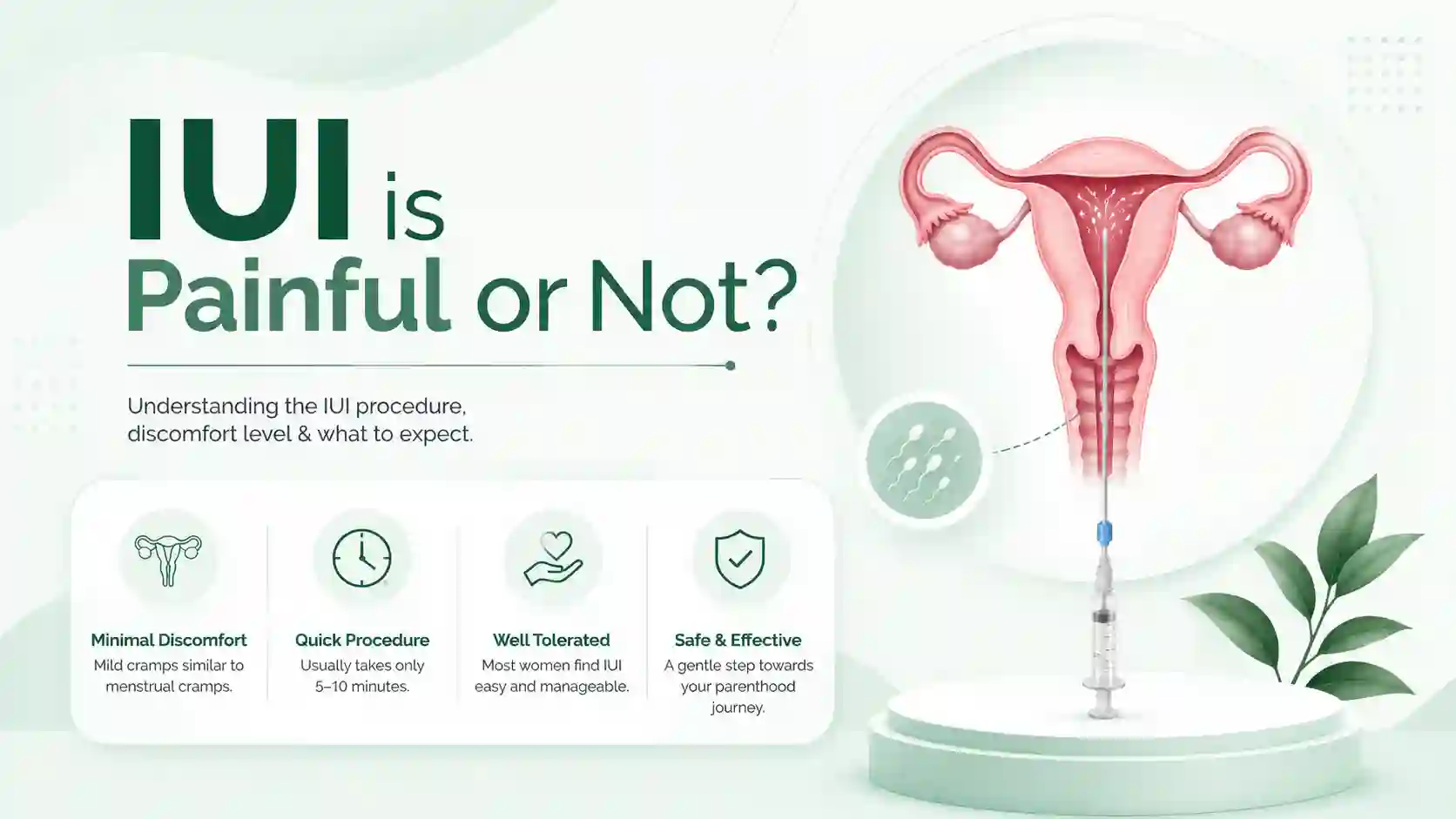
- Monitoring and the Procedure You will take ovulation-stimulating medications and visit your clinic frequently for monitoring. Once your follicles are mature, you will take a trigger shot at home. Exactly 36 hours later, you will return to the clinic where the doctor will use a small catheter to place washed sperm directly into your uterus.
Benefits of Choosing a Clinic Close to Home
Beyond the logistical ease of morning monitoring, selecting a local facility offers deep emotional and physical benefits.
Fertility medications can cause bloating, fatigue, and mood swings. Being able to drive just a few miles home after your procedure allows you to rest immediately in a comfortable environment. Additionally, a local clinic means your partner or support system can easily attend appointments with you, providing a vital emotional anchor during a highly vulnerable process.
Risks, Side Effects, or Limitations of Poor Clinic Choices
Not all clinics operate with the same standards. Choosing a facility based on price alone rather than laboratory quality can negatively impact your outcome.
If a clinic does not have a high-quality, in-house andrology lab, they may not wash the sperm sample effectively. A poorly washed sample can cause painful uterine cramping and drastically reduce the number of motile sperm available for fertilization. Additionally, a clinic that is understaffed might miss your exact ovulation window, resulting in a completely wasted cycle. Always prioritize clinics with dedicated, on-site laboratories.
Cost, Timeline, and Success Rate Expectations
When interviewing a local clinic, ask for a complete breakdown of their financial requirements.
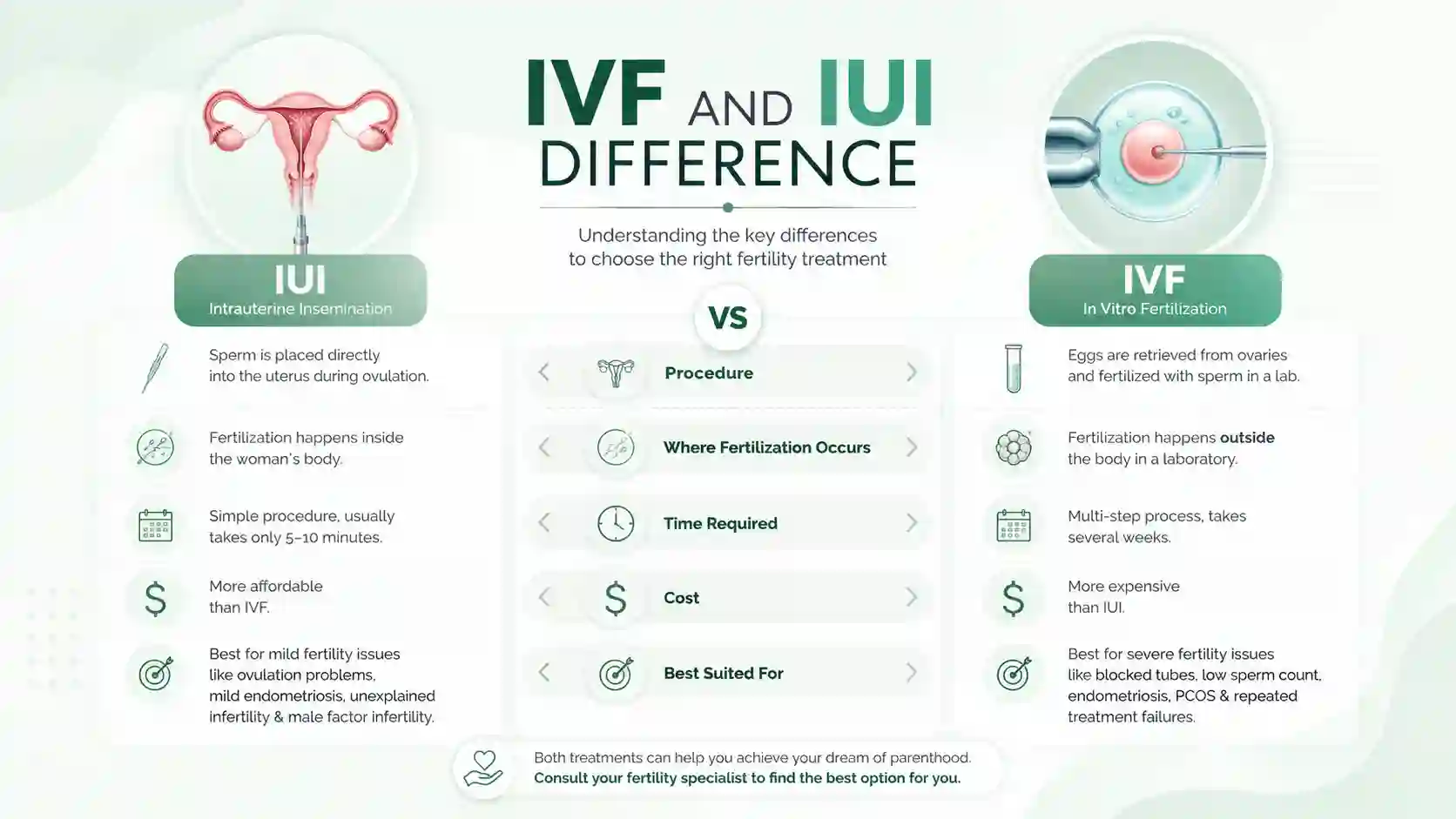
- Cost: A single cycle typically ranges from $300 to $1,000 depending on the level of monitoring and the specific medications used. Check if your chosen clinic accepts your health insurance or offers bundled package pricing.
- Timeline: The entire process takes one menstrual cycle (about four weeks).
- Success Rates: Top-tier clinics should transparently share their data. Generally, success rates hover between 10% and 20% per cycle for women under 35. You want a clinic that is honest about these statistics rather than making false promises.
Factors Affecting Your Clinic Choice
When comparing your local options, keep these key factors in mind:
- Lab Certifications: Ensure the clinic’s laboratory is fully accredited and certified by relevant national medical boards.
- Communication: Fertility treatment requires fast communication. Does the clinic have a dedicated patient portal? Do the nurses return calls promptly when you have questions about your medication dosage?
- Clinic Hours: Look for a center that offers early morning monitoring hours (e.g., 6:30 AM to 8:00 AM) and is open on weekends. Ovulation does not pause for the weekend, and your clinic shouldn’t either.
The Emotional and Patient Perspective
The atmosphere of the clinic heavily impacts your mental health. Some large, corporate fertility centers can feel like assembly lines, where you rarely see the same doctor twice. Others are smaller, boutique practices where the staff knows you by your first name.
Trust your intuition during your initial consultation. If the doctor brushes off your concerns, uses confusing medical jargon without explaining it, or makes you feel rushed, it is okay to seek a second opinion. You deserve a medical team that treats you with profound empathy and respect.
Tips and Recommendations for Your First Visit
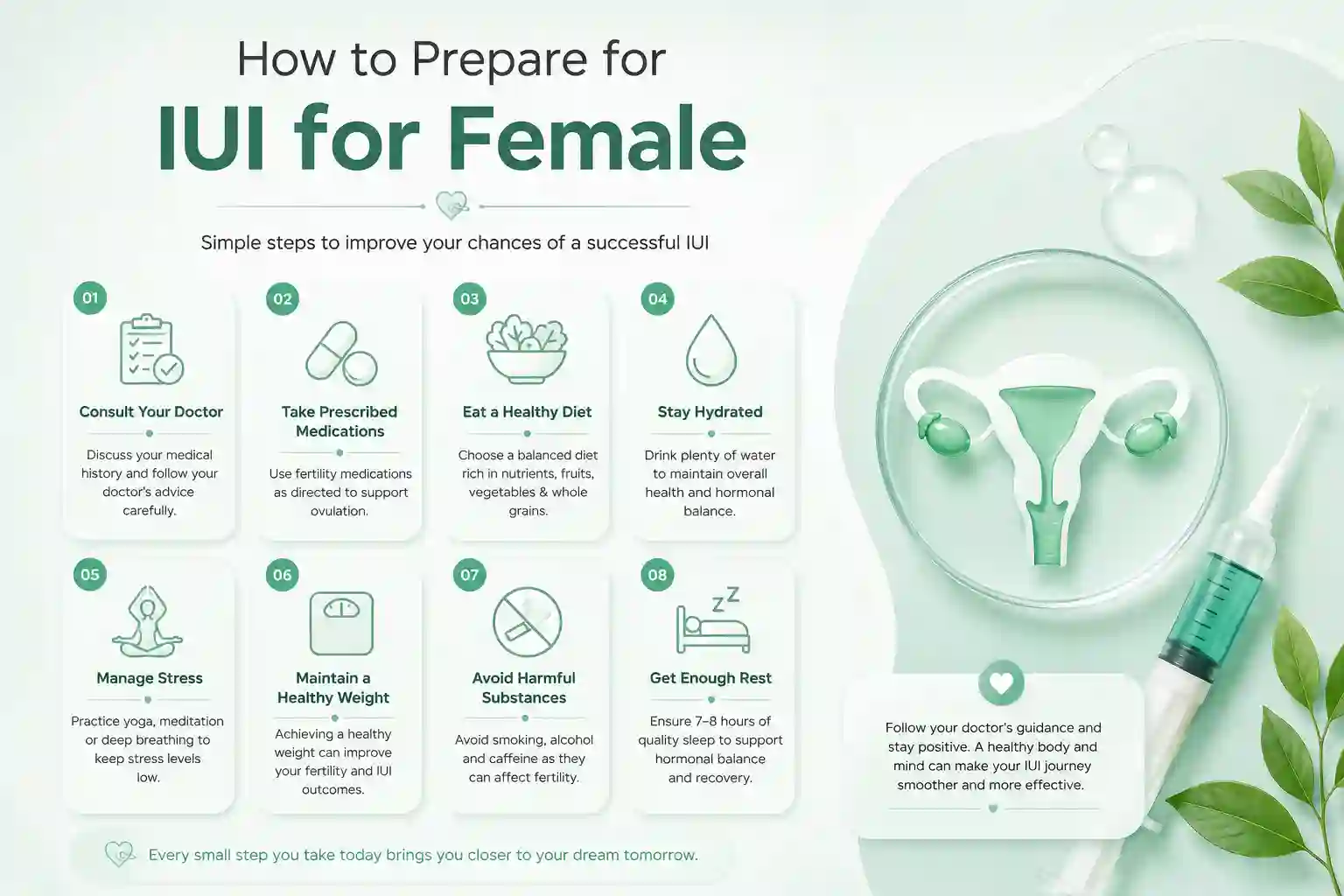
To maximize your initial consultation at your new local clinic, prepare ahead of time:
- Gather your records: Bring a copy of any previous blood work, pelvic ultrasounds, or prior fertility treatments.
- Write down questions: Bring a notebook. Ask specifically about their weekend monitoring policies, who performs the actual insemination, and their protocols for sperm washing.
- Check your benefits: Call your insurance provider before you walk into the clinic so you know exactly what is and isn’t covered regarding diagnostic testing versus actual treatment.
When to See a Fertility Specialist
You do not need to wait indefinitely to book an appointment. If you are under 35 and have been trying to conceive for 12 months, it is time to search for a local clinic. If you are 35 or older, that timeline drops to 6 months. Do not hesitate to establish care early—an initial consultation is purely informational and does not obligate you to start treatment immediately.
Finding the right medical team is the foundation of a healthy, low-stress fertility journey. Searching for an IUI centre near me is the first step in taking control of your reproductive health. By prioritizing a clinic with a stellar laboratory, transparent pricing, convenient monitoring hours, and a compassionate staff, you can navigate your treatment cycles with confidence and peace of mind.
FAQs About Finding an IUI Centre Near Me
How do I know if an IUI centre near me is reputable?
Look for board-certified reproductive endocrinologists and clinics that clearly display their laboratory accreditations. Patient reviews on independent platforms and recommendations from your primary OBGYN are also excellent indicators of a clinic’s reputation.
Do I need a referral to visit a fertility clinic?
This depends entirely on your specific health insurance provider. Some HMO plans require a direct referral from your primary care physician or OBGYN, while many PPO plans allow you to call a local fertility clinic and book a consultation directly.
Should I choose a local clinic or travel to a famous fertility center?
For this specific procedure, a local clinic is almost always better due to the intense frequency of monitoring appointments. Traveling long distances for daily blood work and ultrasounds causes unnecessary stress. Save the travel for highly complex IVF or specialized surgeries if needed later.
Will a standard hospital do my insemination, or do I need a private clinic?
While some large hospital networks have dedicated reproductive endocrinology departments, it is highly recommended to use a dedicated fertility clinic. Private clinics or specialized hospital departments have the exact andrology laboratories required for optimal sperm washing.
What questions should I ask during my first clinic visit?
Ask who will be doing your morning monitoring (a doctor or a tech), if they are open 7 days a week, what their specific live-birth success rates are for your age bracket, and whether they bundle the cost of the catheter, sperm wash, and ultrasounds.
Can a clinic refuse to do the procedure?
Yes. A reputable clinic will refuse to perform the procedure if both fallopian tubes are blocked, if the sperm count is far too low for the treatment to be effective, or if you produce too many follicles, which creates a dangerous risk for high-order multiple pregnancies.
How quickly can I start treatment once I pick a clinic?
After your initial consultation, you will complete a round of diagnostic testing (blood work, semen analysis, and an HSG). Once those results are back, you can typically begin treatment on the very first day of your next menstrual cycle.