If you’ve experienced one or more unsuccessful IVF cycles, you may have heard about the Endometrial Receptivity Analysis (ERA) test. Many patients wonder whether the ERA test can improve IVF success rates by identifying the best time for embryo transfer.
The ERA test evaluates the receptivity of the uterine lining to determine whether the endometrium is ready for embryo implantation. The goal is to personalize the timing of embryo transfer based on your individual “window of implantation.”
While the ERA test may be beneficial for selected patients, particularly those with recurrent implantation failure, current scientific evidence does not support routine use of the ERA test for all IVF patients. Whether it improves pregnancy outcomes depends on your individual fertility history and medical circumstances.
This guide explains the ERA test IVF success rate, how the test works, who may benefit, and what current research says.
What Is the ERA Test?
The Endometrial Receptivity Analysis (ERA) is a molecular test performed on a small biopsy of the uterine lining.
It analyzes the activity of hundreds of genes involved in endometrial receptivity to determine whether the uterus is:
- Receptive
- Pre-receptive
- Post-receptive
Based on the results, your fertility specialist may adjust the timing of embryo transfer during a future IVF cycle.
How Does the ERA Test Work?
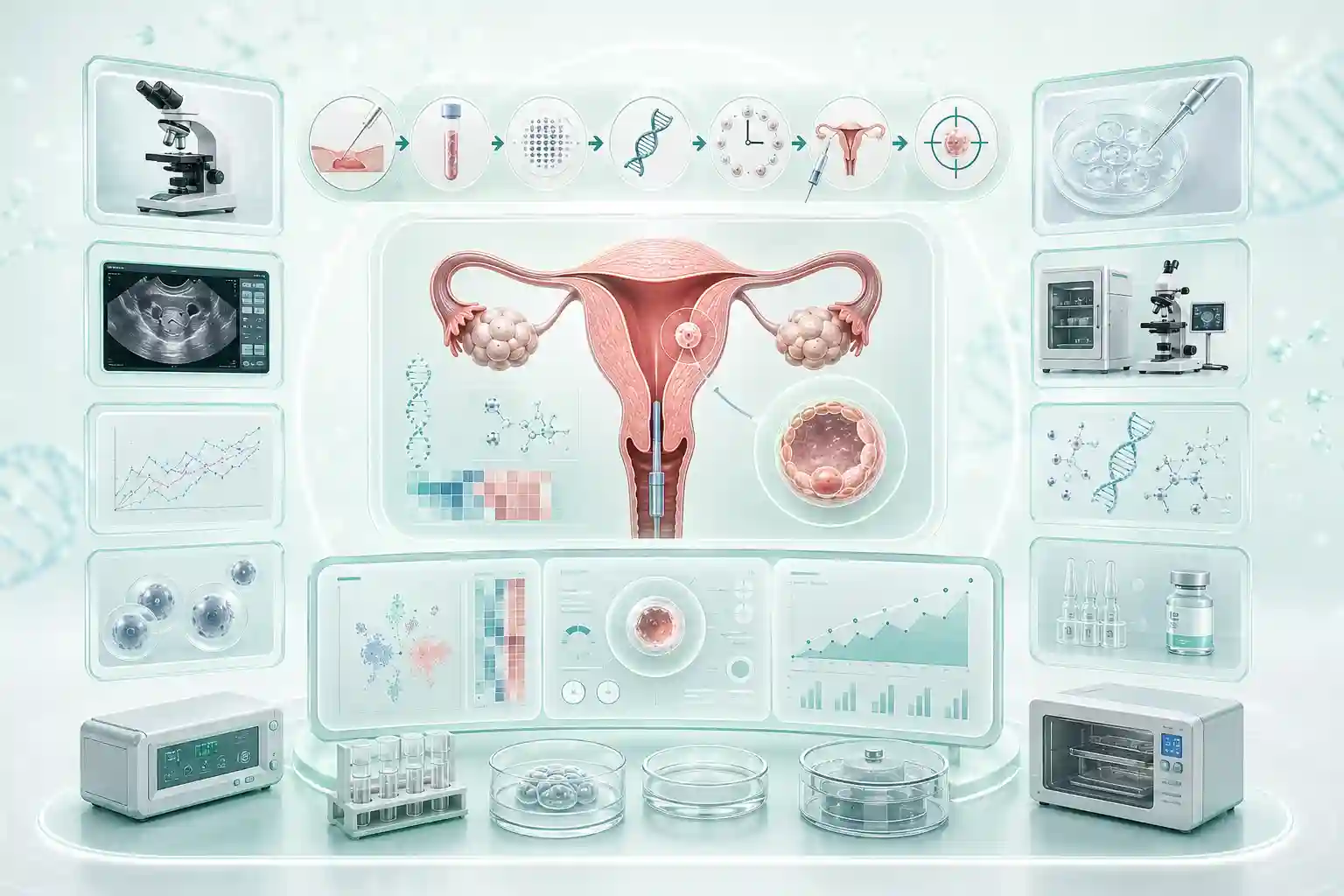
The procedure usually involves the following steps.
Step 1: Preparation Cycle
A mock cycle is performed using hormones that mimic an embryo transfer cycle.
Step 2: Endometrial Biopsy
A small sample of the uterine lining is collected using a thin catheter.
The procedure usually takes only a few minutes and may cause mild cramping.
Step 3: Laboratory Analysis
The biopsy sample is analyzed to evaluate gene expression associated with endometrial receptivity.
Step 4: Personalized Embryo Transfer
If the test indicates that the implantation window differs from the standard timing, your fertility specialist may recommend a personalized embryo transfer in a future IVF cycle.
Does the ERA Test Improve IVF Success Rate?
The answer depends on the patient.
Current research suggests:
- Routine ERA testing has not consistently been shown to improve live birth rates in the general IVF population.
- Some studies suggest that selected patients with recurrent implantation failure may benefit from personalized embryo transfer guided by ERA results.
- Other well-designed studies have found little or no improvement in pregnancy or live birth rates when ERA is used routinely.
Because of these mixed findings, many professional fertility organizations recommend individualized use rather than routine testing for every IVF patient.
Who May Benefit from an ERA Test?
Your fertility specialist may consider ERA if you have:
- Recurrent implantation failure
- Multiple unsuccessful embryo transfers with good-quality embryos
- Repeated failed frozen embryo transfer (FET) cycles
- A history suggesting an abnormal implantation window
The ERA test is not routinely recommended for patients undergoing their first IVF cycle without specific clinical indications.
Benefits of the ERA Test
For carefully selected patients, the ERA test may offer:
- Personalized embryo transfer timing
- Additional information about endometrial receptivity
- A possible explanation for repeated implantation failure
- More individualized treatment planning
The potential benefit varies from patient to patient.
Risks, Side Effects, or Limitations
Although the ERA test is generally safe, it has limitations.
These include:
- Mild cramping during or after the biopsy
- Light spotting for a short time after the procedure
- Additional treatment costs
- Delay before the next embryo transfer cycle
- It cannot guarantee pregnancy or live birth
- It does not evaluate embryo quality or genetic health
The success of IVF still depends on many factors beyond endometrial receptivity.
Factors That Affect IVF Success More Than ERA Alone
Several factors have a greater influence on IVF outcomes.
Female Age
Age remains one of the strongest predictors of pregnancy and live birth.
Embryo Quality
Healthy embryos have the highest chance of implantation.
Chromosomal Status
Embryos with the correct number of chromosomes generally have better implantation potential.
Uterine Health
Conditions such as fibroids, polyps, adhesions, or chronic inflammation may affect implantation.
Lifestyle Factors
Maintaining a healthy weight, avoiding smoking, limiting alcohol, managing chronic medical conditions, and following your fertility specialist’s recommendations support overall reproductive health.
Emotional & Patient Perspective
Repeated unsuccessful IVF cycles can be emotionally exhausting.
Many patients hope the ERA test will provide a clear answer to why implantation has not occurred.
While the ERA test can offer useful information for some individuals, it is important to understand that implantation is influenced by many interacting factors, including embryo quality, uterine health, genetics, and hormonal balance. An ERA test is one piece of the overall fertility evaluation—not a guarantee of success.
Discussing the potential benefits and limitations with your fertility specialist can help determine whether the test is appropriate for your situation.
Tips Before Choosing an ERA Test
Before undergoing the test:
- Ask whether you are a suitable candidate.
- Discuss your previous IVF history.
- Understand the additional costs involved.
- Ask how the results may change your treatment plan.
- Discuss alternative evaluations if appropriate.
- Follow your fertility specialist’s instructions carefully.
When to See a Fertility Specialist
Consult a fertility specialist if:
- You have experienced recurrent implantation failure.
- You have had multiple unsuccessful IVF or frozen embryo transfer cycles.
- You have good-quality embryos but repeated failed implantation.
- You would like to discuss whether an ERA test is appropriate for your treatment.
A personalized fertility evaluation can help determine whether ERA testing may be beneficial.
The ERA test is designed to identify the optimal timing for embryo transfer by assessing the receptivity of the uterine lining. While it may help selected patients with recurrent implantation failure, current evidence does not support routine ERA testing for all IVF patients, and it has not consistently been shown to improve live birth rates in the general IVF population. IVF success depends on multiple factors, including embryo quality, female age, uterine health, and overall reproductive health. The decision to undergo an ERA test should be made after a detailed discussion with your fertility specialist based on your individual medical history and previous treatment outcomes.
FAQs About ERA Test IVF Success Rate
1. What is the ERA test?
The ERA (Endometrial Receptivity Analysis) test evaluates whether the uterine lining is ready for embryo implantation by analyzing gene activity in an endometrial biopsy.
2. Does the ERA test improve IVF success rates?
For some patients with recurrent implantation failure, the ERA test may help guide personalized embryo transfer. However, current research has not consistently shown improved live birth rates when the test is used routinely for all IVF patients.
3. Who should consider an ERA test?
The test may be considered for patients with repeated failed embryo transfers despite having good-quality embryos or recurrent implantation failure.
4. Is the ERA test painful?
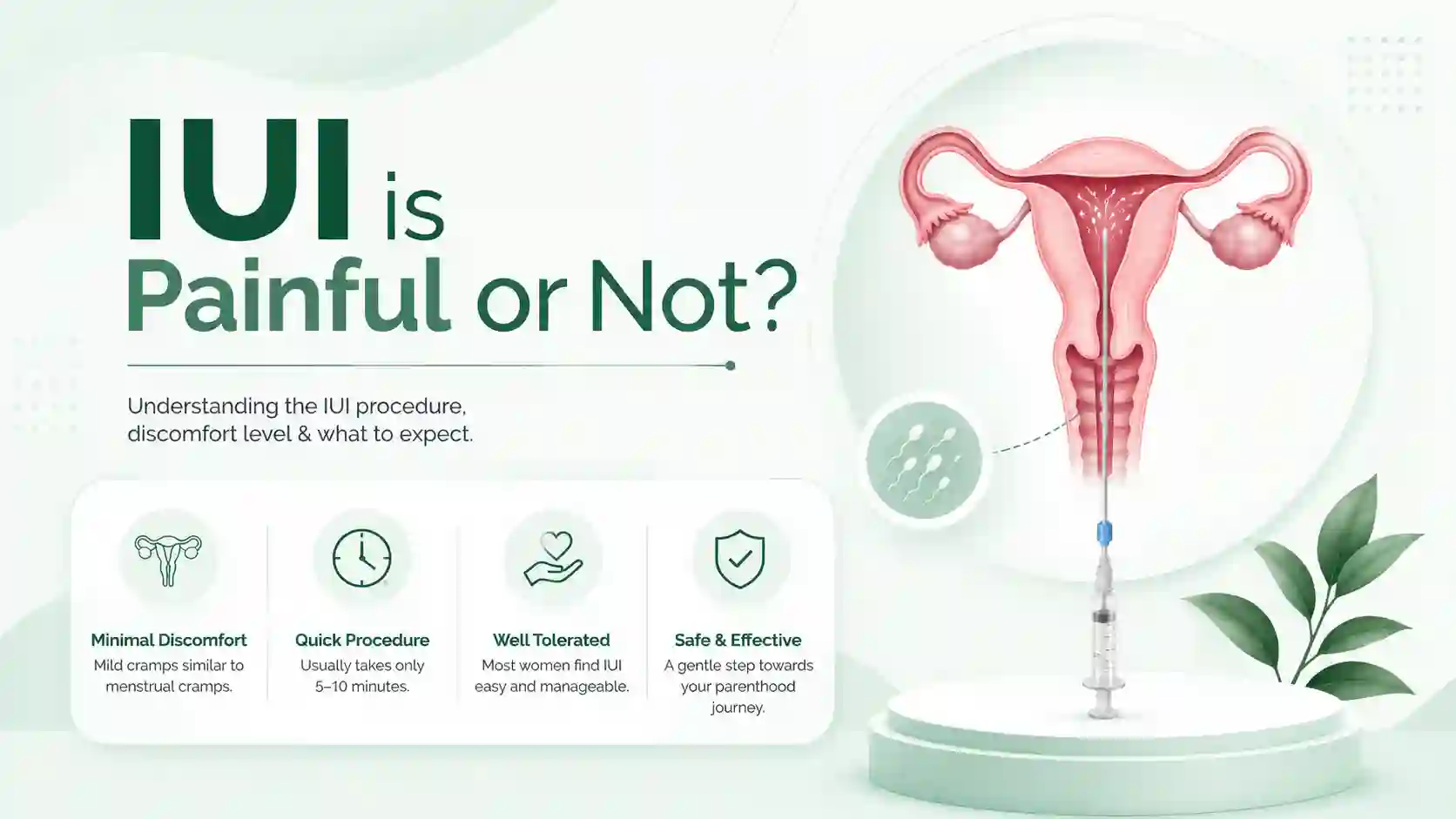
Most women experience only mild cramping during the biopsy. Some light spotting afterward is also common.
5. Does every IVF patient need an ERA test?
No. Most fertility specialists do not recommend routine ERA testing for all IVF patients. It is generally reserved for selected clinical situations.
6. Can the ERA test guarantee pregnancy?
No. The ERA test cannot guarantee implantation, pregnancy, or a live birth. It is one diagnostic tool among many used during fertility treatment.
7. What factors influence IVF success more than the ERA test?
Embryo quality, female age, chromosomal health of the embryo, uterine health, hormone balance, and overall reproductive health remain the most important factors affecting IVF success.