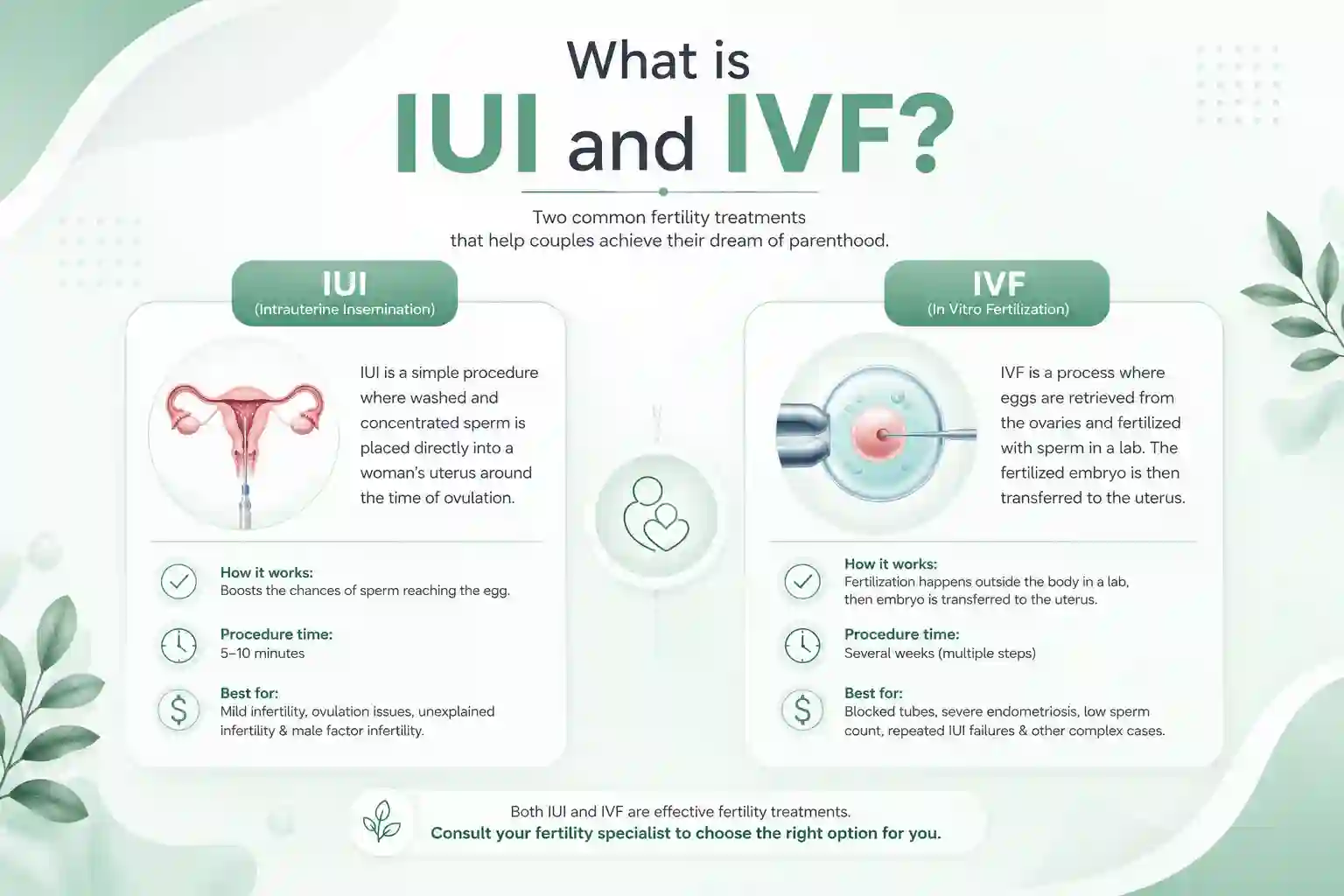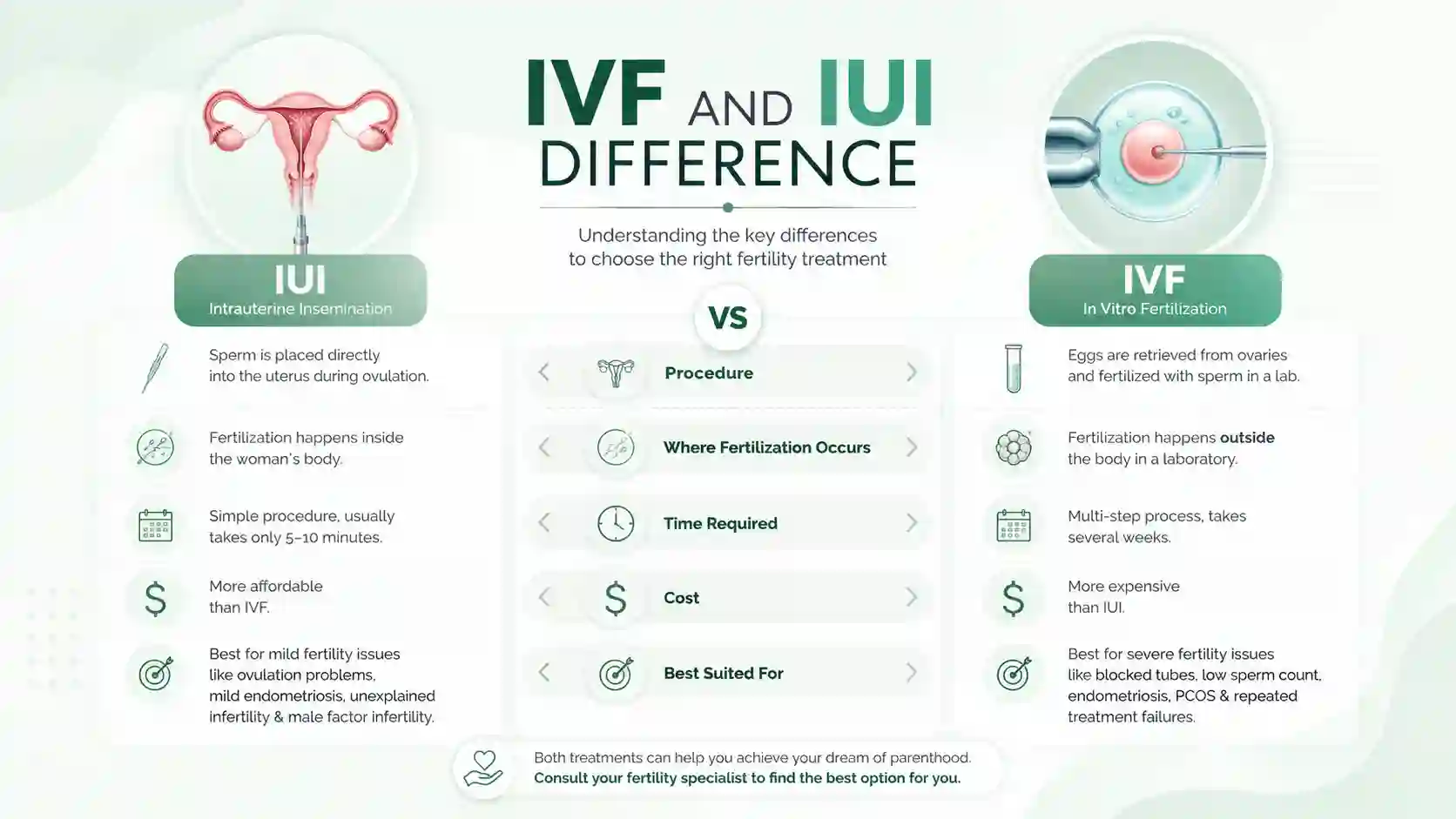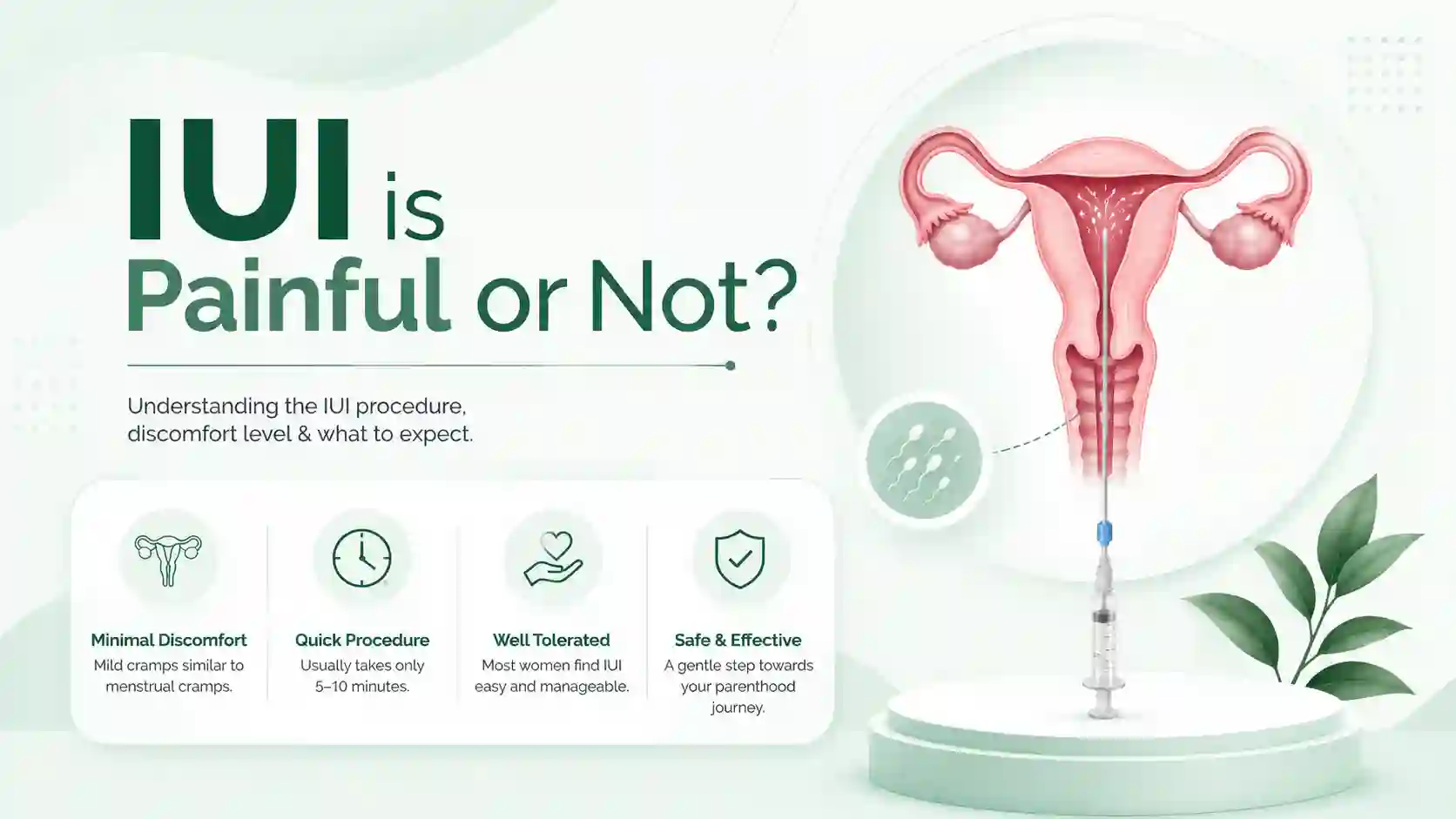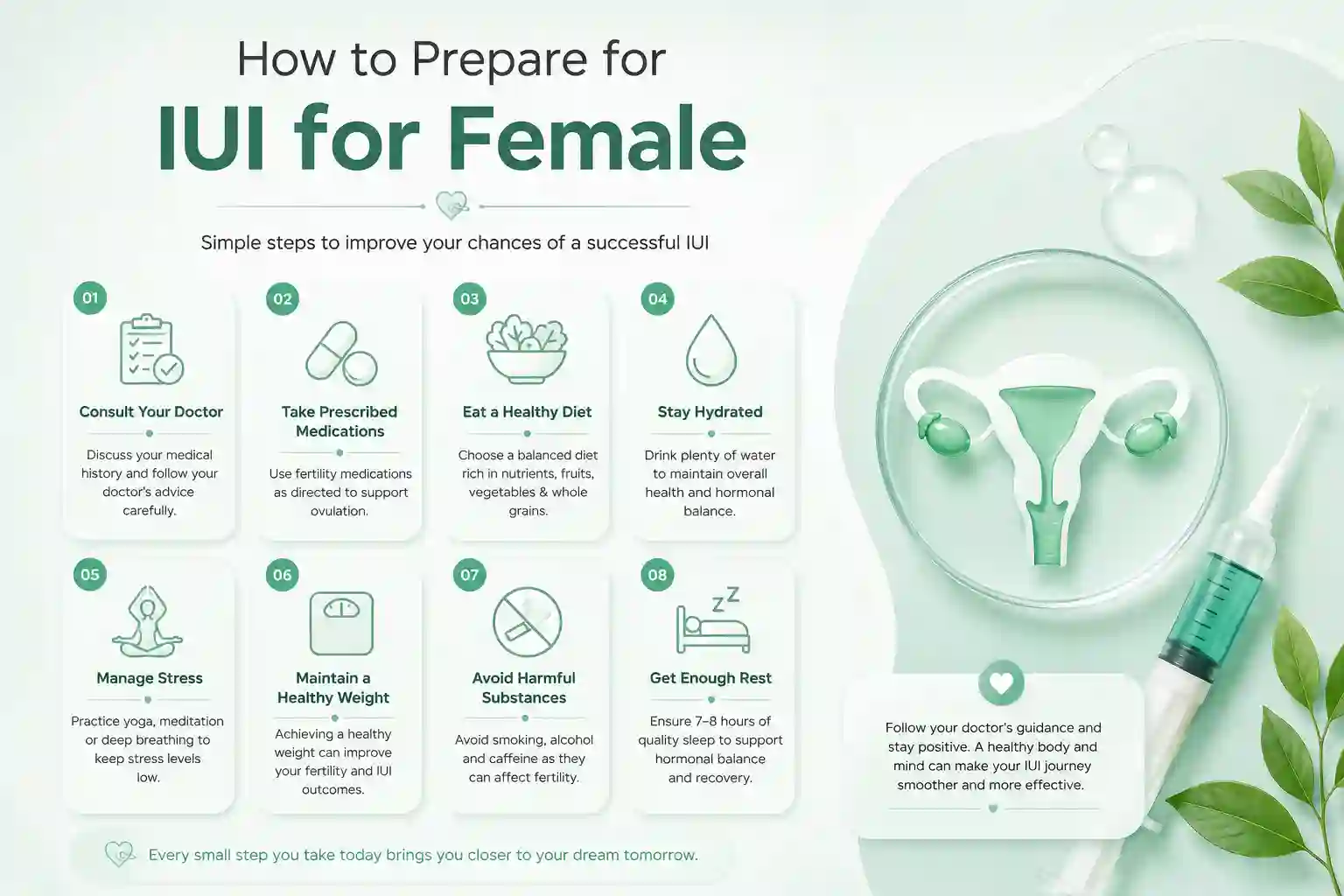
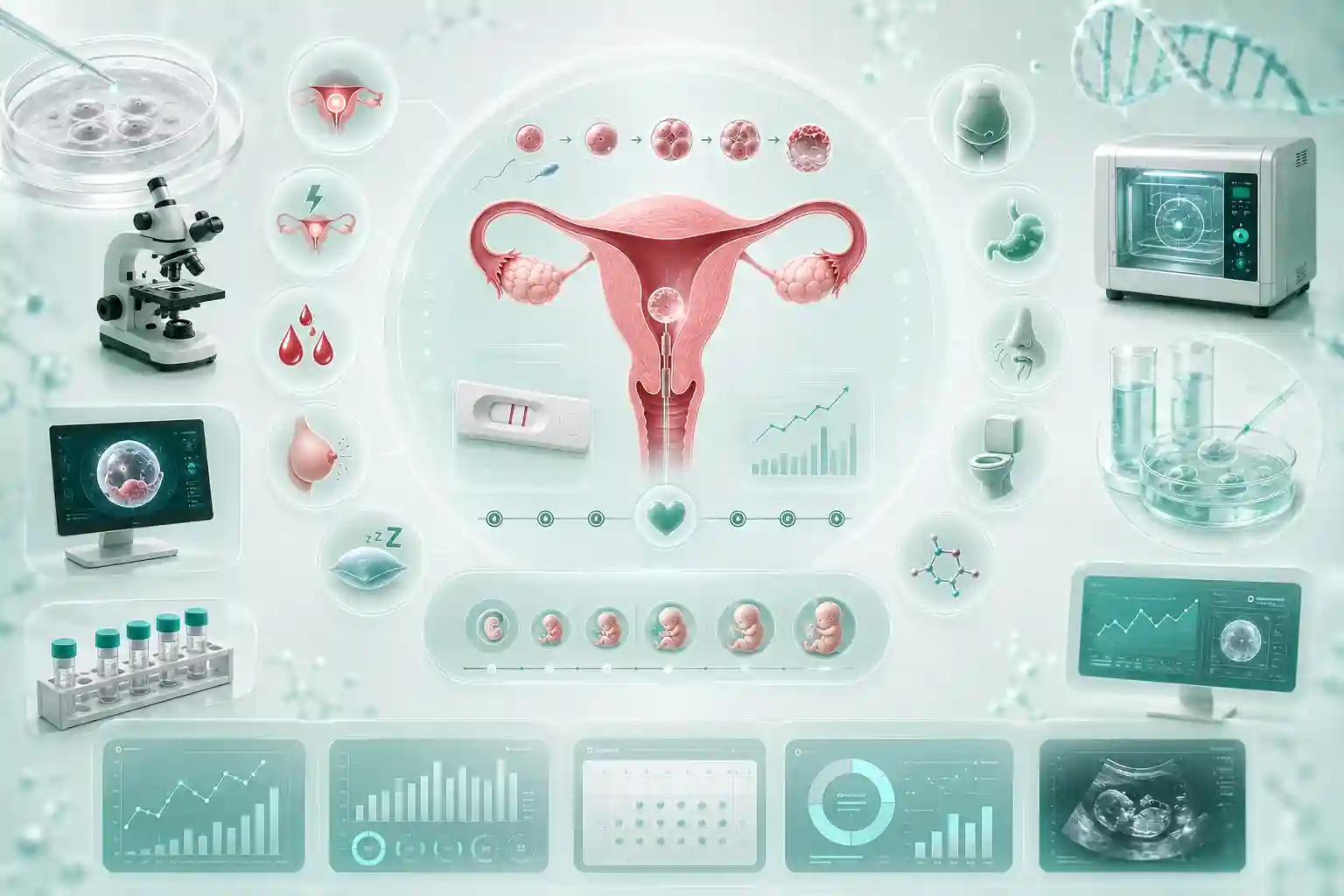
If you’ve recently undergone In Vitro Fertilization (IVF), it’s natural to look for signs that the treatment has been successful. During the two-week wait after embryo transfer, many patients pay close attention to every physical sensation, hoping to recognize IVF success symptoms. Mild cramping, breast tenderness, fatigue, bloating, or light spotting often raise the question of whether pregnancy has begun.
However, it’s important to remember that IVF success symptoms vary from person to person. Some women experience several early pregnancy symptoms, while others have no noticeable symptoms at all and still achieve a healthy pregnancy. In addition, progesterone and other fertility medications can cause symptoms that closely resemble early pregnancy.
This guide explains the possible IVF success symptoms, when they may appear, and why only a pregnancy test can confirm whether your IVF cycle has been successful.
What Are IVF Success Symptoms?
IVF success symptoms are physical or hormonal changes that some women may notice after successful embryo implantation.
These symptoms may occur because of:
- Embryo implantation
- Rising human chorionic gonadotropin (hCG) levels
- Progesterone supplementation
- Early pregnancy hormone changes
Because many of these symptoms overlap with medication side effects and premenstrual symptoms, they cannot confirm pregnancy on their own.
Common IVF Success Symptoms
Mild Cramping
Light cramping or a pulling sensation in the lower abdomen is one of the most commonly reported symptoms after embryo transfer.
It may be related to implantation, although progesterone can also cause similar discomfort.
Light Spotting
Some women notice a small amount of pink or brown spotting several days after embryo transfer.
This may occur around the time of implantation, but many successful pregnancies occur without any spotting.
Breast Tenderness
Tender, swollen, or sensitive breasts are common during early pregnancy.
Progesterone medication can also produce the same symptom.
Fatigue
Feeling unusually tired is one of the earliest pregnancy symptoms reported by many women.
Hormonal changes during early pregnancy and fertility medications may both contribute.
Bloating
Progesterone commonly causes bloating after embryo transfer.
This symptom alone does not indicate whether IVF has been successful.
Increased Vaginal Discharge
Some women notice increased clear or milky vaginal discharge because of hormonal changes.
Mild Nausea
A small number of women experience mild nausea during early pregnancy, although this often develops later.
Frequent Urination
Some women notice more frequent urination as pregnancy hormones increase.
No Symptoms
Many successful IVF pregnancies begin with no noticeable symptoms before the pregnancy test.
The absence of symptoms does not mean the treatment has failed.
When Do IVF Success Symptoms Appear?
The timing varies for every patient.
A general timeline is shown below.
| Days After Embryo Transfer | What May Happen |
| 1–3 Days | Embryo continues developing |
| 3–6 Days | Implantation may begin (depending on embryo stage) |
| 6–10 Days | Pregnancy hormone (hCG) production increases if implantation occurs |
| 9–14 Days | Some women notice early pregnancy symptoms |
| 10–14 Days | Blood pregnancy test is usually recommended |
The exact timing depends on whether a Day 3 or Day 5 embryo was transferred and individual biological differences.
Can Symptoms Confirm IVF Success?
No.
Even if you experience several possible IVF success symptoms, they cannot confirm pregnancy.
Many symptoms are caused by:
- Progesterone supplements
- Hormonal changes
- IVF medications
- Normal changes after embryo transfer
The only reliable way to confirm pregnancy is a properly timed beta-hCG blood test or a pregnancy test recommended by your fertility specialist.
Factors That Affect IVF Success
Several factors influence IVF outcomes.
Female Age
Age remains one of the strongest predictors of IVF success because egg quality generally declines over time.
Embryo Quality
Healthy embryos have a greater chance of successful implantation.
Uterine Health
A healthy uterine lining supports embryo implantation.
Hormonal Balance
Appropriate hormone levels help prepare the uterus for pregnancy.
Lifestyle Factors
Maintaining a healthy lifestyle, following medication instructions, avoiding smoking, limiting alcohol, and managing chronic medical conditions all support reproductive health.
Benefits of Understanding IVF Success Symptoms
Knowing what symptoms may occur can help you:
- Reduce unnecessary anxiety.
- Understand the effects of fertility medications.
- Avoid overinterpreting every physical sensation.
- Prepare for pregnancy testing.
- Feel more confident during the two-week wait.
Emotional & Patient Perspective
The days after embryo transfer are often the most emotional part of the IVF journey.
Many patients:
- Analyze every symptom.
- Compare their experiences with others.
- Feel hopeful one day and discouraged the next.
Remember that symptoms alone cannot predict whether IVF has been successful. Some women experience many symptoms and receive a negative pregnancy test, while others experience none and go on to have a healthy pregnancy.
Try to focus on following your treatment plan and waiting for the recommended pregnancy test rather than interpreting every physical change.
Tips After Embryo Transfer
To support your recovery:
- Continue all prescribed medications.
- Eat a balanced, nutritious diet.
- Stay hydrated.
- Get adequate sleep.
- Continue light daily activities unless advised otherwise.
- Avoid smoking and alcohol.
- Do not stop progesterone without medical advice.
- Wait until your scheduled pregnancy test.
When to Contact Your Fertility Specialist
Contact your fertility specialist if you experience:
- Severe abdominal pain
- Heavy vaginal bleeding
- Fever
- Persistent vomiting
- Significant abdominal swelling
- Difficulty breathing
- Severe pelvic pain
These symptoms require medical evaluation.
IVF success symptoms such as mild cramping, fatigue, breast tenderness, bloating, light spotting, or increased vaginal discharge may occur after embryo transfer, but they cannot confirm pregnancy. Many of these symptoms are caused by progesterone or other fertility medications, and some women experience no symptoms at all despite having a successful pregnancy. The most reliable way to determine whether your IVF cycle has been successful is to follow your fertility specialist’s instructions and undergo a beta-hCG blood test or pregnancy test at the recommended time, usually 10–14 days after embryo transfer.
FAQs About IVF Success Symptoms
1. What are the earliest IVF success symptoms?
Some women report mild cramping, light spotting, breast tenderness, fatigue, bloating, or increased vaginal discharge. Others have no symptoms before a positive pregnancy test.
2. Can I have no symptoms and still have a successful IVF pregnancy?
Yes. Many women experience no noticeable symptoms during the two-week wait and still have a successful pregnancy.
3. Is cramping after embryo transfer a good sign?
Mild cramping can occur because of implantation or progesterone medication. It is common but does not confirm pregnancy.
4. When do IVF success symptoms usually begin?
Some women notice symptoms 6–10 days after embryo transfer, while others experience symptoms later or not at all.
5. Can progesterone cause pregnancy-like symptoms?
Yes. Progesterone commonly causes bloating, fatigue, breast tenderness, mood changes, and mild cramping, which can closely resemble early pregnancy symptoms.
6. When should I take a pregnancy test after IVF?
Most fertility specialists recommend a beta-hCG blood test 10–14 days after embryo transfer, depending on your treatment protocol.
7. Does spotting always mean implantation?
No. Light spotting may occur around implantation, but many successful pregnancies happen without spotting, and spotting can also have other causes. Always inform your fertility clinic if you have concerns or experience heavy bleeding.