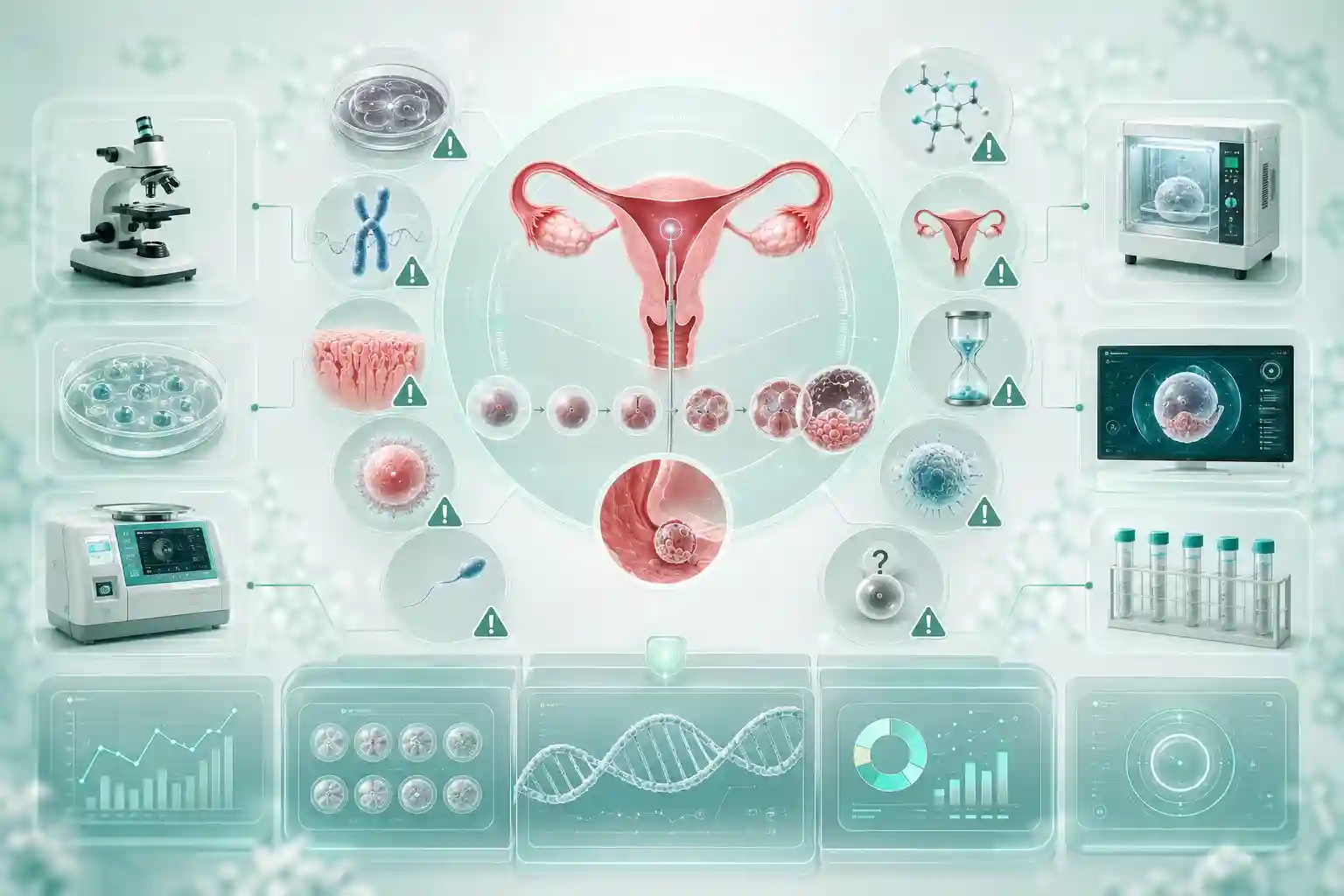
If you’ve experienced an unsuccessful In Vitro Fertilization (IVF) cycle, it’s natural to ask, “Why did IVF fail?” While IVF is one of the most effective fertility treatments available, it does not guarantee pregnancy. Even with high-quality medical care and healthy embryos, some IVF cycles may not result in implantation or an ongoing pregnancy.
The reasons why IVF fails are often complex and may involve several biological, medical, and lifestyle factors. In many cases, there is no single identifiable cause, and a failed cycle does not mean future IVF treatments will also be unsuccessful.
This guide explains the most common reasons why IVF fails, factors that influence treatment success, and what options may be available after an unsuccessful IVF cycle.
Does IVF Always Work?
No.
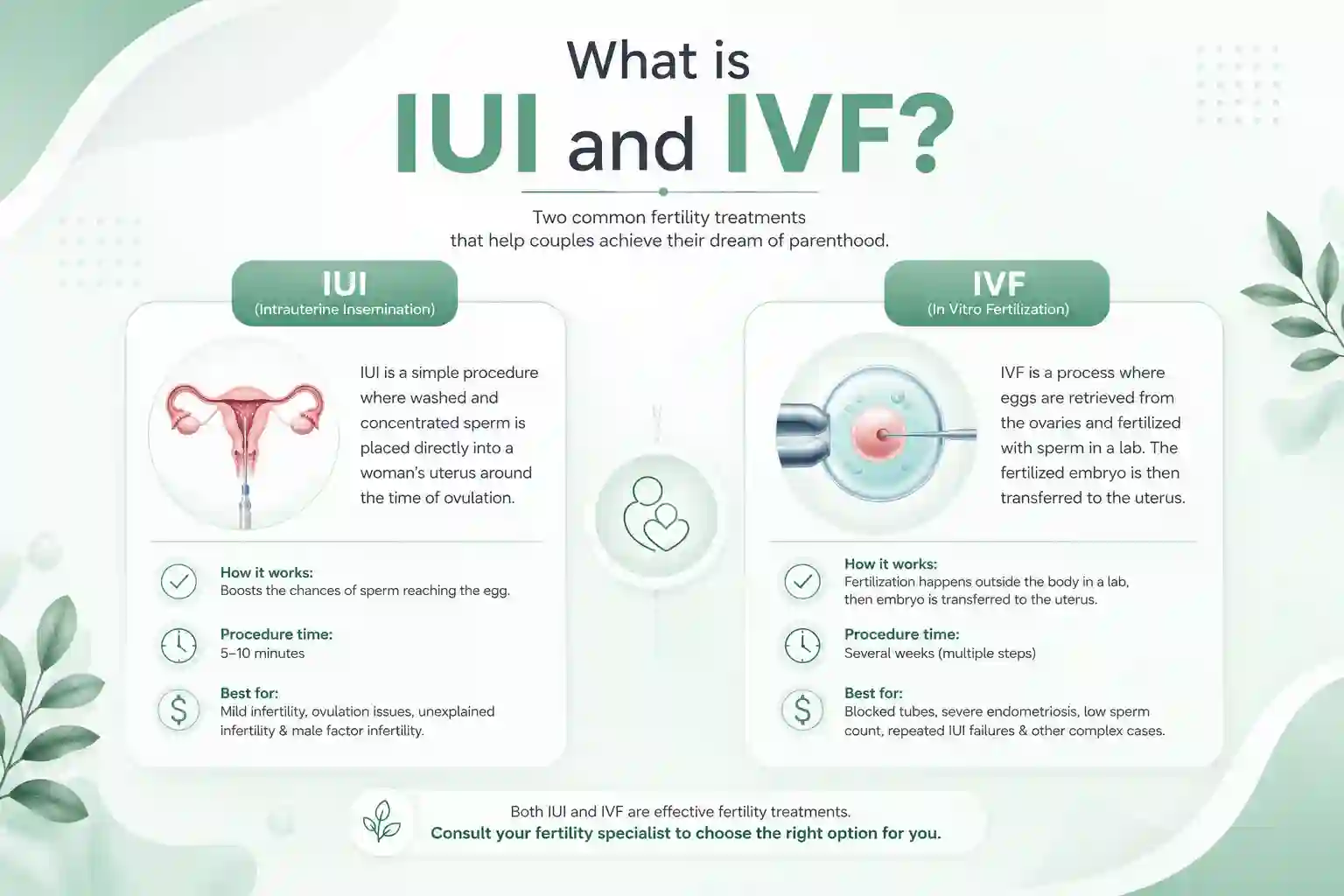
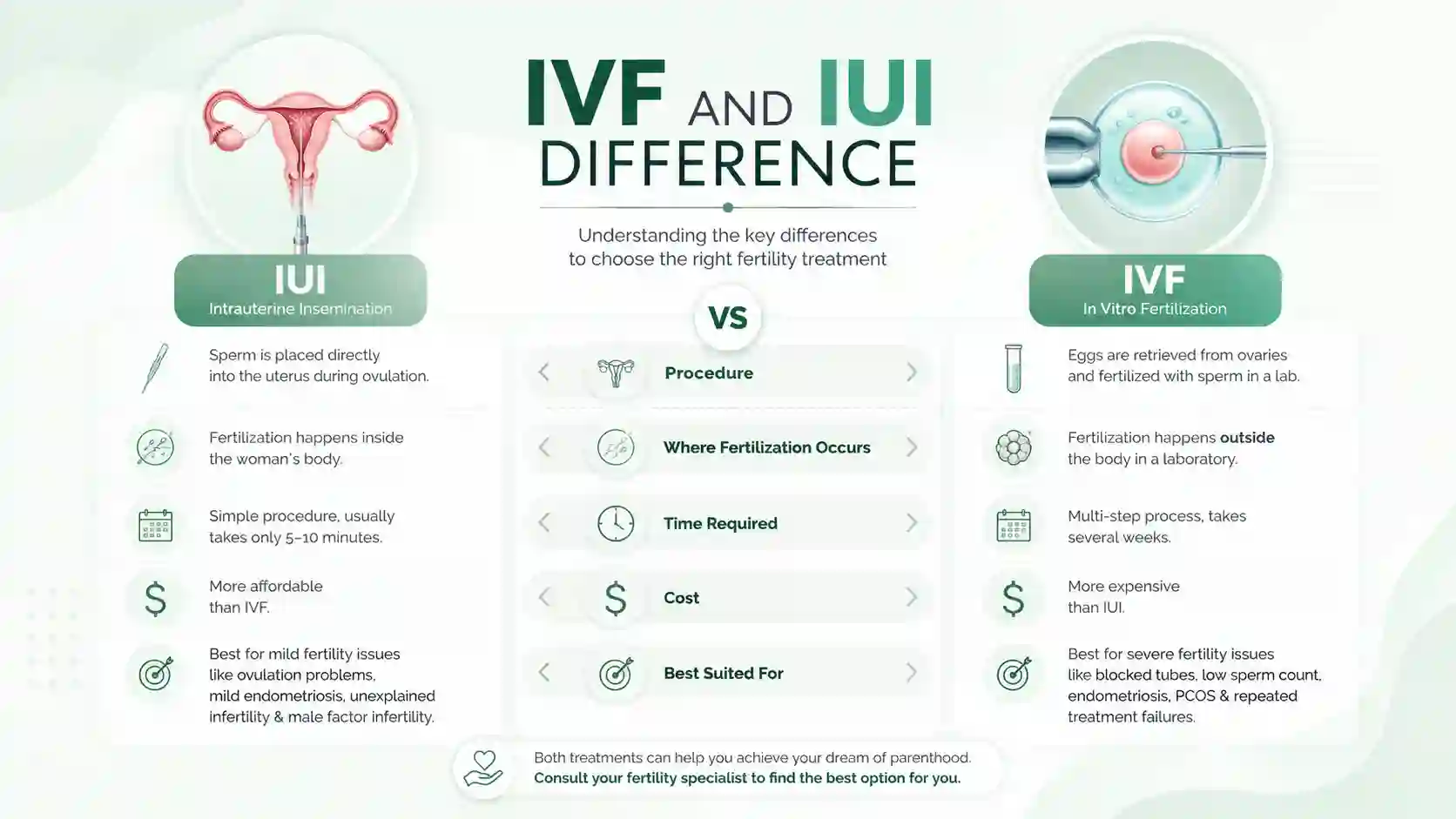
Although IVF offers higher pregnancy rates than many other fertility treatments, success varies from person to person.
The outcome of IVF depends on several factors, including:
- Female age
- Egg quality
- Sperm quality
- Embryo quality
- Uterine health
- Underlying fertility diagnosis
- Overall health
Many patients achieve pregnancy after more than one IVF cycle.
Common Reasons Why IVF Fails
Poor Embryo Quality
One of the most common reasons for IVF failure is poor embryo development.
Embryos may stop developing because of:
- Chromosomal abnormalities
- Poor egg quality
- Poor sperm quality
- Problems during fertilization
Even embryos that appear healthy under the microscope may not have the ability to implant successfully.
Chromosomal Abnormalities
Many embryos naturally develop chromosomal abnormalities.
These abnormalities become more common as maternal age increases and may prevent implantation or result in early miscarriage.
Implantation Failure
Sometimes a healthy embryo does not implant successfully into the uterine lining.
Possible contributing factors include:
- Endometrial abnormalities
- Uterine polyps
- Fibroids that distort the uterine cavity
- Scar tissue inside the uterus
- Chronic inflammation in selected cases
However, in many cases, the exact reason for implantation failure cannot be identified.
Female Age
Age is one of the strongest predictors of IVF success.
As age increases:
- Egg quantity declines.
- Egg quality decreases.
- Chromosomal abnormalities become more common.
These factors reduce the likelihood of pregnancy.
Poor Egg Quality
Even when several eggs are retrieved, not all are capable of producing healthy embryos.
Egg quality generally has a greater impact on IVF success than the number of eggs collected.
Male Factor Infertility
Severe male infertility may affect:
- Fertilization
- Embryo development
- Overall pregnancy potential
In appropriate cases, ICSI (Intracytoplasmic Sperm Injection) may improve fertilization rates.
Uterine Factors
The uterus plays an essential role in embryo implantation.
Potential uterine factors include:
- Fibroids affecting the uterine cavity
- Endometrial polyps
- Congenital uterine abnormalities
- Intrauterine adhesions
- Thin endometrium in some patients
Hormonal Imbalances
Conditions affecting hormone levels may reduce implantation potential.
Examples include:
- Thyroid disorders
- Poorly controlled diabetes
- Polycystic Ovary Syndrome (PCOS)
- Other endocrine disorders
These conditions are often evaluated and managed before treatment.
Lifestyle Factors That May Affect IVF Success
Healthy lifestyle habits support reproductive health.
Factors that may negatively influence IVF outcomes include:
- Smoking
- Excessive alcohol consumption
- Obesity
- Poorly controlled chronic illnesses
- Inadequate sleep
- Poor nutrition
Improving overall health may support future treatment, although lifestyle changes alone cannot guarantee pregnancy.
Can IVF Fail Even with Good Embryos?
Yes.
Even high-quality embryos do not always implant successfully.
Successful pregnancy depends on many interacting factors, including:
- Embryo genetics
- Uterine receptivity
- Hormonal environment
- Maternal health
- Biological factors that are not yet fully understood
This is why even excellent embryos sometimes do not result in pregnancy.
What Happens After a Failed IVF Cycle?
After an unsuccessful cycle, your fertility specialist may recommend:
- Reviewing the treatment protocol
- Assessing embryo development
- Evaluating uterine health
- Reviewing medication response
- Considering additional investigations when appropriate
- Discussing another IVF cycle or other treatment options
The next treatment plan is individualized based on your medical history and previous cycle.
Benefits of Reviewing a Failed IVF Cycle
A detailed review may help:
- Identify treatable medical conditions
- Optimize medication protocols
- Improve embryo selection strategies
- Plan future treatment more effectively
- Provide realistic expectations for subsequent cycles
Emotional & Patient Perspective
A failed IVF cycle can be emotionally overwhelming.
Many patients ask themselves:
- “Did I do something wrong?”
- “Was it because of stress?”
- “Will IVF ever work for me?”
In most cases, IVF failure is not caused by anything the patient did or did not do. Fertility treatment is influenced by complex biological factors, many of which cannot be controlled.
It’s important to allow yourself time to process the experience and to discuss the next steps with your fertility specialist. Many people achieve pregnancy in later IVF cycles after adjustments to their treatment plan.
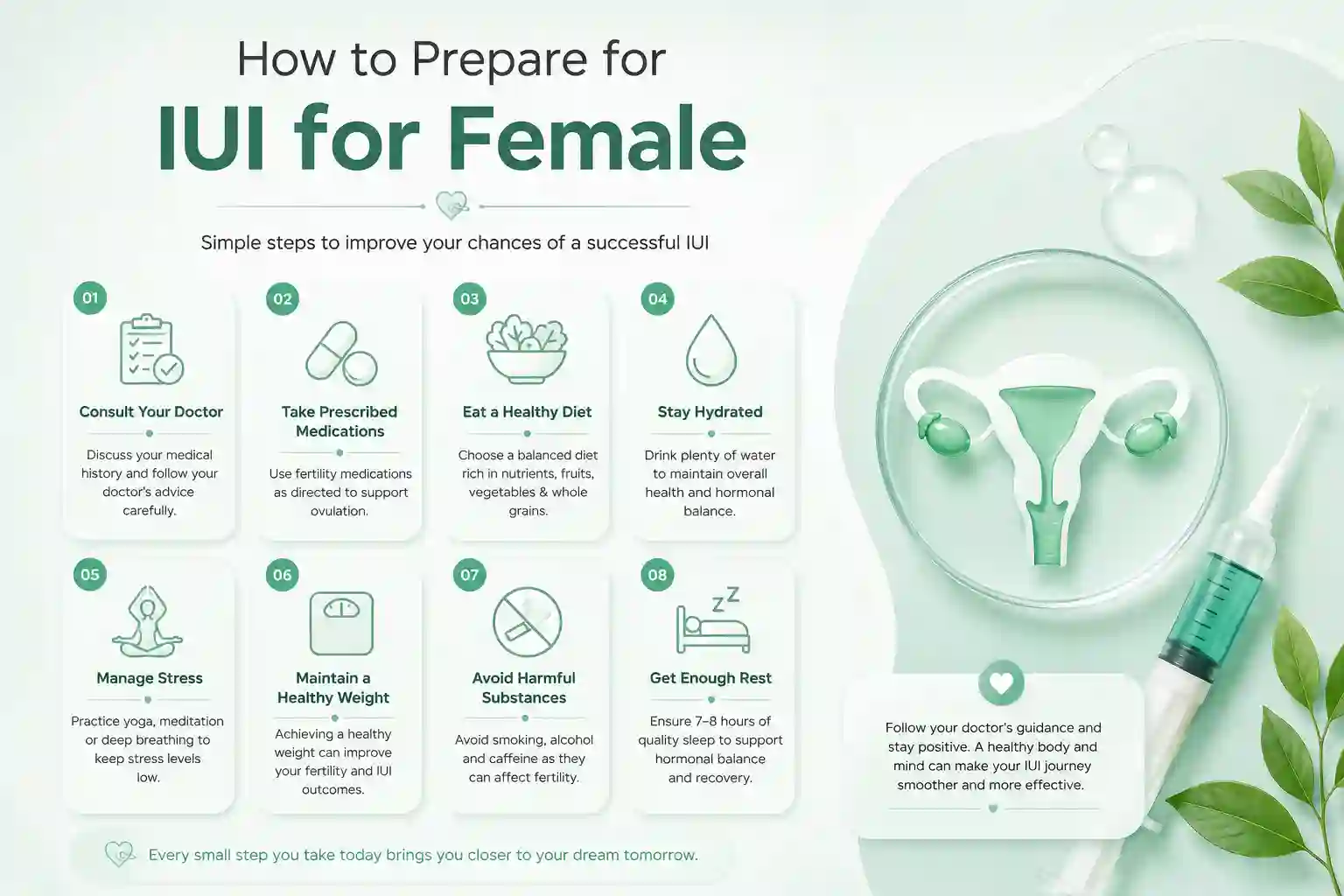
Tips Before Your Next IVF Cycle
If you plan another IVF cycle:
- Review your previous treatment with your fertility specialist.
- Follow medication instructions carefully.
- Maintain a healthy body weight.
- Eat a balanced diet.
- Avoid smoking and excessive alcohol.
- Manage chronic medical conditions.
- Attend all follow-up appointments.
- Ask whether additional testing is appropriate for your situation.
When to See a Fertility Specialist
Consult your fertility specialist if:
- Your IVF cycle was unsuccessful.
- You have experienced repeated IVF failures.
- You have recurrent miscarriage.
- You have concerns about embryo quality or implantation.
- You would like a personalized plan before another IVF cycle.
A comprehensive evaluation can help identify potential factors affecting treatment success.
Understanding why IVF fails can help patients make informed decisions about future fertility treatment. IVF failure may result from embryo quality, chromosomal abnormalities, implantation problems, maternal age, sperm quality, uterine conditions, hormonal factors, or a combination of several influences. In many cases, no single cause can be identified. An unsuccessful IVF cycle does not mean pregnancy is impossible, and many individuals achieve successful pregnancies after adjustments to their treatment plan or additional IVF cycles. Working closely with an experienced fertility specialist can help optimize your chances in future treatment.
FAQs About Why IVF Fails
1. What is the most common reason IVF fails?
Poor embryo quality and chromosomal abnormalities are among the most common reasons for unsuccessful IVF cycles.
2. Can IVF fail even with a good-quality embryo?
Yes. Even embryos that appear high quality may not implant because successful pregnancy depends on embryo genetics, uterine receptivity, hormonal factors, and other biological processes.
3. Does age affect IVF success?
Yes. Female age is one of the strongest predictors of IVF success because egg quality and chromosomal normality generally decline over time.
4. Can lifestyle affect IVF outcomes?
Healthy lifestyle habits support overall reproductive health, while smoking, excessive alcohol, obesity, and poorly controlled medical conditions may negatively influence treatment outcomes.
5. Should I try IVF again after one failed cycle?
Many patients achieve pregnancy after additional IVF cycles. Your fertility specialist will review your previous treatment and recommend the most appropriate next steps based on your individual circumstances.
6. Can genetic testing reduce the chance of IVF failure?
For selected patients, Preimplantation Genetic Testing (PGT) may help identify embryos with certain chromosomal abnormalities or inherited genetic conditions. However, PGT cannot guarantee pregnancy or eliminate all causes of IVF failure.
7. Does stress cause IVF failure?
Normal emotional stress has not been proven to directly cause IVF failure. While managing stress is beneficial for overall well-being, IVF outcomes are primarily influenced by biological and medical factors.