One of the most anticipated stages after intrauterine insemination (IUI) is implantation after IUI. During the two-week wait, many people look for signs that the fertilized egg has successfully attached to the uterus. Questions about implantation timing, symptoms, and pregnancy testing are common, but it’s important to remember that implantation is a natural process that often occurs without noticeable symptoms.
Understanding implantation after IUI can help you know what happens inside the body, what changes you may experience, and why waiting for the recommended pregnancy test is the most reliable way to confirm success.
What Is Implantation After IUI?
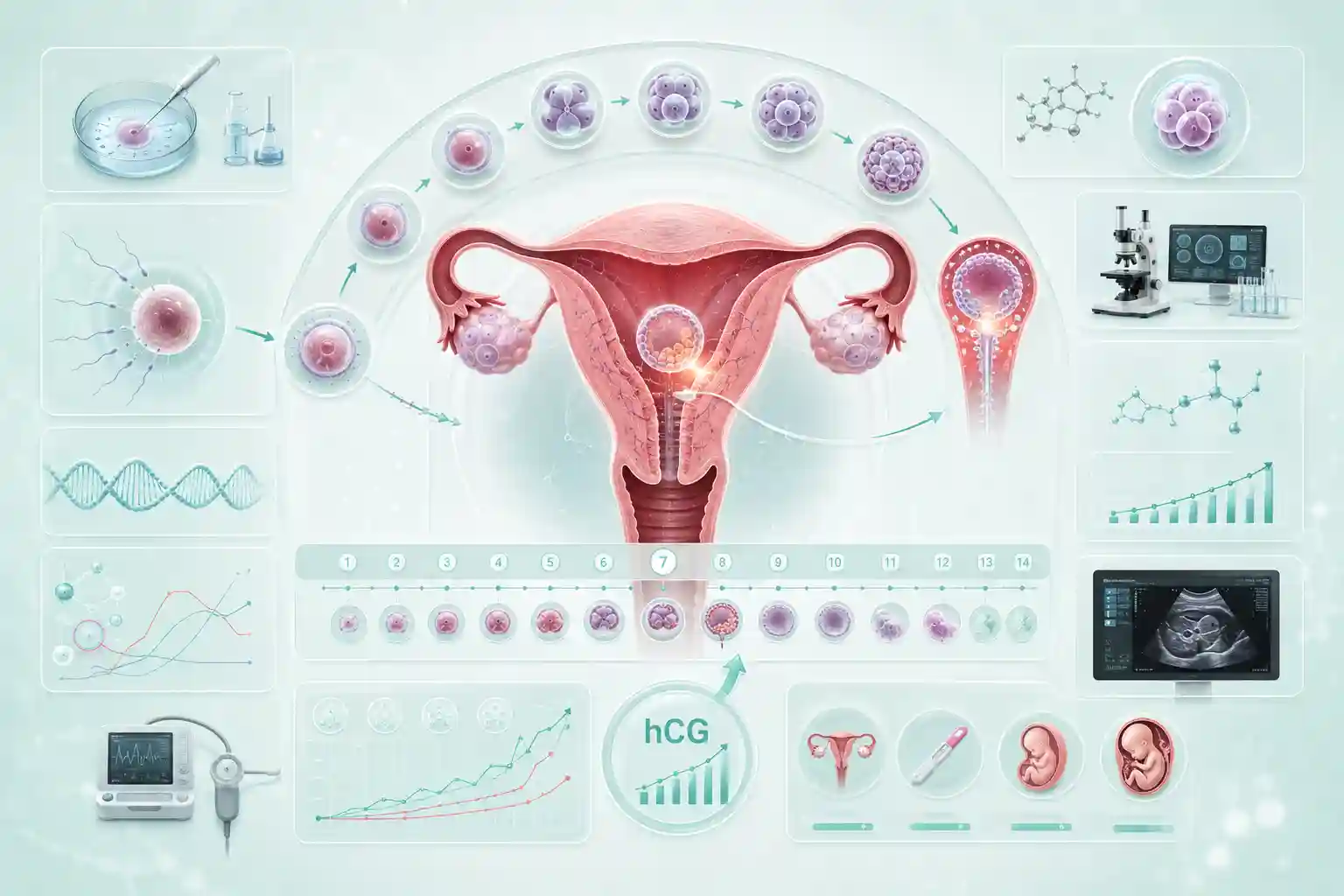
Implantation after IUI is the process in which a fertilized egg (embryo) attaches to the lining of the uterus (endometrium).
Implantation can occur only if:
- Ovulation has taken place.
- A healthy sperm fertilizes the egg.
- The embryo develops normally.
- The uterine lining is receptive.
Once implantation is successful, the body begins producing human chorionic gonadotropin (hCG), the hormone detected by pregnancy tests.
Why Is Implantation After IUI Important?
Implantation is one of the most critical steps in establishing a pregnancy.
Successful implantation allows:
- The embryo to receive oxygen and nutrients.
- Pregnancy hormones to begin increasing.
- The placenta to start developing.
- The pregnancy to continue growing.
Without implantation, pregnancy cannot progress, even if fertilization has occurred.
How Does Implantation After IUI Happen?
Step 1: Ovulation
An egg is released naturally or after fertility medication.
Step 2: Fertilization
Prepared sperm travels through the reproductive tract and may fertilize the egg inside the fallopian tube.
Step 3: Embryo Development
The fertilized egg divides into a developing embryo while moving toward the uterus.
Step 4: Implantation
The embryo reaches the uterus and attaches to the uterine lining.
For many pregnancies, implantation typically occurs about 6–12 days after ovulation, though the exact timing varies from person to person.
Step 5: hCG Production
After implantation, the body begins producing hCG, which gradually rises and becomes detectable by blood and urine pregnancy tests.
Common Symptoms of Implantation After IUI
Some women notice mild symptoms around the time implantation may occur, while many experience none.
Possible symptoms include:
Mild Cramping
Some people experience light cramping or a pulling sensation in the lower abdomen.
Light Spotting
A small amount of light pink or brown spotting may occur in some pregnancies.
Not everyone experiences implantation bleeding.
Breast Tenderness
Hormonal changes may cause the breasts to feel swollen or tender.
Fatigue
Early hormonal changes can contribute to increased tiredness.
Bloating
Progesterone and early pregnancy hormones may cause mild bloating.
Increased Vaginal Discharge
Some women notice more clear or milky vaginal discharge after implantation.
No Symptoms
Many healthy pregnancies develop without any noticeable implantation symptoms.
When Does Implantation Usually Occur After IUI?
Although timing varies, implantation commonly occurs within the following general timeframe:
| Days After IUI | What May Be Happening |
| 0–1 Days | IUI procedure and sperm begin traveling toward the fallopian tubes |
| 1–2 Days | Fertilization may occur if sperm meets the egg |
| 3–5 Days | Early embryo development continues |
| 6–10 Days | Implantation commonly begins during this period |
| 10–14 Days | hCG levels gradually increase if implantation is successful |
| Around Day 14 | Pregnancy testing is usually recommended |
Keep in mind that this timeline is approximate and varies among individuals.
Benefits of Understanding Implantation After IUI
Knowing the implantation process can help you:
- Set realistic expectations.
- Reduce unnecessary anxiety.
- Understand why symptoms vary.
- Avoid testing too early.
- Better understand your fertility journey.
Risks, Side Effects, or Limitations
It’s important to understand that:
- Implantation symptoms are not experienced by everyone.
- Symptoms alone cannot confirm pregnancy.
- Cramping or spotting may also result from fertility medications or hormonal changes.
- Some successful pregnancies occur without any early symptoms.
Only a properly timed pregnancy test can confirm pregnancy.
Factors Affecting Implantation
Several factors influence successful implantation.
Female Age
Egg quality naturally changes with age.
Embryo Quality
A healthy embryo has a greater chance of successful implantation.
Uterine Lining
A healthy endometrium supports implantation.
Hormonal Balance
Progesterone plays an important role in preparing the uterine lining.
Overall Reproductive Health
Underlying fertility conditions may influence implantation success.
Emotional & Patient Perspective
The days surrounding possible implantation are often emotionally challenging.
Many patients:
- Monitor every physical sensation.
- Compare symptoms with online experiences.
- Feel hopeful one day and discouraged the next.
Remember that the absence of implantation symptoms does not mean implantation has failed. Likewise, symptoms such as cramping or spotting do not guarantee pregnancy. Every pregnancy develops differently.
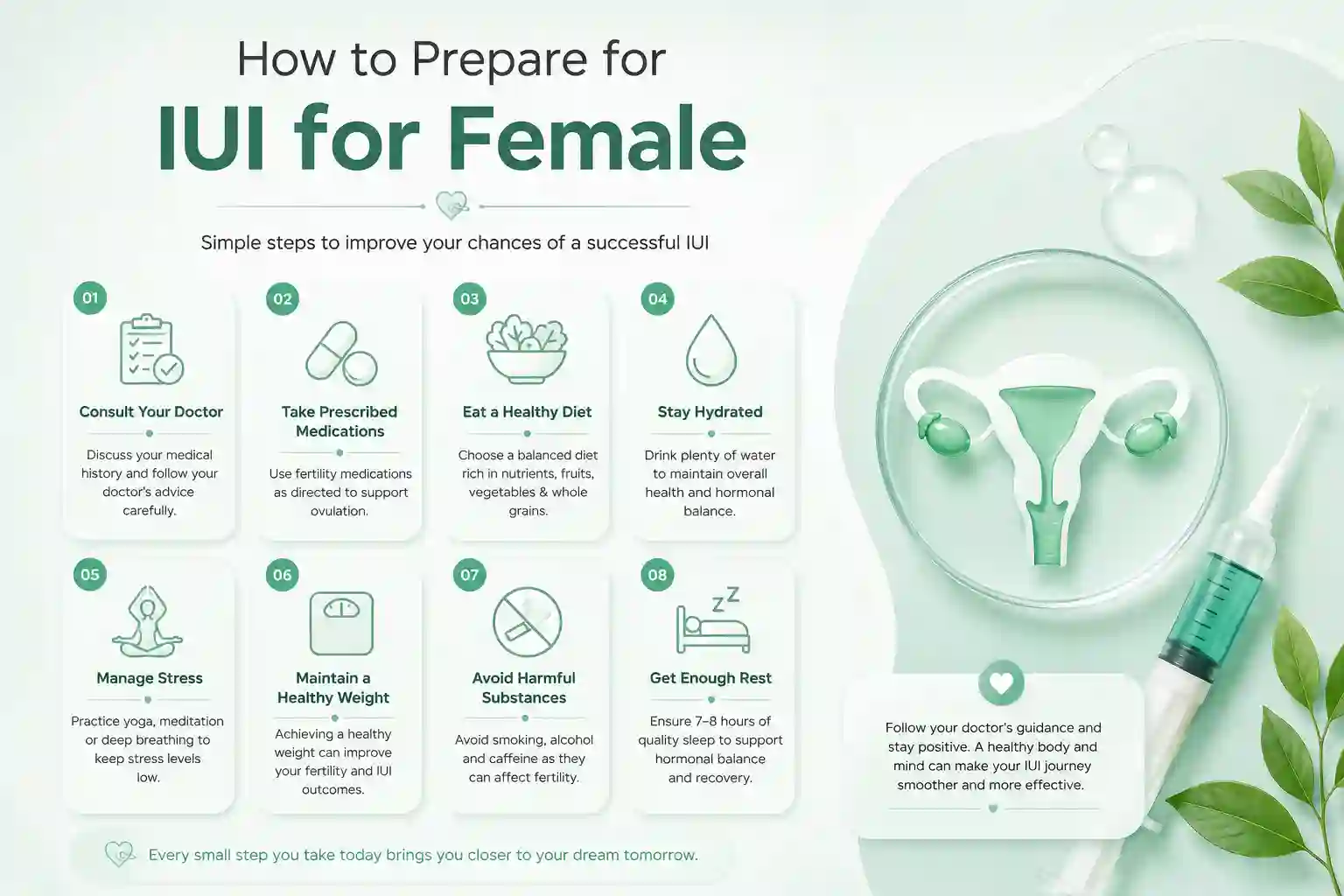
Tips During the Implantation Period
While waiting for your pregnancy test:
- Continue prescribed medications.
- Eat a balanced, nutritious diet.
- Stay hydrated.
- Get adequate sleep.
- Continue normal light daily activities unless advised otherwise.
- Avoid smoking and alcohol.
- Wait until the recommended testing day before taking a pregnancy test.
When to See a Fertility Specialist
Contact your fertility specialist if you experience:
- Severe abdominal or pelvic pain.
- Heavy vaginal bleeding.
- Fever.
- Persistent vomiting.
- Significant abdominal swelling.
- Foul-smelling vaginal discharge.
- Any symptoms that concern you.
These symptoms are not typical of normal implantation and should be evaluated promptly.
Implantation after IUI is a vital step in establishing a successful pregnancy. After fertilization, the developing embryo travels to the uterus and attaches to the uterine lining, usually within 6–12 days after ovulation. Some women experience mild cramping, light spotting, fatigue, or breast tenderness, while many have no symptoms at all. Because implantation symptoms are not reliable indicators of pregnancy, the most accurate way to determine whether your IUI cycle has been successful is to take a pregnancy test at the time recommended by your fertility specialist, typically around 14 days after IUI.
FAQs About Implantation After IUI
1. When does implantation usually occur after IUI?
Implantation commonly occurs about 6–12 days after ovulation, although the exact timing varies from person to person.
2. What are the common symptoms of implantation after IUI?
Possible symptoms include mild cramping, light spotting, breast tenderness, fatigue, bloating, increased vaginal discharge, or no symptoms at all.
3. Does everyone experience implantation bleeding?
No. Many successful pregnancies occur without any implantation bleeding.
4. Can I confirm implantation based on symptoms?
No. Symptoms alone cannot confirm implantation or pregnancy. A pregnancy test is needed for confirmation.
5. When should I take a pregnancy test after implantation?
Most fertility specialists recommend taking a pregnancy test about 14 days after IUI, when hCG levels are more likely to be detectable.
6. Can implantation happen later than expected?
Yes. Implantation timing can vary, and later implantation may delay the appearance of detectable hCG.
7. When should I contact my fertility clinic after IUI?
Contact your fertility clinic if you experience severe abdominal pain, heavy bleeding, fever, persistent vomiting, significant abdominal swelling, foul-smelling vaginal discharge, or other concerning symptoms.