For many people undergoing fertility treatment, one of the biggest concerns is the actual IUI catheter insertion. Questions such as “Will it hurt?”, “How long does it take?”, and “Is the catheter safe?” are very common before the procedure.
The good news is that IUI catheter insertion is typically a quick, minimally invasive procedure that takes only a few minutes. Most patients experience little or no pain, although some may notice mild cramping or temporary discomfort similar to a routine pelvic examination. Understanding the procedure beforehand can help reduce anxiety and make the treatment experience more comfortable.
What Is IUI Catheter Insertion?
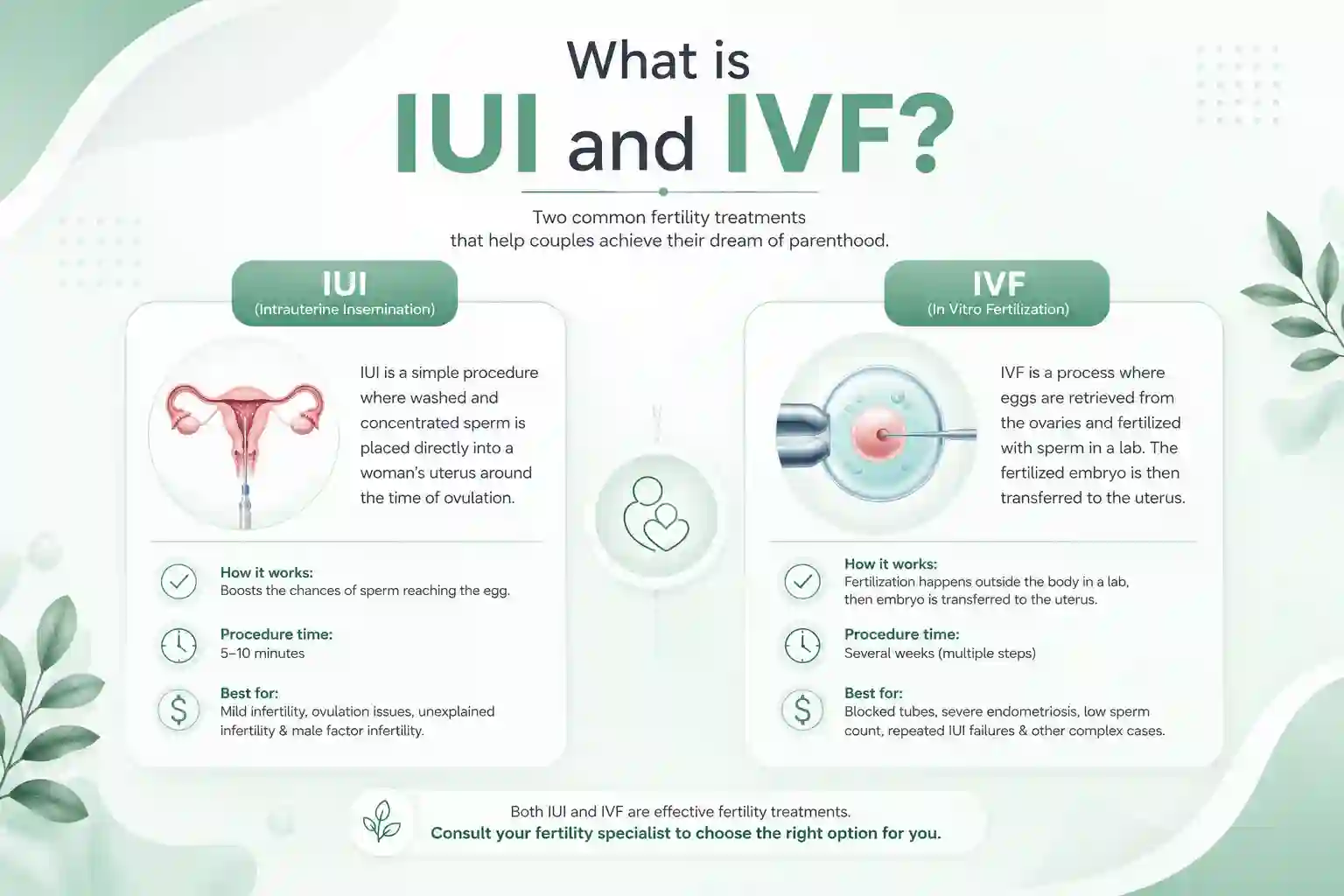
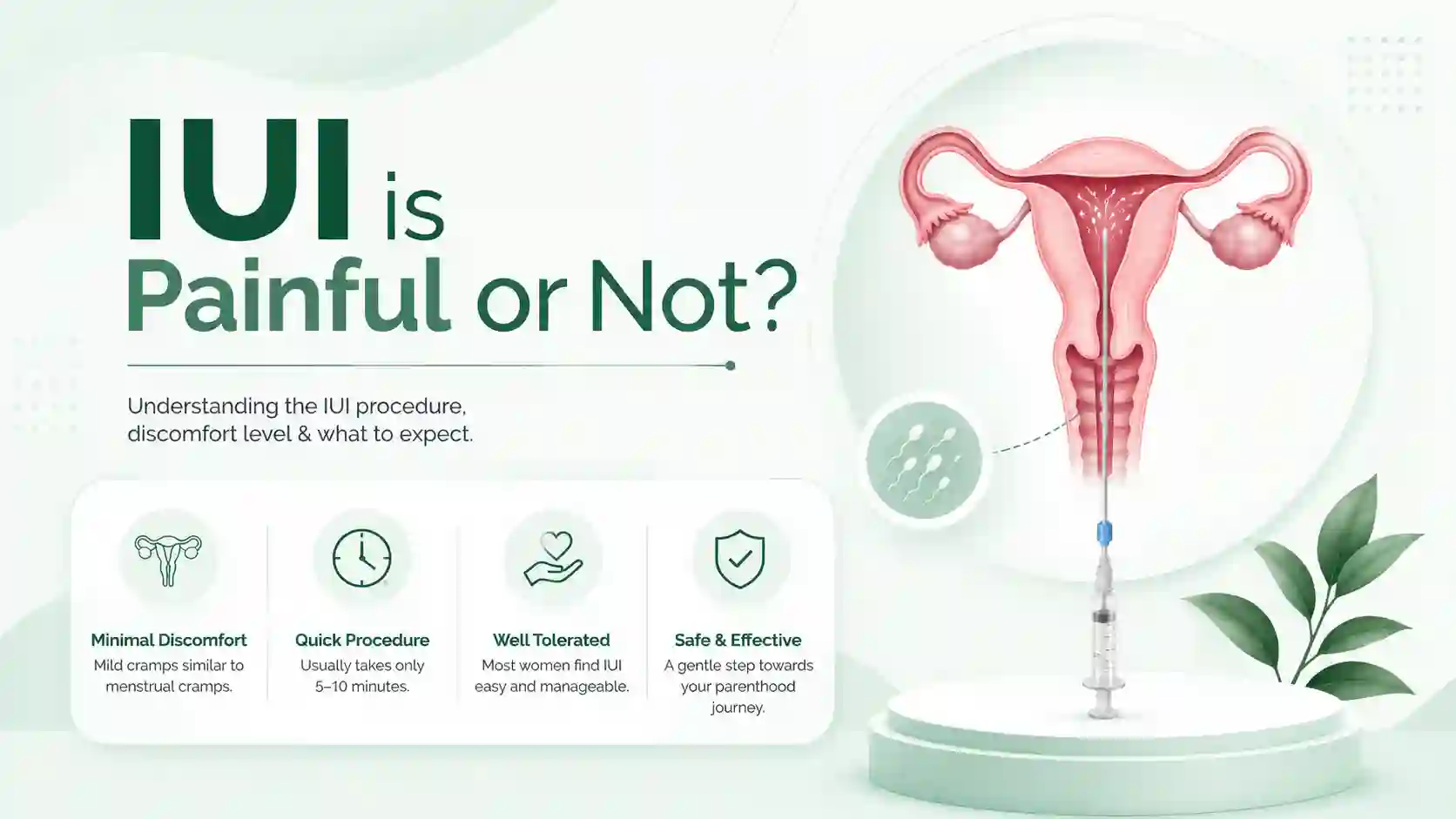
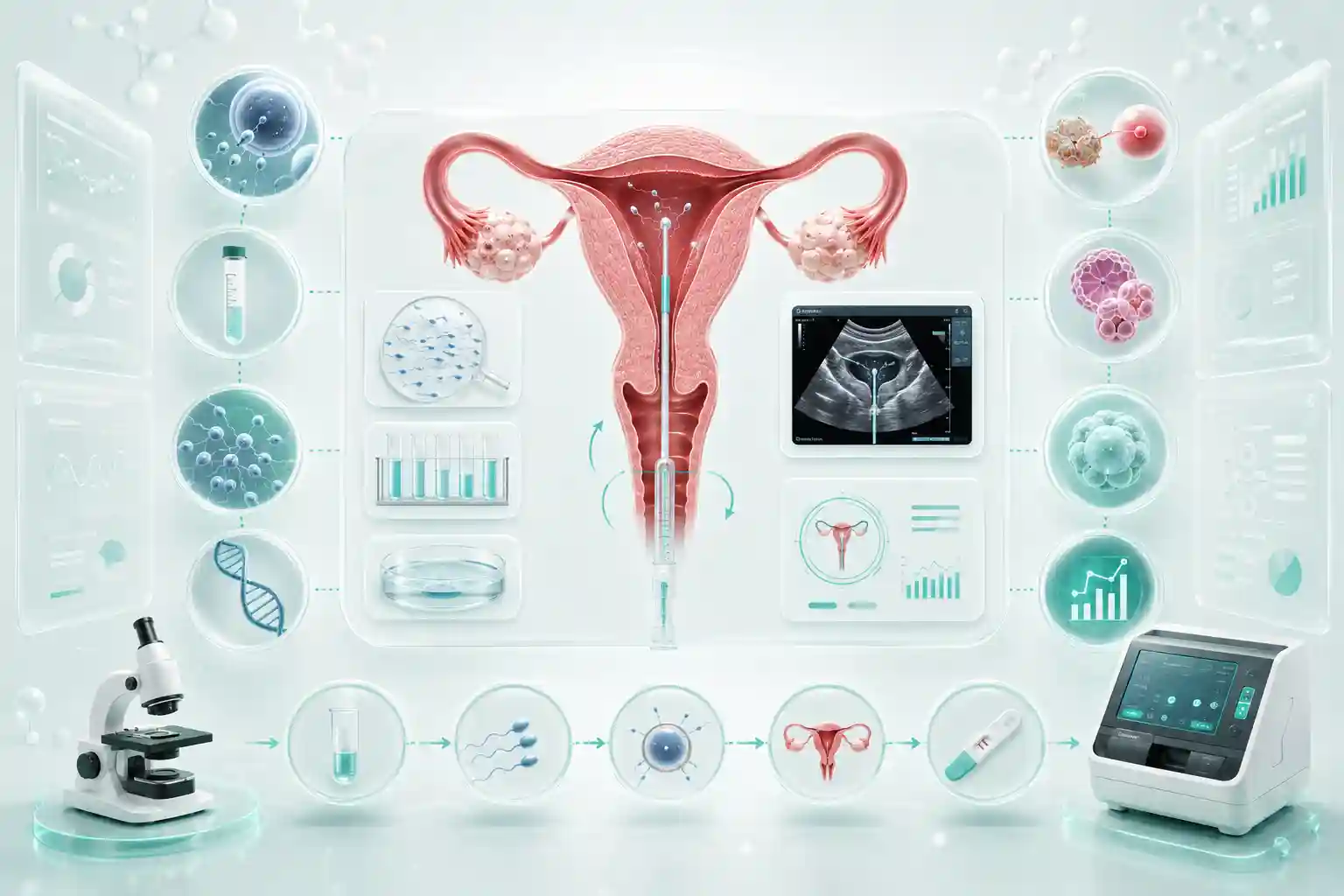
IUI catheter insertion is the step during intrauterine insemination in which a fertility specialist gently inserts a thin, soft, flexible sterile catheter through the cervix and into the uterus.
The washed sperm sample is then slowly injected through the catheter directly into the uterine cavity, placing the sperm closer to the fallopian tubes where fertilization naturally occurs.
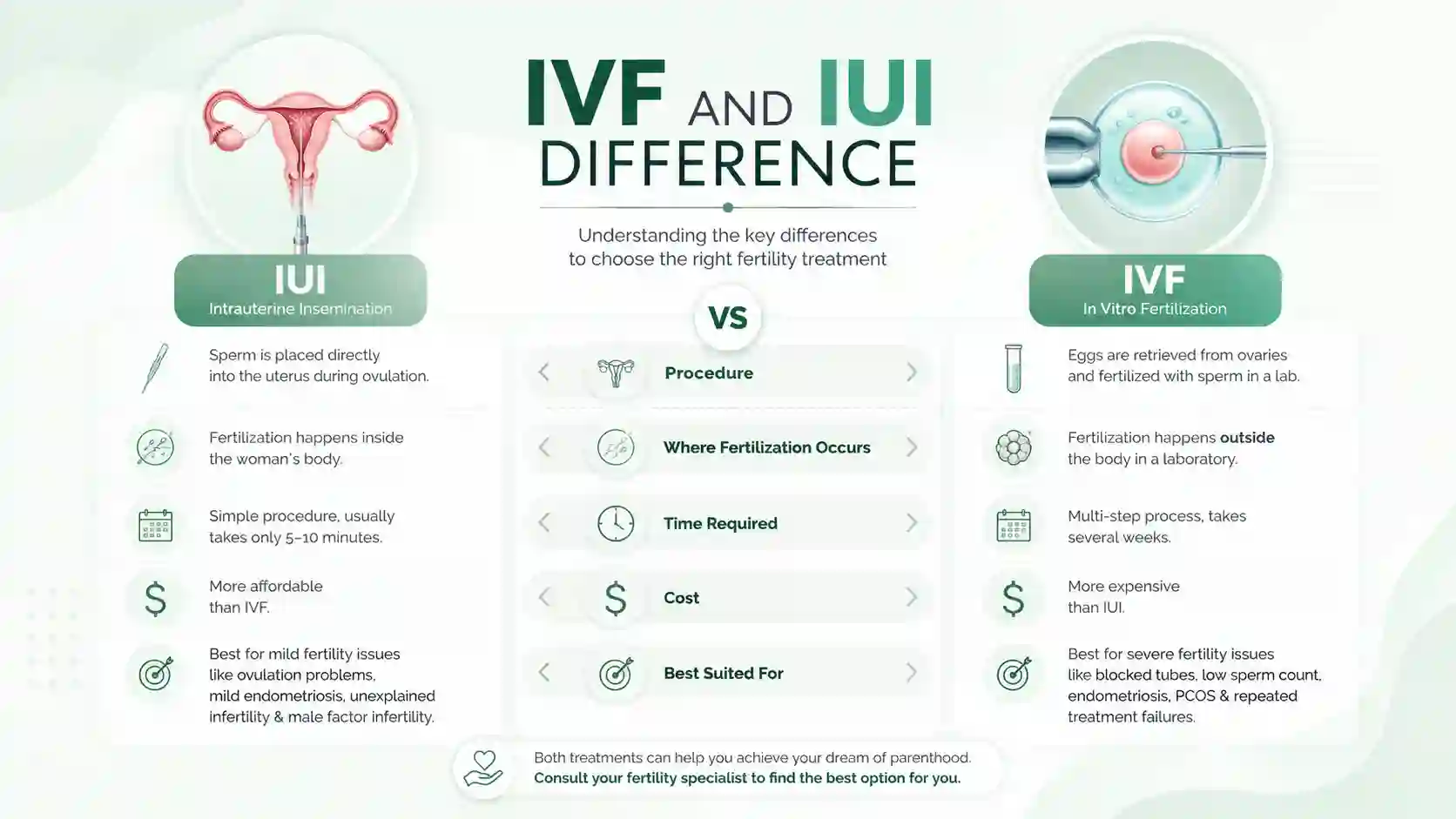
Unlike IVF, fertilization still takes place inside the body.
Why Is IUI Catheter Insertion Important?
The purpose of catheter insertion is to improve the chances of fertilization by delivering healthy sperm closer to the egg.
This procedure helps:
- Bypass the cervix
- Deliver concentrated, washed sperm into the uterus
- Increase the number of sperm reaching the fallopian tubes
- Reduce the distance sperm must travel naturally
This approach may improve pregnancy chances in appropriately selected patients.
How Does IUI Catheter Insertion Work?
Step 1: Preparation
Before the procedure:
- Ovulation timing is confirmed.
- The sperm sample undergoes sperm washing.
- The prepared sample is loaded into a sterile syringe connected to the catheter.
Step 2: Positioning
You will lie on an examination table in a position similar to a routine pelvic examination.
A speculum is gently inserted into the vagina to allow the cervix to be seen clearly.
Step 3: Catheter Insertion
The fertility specialist carefully guides the thin catheter through the cervical opening into the uterus.
Because the catheter is soft and flexible, most patients experience little discomfort.
Step 4: Sperm Placement
The washed sperm sample is slowly injected into the uterine cavity.
This usually takes only a few seconds.
Step 5: Catheter Removal
The catheter and speculum are gently removed.
Many clinics ask patients to rest for a few minutes before leaving, although prolonged bed rest has not been shown to improve pregnancy rates.
Is IUI Catheter Insertion Painful?
For most people, IUI catheter insertion is not painful.
Patients commonly describe the sensation as:
- Mild pressure
- Slight cramping
- Temporary discomfort
- A feeling similar to a Pap smear or pelvic examination
Some women experience no discomfort at all.
Pain may be slightly greater if:
- The cervix is difficult to access.
- There is cervical narrowing.
- You are especially sensitive during pelvic examinations.
Severe pain is uncommon and should be discussed with your fertility specialist.
Benefits of IUI Catheter Insertion
The procedure offers several advantages.
Benefits include:
- Minimally invasive
- Usually completed within a few minutes
- No surgery required
- No anesthesia needed for most patients
- Short recovery time
- Allows precise placement of washed sperm into the uterus
These benefits make IUI one of the most commonly recommended first-line fertility treatments.
Risks, Side Effects, or Limitations
Most patients tolerate catheter insertion very well.
Possible temporary side effects include:
- Mild cramping
- Light spotting
- Temporary pelvic discomfort
Rare complications include:
- Infection
- Minor cervical irritation
- Difficulty inserting the catheter because of cervical anatomy
Serious complications are uncommon when the procedure is performed by an experienced fertility specialist.
Factors Affecting the Procedure
Several factors can influence how easily catheter insertion is performed.
Cervical Anatomy
Some patients naturally have a narrower or differently positioned cervix.
Previous Cervical Procedures
Prior cervical surgery or treatment may affect catheter passage.
Uterine Position
The position of the uterus can occasionally make catheter placement slightly more challenging.
Experience of the Fertility Specialist
An experienced clinician can usually perform the procedure smoothly and comfortably.
Emotional & Patient Perspective
Feeling nervous before IUI catheter insertion is completely normal.
Many patients worry about:
- Pain during the procedure
- Whether the catheter could damage the uterus
- Whether movement afterward could affect the sperm
In reality, the catheter is designed specifically for this procedure and is soft and flexible. Once the sperm has been placed into the uterus, it quickly begins moving toward the fallopian tubes. Normal daily movement afterward does not interfere with this process.
Knowing what to expect often helps reduce anxiety and makes the procedure feel much easier than anticipated.
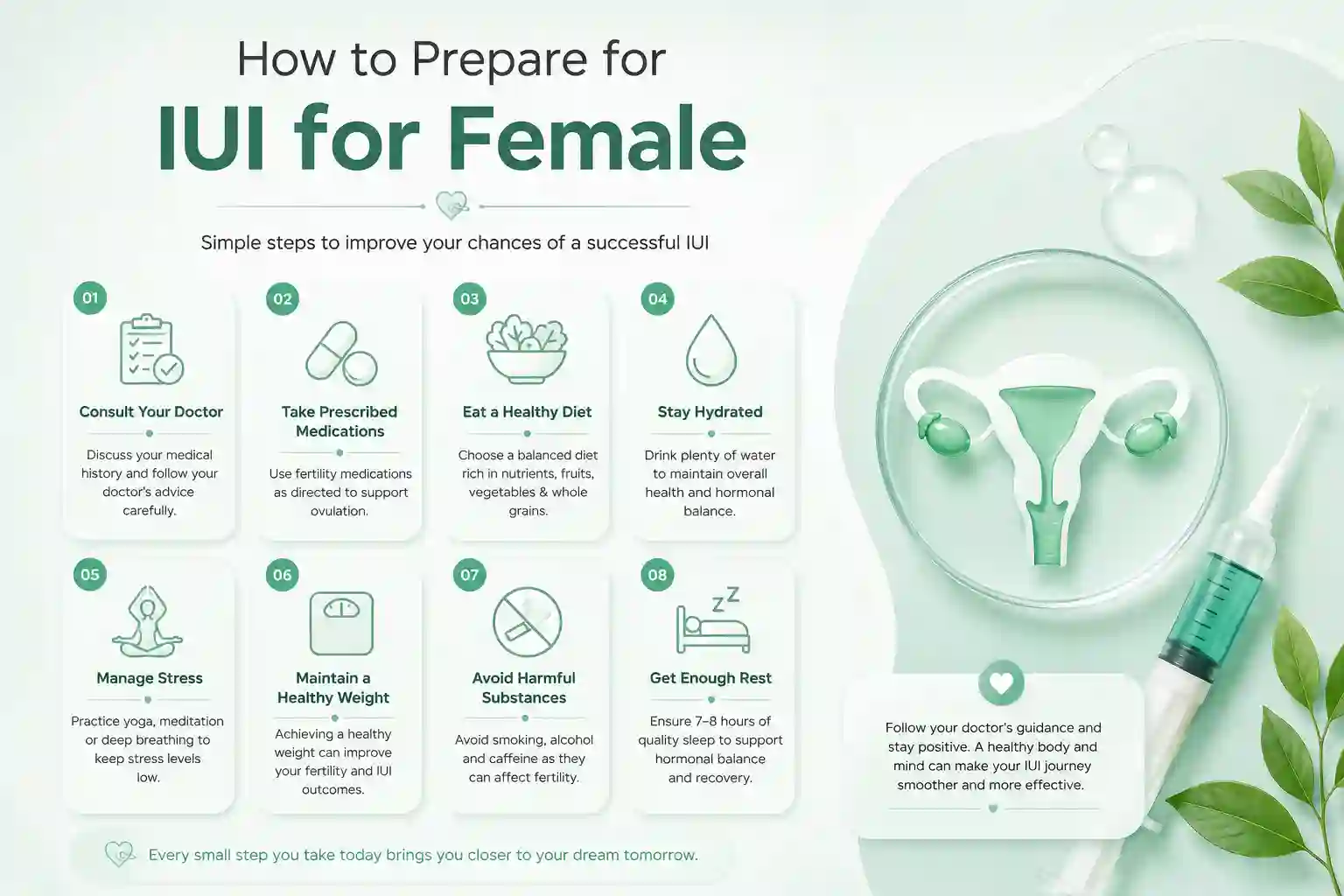
Tips Before IUI Catheter Insertion
To prepare for the procedure:
- Follow your fertility specialist’s instructions carefully.
- Arrive on time for your appointment.
- Wear comfortable clothing.
- Stay hydrated.
- Empty your bladder if your clinic advises it, or maintain a comfortably full bladder if instructed for easier visualization.
- Ask questions if you are feeling anxious.
Being relaxed may make the procedure more comfortable.
When to See a Fertility Specialist
Contact your fertility specialist if you experience:
- Severe pelvic pain
- Heavy vaginal bleeding
- Fever
- Persistent vomiting
- Foul-smelling vaginal discharge
- Significant abdominal swelling
These symptoms are uncommon and should be evaluated promptly.
IUI catheter insertion is a quick, safe, and minimally invasive part of the intrauterine insemination procedure. A thin, flexible catheter is used to place washed sperm directly into the uterus at the optimal time for fertilization. Most patients experience little more than mild pressure or brief cramping, and serious complications are rare. Understanding how the procedure works can help reduce anxiety and allow you to approach your IUI treatment with greater confidence.
FAQs About IUI Catheter Insertion
1. What is IUI catheter insertion?
IUI catheter insertion is the process of placing a thin, flexible catheter through the cervix into the uterus to deliver washed sperm during intrauterine insemination.
2. Is IUI catheter insertion painful?
Most patients experience little or no pain. Mild cramping or pressure similar to a pelvic examination is the most common sensation.
3. How long does IUI catheter insertion take?
The catheter insertion and sperm placement usually take only a few minutes, while the entire appointment may last around 20–30 minutes.
4. Is anesthesia needed for IUI catheter insertion?
No. The procedure is typically performed without anesthesia because it is minimally invasive and generally well tolerated.
5. Can the catheter damage the uterus?
Serious injury is very rare. The catheter is soft and specifically designed for safe placement inside the uterus by trained fertility specialists.
6. Is spotting normal after IUI catheter insertion?
Yes. Light spotting may occur because the catheter passes through the cervix and is usually temporary.
7. When should I contact my fertility clinic after the procedure?
Contact your fertility clinic if you experience severe abdominal pain, heavy bleeding, fever, foul-smelling vaginal discharge, persistent vomiting, or significant abdominal swelling after the procedure.